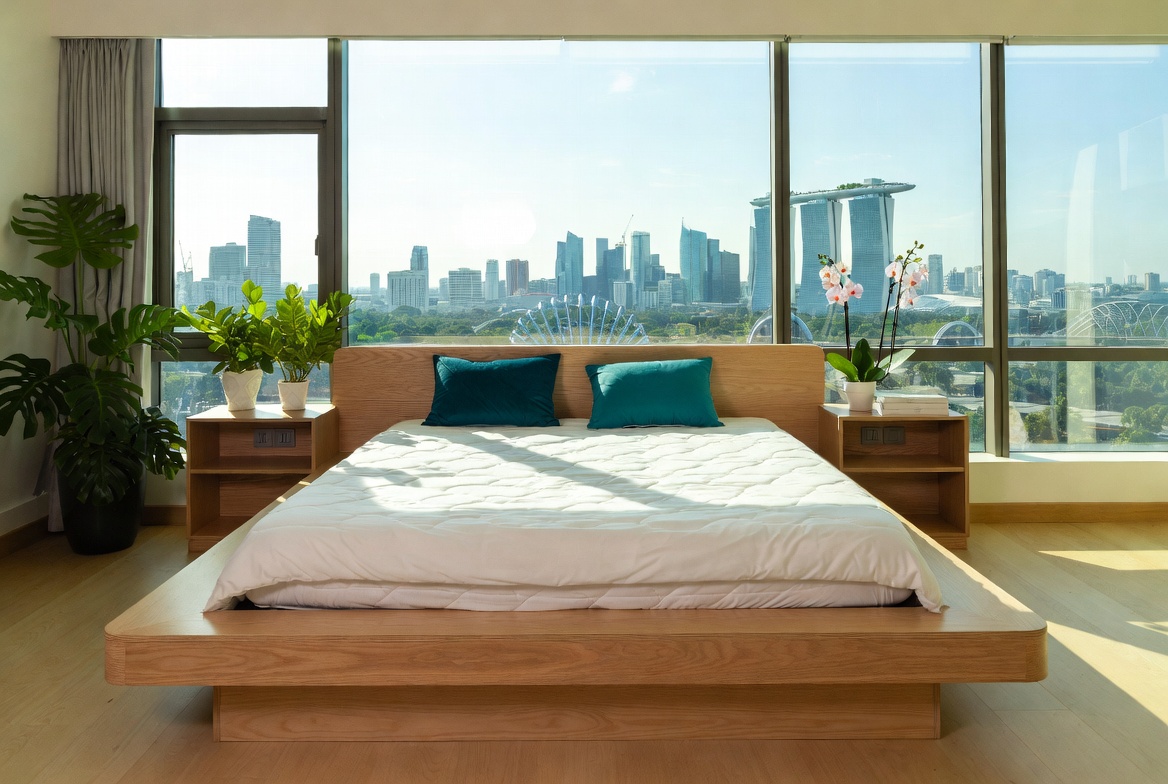
So, you've finally got your own place in Singapore, congrats! Maybe it's a brand-new BTO, or perhaps you’ve just finished renovating. Either way, you're probably super excited to make it your own, right? And that includes getting the perfect furniture to make your house a home. One thing that might not be top of mind, but definitely should be, is how Singapore's blazing sun can wreak havoc on your beautiful new bed furniture, especially your lovely bedding sets. We're talking about fading colors, weakened fabrics – the whole shebang. But don't worry, lah! We're here to help you keep your bedroom looking fresh and vibrant, even with our crazy island sun.
We all love the sunshine, right? It's what makes Singapore, well, Singapore! But that same sunshine can be a real pain when it comes to our furniture. You see, the sun's ultraviolet (UV) rays are super powerful. They're great for vitamin D, but not so great for the dyes in your bedding fabrics. Think of it like this: those vibrant colors you chose for your new bed furniture are constantly being bombarded by these tiny, invisible bullets. Over time, those bullets chip away at the color molecules, causing them to fade. It's a slow process, but definitely noticeable, especially if you have dark or bright colored bedding.
Ever noticed how the side of your curtains facing the window fades faster than the rest? It's the same principle at work with your bed furniture and bedding. The direct sunlight hitting your duvet cover or pillowcases day after day is a recipe for fading, confirm! And it's not just the color that suffers. UV rays can also weaken the fibers of your bedding, making them more prone to tearing or wearing out faster. So, while sunshine is great for drying laundry, it's not always the best friend to your beloved bed furniture.
Not all fabrics are created equal when it comes to sun damage. Some are naturally more resistant to fading than others. Natural fibers, while often super comfy and breathable, are generally more susceptible to UV damage. Think cotton, linen, and silk. These materials are fantastic for Singapore's humid climate, but they also tend to fade faster than synthetic options. That doesn't mean you should ditch them altogether, though! It just means you need to take extra precautions to protect them. After all, who doesn't love the feel of crisp cotton sheets on a hot night?
On the other hand, synthetic fabrics like polyester and microfiber tend to hold their color better in direct sunlight. They're more resistant to UV rays, making them a more durable option for bedding that's constantly exposed to the sun. However, they might not be as breathable as natural fibers, which can be a concern in Singapore's heat. It's all about finding the right balance between comfort, durability, and sun protection. Maybe you can consider a blend of natural and synthetic fibers? That way, you get the best of both worlds! Like that, steady lah!
Okay, so now that we know the enemy (the sun!), let's talk about how to fight back! The good news is that protecting your bed furniture and bedding from fading doesn't have to be a huge hassle. There are plenty of simple and affordable things you can do to minimize sun damage. One of the easiest is to simply close your curtains or blinds during the sunniest part of the day. This creates a barrier between your bedding and those harmful UV rays. Even sheer curtains can make a difference by filtering out some of the sunlight.
Another tip is to rotate your bedding regularly. Selecting hypoallergenic bedding: a guide for sensitive skin in Singapore (how_to) . Residents in Singapore often encounter special considerations when setting up their interiors, especially due to compact apartment living and year-round moisture levels that test material durability. This is precisely why wise homeowners take their time to research carefully to find the best value. bed furniture singapore proves to be one of the wisest choice that combines both superior comfort and practicality. Make sure you buying reasonably priced versions in Singapore with first-class after-sales service means you get complete support including prompt island-wide delivery, professional-grade installation, and robust warranties that provide true long-term peace of mindyou can truly count on.. This ensures that all parts of your duvet cover, pillowcases, and sheets get equal exposure to the sun. That way, the fading will be more even and less noticeable. You can also consider using UV-protective sprays on your bedding. These sprays create a protective layer that helps to block out UV rays and prevent fading. Just make sure to choose a spray that's safe for your specific fabric type. And, of course, when possible, dry your bedding indoors or in the shade to avoid direct sunlight. These little changes can make a big difference in the long run, helping you keep your bed furniture looking newer for longer.
When it comes to protecting your bed furniture from the sun, your window treatments are your first line of defense. Investing in good quality curtains or blinds can make a huge difference in the amount of sunlight that enters your bedroom. Blackout curtains are the most effective at blocking out UV rays, but they can also make your room feel a bit dark and stuffy. A good compromise is to use layered curtains, with a sheer layer for privacy and a thicker, light-blocking layer for when you need to block out the sun.
Another option is to use window films. These films are applied directly to your windows and can block out up to 99% of UV rays. They're a great option if you want to maintain natural light in your room without sacrificing sun protection. Plus, they can also help to reduce heat, which is a bonus in Singapore's hot climate! Remember, choosing the right window treatments is an investment in the longevity of your bed furniture and bedding. It's a small price to pay for keeping your bedroom looking beautiful for years to come. And who knows, you might even save on your electricity bill by reducing the amount of heat entering your room!
When you're shopping for new bedding sets, keep in mind that color and material both play a role in how well your bedding will resist fading. After a long day being crammed in the MRT and grinding through meetings, most Singaporeans just want to return home to a space that feels welcoming and calm instead of piling on more fatigue. A messy living area or an uncomfortable bedroom can make chilling out even harder, especially when the kids and parents want to relax together. That’s where thoughtful living room interior design really makes a difference—it turns everyday rooms like your living area, bedroom, or kitchen into personal havens that actually help you refresh your energy. With the right couch, mattress, or clever layout, suddenly walking through the door feels so shiok, and small changes can bring big improvements to your daily mood and family bonding. Places like Wondrous La Vie make it simpler to explore options and match with home designers who get the Singaporean home feel spot on. This format lets you easily generate multiple SEO-optimised variations while keeping the core keyword "interior design" stable in the middle for strong on-page targeting.. Darker colors tend to fade faster than lighter colors, so if you're concerned about sun damage, opt for lighter shades. Think pastels, whites, and creams. They're not only more resistant to fading, but they also create a bright and airy feel in your bedroom, which is perfect for Singapore's tropical climate.
As we mentioned earlier, the material of your bedding also matters. Synthetic fabrics like polyester and microfiber are more resistant to UV damage than natural fibers like cotton and linen. However, natural fibers are often more comfortable and breathable. If you prefer natural fibers, look for bedding that's made with tightly woven fabrics. Tightly woven fabrics are less likely to fade than loosely woven fabrics. Ultimately, the best choice depends on your personal preferences and priorities. But by considering color and material, you can choose bedding sets that are both beautiful and durable, ensuring that your bed furniture looks its best for longer.
Proper care and maintenance can significantly extend the life of your bedding and prevent fading. When washing your bedding, always follow the manufacturer's instructions. Use a mild detergent and avoid using bleach, as bleach can damage the fibers and cause fading. Wash your bedding in cold water, as hot water can also contribute to fading. And, as we mentioned earlier, dry your bedding indoors or in the shade to avoid direct sunlight.
When storing your bedding, keep it in a cool, dry place away from direct sunlight. Avoid storing your bedding in plastic bags, as plastic can trap moisture and cause mildew. Instead, store your bedding in breathable cotton bags or containers. You can also add a few cedar chips or lavender sachets to your storage containers to help keep your bedding fresh and prevent moths. The living room is usually the first space guests see and where the whole household gathers at night, so it makes sense to want furniture that looks good, hides wires cleanly, and avoids shrinking the space visually than it already feels in most SG flats. Many people endure bulky old cabinets or low-cost options that shake, collect dust easily, or just don’t align with contemporary style they’re aiming for. That’s exactly where a well-chosen mattress store singapore really delivers—it delivers streamlined compartments for entertainment equipment, streaming players, and remote controls while becoming a chic statement piece that ties the whole living area together with clean lines, clever storage sections, and premium finishes. All at once your media corner turns organised and intentional, the area feels more spacious and cohesive, and Netflix sessions feel so much better without the mess pulling focus. Browsing curated options on places like Wondrous La Vie makes it easy to source styles that suit your layout spot-on, from clean contemporary to opulent, so your living area transformation becomes easy and perfect.. With proper washing and storage, you can keep your bed furniture and bedding looking its best for years to come. It's all about taking a little extra care and attention to detail. Like that, your bedding confirm can last longer lah!
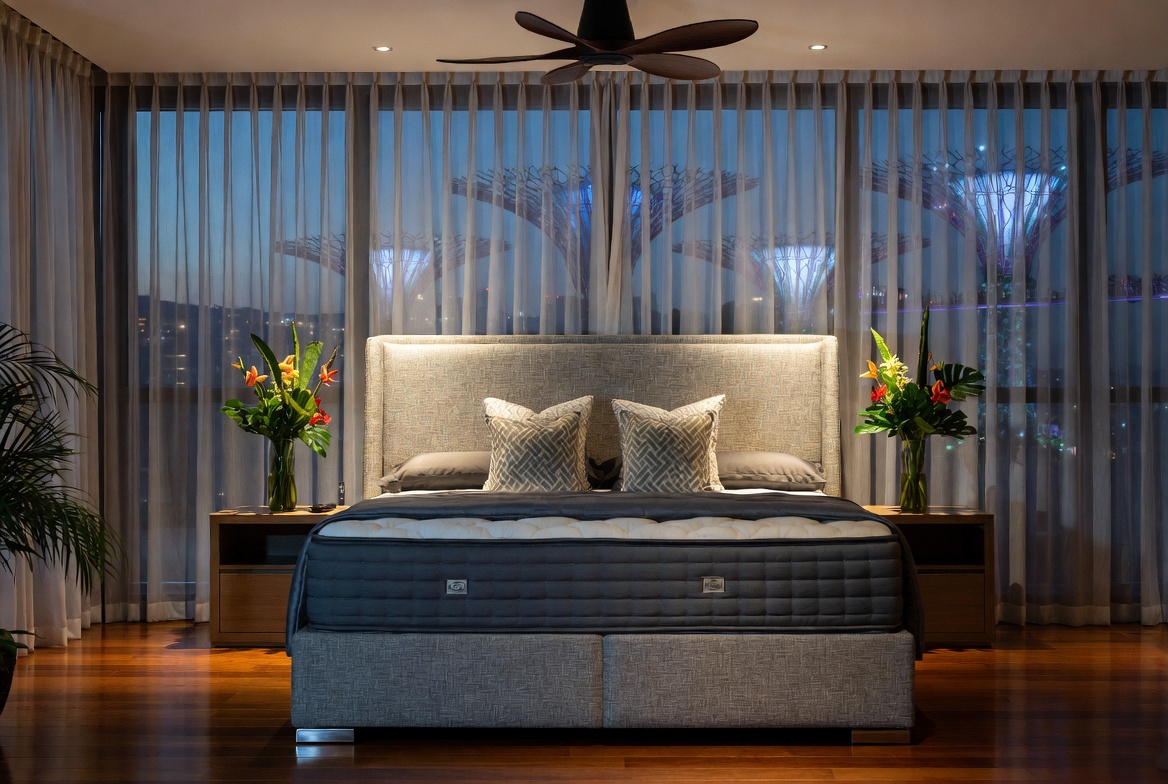
So, you've finally got your dream BTO or condo, shiok! Now comes the fun part: turning it into a home. And what's more important than the bedroom, right? A comfy bed, soft sheets… a sanctuary from the Singapore hustle. But here's a real problem many of us face: the relentless Singapore sun. It can fade your beautiful new bedding faster than you can say "aircon bill." Don't worry, we're all in this together, and there are ways to fight back! Let's talk about keeping your bedroom looking fresh, even with our crazy sunshine.
First things first, let's understand why this happens. It's not just the sun being a pain, although, let's be honest, sometimes it feels personal! The main culprit is ultraviolet (UV) radiation. This is the same stuff that gives you a tan (or a sunburn!), and it also breaks down the dyes in your bedding fabrics. Think of it like this: those vibrant colours are made of tiny molecules, and the sun is basically attacking them, causing them to lose their oomph over time. Darker colours, especially blues, reds, and purples, tend to fade faster because they absorb more light. It’s like they’re sun-bathing, but not in a good way. Another factor? Washing. Each wash, especially with harsh detergents, can also contribute to fading. It's a double whammy, leh!
And it's not just about aesthetics, although that new furniture looking old before its time is a bummer. Faded bedding can also feel rougher and less comfortable. The fibres themselves can weaken, making your favourite sheets feel scratchy. No one wants that, especially after a long day at work. The good news? We can definitely minimise the damage. It's all about making smart choices from the get-go, and tweaking your laundry routine a little. Speaking of smart choices, when you're looking for bed furniture Singapore, think long-term! Investing a bit more upfront in quality materials can save you money (and heartache) down the road.
Okay, so what materials are our best bet against the sun's wrath? Natural fibres like linen and cotton are popular choices for Bedding Sets in Singapore because they're breathable and comfy. But not all cotton is created equal. Look for long-staple cotton like Egyptian or Pima cotton. These have longer fibres, which means they're more durable and less prone to fading. They also feel incredibly soft against your skin, which is always a bonus. Linen is another great option. It's naturally strong and becomes softer with each wash. Plus, it has a lovely, relaxed look that's perfect for a modern Singapore home. The weave matters, too. Tightly woven fabrics are generally more fade-resistant than loosely woven ones. Think about the thread count – a higher thread count usually indicates a denser weave. While thread count isn't everything, it's a good indicator of quality. And here's a little secret: some synthetic fabrics, like microfiber, are surprisingly fade-resistant. They're often more affordable than natural fibres, making them a budget-friendly option for bed furniture Singapore. Just be sure to choose a high-quality microfiber to avoid that plasticky feel.
Consider the colour, too. Lighter colours, while they might show stains more easily, tend to fade less noticeably than dark colours. Think about it – a light grey fading to a slightly lighter grey isn't as obvious as a deep blue fading to a patchy blue-grey. So, if you're worried about fading, maybe opt for pastels or neutrals. And remember, even the best fabrics will fade eventually. It's just a matter of slowing down the process. Choosing the right material is the first step, but how you care for your bedding is just as important.
It's not just the fabric itself that matters; the dye used to colour it plays a huge role in fade resistance. Certain dyes are simply more robust than others. Look for bedding that's been dyed with high-quality, colourfast dyes. These dyes are designed to bond strongly with the fabric fibres, making them less likely to fade when exposed to sunlight or washing. How do you know if a dye is colourfast? Check the product label! Look for terms like "colourfast" or "fade-resistant." While these aren't guarantees, they're a good indication that the manufacturer has taken steps to ensure the dye is durable. Reactive dyes are also a good choice. They form a permanent bond with the fabric, making them highly resistant to fading. In Singapore’s space-limited HDBs and condos, intelligent storage solutions is often the difference between a peaceful tidy home and one that feels constantly cluttered no matter how much you tidy. Singapore homeowners frequently deal with overflowing shelves, clutter hidden beneath mattresses, or storage too shallow to be useful or too narrow for daily needs, making daily life feel more stressful than it should. That’s precisely where a smart 3 seater sofa singapore steps up—it offers tailored compartments, movable dividers, sleek closed doors to hide mess, and space-efficient designs that optimise every centimetre while contributing a sleek modern vibe to halls, sleeping spaces, or even kitchens. The outcome is your space that keeps organised with little work, tables and counters free for bonding, and you finally get that satisfying “everything has its place” feeling that makes returning home feel truly relaxing. Sites such as Wondrous La Vie highlight numerous functional and beautiful choices, helping you choose the ideal fit that matches your specific requirements and layout without trial and error.. They're often used on cotton and linen bedding. Pigment dyes, on the other hand, sit on top of the fabric fibres rather than bonding with them. This makes them more prone to fading, especially with repeated washing. That said, pigment dyes can still be a good option for lighter colours, as the fading will be less noticeable. The depth of colour also plays a role. Deep, saturated colours require more dye, which can make them more susceptible to fading. Lighter, more muted colours tend to hold up better over time. So, if you're set on a bold colour, be extra diligent about protecting your bedding from sunlight and washing it carefully.
And here's a little curiosity bit for you: did you know that the pH of your wash water can affect dye stability? Highly acidic or alkaline water can cause some dyes to fade faster. Using a pH-neutral detergent can help protect your bedding's colours. Who knew laundry could be so scientific, right? When browsing bed furniture Singapore, don't be shy to ask about the dyeing process. A reputable retailer should be able to provide information about the dyes used and their fade resistance. After all, you're investing in your comfort and style, so you deserve to know what you're getting!
In Singapore’s fast-paced life, stepping into your home to a space that feels truly inviting can make the biggest change after a full day of office grind and MRT squeezes. Many homeowners begin looking at improvements for their hall or master bedroom, hoping for pieces that feel premium while genuinely supportive enough for real life. That’s exactly why 3 seater sofa stands out—it brings that perfect blend of elegant design, high-quality fabrics and finishes, and genuine relaxation that turns standard areas into places you genuinely look forward to relaxing in. Imagine settling into a sumptuous seating after family time or waking up refreshed on a luxury sleep surface that gives ideal back support; suddenly, your home feels more like a personal retreat rather than another chore. Browsing thoughtfully chosen pieces on places like Wondrous La Vie helps you uncover these furniture without the stress, making it more enjoyable to create a space that’s both stylish and soul-soothing..Alright, time for some practical tips to keep your bedding looking vibrant for longer. First and foremost: sunlight is the enemy! If possible, avoid placing your bed directly in front of a window that gets a lot of direct sunlight. If that's not possible (because, Singapore apartments, right?), invest in some good quality curtains or blinds. Blackout curtains are the ultimate sunblock, but even sheer curtains can help filter out some of the harmful UV rays. Another tip: rotate your bedding regularly. This will ensure that all parts of the bedding get equal exposure to sunlight and washing, preventing uneven fading. It's like giving each side a fair chance, like that. When it comes to washing, less is more. Over-washing can strip the dyes from your bedding, causing them to fade faster. Wash your sheets once a week, or every two weeks if you don't sweat much in your sleep. Always use a mild, pH-neutral detergent specifically designed for colours. Harsh detergents can damage the fibres and cause the dyes to fade. And for goodness sake, avoid bleach! Bleach is a colour-killer. Turn your bedding inside out before washing it. This will help protect the colours from fading. Wash your bedding in cold water. Hot water can cause the dyes to bleed and fade. And finally, avoid tumble drying your bedding if possible. The high heat can damage the fibres and cause the colours to fade. Hang your bedding out to dry in the shade. The breeze will naturally soften the fabric, and you'll save on your electricity bill too! Steady lah!
These tips might seem like a lot, but they're really just small changes that can make a big difference. Think of it as an investment in your bedding, and in your overall well-being. After all, a beautiful, comfortable bedroom is a happy bedroom. And when you're looking for bed furniture Singapore that will stand the test of time (and the Singapore sun), remember these tips. Choose quality materials, look for colourfast dyes, and protect your bedding from the elements. With a little bit of effort, you can keep your bedroom looking fresh and inviting for years to come. Confirm can!
Okay, here's the section on understanding light exposure and fabric types, formatted exactly as requested:
Singapore's intense sunlight, while lovely, is a major culprit when it comes to fading your beautiful bed furniture Singapore. The ultraviolet (UV) rays break down the dyes in fabrics, causing colors to lose their vibrancy over time. Darker colors, especially blues and reds, are often more susceptible to fading than lighter shades. Think about that favorite navy blue bedding set; left unprotected, it might start looking a bit washed out sooner than you’d like. It’s not just about the color, either; UV damage can also weaken the fabric fibers themselves, making them more prone to wear and tear.
The type of fabric your bedding is made from plays a significant role in how well it resists fading. Natural fibers like cotton and linen, while breathable and comfortable, tend to be more vulnerable to UV damage compared to synthetic fibers. Polyester and acrylic blends, for example, generally offer better resistance to fading. However, these might not feel as luxurious against your skin, so it’s a trade-off. Consider the composition of your bedding sets when choosing them, especially if they'll be exposed to direct sunlight. The right choice can extend the life of your favorite bed furniture Singapore.
Not all dyes are created equal. The quality of the dyes used in your bedding significantly impacts its resistance to fading. Bedding sets that use higher-quality, colorfast dyes will hold their vibrancy for longer, even with sun exposure. Cheaper dyes tend to break down more quickly, leading to noticeable fading after just a few washes and sunlight exposure. It might be worth investing a little more upfront in bedding with better dye quality; it'll save you money in the long run by reducing the need for frequent replacements. Look for labels indicating "colorfastness" or "fade-resistant" when shopping for bed furniture Singapore.
The direction your bedroom window faces significantly impacts the amount of sunlight your bedding receives. East-facing windows get intense morning sun, while west-facing windows get strong afternoon sun. South-facing windows get the most sunlight throughout the day in Singapore. Consider the intensity and duration of sunlight exposure when positioning your bed and choosing window treatments. If your bed is directly in the path of intense sunlight, you’ll need to take extra precautions to protect your bed furniture Singapore and prevent fading. Even a slight shift in bed placement can make a difference, you know?
After those long tiring days and the daily MRT squeeze, nothing beats coming home to a living room that actually welcomes you to rest instead of adding to the fatigue. Many local homeowners discover their existing sofa setup just isn’t doing the job—too hard, faded, or simply not cozy enough for weekend chilling or relaxed Sundays with the children. That’s precisely where luxury bed frame singapore becomes a game-changer—it blends classic elegance, supple premium upholstery, and smart comfort engineering so you can sink in and fully chill without your back aching afterwards. Imagine the whole family coming together effortlessly, sharing stories after meals or enjoying Netflix marathons, because the space finally feels warm and welcoming. Selecting the ideal sofa through handpicked collections on Wondrous La Vie makes it straightforward, letting you discover that dream sofa that transforms your living space without the common home-upgrade worries..Singapore's humid climate can exacerbate the effects of sunlight on your bedding. The combination of high humidity and intense UV radiation creates a perfect storm for fading and fabric degradation. Moisture can weaken fabric fibers, making them more susceptible to UV damage. Proper ventilation and regular washing can help mitigate the effects of humidity, but it's still important to protect your bedding from direct sunlight. Think of it like this: the sun is already strong enough, we don't need the humidity making things worse, right? So, protect your bed furniture Singapore from the elements as much as possible.
Singapore's intense sunlight can wreak havoc on bedding colors. Employ UV-blocking window films or heavy curtains to minimize direct exposure. Regularly rotating bedding sets also ensures even wear and reduces the impact of localized fading.
Harsh detergents and high heat can accelerate color fading. Use gentle, color-safe detergents and wash bedding inside out. Avoid direct sunlight when drying; instead, opt for low-heat tumble drying or air-drying in a shaded area to preserve vibrancy.
Opt for bedding made from tightly woven, high-quality materials. Natural fibers like linen or cotton, while breathable, are more susceptible to fading. Consider synthetic blends or darker shades, which tend to hold color better under prolonged sun exposure.
Okay, here's an HTML fragment designed to fit your requirements for an article about bed placement and protecting bedding from Singapore's sun, aimed at first-time homeowners and young families. ```html
So, you’ve finally got your own place in Singapore, shiok! Maybe it's a brand new BTO, or perhaps you're just giving your current space a fresh makeover. Either way, setting up your bedroom is a big deal. You want it to be a sanctuary, a place where you can truly relax after a long day of, well, everything Singapore throws at you. But here’s something a lot of us overlook until it’s too late: the sun. Our glorious, ever-present Singapore sun can be a real pain when it comes to fading your beautiful new bedding sets. And nobody wants that, right? We're talking about those gorgeous colours turning dull, your crisp whites turning…well, not so crisp. It's a real bummer, lah.
Think about it: you spend good money on quality furniture and bedding to create that perfect bedroom aesthetic. The last thing you want is for it to look old and faded before its time. Trust me, I've been there. I remember when I first moved into my place, I didn't really think about where I put my bed. Big mistake! My lovely blue duvet cover ended up looking like a washed-out ghost of its former self within a few months. Lesson learned the hard way. So, how do we avoid this fate? It all starts with smart bed placement.
This article will guide you on how to strategically position your bed to minimize direct sunlight exposure, helping you protect your bedding and keep your bedroom looking its best. We'll cover everything from understanding room orientation to choosing the right window coverings. Let's get started!
First things first, let’s talk about room orientation. This basically means figuring out which direction your bedroom windows are facing. In Singapore, this is crucial because the sun's path throughout the day can significantly impact how much direct sunlight your room receives. East-facing windows will get blasted with morning sun, while west-facing windows will bear the brunt of the afternoon heat. North and south-facing windows generally receive less direct sunlight, making them a bit easier to manage. So, grab a compass app on your phone (or, you know, just look at the sun!) and figure out which way your windows are pointing.
Once you know your room's orientation, you can start to predict the sunlight patterns. East-facing rooms will be bright and sunny in the morning, which can be great for waking up naturally (if you’re into that sort of thing!). But it also means your bedding will be exposed to intense sunlight early in the day. West-facing rooms, on the other hand, will get the hottest sun in the afternoon, which can make your room feel like an oven and fade your bedding even faster. North and south-facing rooms are generally more consistent in terms of sunlight exposure, but they can still get their fair share of direct rays, especially during certain times of the year.
Now, you might be thinking, "Okay, I know which way my windows are facing, but what does that actually mean for my bed placement?" Well, the goal is to position your bed in a spot where it's least exposed to direct sunlight. This might mean placing it against a wall that doesn't have a window, or positioning it in a corner that's shaded for most of the day. It's all about working smart, not hard, right? And hey, if you're lucky enough to have multiple windows, you can even consider blocking off one of them completely to reduce sunlight exposure. A little renovation never hurt anyone, leh!
Remember, every room is different, so there's no one-size-fits-all solution. Take some time to observe how the sunlight moves through your room throughout the day. This will give you a better understanding of which areas are most vulnerable to fading and help you make informed decisions about your bed placement. It's like being a sunlight detective! And besides, knowing the sun's habits in your room can help you with other things too, like keeping your plants alive or knowing when to avoid sitting near the window because it's too hot. Bonus!
Alright, you've done your homework and figured out your room's orientation and sunlight patterns. Now comes the fun part: figuring out where to actually put your bed! The key here is to think strategically. The goal is to minimize the amount of direct sunlight that hits your bedding, without completely sacrificing natural light in your room. After all, nobody wants to live in a cave, kancheong spider!
If you have an east or west-facing window, try to avoid placing your bed directly in front of it. Instead, consider positioning it against a side wall, or even in a corner of the room. This will help to reduce the amount of direct sunlight that reaches your bedding, especially during peak sun hours. If you have a north or south-facing window, you might have a bit more flexibility, but it's still a good idea to avoid direct placement. Even indirect sunlight can contribute to fading over time, so it's always best to err on the side of caution.
Another thing to consider is the height of your bed. If you have a low-profile bed, it might be more exposed to direct sunlight than a higher bed. In this case, you might want to consider adding a headboard or footboard to provide some extra protection. You could even get creative and build a custom headboard with built-in shelving or storage! Talk about space optimization! Speaking of space, if you're living in a smaller apartment, like many of us in Singapore are, you might need to get a little creative with your bed placement. Think about using room dividers or screens to create a shaded area for your bed. Or, if you're really tight on space, you could even consider a Murphy bed that folds away during the day!
One little-known trick? Consider the color of your walls. Lighter colored walls will reflect more sunlight, potentially increasing the amount of light that reaches your bedding. Darker colored walls, on the other hand, will absorb more sunlight, which can help to reduce fading. It's a subtle difference, but it can make a difference over time. And if all else fails, you can always invest in some high-quality window coverings. More on that next!
Okay, so you've strategically placed your bed to minimize direct sunlight exposure. But let's be honest, in Singapore, that might not be enough. Our sun is relentless! That's where window coverings come in. They're your first line of defense against fading, and they can make a huge difference in the longevity of your bedding. But with so many options available, how do you choose the right ones?
Let's start with the basics. Curtains are a classic choice, and they come in a wide variety of styles, colors, and materials. For maximum sun protection, look for curtains that are made from thick, tightly woven fabrics. Blackout curtains are the gold standard, as they can block out virtually all sunlight. But if you don't want to live in complete darkness, you can also opt for lined curtains, which have an extra layer of fabric sewn onto the back to provide added sun protection. Singapore homes can feel even more confined after a long exhausting day of rushing between office, meetings, and the inevitable MRT crowd, so it’s no wonder many Singaporeans long for a space that instantly calms the mind the moment they enter their home. The living area often ends up as the main gathering spot, yet it’s easy for it to become cluttered with mismatched pieces or sofas and chairs past their prime, leaving everyone dispersed rather than connected. That’s where promotions singapore really makes the magic happen—it upgrades the whole area with sophisticated layouts, premium textures, statement lighting, and seating that feels as good as it looks, creating an inviting hub where everyone naturally gathers to chill, catch up, or just spend quality time together. Evenings suddenly become more special, weekends far more relaxing, and getting home becomes a highlight rather than merely the close of another grind. Places like Wondrous La Vie make checking out these ideas straightforward, helping you imagine and find the ideal features to craft a living room that suits your daily life just right.. Just make sure that the lining is made from a light-colored material, as dark linings can absorb heat and make your room feel hotter. And you confirm don't want that!
Blinds are another popular option, and they offer a bit more flexibility than curtains. You can adjust the slats to control the amount of light that enters your room, which is great for creating different moods. Venetian blinds, roller blinds, and Roman blinds are all good choices, but for maximum sun protection, look for blinds that are made from a durable, light-blocking material. And don't forget about shutters! Shutters are a more permanent option, but they can add a touch of elegance to your room while also providing excellent sun protection. They're also great for privacy, which is always a plus in Singapore's densely populated environment.
Beyond the type of covering, consider the color. Lighter colors reflect sunlight, keeping your room cooler, while darker colors absorb it. This can impact not just fading, but your electricity bill too! A pro tip: Combine window coverings for ultimate protection. Layer sheer curtains with blackout curtains for daytime light and nighttime darkness. It’s like having the best of both worlds, steady pom pi pom!
And finally, don't forget about UV protection. Some window coverings are specifically designed to block out harmful UV rays, which are a major cause of fading. Look for coverings that are labeled as "UV-resistant" or "UV-blocking." They might cost a bit more, but they're well worth the investment in the long run.
So, you've mastered bed placement and window coverings. But what about the bedding itself? Did you know that some materials are more resistant to fading than others? It's true! Choosing the right bedding materials can make a big difference in how long your bedding stays looking vibrant and new.
Let's start with natural fibers. Cotton is a popular choice for bedding because it's soft, breathable, and relatively affordable. However, cotton is also prone to fading, especially when exposed to direct sunlight. Linen is another natural fiber that's often used for bedding. It's more durable than cotton and less likely to fade, but it can also be more expensive. Silk is a luxurious option that's known for its smooth, soft texture. It's also relatively resistant to fading, but it requires special care when washing and drying.
Now, let's talk about synthetic fibers. Polyester is a common synthetic fiber that's often used in bedding. It's durable, wrinkle-resistant, and less likely to fade than cotton. Microfiber is another synthetic fiber that's becoming increasingly popular. It's incredibly soft, lightweight, and also resistant to fading. However, synthetic fibers can sometimes feel less breathable than natural fibers, so it's important to choose a blend that feels comfortable to you.
Beyond the type of material, consider the color and pattern of your bedding. Darker colors tend to fade faster than lighter
So, you've finally got your dream furniture all settled in your new BTO flat, or maybe you’ve just given your place a fresh coat of paint and some snazzy new bedding sets. Everything looks perfect, right? But here's the thing about living in sunny Singapore: our beloved sunshine, while great for mood, can be a real pain when it comes to keeping those vibrant colors in your fabrics looking, well, vibrant. Next thing you know, your bright, beautiful bedding is looking a bit… faded. Don’t worry, we’ve all been there! It’s a common problem, lah. The good news is, there are things you can do to protect your investment and keep your bed linen looking fresh for longer.
First, let’s understand the enemy. The sun emits ultraviolet (UV) rays, and these rays are powerful enough to break down the chemical bonds in dyes. This is why things left out in the sun for too long end up looking washed out. Think about that beach towel you left on the balcony – remember how bright it was when you first bought it? Now, imagine that happening to your precious bed furniture Singapore. It’s not a pretty picture, is it? Darker and more intense colors are generally more susceptible to fading because they absorb more light, and therefore, more UV radiation. Reds, blues, and blacks tend to fade faster than lighter shades. But even pastels aren't immune, they just take a little longer to show the effects. It's not just direct sunlight that's the culprit, either. Even indirect sunlight filtering through your windows can cause fading over time. So, even if your bedroom isn't directly facing the sun, your bedding is still at risk. And humidity? Don't even get us started. That just speeds up the whole process! So, what can you do, besides living in a cave? Read on!
Believe it or not, how you wash your bed furniture Singapore plays a huge role in preventing color fading. Here’s the lowdown:
Think of it like this: you wouldn't scrub your face with sandpaper, right? Treat your bedding with the same level of care! These simple washing habits will go a long way in keeping your colors looking vibrant.
Okay, so washing is important, but what about preventing the sun from attacking in the first place? Here are some strategies to control the amount of sunlight your bedding is exposed to:
Think of your bedroom as a battlefield, and the sun is the enemy. These light control strategies are your weapons to defend your precious bed furniture Singapore! It might seem like a lot of effort, but trust me, it's worth it in the long run.
So, you've washed your bedding with care and protected it from direct sunlight. Now, it's time to dry it. But be careful! How you dry your bedding can also affect its color.

Drying your bedding is like cooking a delicate dish – you need to be careful not to overcook it! Treat your bedding with care, and it will reward you with vibrant colors for years to come. What's the point of buying all that nice bed furniture Singapore if you don't take care of it, right?
What about when you're not using your bedding sets? Proper storage is key to preventing color fading and other damage. Here are some tips:
Think of your bedding as a precious artifact – you wouldn't just throw it in a dusty corner, would you? Store your bedding with care, and it will be ready to use whenever you need it. Plus, everything lasts longer like that, right?
Even with the best care, your bedding may eventually show signs of wear and tear. But don't despair! With a little bit of maintenance, you can extend the life of your bedding and keep it looking its best.
Taking care of your bed furniture Singapore is like taking care of your health – prevention is always better than cure! By following these tips, you can keep your bedding looking vibrant and beautiful for years to come. So, there you have it! A comprehensive guide to protecting your bedding from the Singapore sun. It might seem like a lot of work, but trust me, it's worth it. After all, a good night's sleep is priceless, and having beautiful, comfortable bedding is a big part of that. Steady pom pi pi, you confirm can do it!
So, you’ve just gotten your brand new bedding set, haven’t you? Maybe you even splurged a little on some really nice bed furniture Singapore. It’s all fresh, vibrant, and exactly the vibe you were going for. But then reality hits: Singapore's sun. It's glorious, yes, but it's also a relentless enemy of color, especially when it comes to fabrics. We’ve all seen it happen – that favourite cushion slowly fading, that once-bright duvet cover turning… well, less bright. Now, you're probably wondering how to protect your precious investment from fading into oblivion. Well, UV protectant sprays might seem like a quick and easy solution. But are they *really* the answer? Let's dive in, lah.
The idea behind UV protectant sprays is simple enough. They're designed to create a barrier between the sun's harmful ultraviolet rays and your bedding. These sprays typically contain UV absorbers or blockers that, in theory, absorb or reflect the UV radiation before it can reach the fabric dyes. Think of it like sunscreen, but for your bed furniture Singapore. You spray it on, let it dry, and bam! Instant sun protection, right?
Many brands boast about their sprays preventing fading, discoloration, and even fabric degradation. They promise to extend the life of your bedding and keep those colours popping for longer. And hey, who wouldn’t want that? Especially after spending good money on a stylish new quilt cover. But before you rush out to buy a whole arsenal of these sprays, let’s take a closer look at what they can – and, more importantly, can’t – do.
Alright, let’s be real. While UV protectant sprays *can* offer some level of protection, their effectiveness, especially under the intense Singapore sun, is often limited. Several factors come into play here. Firstly, the level of UV protection offered by these sprays varies significantly. Some sprays might only block a small percentage of UV rays, while others claim to offer higher protection. But even the best sprays aren't foolproof.
Secondly, the application process is crucial. If you don't apply the spray evenly and thoroughly, you'll leave gaps in the protective barrier. And trust me, the sun will find those gaps. Think about how easy it is to miss a spot when you're applying sunscreen to your own back! It’s like that, one. Plus, these sprays tend to wear off over time, especially with regular washing or even just general wear and tear. So, you'll need to reapply them frequently, which can become a bit of a hassle. And honestly, who remembers to reapply *anything* regularly?
Finally, consider the type of fabric you're spraying. Some fabrics are more susceptible to fading than others, and some may not react well to the chemicals in the spray. Natural fibres like cotton and linen, commonly used in bedding sets, can be particularly vulnerable. And here’s a little something: darker colours generally fade faster than lighter ones. So, that navy blue duvet cover you love? It's probably going to need more attention. The truth is, UV sprays offer a temporary fix, not a permanent solution. They can help slow down the fading process, but they won't completely eliminate it.
Okay, so you're still considering giving UV protectant sprays a try? Fair enough. But remember, proper application is key to getting the most out of them. First things first, always read the manufacturer's instructions carefully. I know, nobody *likes* reading instructions, but trust me, it's worth it in this case. Different sprays may have different application requirements.
Before you start spraying your entire bedding set, test the spray on a small, inconspicuous area first. This will help you ensure that the spray doesn't discolour or damage the fabric. Better safe than sorry, right? Once you're ready to proceed, make sure you're in a well-ventilated area. These sprays can have strong odours, and you don't want to be breathing in those fumes. Hold the spray bottle about 6-8 inches away from the fabric and apply an even coat. Avoid oversaturating the fabric, as this can lead to staining or stiffness.
Allow the spray to dry completely before using your bedding. This may take several hours, so plan accordingly. And remember, reapplication is crucial. Depending on the product and the level of sun exposure, you may need to reapply the spray every few weeks or months. Set a reminder on your phone, or you’ll forget, confirm plus chop!
While UV protectant sprays might seem like a convenient solution, they do come with some potential drawbacks. One of the biggest is the cost. Depending on the size of your bedding set and the frequency of reapplication, these sprays can add up. You might find yourself spending a significant amount of money on something that only offers temporary protection.
Then there's the chemical aspect. Many UV protectant sprays contain harsh chemicals that can be harmful to your health and the environment. If you're sensitive to chemicals or have young children or pets, you might want to think twice before using these sprays. Look for sprays that are labelled as non-toxic or eco-friendly, but be aware that these may not be as effective as their more chemically-laden counterparts.
And finally, there's the compromise on fabric feel. Some sprays can leave your bedding feeling stiff or sticky. This can be especially noticeable with softer fabrics like Egyptian cotton or silk. Who wants to sleep on a scratchy bedsheet? Not me, lah! So, you need to weigh the benefits of UV protection against the potential downsides of using these sprays. It’s all about finding the right balance for your needs and preferences.
Okay, so UV protectant sprays might not be the silver bullet we were hoping for. But don't despair! There are plenty of other things you can do to protect your bed furniture Singapore from the sun's harmful rays. The most obvious solution is to simply reduce sun exposure. If possible, position your bed away from direct sunlight. Close your curtains or blinds during the hottest part of the day. This will not only protect your bedding but also help keep your room cooler, which is always a bonus in Singapore.
Another effective strategy is to use lighter-coloured bedding. As mentioned earlier, darker colours tend to fade faster than lighter ones. So, consider switching to white, beige, or pastel-coloured sheets and duvet covers. These colours will reflect more sunlight and absorb less heat, helping to prevent fading. You can also invest in high-quality, fade-resistant fabrics. Look for bedding made from materials that are specifically designed to withstand sun exposure. These fabrics may be more expensive, but they'll last longer and keep their colour better over time.
And finally, don't underestimate the power of regular washing. Washing your bedding regularly can help remove dirt, dust, and other particles that can contribute to fading. Just be sure to use a mild detergent and avoid harsh chemicals like bleach. You might also want to consider using a fabric softener to help protect the fibres and keep your bedding feeling soft and comfortable. Ultimately, protecting your bedding from the sun is about combining different strategies. UV protectant sprays can be a part of that strategy, but they shouldn't be the only thing you rely on.
Think of it like this: you wouldn't just put on sunscreen and then spend all day baking in the sun, would you? You'd also wear a hat, seek shade, and drink plenty of water. The same principle applies to protecting your bedding. By taking a holistic approach, you can keep your bed furniture Singapore looking its best for years to come. With Singapore’s smaller living spaces and hot sticky weather, finding furniture pieces that’s both elegant yet functional can feel like a never-ending hunt—especially when you are looking for furniture that stand the test of time without losing their look. Many busy homeowners end up settling for mainstream choices that look okay online but fall short in person—either not sturdy enough for real family life or not breathable enough for our humid conditions. That’s why visiting a reliable single mattress size curated through Wondrous La Vie changes everything—it connects you directly with handpicked collections of quality sofas, mattresses, meal-area pieces, and more, with real showrooms or high-res photos so you can have peace of mind about what works perfectly in your Singapore home. You get that reassurance knowing the furniture are chosen for Singapore living—durable materials, space-smart dimensions, and designs that actually make your home feel more shiok and welcoming. In the end, the right shop turns what could be a stressful errand into an exciting step toward a space you can’t wait to return to..
Alright, so you've finally got your dream furniture, the perfect bedding sets, and your HDB flat is looking *steady*. But Singapore's sun? It’s a beast, right? It can fade your beautiful colours faster than you can say "kiasu." And nobody wants patchy, unevenly faded bedding. That's where regular rotation comes in. Think of it as giving all your bedding a fair chance at life, *lah*!
Why is this even important? Well, think about it: the side of your duvet cover facing the window is getting blasted with UV rays day in, day out. That constant exposure breaks down the dyes, leading to fading. It’s like a slow-motion bleaching process. Rotating your bedding helps distribute that wear and tear, so everything ages more gracefully. Plus, who doesn't want their investment in quality bed furniture singapore to last? It’s not just about aesthetics; it's about value for money, especially when setting up a new home.
Now, how often should you actually do this rotation thing? There’s no hard and fast rule, but a good starting point is every 2-4 weeks. This depends on how much direct sunlight your bedroom gets. If your room is like a sun trap, *confirm* rotate more often. If it's naturally darker, you can stretch it out a bit. Also, consider the material of your bedding. Some fabrics are more prone to fading than others. For example, natural fibres like cotton and linen tend to fade faster than synthetics. So, keep an eye on things and adjust your rotation schedule accordingly. It’s all about being observant and proactive, *one*!
Okay, so how do you actually *rotate* your bedding? It's simpler than you think. Start with your duvet cover. If it has a pattern, you can flip it inside out or rotate it 180 degrees. This ensures that different parts of the pattern are exposed to the sun. Singaporeans are always on the lookout for intelligent ways to update their living spaces without exceeding the budget, especially when HDB renovations or condo makeovers can already take a hefty slice of the budget. Between higher living expenses and the need for a warmer, more practical home, many local families time their purchases carefully to upgrade sofas, mattresses, or dining sets that actually make daily life feel better. That’s when jumping on mattress singapore proves to be a smart move—it lets you snag high-quality, stylish pieces at meaningful discounts, often with extra benefits like no-delivery-fee, added protection plans, or package offers that maximise your budget. Suddenly you can afford that plush sofa you’ve been eyeing or a better back-supporting bed without the regret, turning your home into an truly welcoming retreat for family time and relaxation after tiring office days. Browsing sites such as Wondrous La Vie helps you stay updated on the newest promotions, so you can evaluate, picture, and claim the top bargains that fit your home and taste just right.. For your fitted sheet, you can rotate it head to foot. This way, the area where your head rests (and potentially deposits oils and sweat) gets a break. For flat sheets, you can do the same – rotate head to foot. Pillowcases are pretty straightforward: flip them inside out or swap them between pillows. The key is to vary the exposure as much as possible. Make it a habit, like watering your plants or taking out the trash. It’ll become second nature before you know it.

Here’s a little extra tip: when you're rotating, take the opportunity to inspect your bedding for any wear and tear. Little tears or loose threads? Get them fixed before they become bigger problems. A stitch in time saves nine, as they say! Also, give your mattress a little love while you're at it. Rotate it too! This helps prevent sagging and ensures even wear. We all want our bed furniture singapore to last as long as possible, right? And while you're at it, why not give your mattress a good vacuum? You'd be surprised what lurks beneath the sheets. Dust mites, anyone?
Beyond rotation, there are other things you can do to protect your bedding from the harsh Singapore sun. Window coverings are your best friend. Curtains, blinds, or even tinted windows can significantly reduce the amount of UV radiation that reaches your bedding. Consider investing in blackout curtains if your bedroom gets a lot of morning sun. They're not just for sleeping in; they're also great for protecting your fabrics. Another option is to use UV-protective sprays on your bedding. These sprays create a barrier that helps block UV rays and prevent fading. Just make sure to choose a spray that's safe for your fabric type and follow the instructions carefully. And remember, even with all these precautions, some fading is inevitable. It’s just part of life, *leh*. But by rotating your bedding regularly, you can minimize the damage and keep your colours looking vibrant for longer. Think of it as a small effort with a big payoff. You spent good money on your bed furniture singapore, so why not take care of it? It’s a simple way to keep your bedroom looking fresh and inviting, and who doesn't want that?
Okay, let's be real. We all love that feeling of fresh, new bedding. But Singapore's sun? It's a beast! It can fade even the most vibrant colors before you know it. And nobody wants bedding that looks like it's been through a war, right? So, how do you know when it's time to say goodbye to those faded sheets and hello to some new bed furniture Singapore?
Sometimes, the fade isn’t super obvious at first. It's more like a gradual thing. Think of it as your bedding slowly losing its sparkle. One of the earliest signs is a slight dullness. Remember how bright and vibrant your Bedding Sets were when you first got them? If they're looking a bit…meh…compared to your memory, that's a clue. Hold it up to a new piece of fabric, or even a part of the bedding that's less exposed (like the underside of a pillowcase). See the difference? Yep, fading might be setting in.
Another sneaky sign is uneven coloring. Maybe the top of your duvet cover is lighter than the bottom. Or the edges of your pillowcases are paler than the centers. This is especially common if your bed is near a window and gets a lot of direct sunlight. The sun’s basically bleaching your bedding, bit by bit. It’s like when you leave a stack of paper in the sun, the top sheet always fades the fastest, right? Same principle!
And don't forget about texture! Fading can sometimes affect the fabric itself, making it feel thinner or rougher in certain areas. Run your hand over your bedding. Does it feel different in the faded areas compared to the less exposed parts? That's another telltale sign. It’s not just about the color, but also about how it *feels* against your skin. After all, comfort is key, especially in our humid weather. You want your bed furniture Singapore to be both stylish *and* comfy, confirm can!
Alright, now we're talking about the kind of fading that even your neighbor can spot. Think drastically different colors. That bright blue sheet set that’s now…well, a sad, pale blue? That’s a big red flag. Or maybe your floral print now looks like a ghost of its former self. At this point, the fading is no longer subtle; it's a full-on transformation. It’s like when you accidentally leave your black shirt out in the sun and it turns purple-ish. Not a good look, lah!
Beyond the color, pay attention to the overall appearance of your bed. Does it look tired and worn out? Faded bedding can make even the nicest bedroom look a bit drab. It's like having a beautiful sofa with stained cushions. It just brings the whole room down, right? And let's be honest, your bedroom should be your sanctuary, a place where you can relax and recharge. Not a place that reminds you of the relentless Singapore sun! So, if your bedding is making your room look less inviting, it might be time for an upgrade with new bed furniture Singapore.
Also, consider the emotional impact. Does looking at your faded bedding make you feel…blah? Our surroundings affect our mood, and faded bedding can contribute to a feeling of general weariness. It's a small thing, maybe, but replacing it with fresh, vibrant bedding can give your mood a real boost. Think of it as a mini-makeover for your bedroom and your spirits! Sometimes, a small change like that can make a big difference. After all, who doesn’t love the feeling of slipping into crisp, new sheets? It’s one of life’s little pleasures, isn’t it?
Okay, so you've determined that your bedding is faded. Now comes the big question: Do you *really* need to replace it? Or can you live with it a little longer? This is where cost comes into play. Let's face it, buying new Bedding Sets can be expensive, especially if you're furnishing a whole new home or renovating. And for many first-time homeowners and young families in Singapore, budget is always a consideration. But, you also want your home to look nice, right? It’s a balancing act, like everything else in life.
One thing to consider is the purpose of the bedding. Is it for your master bedroom, where you spend a lot of time and want it to look its best? Or is it for a guest room that's only used occasionally? If it's the latter, you might be able to get away with faded bedding for a bit longer. But if it's your own bed, and the fading is bothering you, it might be worth investing in a new set. Think of it as an investment in your own well-being. After all, a good night's sleep in a comfortable and aesthetically pleasing environment is priceless!
You can also try to extend the life of your faded bedding by using it in different ways. Maybe you can repurpose the faded duvet cover as a throw blanket for your sofa. Or cut up the old sheets and use them as cleaning cloths. Get creative! There are tons of ways to give your old bedding a new life, even if it's no longer suitable for your bed. But ultimately, if the fading is significant and it's affecting your enjoyment of your bedroom, it's probably time to bite the bullet and invest in some new bed furniture Singapore. And hey, think of it as an excuse to treat yourself!
Alright, so you're ready to invest in some new bed furniture Singapore. But how do you prevent your new bedding from suffering the same fate as your old bedding? The key is prevention! And in Singapore, that means protecting your bedding from the sun. Direct sunlight is the enemy of vibrant colors. So, the first thing you should do is consider your window situation. In Singapore’s smaller HDB homes and condos, the sleeping area often acts as a rest zone and more—a haven for unwinding after tiring office hours, catch up on reading, or even handle occasional remote work when needed. It’s common for Singapore homeowners to feel stuck with layouts that seem too tight, overly bright illumination, or storage that eats into valuable floor space, making the room feel more utilitarian than serene. That’s where thoughtful queen bed frame singapore really shines—it emphasises intelligent layout optimisation, relaxing colour schemes, multifunctional furniture, and strategic lighting design to create a peaceful retreat that optimises relaxation while maintaining a clean, open feel. All at once your sleep space evolves into the place you look forward to at the close of each day, helping you relax quicker, sleep deeper, and rise feeling energised and ready for tomorrow’s challenges. Platforms like Wondrous La Vie feature abundant authentic project showcases and seamless introductions to professionals skilled in these functional and stylish local bedroom renovations.. If your bed is near a window that gets a lot of direct sunlight, invest in some good quality curtains or blinds. Blackout curtains are especially effective at blocking out the sun's harmful rays. They might seem a bit extreme, but they can really make a difference in the long run.
Another tip is to rotate your bedding regularly. This will help to ensure that all parts of the bedding are exposed to the sun evenly, which can minimize uneven fading. It's like rotating your tires on your car. It helps to distribute the wear and tear evenly and extend the life of your tires. Same principle applies to your bedding! And when you're washing your bedding, be sure to use a mild detergent and avoid harsh chemicals like bleach. Bleach is a surefire way to fade your colors, so steer clear of it at all costs! Gentle washing is always the best approach.
Finally, consider the material of your bedding. Some fabrics are more resistant to fading than others. Natural fibers like cotton and linen tend to fade more easily than synthetic fibers like polyester. So, if you're concerned about fading, you might want to opt for a blend of natural and synthetic fibers. Or, look for Bedding Sets that are specifically designed to be fade-resistant. These sets often have special dyes or treatments that help to protect the colors from fading. By taking these simple steps, you can significantly extend the life of your bedding and keep it looking fresh and vibrant for years to come. Steady, right?