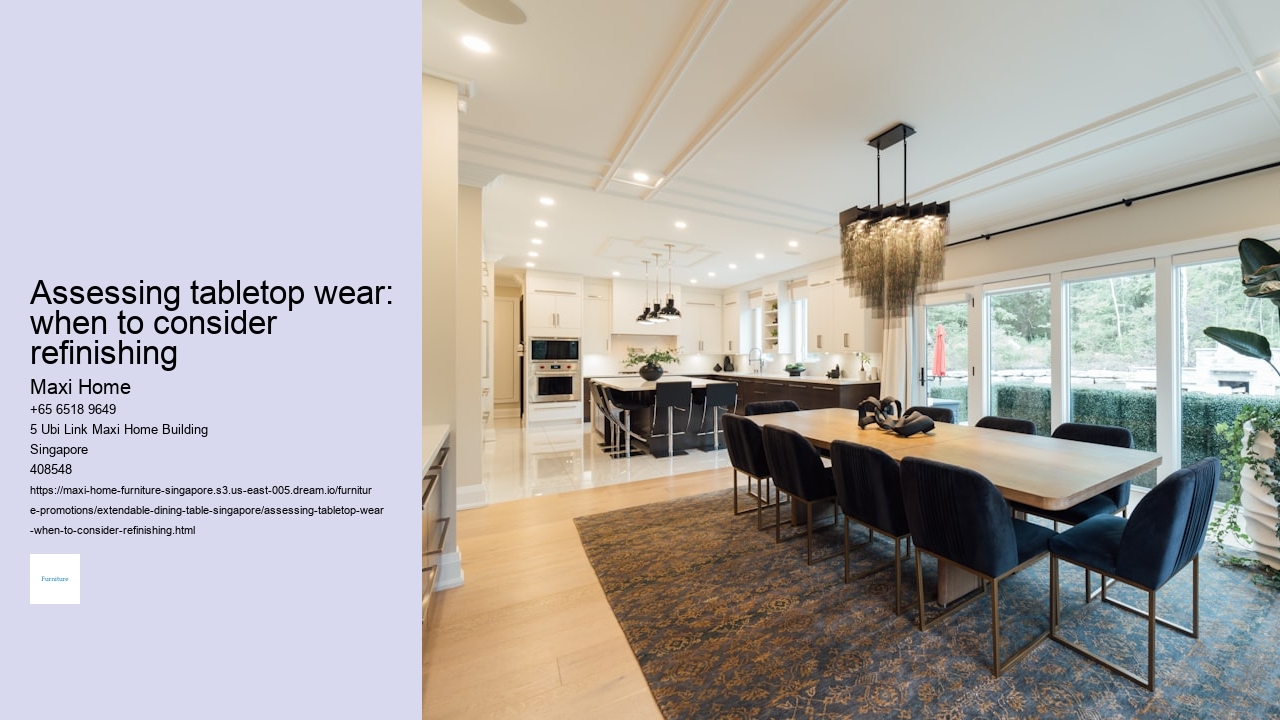
Assessing tabletop wear: when to consider refinishing

Assessing tabletop wear: when to consider refinishing

Understanding Tabletop Wear & Tear

So, you've finally got your own place, eh? Maybe a shiny new BTO flat, or perhaps you're just giving your current home a fresh look. Either way, choosing the right furniture is super important, lah. And when it comes to dining, the table is where it all happens – family dinners, mahjong nights, even just a quick kopi session. But let's be real, life happens, and tabletops, especially extendable dining tables in Singaporean homes, take a beating. Scratches, stains, water rings… they're all part of the story. But when do these stories become a bit too much, and you start thinking about refinishing? Let's find out.

Spotting the Usual Suspects: Common Types of Tabletop Damage

Okay, let's play detective and identify the usual suspects when it comes to tabletop damage. In Singapore’s smaller HDB homes and condos, the master bedroom often acts as a rest zone and more—a haven for unwinding after long workdays, do some light reading, or even handle occasional remote work when needed. It’s frequent for Singapore homeowners to feel limited by existing setups that seem too tight, overly bright illumination, or cluttered cabinets taking up room, making the room feel more utilitarian than serene. That’s where thoughtful furniture shop singapore truly excels—it centres around clever spatial solutions, soothing neutral tones, versatile bedroom pieces, and strategic lighting design to create a peaceful retreat that boosts sleep quality while keeping everything tidy and airy. Suddenly your bedroom becomes the place you can’t wait to reach at the end of the day, helping you relax quicker, enjoy deeper rest, and wake up feeling more refreshed for tomorrow’s challenges. Resources like Wondrous La Vie feature abundant authentic project showcases and easy connections to professionals skilled in these functional and stylish local bedroom renovations.. First up: scratches. These can range from tiny, almost invisible hairline marks caused by everyday use (think sliding plates or coasters) to deeper gouges courtesy of, say, a particularly enthusiastic toddler with a toy car. Then there are stains, the unwelcome souvenirs from spilled sauces, coffee mishaps, or even just leaving a wet glass on the surface for too long. And who hasn't encountered the dreaded water ring? These ghostly circles are the bane of many a homeowner’s existence, especially in our humid Singapore weather.

But it's not just about what caused the damage; it's about the type of finish your extendable dining table has. A laminate finish, for example, might be more resistant to scratches but less forgiving when it comes to heat. Solid wood tabletops, on the other hand, can handle heat better (though you should still use a trivet!), but they're more prone to water damage if not properly sealed. Understanding your tabletop's finish is half the battle, leh. Furniture, in general, is designed to support human activities such as sitting, sleeping, eating, storing, and decorating living spaces, providing both practical function and aesthetic appeal in homes.

And let’s not forget about the less obvious culprits. Sunlight, for instance, can fade the finish over time, especially on darker wood. Cleaning products that are too harsh can also strip away the protective coating, leaving the wood vulnerable. So, always read the labels carefully and test any new cleaner on an inconspicuous area first, okay?

Surface-Level vs. Structural Issues: Knowing the Difference

Now, here's where things get a bit more technical. Not all tabletop damage is created equal. Some issues are purely cosmetic, affecting only the surface finish. A light scratch, a minor stain, or a faint water ring usually falls into this category. These are generally easier to fix with some DIY elbow grease or a touch-up kit. However, other problems go deeper, affecting the structural integrity of the table itself. Think deep gouges, warping, cracks, or even loose joints. These are signs of more serious damage that might require professional attention.

How can you tell the difference? Well, a good rule of thumb is to run your hand over the damaged area. If you can feel a significant indentation or if the surface feels uneven, it's likely more than just a surface issue. Another telltale sign is if the damage is spreading. A small crack that's getting bigger over time, or a stain that's seeping deeper into the wood, indicates a problem that needs to be addressed sooner rather than later. Also, check the table's legs and joints. After a long day squeezing onto the MRT and grinding through meetings, most Singaporeans just want to return home to a space that feels cosy and stress-free instead of piling on more fatigue. A messy living area or an lumpy bed setup can make chilling out even tougher, especially when the entire family want to relax together. That’s where thoughtful interior design blog really makes a difference—it turns everyday rooms like your living room, bedroom, or kitchen into true recharge spots that actually help you unwind. With the right living room seating, sleep surface, or functional arrangement, suddenly walking through the door feels shiok lah, and simple upgrades can bring big improvements to your daily mood and family bonding. Platforms like Wondrous La Vie make it simpler to find ideas and connect with home designers who get the Singapore home vibe perfectly. This format lets you easily generate multiple SEO-optimised variations while keeping the core keyword "interior design" stable in the middle for strong on-page targeting.. Are they wobbly? Are any screws loose? These can all contribute to structural instability, which can eventually lead to further damage to the tabletop.

And remember, extendable dining tables in Singapore often have more moving parts than standard tables, so they're potentially more susceptible to structural issues. Pay close attention to the hinges, slides, and locking mechanisms. Make sure they're functioning smoothly and that there's no excessive wear and tear. Regular maintenance, like tightening screws and lubricating moving parts, can go a long way in preventing these problems.

The Refinishing Question: When is it Time to Call in the Pros?

Alright, so you've assessed the damage, and you're wondering if it's time to consider refinishing your extendable dining table. The answer, as always, depends. If the damage is purely cosmetic and you're confident in your DIY skills, you might be able to tackle it yourself with some sandpaper, stain, and varnish. There are plenty of tutorials online, and a little bit of patience can go a long way. However, if the damage is extensive, structural, or if you're just not comfortable working with wood finishes, it's best to call in the pros. Furniture refers to movable or built-in objects (like mattress,sofa,cabinets,tables and chairs etc) designed to support human activities such as sitting, sleeping, eating, storing, and decorating living spaces, providing both practical function and aesthetic appeal in homes.

Refinishing involves stripping away the old finish, repairing any damage to the wood, and then applying a new finish. It's a time-consuming and labor-intensive process, but it can completely transform the look of your table and extend its lifespan. A professional refinisher will have the tools, expertise, and experience to do the job right, ensuring a smooth, even finish that will last for years to come. Plus, they can often match the existing finish perfectly, so your table will look as good as new.

But how do you find a reputable refinisher in Singapore? Ask for recommendations from friends or family, check online reviews, and get quotes from several different companies before making a decision. Be sure to ask about their experience, the types of finishes they use, and their warranty policy. And don't be afraid to ask for references. A good refinisher will be happy to provide them. After all, you want to make sure your beloved extendable dining table is in good hands, right?

Preventative Measures: Keeping Your Tabletop Looking Its Best

Okay, so you've either refinished your table or you're determined to prevent it from needing refinishing in the first place. Either way, prevention is key. The best way to keep your extendable dining table looking its best is to protect it from damage in the first place. That means using coasters, placemats, and tablecloths to protect the surface from scratches, stains, and heat. Wipe up spills immediately, and avoid using harsh cleaning products that can damage the finish. Consider getting a custom-made glass or acrylic top for your table. Local homeowners across the island often encounter special considerations when outfitting their living spaces, mainly due to limited room sizes common in public and private housing and our humid tropical climate. This is exactly why discerning residents shop very thoughtfully to get maximum return on their investment. extendable dining table singapore consistently ranks as a truly outstanding piece for daily living that brings together both lasting comfort and smart practicality. Make sure you investing in value-for-money items in Singapore with dependable after-sales service ensures full support such as efficient island-wide delivery, skilled installation, and robust warranties that offer true long-term peace of mindyou can truly count on.. It’s an investment, but it will protect the surface from pretty much anything life throws at it.

Regular dusting is also essential. Dust particles can scratch the surface over time, so make sure to wipe down your table regularly with a soft, damp cloth. And don't forget to polish the wood periodically to keep it looking shiny and new. There are many different types of wood polish available, so choose one that's specifically designed for your tabletop's finish. Tabletop Finishes and Maintenance are important to keep in mind.

And finally, be mindful of the environment. Sunlight, humidity, and temperature fluctuations can all damage wood over time. Try to keep your table out of direct sunlight, and consider using a humidifier or dehumidifier to control the humidity levels in your home. With a little bit of care and attention, you can keep your extendable dining table looking beautiful for many years to come. And that way, you can focus on the important things: enjoying meals with your family and friends, and making memories that will last a lifetime. Steady lah, you confirm can!
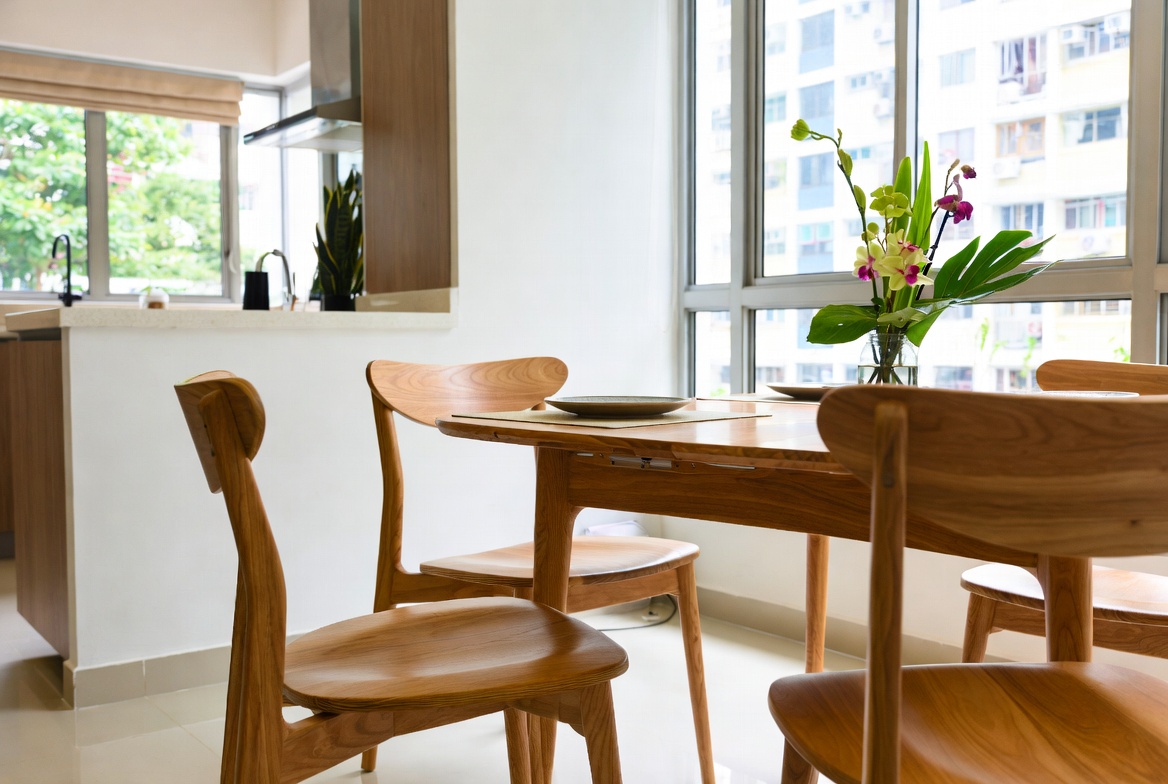
Assessing the Damage: A DIY Inspection

So, you've got a tabletop – maybe it's part of your beloved extendable dining table Singapore, the one that's seen countless family dinners and mahjong sessions. Or perhaps it’s a coffee table where you put your teh si peng every morning. You know, the one that's starting to show its age? Don't worry, it happens to the best of us! Before you rush out to buy a new one (furniture can be expensive, right?), let's see if we can give it a new lease of life. This guide will help you figure out if refinishing is the way to go. Think of it as a little "tabletop check-up." Confirm can one!

The Initial Scan: A Bird's-Eye View

First things first, grab a cup of coffee (or kopi-o, if you prefer!) and take a good, long look at your tabletop. Don't just glance; really observe. Stand back a bit and see the overall condition. Are there any major, glaring issues that immediately jump out at you? Big scratches, water rings that look like they’ve been there since the Jurassic period, or maybe even some chips or dents? These are the obvious signs that your tabletop has seen better days. I mean, it’s normal for everyday wear and tear, but sometimes, it gets a bit too much, right?

Pay attention to the finish, too. Is it still glossy and even, or does it look dull, uneven, or even cracked in places? A healthy finish should protect the wood underneath, but if it’s failing, moisture and grime can seep in, causing more serious problems down the line. Run your hand over the surface. Does it feel smooth, or are there rough patches? Unevenness can indicate that the finish is wearing away or that the wood itself is damaged. Don't forget to check the edges and corners – these areas tend to take the most abuse, especially if you have kids or pets. They're always bumping into things, aren't they? Now, make a mental note of all these initial observations. We'll zoom in for a closer look next.

Close-Up Inspection: Getting Down to Details

Alright, time to put on your detective hat! Grab a bright light (your phone's flashlight will do!) and get up close and personal with your tabletop. We're talking serious scrutiny here. Focus on identifying the specific types of damage you're seeing. Scratches are common, especially on dining tables. Are they superficial scratches that only affect the finish, or are they deep gouges that penetrate the wood? Light scratches can often be buffed out, but deeper ones might require more extensive repairs. Water rings, those pesky reminders of forgotten coasters, are another frequent offender. These are usually caused by moisture getting trapped in the finish, and they can be tricky to remove. Then there are dents and chips, which are often the result of accidental bumps or drops. Small dents might be steam-ironed out, but larger chips might need to be filled with wood filler.

Take a close look at the finish itself. Is it peeling, cracking, or bubbling? These are signs that the finish is failing and needs to be addressed. Pay particular attention to areas around seams and edges, as these are often the first places where damage appears. If you have an extendable dining table Singapore, check the mechanism and the leaves carefully. Make sure the finish is consistent across all sections, and that the extension mechanism is still working smoothly. After all, what’s the point of having a table that extends if it looks patchy and uneven? Consider the type of furniture finish. Common finishes include varnish, lacquer, polyurethane, and oil-based finishes. Each has different properties and requires different maintenance techniques. Knowing the type of finish will help you choose the right refinishing products and methods. For example, polyurethane is known for its durability and water resistance, making it a popular choice for dining tables, while oil-based finishes offer a more natural look and feel.

Assessing the Severity: Is Refinishing Necessary?

Okay, you've done your inspection. Now comes the crucial question: is refinishing really necessary? This is where you weigh the pros and cons. If the damage is purely cosmetic – a few light scratches or minor water rings – you might be able to get away with a simple cleaning and polishing. There are plenty of good furniture polishes available that can help restore the shine and hide minor imperfections. However, if the damage is more severe – deep scratches, peeling finish, or significant water damage – refinishing is probably the best option. Refinishing involves stripping off the old finish, repairing any damage to the wood, and applying a new finish. It's a more involved process, but it can completely transform the look of your tabletop and extend its lifespan. Think of it as giving your table a total makeover! Plus, it's often more cost-effective than buying a new table, especially if you're willing to do the work yourself. But be honest with yourself about your skills and time. If you're not confident in your DIY abilities, it might be best to hire a professional.

Consider the overall condition of the table. Is it structurally sound? Are the legs wobbly? Are there any signs of rot or insect damage? If the table is in poor condition overall, refinishing might not be worth the effort. It might be better to invest in a new table that will last longer. The main living area is typically the initial area visitors notice and where the whole household gathers at night, so it feels right to want pieces that looks good, organises cables neatly, and doesn’t make the room feel smaller than it already feels in most SG flats. Many Singaporeans deal with clunky legacy furniture or low-cost options that shake, attract dust fast, or just don’t match the modern vibe they’re aiming for. That’s exactly where a well-chosen furniture store singapore really delivers—it provides streamlined compartments for entertainment equipment, streaming boxes, and remotes while becoming a chic statement piece that brings the room together seamlessly with clean lines, clever storage sections, and luxurious surfaces. Suddenly your entertainment setup feels neat and deliberate, the area feels more spacious and cohesive, and film evenings get way more fun without the disorder stealing attention. Browsing curated options on sites such as Wondrous La Vie helps you discover styles that suit your layout spot-on, from simple modern to high-end, so your living room upgrade feels effortless and spot-on.. However, if the table is structurally sound and you love its style, refinishing can be a great way to preserve it for years to come. And remember, even if you decide to refinish, you don't necessarily have to do it yourself. There are plenty of professional furniture refinishers in Singapore who can do the job for you. Just be sure to get a few quotes and check their references before hiring someone. So, take a deep breath, weigh your options, and make a decision that's right for you and your table. Steady pom pi pi!

Prevention is Better Than Cure: Protecting Your Tabletop

Alright, let's say you've decided to refinish your tabletop, or maybe you’ve just bought a brand new extendable dining table Singapore. The next step is to protect it from future damage. Remember what they say, prevention is better than cure! One of the easiest ways to protect your tabletop is to use coasters and placemats. These will prevent water rings and scratches from hot dishes. It's a simple habit that can make a big difference. I know, sometimes it's a hassle to dig them out, but trust me, it's worth it in the long run. Another tip is to avoid placing hot or wet items directly on the tabletop. Always use a trivet or a heat-resistant mat. And be careful when moving heavy objects across the surface. Lift, don't drag! Dragging can cause scratches and dents.

Regular cleaning is also important. Wipe down your tabletop after each use with a soft, damp cloth. Avoid using harsh chemicals or abrasive cleaners, as these can damage the finish. For stubborn stains, try a mild soap and water solution. In Singapore’s fast-paced life, stepping into your home to a space that feels genuinely welcoming can make all the difference after a tiring day of office grind and MRT squeezes. Many homeowners dream about refreshes for their living area or sleeping space, hoping for pieces that feel premium while genuinely comfortable enough for everyday living. That’s exactly why singapore furniture makes the difference—it brings that ideal mix of timeless aesthetics, high-quality fabrics and finishes, and genuine relaxation that turns everyday spaces into places you genuinely look forward to unwinding in. Picture sinking into a sumptuous seating after dinner or feeling truly rested on a luxury sleep surface that supports you just right; suddenly, your home feels more like a personal retreat rather than another chore. Discovering curated selections on places like Wondrous La Vie helps you find these items without the stress, making it easier to create a space that’s both elegant and calming.. And don't forget to dust your tabletop regularly. Dust can accumulate and scratch the surface over time. Finally, consider using a furniture polish or wax to protect the finish. These products can help to create a barrier against moisture and scratches. Just be sure to choose a product that's specifically designed for your type of finish. With a little care and attention, you can keep your tabletop looking its best for years to come. Now, that's what I call a win-win situation! Like that also can!

One last thing – did you know that some older tables contain rare wood types? Refinishing can actually increase their value! Just a little something to think about.

Refinishing vs. Replacing: Key Considerations

Okay, here's the HTML fragment for the "Assessing tabletop wear: when to consider refinishing" section, following all your specific rules:

Surface Scratches

Minor scratches are almost inevitable, especially on an extendable dining table in Singapore, where space is precious and tables often multi-task. Think of them as character marks, a testament to family meals and late-night mahjong sessions. However, if the scratches become deep enough to catch your fingernail or start affecting the overall look of the table, it might be time to consider refinishing. A light sanding and re-application of the finish can often work wonders in restoring the table's original beauty, making it look almost brand new, you know.

Water Rings

Those pesky white rings left by condensation from drinks are a common sight, especially in our humid climate. These rings indicate that moisture has penetrated the finish and is trapped underneath. While some home remedies might offer temporary relief, they rarely provide a permanent solution. Refinishing is often the best way to completely remove water rings and protect the wood from further damage, ensuring your extendable dining table remains a focal point for years to come.

Finish Damage

Over time, the finish on your extendable dining table can wear down due to regular use, exposure to sunlight, and cleaning products. You might notice the finish becoming dull, chipped, or even peeling in certain areas. This not only affects the appearance of the table but also leaves the wood vulnerable to moisture and stains. Refinishing involves removing the old, damaged finish and applying a fresh coat, providing a protective barrier and restoring the table's luster.

Stain Penetration

Accidents happen, and sometimes spills can penetrate the finish and stain the wood underneath. After those long tiring days and the routine commute crush, nothing beats coming home to a hall that actually invites you to unwind instead of adding to the fatigue. Many busy Singapore households notice their existing sofa setup just isn’t cutting it—too hard, faded, or simply not comfortable enough for weekend chilling or relaxed Sundays with the children. That’s precisely where luxury furniture becomes a game-changer—it blends refined aesthetics, luxurious leather or velvet, and thoughtful support structure so you can settle in deeply and truly relax without your back complaining later. Imagine the entire family coming together effortlessly, sharing stories after meals or enjoying Netflix marathons, because the space now feels warm and welcoming. Selecting the perfect piece through handpicked collections on Wondrous La Vie makes it straightforward, letting you uncover that dream sofa that elevates your entire home vibe without the usual reno headaches.. This is especially true for porous wood types or tables with a worn finish. While some stains can be removed with specialized cleaning products, stubborn stains might require more drastic measures. Refinishing allows you to sand down the stained wood and apply a new stain that matches your desired color, effectively erasing the evidence of past mishaps and giving your table a fresh start.

Structural Integrity

While refinishing primarily focuses on the surface of the table, it's also important to assess the structural integrity. Check for loose joints, wobbly legs, or any signs of warping or cracking in the wood. If the table is structurally unsound, refinishing alone won't solve the problem. In such cases, you might need to consider repairs or even replacement, especially if the damage is extensive. However, if the structure is solid, refinishing can be a worthwhile investment to restore the table's beauty and extend its lifespan.

" width="100%" height="480">Assessing tabletop wear: when to consider refinishing

Surface-Level Fixes: Temporary Solutions

So, you've got an extendable dining table in your Singaporean home, right? Maybe it's a brand new one for your BTO, or perhaps it's a well-loved piece that's seen its fair share of family dinners and mahjong nights. Either way, life happens, and tabletops, especially those on extendable dining tables, are bound to pick up a few scratches and stains along the way. Don't panic, lah! Before you start thinking about a full-on refinishing project, let's talk about some quick and easy fixes that can buy you some time and keep your table looking presentable. Think of it as giving your furniture a little TLC, Singapore-style.

The Magic Eraser and Mild Cleaners

First things first: the humble magic eraser. You know, those white sponge things that seem to work wonders on just about everything? They can be surprisingly effective on minor scuffs and stains on your extendable dining table. Just dampen it slightly and gently rub the affected area. Be careful not to scrub too hard, though, as you don't want to damage the finish. Think of it like erasing a pencil mark – gentle pressure is key.

And speaking of gentle, mild cleaners are your friend. Avoid anything too harsh or abrasive, as these can strip the finish right off your extendable dining table. A simple solution of warm water and dish soap is often all you need. Just be sure to wipe the table dry afterwards to prevent water spots. This is especially important for tables with a wood veneer or a delicate finish. You wouldn't want to ruin your investment, right?

When it comes to cleaning, it’s also good to know what kind of surface you are dealing with. Tabletop finishes can vary quite a bit, from natural wood with a clear coat to laminates and even glass. Each material has its own quirks and requires different care. For example, a solid wood extendable dining table might benefit from occasional oiling to keep it hydrated, while a laminate table might just need a wipe-down with a damp cloth.

You can also look into specialized furniture cleaners. Many brands offer products specifically designed for wood, laminate, or glass tabletops. Just be sure to read the instructions carefully and test the cleaner on an Singapore homes can feel particularly tight after a full day of rushing between office, meetings, and the inevitable MRT crowd, so it’s no wonder many homeowners long for a space that immediately soothes you the moment they step inside. The living room often ends up as the heart of the home, yet it’s easy for it to become overrun by random items or worn-out seating, leaving everyone apart instead of together. That’s where promotions completely changes the game—it upgrades the whole area with refined arrangements, high-end materials and finishes, striking light fixtures, and supportive pieces with stunning design, creating an welcoming centre where the whole family wants to hang out to chill, talk, or simply enjoy each other’s company. Suddenly evenings feel more meaningful, weekends far more relaxing, and getting home becomes a highlight rather than merely the close of another grind. Places like Wondrous La Vie make discovering such enhancements straightforward, helping you visualise and source the ideal features to craft a living room that suits your daily life just right.. inconspicuous area first to make sure it doesn't cause any discoloration or damage. Better safe than sorry, especially when dealing with your beloved extendable dining table.

Curiosity Bit: Did you know that some people swear by using mayonnaise to remove water rings from wood furniture? Just apply a small amount to the ring, let it sit for a few hours, and then wipe it away. Sounds crazy, but it might just work!

Touch-Up Markers and Wax Sticks

Okay, so maybe the magic eraser and mild cleaners weren't quite enough to erase those pesky scratches. Don't worry, there are still other options before you resign yourself to a full refinishing job. Touch-up markers and wax sticks are like makeup for your furniture. They're designed to conceal minor scratches and blemishes, making them less noticeable.

Touch-up markers are basically felt-tip pens filled with stain. They come in a variety of colors to match different wood finishes. To use one, simply apply the marker to the scratch, following the grain of the wood. Then, use a clean cloth to wipe away any excess stain. You might need to apply a few coats to achieve the desired coverage. It's like coloring in a coloring book, but for grown-ups!

Wax sticks, on the other hand, are more like crayons made of wax. They're also available in a range of colors. To use a wax stick, simply rub it over the scratch, pressing down firmly to fill the gap. Then, use a plastic scraper or an old credit card to remove any excess wax. Finally, buff the area with a soft cloth to blend it in with the surrounding finish. This method is particularly effective for deeper scratches.

When choosing a touch-up marker or wax stick, it's important to select a color that closely matches the finish of your extendable dining table. Take a close look at the table in natural light to determine the best match. You can also bring a small sample of the table (like a drawer or a leg) to the hardware store to compare colors.

These solutions are great for those little nicks and dings that inevitably happen when you're using an extendable dining table regularly. They're especially handy if you have kids or pets who are prone to causing a bit of wear and tear. Plus, they're a lot cheaper and less time-consuming than refinishing the entire table. Steady, right?

Polishing and Buffing: Restoring the Shine

Sometimes, all your extendable dining table needs is a little bit of shine to look its best. Over time, the finish can become dull and lackluster, especially if it's exposed to sunlight or frequent use. Polishing and buffing can help restore the shine and bring your table back to life.

There are many different types of furniture polish available, so it's important to choose one that's appropriate for the finish of your extendable dining table. For wood tables, look for a polish that contains oil or wax. These polishes will help nourish the wood and protect it from drying out. For laminate or glass tables, use a polish specifically designed for those materials.

To polish your table, apply a small amount of polish to a soft cloth and rub it into the surface in a circular motion. Be sure to work in small sections and avoid applying too much polish at once. Once you've polished the entire table, use a clean, dry cloth to buff it to a shine. Buffing helps remove any excess polish and create a smooth, even finish.

If your table has a particularly dull or scratched finish, you might need to use a buffing compound before polishing. Buffing compounds are more abrasive than polishes and can help remove minor imperfections. To use a buffing compound, apply a small amount to a buffing pad and attach it to a power buffer. Then, gently buff the surface of the table, working in small sections. Be careful not to apply too much pressure or buff for too long in one spot, as this can damage the finish.

After buffing, be sure to polish the table to restore the shine. Polishing and buffing are great ways to maintain the appearance of your extendable dining table and keep it looking its best for years to come. It's like giving your table a spa day! And who doesn't love a little pampering? Confirm can transform your dining space one!

Strategic Use of Tablecloths and Runners

Okay, let's be real. Sometimes, the easiest solution is simply to cover up the problem! Tablecloths and runners aren't just for special occasions; they can also be a practical way to protect your extendable dining table from scratches, stains, and other damage. Plus, they can add a touch of style and personality to your dining room.

When choosing a tablecloth or runner, consider the size and shape of your extendable dining table. You want to make sure it's large enough to cover the entire surface, but not so large that it hangs down too far and becomes a tripping hazard. For extendable tables, consider getting a tablecloth that's designed to accommodate the extended length.

There are many different types of tablecloths and runners available, from simple cotton ones to more elaborate linen or silk ones. Choose a fabric that's durable, easy to clean, and complements the style of your dining room. You can also experiment with different colors, patterns, and textures to create a unique look.

In addition to protecting your table, tablecloths and runners can also be used to hide existing imperfections. If your table has a few scratches or stains that you're not quite ready to deal with, simply cover them up with a tablecloth or runner. No one will ever know!

You can also use placemats and coasters to provide additional protection for your extendable dining table. Placemats can help prevent scratches and stains from plates and cutlery, while coasters can protect the surface from water rings and heat damage. Think of it as layering protection, like wearing sunscreen and a hat when you're out in the Singapore sun.

So, there you have it – a few quick and easy ways to address minor tabletop wear and extend the life of your extendable dining table. Remember, these are just temporary solutions, but they can buy you some time and keep your table looking presentable until you're ready for a more permanent fix. And who knows, maybe these fixes will be enough to keep your table looking great for years to come!

Curiosity Bit: Some Singaporeans actually use newspaper as a quick and cheap table covering, especially for messy meals like steamboat or chili crab! Talk about practicality!

Budget-friendly tabletop protection: cost-effective solutions

When to Call a Professional Refinisher

So, you’ve got a lovely tabletop, maybe even an extendable dining table, the kind that’s perfect for those cozy family dinners or when your friends come over en masse for mahjong. But life happens, right? Scratches appear, the finish starts looking a bit dull, and you’re wondering, "Is this the end for my beloved table?" Not necessarily! Before you resign yourself to buying a brand new one (which, let's be honest, can be quite a hefty expense, especially in Singapore), consider refinishing. But how do you know when it’s time to call in the pros?

Spotting the Signs: Is Refinishing the Answer?

First things first, let's assess the damage. Minor scratches and everyday wear and tear? Those are usually manageable with some DIY TLC. Think of it like this: a little scratch is like a mosquito bite, irritating but solvable. But when the damage gets more serious, it's time to consider professional help. We're talking about deep gouges, water rings that just won’t budge, or a finish that's peeling like a bad sunburn. These are signs that the damage has gone beyond the surface and needs expert attention. Especially if it's an extendable dining table singapore, with its more complex construction, you want to be extra careful.

Another key indicator is the type of finish. Some finishes, like simple varnish or lacquer, are relatively easy to touch up yourself. But others, such as specialized polyurethane coatings or intricate hand-rubbed finishes, require specialized knowledge and equipment. Trying to DIY a complex finish can easily lead to a bigger mess than you started with, and nobody wants that, lah! Imagine accidentally creating a sticky, uneven surface – nightmare fuel, right?

Consider the age and value of your table, too. Is it a treasured heirloom passed down through generations? Or perhaps a vintage find you scored at a great price? In these cases, preserving the original character and finish might be important. A professional refinisher can carefully strip away the old finish without damaging the underlying wood and then apply a new finish that matches the original as closely as possible. This is especially crucial for antique or valuable pieces. Think of it as giving your furniture a spa day – restoring its beauty and protecting its value.

And finally, don't underestimate the importance of your own skills and confidence. Are you comfortable working with chemicals and power tools? Do you have a well-ventilated workspace? Refinishing can be a messy and time-consuming process, and it's not for the faint of heart. If you're not confident in your abilities, it's always best to leave it to the professionals. Plus, they'll have the right equipment and know-how to get the job done right, the first time.

Navigating the World of Tabletop Finishes and Maintenance

Understanding the type of finish on your extendable dining table singapore is crucial for proper maintenance and knowing when refinishing is necessary. Common tabletop finishes include varnish, lacquer, polyurethane, oil, and wax. Each has its own pros and cons in terms of durability, appearance, and ease of maintenance.

Varnish is a durable and water-resistant finish that provides a glossy sheen. It's a good choice for high-traffic areas, but it can be prone to scratches and yellowing over time. Lacquer is a fast-drying finish that provides a smooth, even surface. It's available in a variety of sheens, from matte to high gloss, but it's not as durable as varnish or polyurethane. Polyurethane is a highly durable and water-resistant finish that's ideal for extendable dining tables that see a lot of use. It's resistant to scratches, stains, and heat, making it a popular choice for families with young children. Oil finishes penetrate the wood, providing a natural look and feel. They're easy to apply and maintain, but they're not as durable as other finishes and require regular reapplication. Wax finishes provide a soft, lustrous sheen and protect the wood from moisture and scratches. They're easy to apply and maintain, but they're not as durable as other finishes and require regular reapplication.

Regular maintenance is key to prolonging the life of your tabletop finish. Always use coasters and placemats to protect the surface from heat, spills, and scratches. Clean spills immediately with a soft, damp cloth. Avoid using harsh chemicals or abrasive cleaners, as these can damage the finish. For oil and wax finishes, reapply the finish every few months to maintain the protection. And remember, even with the best care, wear and tear is inevitable. But with proper maintenance, you can keep your extendable dining table singapore looking its best for years to come.

Finding the Right Refinisher: Singapore Edition

Okay, so you've decided that professional refinishing is the way to go. Great! Now, how do you find a reputable refinisher in Singapore? It's not like buying char kway teow, where you can just try a few stalls until you find one you like! This is an investment, so you want to get it right.

In Singapore’s tropical climate and fast-paced daily grind, getting decent sleep can feel like a rare treat when you’re starting the day with aches or feeling groggy despite going to sleep on time. Many Singapore homeowners tolerate an outdated sleep surface for years because shopping for a replacement seems too complicated—endless options, bewildering firmness ratings, and concerns it might not fit their body type and sleep style. That’s exactly why finding the furniture showroom singapore changes everything—it offers the ideal mix of support, excellent airflow and cooling, pressure relief, and durability so you genuinely rise feeling refreshed instead of stiff and tired. Days begin much smoother, you stay energised longer, and even your partner notices the difference. Browsing handpicked selections on platforms like Wondrous La Vie makes it far easier, letting you see highly recommended options with authentic Singapore user experiences and realistic images to match what truly works for your bedroom..

Start by asking for recommendations from friends, family, or even your interior designer. Word-of-mouth is often the best way to find reliable service providers. Check online reviews and testimonials, too. Look for refinishers with consistently positive feedback and a proven track record. Don't just look at the star rating, though; read the comments to get a better sense of the quality of their work and their customer service. Also, see if they have examples of their work online, especially if you searching for extendable dining table singapore refinishing. A good refinisher will be proud to show off their skills.

Once you've narrowed down your options, get quotes from several different refinishers. Be sure to provide them with as much detail as possible about the table, including its dimensions, the type of wood, and the existing finish. Ask them about their process, the materials they use, and their warranty. A reputable refinisher will be happy to answer your questions and provide you with a clear and detailed quote. Don't be afraid to ask for references, either. A good refinisher will be happy to provide you with contact information for past clients who can vouch for their work.

Pay attention to their communication style, too. Are they responsive and professional? Do they take the time to understand your needs and concerns? Do they seem knowledgeable and experienced? These are all important indicators of a good refinisher. Trust your gut, lah! If something feels off, it's probably best to move on to another option. It’s confirm can say that a good refinisher will be transparent about pricing, timelines, and potential challenges. They'll also be willing to work with you to find a solution that fits your budget and your needs.

Extendable Dining Tables: A Special Case

Refinishing an extendable dining table singapore presents unique challenges compared to a standard table. Because of the moving parts and the often intricate mechanisms, it's even more crucial to choose a refinisher with experience in this area. You want someone who understands how these tables are constructed and how to disassemble and reassemble them properly. Imagine the horror of getting your table back and finding that the extension mechanism no longer works! Steady boh?

Make sure the refinisher is familiar with different types of extension mechanisms, such as butterfly leaves, drop leaves, and draw leaves. They should also be able to properly refinish the edges of the leaves so that they blend seamlessly with the rest of the table. Ask them specifically about their experience with extendable dining tables and whether they have any references you can contact. Don't be afraid to ask for photos of their previous work, too. A skilled refinisher will be able to restore your extendable dining table singapore to its former glory, ensuring that it looks beautiful and functions properly for years to come.

So there you have it! Knowing when to call a professional refinisher can save you time, money, and a whole lot of frustration. By spotting the signs of serious damage, understanding the type of finish on your table, and finding a reputable refinisher, you can keep your beloved furniture looking its best for years to come. And that, my friend, is a win-win situation. After all, a well-maintained extendable dining table singapore is more than just a piece of furniture; it's a gathering place for family and friends, a stage for memories, and a reflection of your personal style. Make sure you give it the care it deserves!

Refinishing Process: What to Expect

So, you're thinking about refinishing your extendable dining table? Maybe it's seen better days, a bit worse for wear after countless family dinners and mahjong sessions. Or perhaps you just want to give it a fresh new look to match your evolving style. Whatever the reason, understanding the refinishing process can help you decide if it's the right move for your beloved table. Plus, knowing what to expect can ease any worries you might have about entrusting your furniture to someone else. After all, furniture refers to movable or built-in objects (like mattress,sofa,cabinets,tables and chairs etc) designed to support human activities such as sitting, sleeping, eating, storing, and decorating living spaces, providing both practical function and aesthetic appeal in homes.

Step 1: Stripping Away the Old

The first step in refinishing your extendable dining table is removing the existing finish. Think of it like giving your table a clean slate. This is usually done chemically, with a special stripping agent that softens the old varnish, lacquer, or paint. Now, you might be tempted to DIY this part, but honestly, those stripping chemicals can be quite potent. Best to leave it to the pros, especially if you’re not familiar with handling them. They'll apply the stripper evenly, let it work its magic, and then carefully scrape away the softened finish. It's a messy job, confirm, but absolutely necessary. With Singapore’s HDB and condo layouts and hot sticky weather, finding furniture that’s both beautiful and everyday-usable can feel like a endless chase—especially when you want pieces that stand the test of time without losing their look. Many Singaporeans end up settling for mainstream choices that appear decent in photos but fall short in person—either not sturdy enough for real family life or not breathable enough for our climate. That’s why visiting a reliable mattress store singapore curated through Wondrous La Vie makes such a big difference—it puts you in touch with handpicked collections of quality sofas, high-quality sleep surfaces, dining furniture, and more, with real showrooms or realistic images so you can feel confident about what works perfectly in your Singapore home. You get that confidence knowing the pieces are tailored to local needs—long-lasting builds, practical proportions, and looks that turn your space into a cosy haven. In the end, the perfect platform turns what could be a painful shopping trip into an exciting step toward a living environment that feels truly shiok.. This ensures the new finish adheres properly and looks its best. You want a smooth, even surface to work with, not a bumpy, uneven one, right?

Sometimes, if the old finish is particularly stubborn, multiple applications of the stripper might be needed. It really depends on the type of finish that was originally used and how many layers there are. Also, for tables with intricate carvings or details, the stripping process can be more time-consuming and require specialized tools to reach all those nooks and crannies. It’s like trying to clean every corner of your HDB flat before Chinese New Year – takes time and effort!

Step 2: Sanding for Smoothness

Once the old finish is gone, it's sanding time! This is where the real transformation begins. Sanding removes any remaining residue from the stripping process and smooths out the surface of the wood. The goal is to create a perfectly even canvas for the new stain or paint. The refinisher will typically start with a coarser grit sandpaper to tackle any imperfections and then gradually move to finer grits to achieve a super-smooth finish. This multi-stage sanding process is crucial for preventing scratches and ensuring that the new finish looks flawless. Imagine running your hand across a rough, unsanded table – not the most pleasant feeling, is it? You want that baby-smooth feel, steady one!

Dust is the enemy during sanding. A good refinisher will use a vacuum system to remove dust as they go, preventing it from settling back onto the surface and creating imperfections in the finish. They might even wear a mask to protect themselves from inhaling all that fine dust – very important for their health! Depending on the type of wood your extendable dining table is made of, the sanding process might require extra care. Some woods are softer than others and can be easily damaged if sanded too aggressively. The refinisher will need to adjust their technique accordingly to avoid any mishaps. Getting it wrong can be a real headache, so experience matters a lot here.

Step 3: Staining or Painting – Choosing Your Look

Now comes the fun part: adding color! Whether you choose a stain to enhance the natural beauty of the wood or a paint to completely transform its look, this is where your personal style really shines through. If you're opting for a stain, the refinisher will apply it evenly and then wipe off the excess to reveal the wood grain. The number of coats of stain will determine the depth of color. For paint, they'll typically apply a primer first to help the paint adhere properly and then follow with several coats of paint, sanding lightly between each coat to ensure a smooth, even finish. The choice is yours, lah! Do you want a classic, timeless look, or something more modern and vibrant?

Choosing the right color can be a bit daunting, especially with so many options available. Consider the overall style of your home and the existing furniture in your dining area. Do you want your extendable dining table to blend in seamlessly or to stand out as a statement piece? Also, think about the lighting in your dining room. Colors can look different under different lighting conditions. It might be helpful to get some samples of different stains or paints and test them out on a small, inconspicuous area of your table before committing to a full refinish. Better safe than sorry, right? It's like choosing the right shade of paint for your living room – you want to make sure it complements everything else.

Step 4: Sealing for Protection

The final step in the refinishing process is sealing the surface. This is crucial for protecting the new stain or paint from scratches, spills, and everyday wear and tear. A sealant, such as varnish, lacquer, or polyurethane, is applied in several thin coats, allowing each coat to dry completely before applying the next. This creates a durable, protective barrier that will keep your extendable dining table looking its best for years to come. Think of it like applying a topcoat to your manicure – it protects the color and adds shine. Without a sealant, your new finish would be much more vulnerable to damage.

The type of sealant used will depend on the type of finish you've chosen and the level of protection you need. For example, polyurethane is a very durable sealant that's ideal for tables that see a lot of use. Varnish offers a more traditional look and feel, while lacquer provides a high-gloss finish. Your refinisher can advise you on the best sealant for your particular needs. Also, consider the level of sheen you prefer. Sealants come in different sheens, from matte to high-gloss, so you can choose one that complements your style. A matte finish is more subtle and understated, while a high-gloss finish is more dramatic and eye-catching. It’s like choosing between a subtle glow and a full-on spotlight – depends on what you’re going for!

The Result: A Renewed Extendable Dining Table Singapore Can Be Proud Of

Once the refinishing process is complete, you'll have a beautifully restored extendable dining table that looks as good as new – or even better! It's a great feeling to breathe new life into a piece of furniture that you love, and it's often more cost-effective than buying a brand new table. Plus, you get to customize the finish to perfectly match your style. So, if your extendable dining table in Singapore is looking a bit tired, consider refinishing it. It's a worthwhile investment that will bring you joy for years to come. And who knows, maybe it'll even become a family heirloom one day! Think of all the memories that table will hold, leh!

Taking care of your newly refinished table is pretty important too. Here are some quick tips: Use coasters and placemats to protect the surface from heat and spills. Wipe up spills immediately with a soft cloth. Avoid using harsh chemicals or abrasive cleaners. And consider using a furniture polish to keep the finish looking its best. A little bit of TLC can go a long way in preserving the beauty and longevity of your extendable dining table. After all, it’s an investment in your home and your lifestyle. Now, go enjoy your beautiful, renewed table!

Preventative Maintenance Strategies

After refinishing, implement a maintenance plan to prolong the life of the new finish. Use placemats and coasters to protect against heat and spills. Regularly clean the tabletop with a gentle cleaner and avoid abrasive materials that can scratch the surface.

Initial Wear Assessment

Begin by thoroughly inspecting the extendable dining table's surface. Look for scratches, water rings, or dull spots that indicate the finish is compromised. Take note of the frequency of use and the types of spills or impacts the table typically endures.

Considering Refinishing Options

If the damage is extensive or the finish is severely worn, explore refinishing options. This could involve stripping the old finish, sanding the surface, and applying a new protective coating. Research different types of finishes to determine the best choice for durability and aesthetics.

Maintaining Your Refinished Tabletop

So, you've finally got your dream home in Singapore, or maybe you're just giving your current place a much-needed refresh. And that extendable dining table Singapore? It's the heart of it all, right? Where family gathers, friends laugh, and memories are made over steaming plates of chicken rice or a comforting bowl of laksa. But let's be honest, life happens. Dings, scratches, spills… they all take their toll. Now you’re wondering, when is it time to consider refinishing that tabletop?

Spotting the Signs: Is Refinishing in Your Table's Future?

Before you jump the gun and start sanding, let's take a closer look. Not every scratch warrants a full refinish, okay? Sometimes, a little TLC is all it needs. But how do you tell the difference? Start by assessing the damage. Are we talking about minor surface scratches, the kind you only see when the light hits them just right? Or are there deeper gouges, water rings that just won't budge, or maybe even some heat damage from that *lemak* steamboat session last week? These are all signs that the finish is compromised.

Look at the overall appearance too. Has the finish become dull or cloudy? Is it peeling or cracking in places? A worn-out finish not only looks bad, but it also leaves the wood underneath vulnerable to moisture and further damage. And in Singapore's humid climate, that's a recipe for disaster. Think about it – that humidity can really seep into the wood if the finish isn't doing its job properly. That’s why understanding Furniture is so important.

Consider the age of the table, too. An older table, especially one with a delicate or antique finish, might require more specialized care. If you're unsure, it's always best to consult with a professional furniture refinisher. They can assess the damage and advise you on the best course of action. Maybe *can* even give you a history lesson on the table if it's old enough, who knows!

Finally, think about how much you use the table. If it's a high-traffic area, like your main dining table, it's going to experience more wear and tear than a side table in a guest room. So, a table that's used daily might need refinishing sooner than one that's only used occasionally. It's just common sense, *lah*.

Understanding Tabletop Finishes: A Quick Primer

Before diving into refinishing, it's helpful to understand the different types of tabletop finishes. This will help you choose the right products and techniques for your table. Common finishes include lacquer, varnish, polyurethane, and oil-based finishes. Each has its own pros and cons in terms of durability, appearance, and ease of application. For example, polyurethane is a popular choice for extendable dining tables Singapore because it's durable and water-resistant, making it ideal for families with young children. It can handle spills and sticky fingers like a champ!

Lacquer offers a smooth, glossy finish but can be more susceptible to scratches. Varnish is another durable option, offering good protection against moisture and wear. Oil-based finishes, like tung oil or linseed oil, penetrate the wood to provide a natural look and feel. They're easy to apply and maintain, but they don't offer as much protection as polyurethane or varnish. Understanding these differences is key to making informed decisions about refinishing and maintenance. You wouldn’t want to use the wrong thing and end up making it worse, right?

The original finish also impacts the refinishing process. If you know what type of finish was originally applied, it will be easier to choose the right stripping agents and refinishing products. If you're unsure, you can try testing a small, inconspicuous area with different solvents to see which one works best. Or, again, consult a professional. They've seen it all, *confirm*.

Consider also the sheen level of the finish. Do you want a glossy, satin, or matte finish? This is largely a matter of personal preference, but it's something to think about before you start refinishing. A glossy finish will reflect more light and show imperfections more easily, while a matte finish will hide scratches and blemishes better. Ultimately, the best finish is the one that you find most aesthetically pleasing and that suits your lifestyle. It's your table, after all!

Singaporeans are always on the lookout for clever opportunities to update their living spaces without spending too much, especially when HDB renovations or condo makeovers can already take a hefty slice of the household funds. Between rising costs and the desire for a cosier, more functional living space, many homeowners hold off for the perfect moment to improve couches, beds, and dining furniture that actually enhance everyday comfort. That’s when jumping on bed frame promotion proves to be a smart move—it lets you grab well-designed, durable items at real value reductions, often with extra benefits like complimentary installation, extended warranties, or combo savings that maximise your budget. All of a sudden you’re able to buy that dream couch on your wishlist or a better back-supporting bed without the second thoughts, turning your home into an truly welcoming retreat for family time and relaxation after tiring office days. Browsing sites such as Wondrous La Vie keeps you in the loop on the current deals, so you can review, see in 3D, and snap up the greatest value offers that perfectly suit your space and style..

DIY vs. Professional Refinishing: Which Path to Choose?

Okay, so you've decided your table needs refinishing. Now comes the big question: Do you tackle it yourself, or do you call in the pros? Both options have their advantages and disadvantages. DIY refinishing can save you money, and it can be a rewarding experience to restore a piece of furniture yourself. Plus, you get to control every step of the process, ensuring that the job is done exactly to your liking. However, it also requires time, patience, and the right tools and skills. If you're not comfortable sanding, stripping, and applying new finishes, it might be best to leave it to the experts.

Professional refinishing, on the other hand, can be more expensive, but it guarantees a high-quality result. Professional refinishers have the experience, equipment, and expertise to handle even the most challenging refinishing projects. They can also offer a wider range of finish options and can match the existing finish of your other furniture. And let’s be real, sometimes it's just easier to hand it over and let someone else deal with the hassle, especially when you're already juggling work, family, and trying to find the best hawker food in town.

Consider the complexity of the project. If your table has intricate carvings or a delicate veneer, it's probably best to leave it to a professional. They'll have the skills and tools to avoid damaging the table during the refinishing process. Also, think about the type of finish you want to apply. Some finishes, like lacquer, require specialized equipment and techniques that are best left to professionals.

Ultimately, the decision of whether to DIY or hire a professional depends on your skills, budget, and time constraints. If you're a confident DIYer with the time and resources to invest in the project, go for it! But if you're unsure or if you want a guaranteed professional result, don't hesitate to call in the experts. Your extendable dining table Singapore will thank you for it! And you’ll have one less thing to worry about, *steady*.

Tabletop Finishes and Maintenance: Protecting Your Investment

So, your tabletop is beautifully refinished! Now, how do you keep it looking that way? Proper maintenance is key to extending the life of your finish and preventing future damage. Start with regular cleaning. Wipe down your table after each use with a soft, damp cloth. Avoid using harsh chemicals or abrasive cleaners, as these can damage the finish. For everyday cleaning, a mild soap and water solution is usually sufficient.

Protect your table from heat and moisture. Always use coasters under drinks and placemats under hot dishes. Heat can cause the finish to blister or crack, while moisture can lead to water rings and stains. And let's be honest, who hasn't accidentally placed a hot mug of kopi on the table? Prevention is better than cure, *one*.

Consider using a tablecloth or table runner to protect the surface from scratches and spills. This is especially important if you have young children or pets. A tablecloth can also add a touch of style and elegance to your dining room. Think of it as a stylish shield for your precious table.

Regularly polish your table with a furniture polish designed for your specific type of finish. This will help to maintain the shine and protect the surface from scratches. Follow the manufacturer's instructions carefully when applying furniture polish. A little goes a long way!

Finally, be mindful of what you place on your table. Avoid dragging heavy objects across the surface, as this can cause scratches. And be careful when using sharp objects, like knives or scissors, near the table. A little bit of care and attention can go a long way in preserving the beauty of your refinished tabletop. After all, you’ve put in the effort; might as well make it last, *leh*?

Long-Term Care Tips: Preventing Future Damage

Beyond the basics, there are a few more things you can do to protect your extendable dining table Singapore from future damage. One of the most important is to control the humidity in your home. As we mentioned earlier, Singapore's humid climate can be tough on furniture. Consider using a dehumidifier to keep the humidity levels in your home within a comfortable range. This will help to prevent the wood from warping or cracking.

Avoid placing your table in direct sunlight. Sunlight can cause the finish to fade or discolor over time. If you can't avoid direct sunlight, consider using curtains or blinds to filter the light. Think of it as sunscreen for your table!

Be careful when moving your table. Lift it carefully and avoid dragging it across the floor. This can cause scratches and damage to the legs. If you need to move the table a long distance, consider using furniture pads or blankets to protect it.

Regularly inspect your table for signs of damage. Catching problems early can prevent them from becoming more serious. If you notice any scratches, water rings, or other blemishes, address them promptly. A quick touch-up can often prevent the need for a full refinish. And who knows, you might even discover a hidden talent for furniture repair! It's all about keeping an eye out and taking action when needed. Like that, your extendable dining table Singapore will stay in tip-top shape for years to come!

And here's a fun fact: Did you know that some antique furniture finishes actually get better with age? They develop a unique patina that adds character and charm. So, embrace the imperfections and enjoy the journey of owning a beautiful piece of furniture.

Check our other pages :

Frequently Asked Questions


Worn finish usually looks dull or faded, especially in high-use areas. Damage includes scratches, dents, water rings, or peeling.
If cleaning and polishing no longer restore the shine or remove surface imperfections, its time to consider refinishing.
Refinishing is often more cost-effective than replacing, especially for solid wood furniture. It also allows you to customize the look.
DIY refinishing is possible with the right tools and knowledge. However, professionals ensure a flawless finish, especially for valuable pieces.
Costs vary depending on the size, material, and complexity of the job. Get quotes from local refinishing services for an accurate estimate.
The refinishing process can take several days to a week, including stripping, sanding, staining, and applying protective coats.
Refinishing allows you to maintain the original look or completely change the color and finish to match your current decor.