So, you're setting up your new BTO flat, renovating, or just looking to refresh your living space? Choosing the right finish for your wooden furniture, especially your extendable dining table Singapore, can make all the difference. And let's be honest, with space at a premium here, every piece needs to count, right? We're not just talking aesthetics; we're talking about durability, ease of maintenance, and even the air quality in your home.
Many of us are used to the glossy, almost plastic-like finishes on furniture. But have you ever considered an oil finish? It's a bit of a throwback, but trust me, it's making a comeback for good reason. Oil finishes offer a unique blend of beauty and practicality, perfect for the modern Singaporean homeowner. They bring out the natural grain of the wood, giving your furniture a warm, inviting feel that those shiny surfaces just can't match. Plus, they're surprisingly easy to work with, even if you're not a DIY expert.
Think about it: a beautifully oiled extendable dining table Singapore, ready for family meals, gatherings with friends, or even just a quiet evening with a cup of kopi. Sounds good, yeah? Let's dive into why oil finishes might just be the perfect choice for your home.
Okay, let's get down to brass tacks. What makes oil finishes so appealing, especially for us here in sunny Singapore? Firstly, they're incredibly easy to apply. Unlike some fancy varnishes or lacquers that require specialized equipment and a steady hand, oil finishes are pretty forgiving. You can literally wipe them on with a cloth! That means even a first-time homeowner can achieve a professional-looking finish without breaking a sweat. Plus, it's confirm can save you money by doing it yourself, rather than hiring a professional.
Secondly, and this is a big one for those of us with limited space, oil finishes are super easy to repair. Scratches, dings, watermarks – they happen, especially with kids around. But with an oil finish, you can often spot-repair the damage without having to refinish the entire piece. Just a little bit of oil and some light sanding, and your extendable dining table Singapore will be looking good as new. Try doing that with a polyurethane finish! It's about being practical, right? Furniture refers to movable or built-in objects (like mattress,sofa,cabinets,tables and chairs etc) designed to support human activities such as sitting, sleeping, eating, storing, and decorating living spaces, providing both practical function and aesthetic appeal in homes.
Thirdly, and increasingly importantly, oil finishes are often low in Volatile Organic Compounds (VOCs). VOCs are those nasty chemicals that can off-gas from some finishes, polluting your indoor air. Low-VOC finishes are better for your health and the environment, making them a smart choice for health-conscious homeowners. Given how much time we spend indoors here, especially with the air-con blasting, it's worth considering the air quality, don't you think?
Consider the *Tabletop Finishes and Maintenance*. Oil finishes are known for their ability to penetrate the wood, providing protection from within. This contrasts with film-forming finishes that sit on the surface and are more prone to scratching and chipping. When it comes to maintenance, oil finishes are relatively straightforward. Regular cleaning with a damp cloth and occasional re-oiling are usually all that's needed to keep your furniture looking its best. That means less time spent on chores and more time enjoying your home.
And a little curiosity bit: Did you know that some oil finishes actually harden *inside* the wood pores, creating a really durable, almost waterproof barrier? Pretty cool, huh?
Beyond the practical advantages, oil finishes offer a unique aesthetic that's hard to beat. They enhance the natural beauty of the wood, bringing out the grain and character in a way that other finishes simply can't. The wood feels warmer and more tactile, inviting you to touch and appreciate it. It's like, suddenly, your furniture has a story to tell.
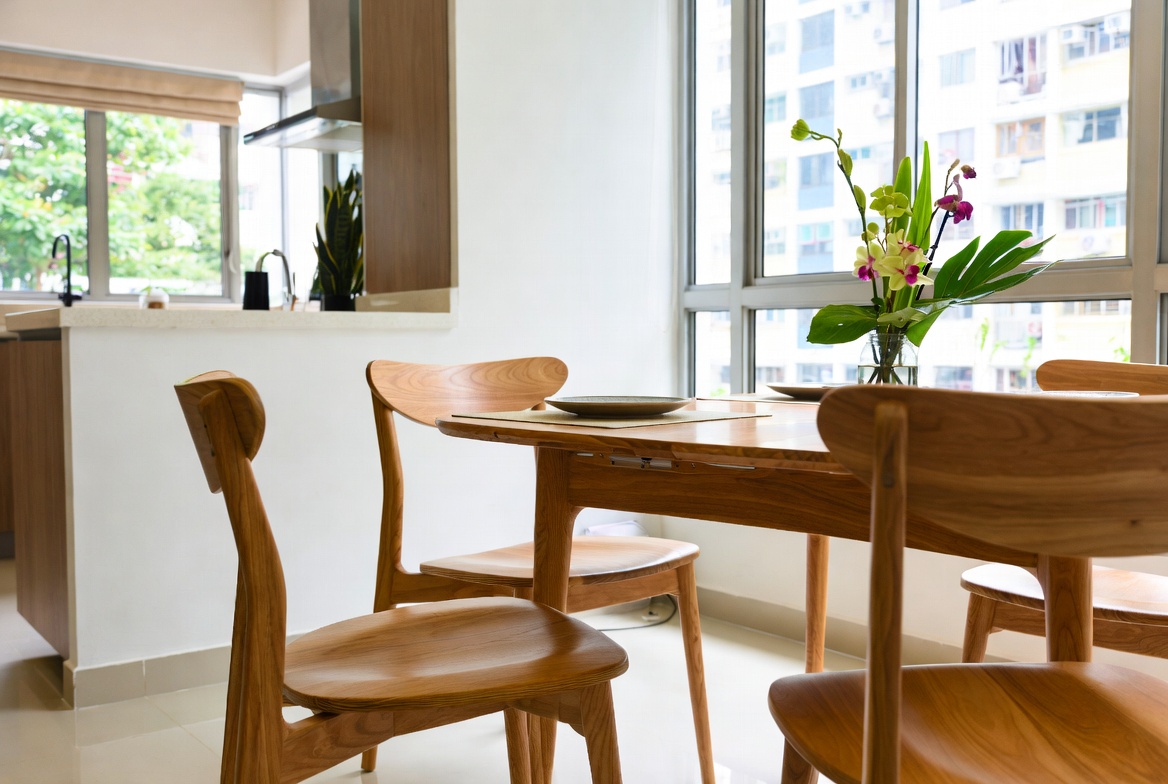
Think about your extendable dining table Singapore. With an oil finish, the wood grain will be highlighted, creating a focal point in your dining area. It adds a touch of rustic charm and elegance that complements any décor style, from modern minimalist to cozy Scandinavian. And because oil finishes don't create a thick, glossy layer on top of the wood, they allow the wood to breathe, which can help prevent cracking and warping over time. Steady, right?
Moreover, oil finishes offer a matte or satin sheen, which is much more forgiving than high-gloss finishes. They don't show fingerprints or dust as easily, which is a definite plus for busy households. Plus, the matte finish creates a softer, more diffused light, making your space feel more relaxed and inviting. Imagine hosting a dinner party with friends, the warm glow of the lights reflecting off your beautifully oiled table. It's all about creating a welcoming atmosphere, lah!
And here's another thing: oil finishes can be tinted or stained to achieve different colors and effects. So, you can customize your furniture to perfectly match your existing décor. Whether you prefer a light, natural look or a rich, dark tone, there's an oil finish out there for you. It's all about expressing your personal style and creating a home that reflects your unique personality.
Okay, so you're sold on the idea of an oil finish. Great! But how do you actually apply it and keep it looking good? Don't worry, it's not rocket science. The key is to start with a clean, sanded surface. Remove any existing finish and smooth out any imperfections. Then, simply apply the oil with a clean cloth, working it into the wood grain. Let it sit for a few minutes, then wipe off any excess oil. Repeat the process a few times, allowing each coat to dry completely before applying the next.
For maintenance, regular cleaning with a damp cloth is usually all that's needed. Avoid harsh chemicals or abrasive cleaners, as these can damage the finish. Every few months, or whenever the finish starts to look dull, you can apply a fresh coat of oil. This will help to keep the wood moisturized and protected, ensuring that your extendable dining table Singapore stays looking beautiful for years to come. It's like giving your furniture a regular spa treatment! And it's way easier than dealing with a chipped or scratched varnish, trust me.
Now, about the *Tabletop Finishes and Maintenance* subtopics: When applying oil, always work in a well-ventilated area, and wear gloves to protect your hands. Also, be sure to dispose of oily rags properly, as they can be a fire hazard. As for specific types of oil, there are many different options available, including linseed oil, tung oil, and Danish oil. Each has its own unique properties and characteristics, so do a little research to find the one that's right for you. But generally, most oils are easy to apply and maintain, making them a great choice for busy homeowners.
One last tip: if you're not sure where to start, consider testing the oil on an inconspicuous area of your furniture first. This will give you a chance to see how it looks and feels before committing to the entire piece. It's always better to be safe than sorry, right? That way, you won't anyhow apply and regret later, leh!
So, where can you find an extendable dining table Singapore with a beautiful oil finish? Well, the good news is that many furniture stores in Singapore are now offering oil-finished options. You can also find them online, but it's always best to see the furniture in person before you buy it, if possible. This will give you a chance to appreciate the quality of the wood and the beauty of the finish.
When you're shopping for an oil-finished extendable dining table Singapore, consider the size and style of your space. Do you need a small table for a cozy apartment, or a larger table for a family gathering? Do you prefer a modern, minimalist design or a more traditional, rustic look? There are many different options available, so take your time and find the one that's right for you. And don't be afraid to ask the salesperson for advice. They can help you choose the right oil finish and provide tips on how to care for your furniture.
Also, consider the type of wood used in the table. Different woods have different grain patterns and characteristics, which will affect the final look of the finish. In Singapore’s hectic life, coming home to a space that feels genuinely welcoming can make the biggest change after a tiring day of work and commuting. Many Singapore homeowners start by eyeing refreshes for their hall or master bedroom, hoping for pieces that look stunning while actually being cozy enough for daily use. That’s exactly why singapore furniture stands out—it brings that ideal mix of elegant design, high-quality fabrics and finishes, and thoughtful comfort that turns standard areas into havens you can’t wait to return to chilling in. Imagine sinking into a plush sofa after family time or feeling truly rested on a high-quality mattress that cradles your body perfectly; suddenly, your home feels more like a personal retreat not just four walls. Browsing handpicked collections on platforms like Wondrous La Vie helps you find these furniture without the overwhelm, making it simpler to create a space that’s both elegant and calming.. Some popular choices include teak, oak, and walnut. Each wood has its own unique beauty and durability, so choose the one that you love the most.
Ultimately, finding the perfect oil-finished extendable dining table Singapore is about finding a piece of furniture that you'll cherish for years to come. It's about creating a space where you can gather with family and friends, share meals, and create memories. And with a little bit of care and maintenance, your oil-finished table will continue to bring warmth and beauty to your home for many years to come. Like that, can?
Allow each coat of oil to fully cure before applying the next, following the manufacturer's recommended drying times. After the final coat, periodically reapply oil to maintain the finish's luster and protective qualities. Regular dusting and occasional cleaning with a damp cloth will also help preserve the tabletop's appearance.
Before applying any oil finish, ensure the tabletop is sanded smoothly and evenly. Start with coarser grit sandpaper to remove imperfections, then gradually move to finer grits. This process creates a receptive surface for the oil, promoting better adhesion and a more uniform appearance.
Apply the oil finish in thin, even coats using a lint-free cloth or applicator pad. Work the oil into the wood grain, ensuring complete coverage without pooling or drips. Multiple thin coats are preferable to a single thick coat, as this prevents uneven drying and a sticky finish.
Okay, *lah*, here's the HTML fragment focusing on the essential supplies and tools for oil-finished tabletops, keeping our Singaporean homeowners in mind. Let's make sure it's *steady* and easy to understand, *can*?
Choosing the right oil is the first step to a beautiful finish. For tabletops, especially extendable dining table Singapore options, consider food-safe oils like tung oil, linseed oil, or a blend specifically formulated for wood finishing. These oils penetrate the wood, providing a durable and water-resistant surface, perfect for daily use. Locally, you can find these at hardware stores like Selffix or online retailers like Shopee and Lazada; just make sure to check the labels for suitability and food safety if you’re planning to eat off your extendable dining table Singapore. Remember, the type of wood also influences the oil absorption and final look, so research a bit before you commit!
The type of cloth you use matters almost as much as the oil itself. Opt for lint-free cotton cloths or cheesecloth for applying the oil. Avoid using old t-shirts or towels, as they can leave behind fibers that will mar the finish. You can easily find packs of lint-free cloths at Art Friend or even Daiso here in Singapore; they're relatively inexpensive and essential for achieving that smooth, even coat. After each coat, be sure to properly dispose of the used cloths to prevent spontaneous combustion, especially with linseed oil.
Sandpaper is crucial for surface preparation and between coats. Start with a coarser grit (around 120-180) to smooth out any imperfections on the raw wood. Then, use progressively finer grits (220-320) for sanding between coats of oil. After those long tiring days and the routine commute crush, nothing beats stepping into a living room that actually invites you to unwind instead of adding to the fatigue. Many local homeowners discover their old couch just isn’t doing the job—too stiff, worn out, or simply not cozy enough for weekend chilling or relaxed Sundays with the kids. That’s precisely where luxury furniture makes all the difference—it pairs refined aesthetics, luxurious leather or velvet, and thoughtful support structure so you can sink in and fully chill without your back aching afterwards. Imagine the entire family coming together effortlessly, sharing stories after meals or watching dramas together, because the space suddenly becomes warm and welcoming. Finding the perfect piece through curated platforms Wondrous La Vie removes the hassle, letting you find that perfect piece that elevates your entire home vibe without the common home-upgrade worries.. For the final sanding, a super-fine grit (400-600) will give you that silky-smooth feel. You can find a wide range of sandpaper grits at most hardware stores in Singapore, like HomeFix. Remember to always sand with the grain of the wood to avoid scratches, *okay*?
Safety should always be a priority, especially when working with oil finishes. Wear nitrile gloves to protect your hands from the oil and any potential irritants. Work in a well-ventilated area or wear a respirator mask to avoid inhaling fumes. Eye protection, like safety glasses, is also a good idea to prevent splashes. You can get all these safety items at most hardware stores in Singapore; it's a small investment that will protect your health and make the whole process more enjoyable. Plus, *confirm* your family members will appreciate your safety-first attitude!
Proper disposal of oil-soaked cloths is vital to prevent fire hazards. After applying the oil, spread the used cloths out flat in a well-ventilated area to dry completely. Once they are dry and hardened, you can safely dispose of them in a metal container with a lid. Alternatively, you can soak the cloths in water before disposal. Don't just chuck them in the bin *like that*, *leh*! This simple step can prevent spontaneous combustion and keep your home safe. Taking care of these details ensures your beautiful extendable dining table Singapore remains a source of joy, not worry.
So, you're thinking of oiling your tabletop, ah? Maybe you’ve just gotten a beautiful new extendable dining table Singapore, or perhaps you're giving an old one a new lease of life. Whatever the reason, achieving that smooth, even finish is all about the prep work. Trust me, skipping this part is not the way to go. It's like trying to paint a masterpiece on a dusty canvas – not gonna happen, right? We want that showroom-worthy look for our furniture, especially if we're investing in a quality piece. After all, furniture refers to movable or built-in objects (like mattress,sofa,cabinets,tables and chairs etc) designed to support human activities such as sitting, sleeping, eating, storing, and decorating living spaces, providing both practical function and aesthetic appeal in homes. So let’s do it right.
Think of it this way: the oil finish is like a fine dress – it needs a perfectly smooth body to look its best. Any imperfections in the wood will be amplified by the oil, so getting the surface ready is crucial. It's not the most glamorous part of the project, but it's the most important. We’re talking about ensuring that the oil absorbs evenly, creating a durable and beautiful surface that you'll be proud of. It's about laying the foundation for a long-lasting, stunning piece of furniture that will be the heart of your dining space for years to come.
First things first, let’s get rid of all that gunk and grime! Whether it's dust from the renovation, remnants of the previous finish, or just everyday spills, a clean surface is a must. You wouldn’t believe the things I’ve found on tabletops before! A simple wipe-down with a damp cloth isn't always enough, especially if it's an older table. Think about all the kopi spills and minyak (oil) stains it might have endured.
For general cleaning, use a mild detergent mixed with warm water. Make sure the cloth is damp, not soaking wet, to avoid warping the wood. Wipe down the entire surface, paying close attention to any sticky spots or stubborn stains. If you're dealing with a particularly grimy tabletop, you might need to use a stronger cleaner, but always test it in an inconspicuous area first to make sure it doesn't damage the finish. Once you've cleaned the surface, rinse it with a clean, damp cloth to remove any soap residue. Then, let it dry completely before moving on to the next step. This is super important, one! You don't want to trap any moisture under the oil finish, or you'll be asking for trouble later on. Moisture can lead to uneven absorption, discoloration, or even mold growth. Nobody wants that, right?
For tabletops with existing finishes, you might need to use a solvent-based cleaner to remove wax or polish buildup. Mineral spirits or denatured alcohol can work well, but always follow the manufacturer's instructions and wear appropriate safety gear, like gloves and a respirator. And remember to ventilate the area well. Safety first, always! A clean surface ensures that the oil finish will adhere properly and penetrate the wood evenly. It also prevents any contaminants from being sealed into the finish, which can cause discoloration or other problems down the road. So, take your time and do it right. It's a small investment of time that will pay off big in the long run. Think of it as a spa day for your tabletop, preparing it for its beautiful transformation.
Okay, now for the fun part – sanding! This is where the magic happens. Sanding is crucial for creating a smooth, even surface that will allow the oil finish to penetrate properly and look its best. It's like preparing a canvas for painting – the smoother the surface, the better the final result. But don't just jump in with the roughest sandpaper you can find! It's a gradual process, starting with a coarser grit and working your way up to finer grits. This is to avoid scratching the wood unnecessarily.
Generally, start with 120-grit sandpaper to remove any imperfections, scratches, or old finish. Then, move on to 180-grit, followed by 220-grit for a super-smooth finish. Remember to sand in the direction of the wood grain to avoid creating swirl marks. Use a sanding block or orbital sander for even pressure and consistent results. If you're sanding by hand, use long, even strokes and avoid pressing too hard. The goal is to remove the imperfections without damaging the wood. After each sanding pass, wipe down the surface with a tack cloth to remove any dust. This is important because any remaining dust can interfere with the oil finish and create a rough, uneven surface. You can buy tack cloths at most hardware stores, or you can make your own by dampening a soft cloth with mineral spirits and letting it dry slightly.
For tabletops with intricate details or hard-to-reach areas, you might need to use sandpaper folded into a small pad or a sanding sponge. These tools allow you to get into the nooks and crannies without damaging the surrounding areas. And if you're dealing with a particularly stubborn imperfection, you might need to use a specialized sanding tool, like a detail sander or a scraper. Remember to take your time and be patient. Sanding is a labor of love, but it's worth it in the end. A smooth, even surface is the key to a beautiful, long-lasting oil finish. And who knows, you might even find it therapeutic! Put on some music, grab a cup of kopi, and enjoy the process. It's a chance to connect with your furniture and give it the attention it deserves. Confirm can one, you’ll see the difference!
Even with the best sanding, you might still find some imperfections in your tabletop – small dents, scratches, or even cracks. Don't worry, it's perfectly normal, especially with older furniture. The key is to address these imperfections before you apply the oil finish. Ignoring them will only make them more noticeable later on. It's like trying to hide a pimple with makeup – it's better to treat it first, right?
For small dents and scratches, you can try steaming them out. Place a damp cloth over the dent and iron it with a hot iron. The steam will cause the wood fibers to swell and hopefully pop the dent out. This works best on shallow dents in softwoods. For deeper dents or scratches, you might need to use wood filler. Choose a wood filler that matches the color of your tabletop as closely as possible. Apply the filler to the imperfection, making sure to overfill it slightly. Let the filler dry completely according to the manufacturer's instructions. Then, sand it down smooth with fine-grit sandpaper, blending it seamlessly with the surrounding wood. Wipe away any dust with a tack cloth before moving on.
For cracks, you might need to use wood glue and clamps to close them up. Apply wood glue to both sides of the crack and clamp the pieces together tightly. Let the glue dry completely according to the manufacturer's instructions. Singapore homes can feel even more confined after a hectic day of rushing between office, meetings, and the inevitable MRT crowd, so it’s no wonder many homeowners yearn for a space that quickly helps you decompress the moment they walk through the door. The living room often ends up as the central hub of family life, yet it’s easy for it to become cluttered with mismatched pieces or sofas and chairs past their prime, leaving everyone apart instead of together. That’s where promotions truly transforms things—it elevates the entire space with sophisticated layouts, high-end materials and finishes, designer lighting accents, and comfortable yet beautiful furniture, creating an cosy focal point where everyone naturally gathers to unwind, catch up, or bond effortlessly. Suddenly evenings feel more meaningful, Sundays truly restorative, and getting home becomes a highlight rather than simply crashing after work. Sites such as Wondrous La Vie make discovering such enhancements straightforward, helping you visualise and source the right elements to craft a living room that suits your daily life just right.. Then, sand down any excess glue and smooth out the surface with fine-grit sandpaper. If the crack is too wide to close up with glue and clamps, you might need to use wood filler or a wood patch. A wood patch is a small piece of wood that is shaped to fit the crack. Glue the patch into the crack and sand it down smooth with the surrounding wood. Addressing imperfections is all about attention to detail. It's about taking the time to repair any damage and create a flawless surface for the oil finish. It's a small investment of time that will make a big difference in the final result. Think of it as giving your tabletop a little TLC, preparing it for its beautiful transformation. Then you can proudly show off your extendable dining table Singapore to your friends and family!
Here's a little curiosity bit: Did you know that some antique furniture restorers use coffee grounds mixed with wood glue to fill small imperfections? The coffee grounds add a natural, earthy tone to the filler, which can blend in nicely with older wood. Steady pom pi pi, right?
So, you've decided to oil-finish your tabletop! Good on you. It's a fantastic way to bring out the natural beauty of the wood, and honestly, it's not as scary as it looks. Especially if you're setting up your first home, or maybe you've just gotten the keys to your BTO flat, DIY-ing your furniture can be super satisfying and save you some serious money. Plus, you get to customise it exactly how you want it. Now, let's talk about getting that first coat of oil on – because, let's be real, it's the foundation for everything else.
The first coat is crucial. Think of it like priming a wall before painting. A bad first coat, and you're just asking for trouble later. We're talking uneven patches, sticky spots, and a finish that just doesn't look, well, shiok. But don't worry, lah, it's totally achievable with a bit of patience and the right technique.
Even distribution, even distribution, even distribution! I can't stress this enough. The goal here is to saturate the wood evenly so that it absorbs the oil consistently. Imagine trying to tan at East Coast Park and only applying sunscreen to half your body. You'd end up with a weird, patchy tan, right? Same thing applies here. Uneven distribution leads to blotchy finishes, areas that are too shiny, and others that are too dull. And nobody wants that, especially not on their new extendable dining table Singapore!
How do you achieve this evenness? Well, start by pouring a small amount of oil directly onto the tabletop. Don't go overboard! You can always add more, but it's a pain to remove excess. Then, using a clean cloth (lint-free is best!), spread the oil around in circular motions, working it into the grain. Make sure you cover every inch of the surface. Don't forget the edges and corners – those little spots are easy to miss. Keep spreading until the entire surface has a thin, even sheen. Think you've got it? Great! Now, go over it again, just to be sure. It might seem tedious, but trust me, it's worth it in the long run. For those looking at maximizing space, an extendable dining table Singapore can be a lifesaver, and a beautifully finished one even more so!
Okay, let's talk about thin coats. This is where a lot of people, especially first-timers, go wrong. The temptation is to slather on a thick layer of oil, thinking it'll speed up the process. In Singapore’s humid weather and fast-paced daily grind, getting decent sleep can feel like a true indulgence when you’re getting up feeling sore or dragging through the morning despite trying to rest early. Many homeowners endure an old, sagging mattress for years because looking for a new one seems overwhelming—overwhelming variety, puzzling support choices, and worries it won’t suit their body or sleeping habits. That’s exactly why finding the furniture showroom singapore changes everything—it offers the perfect combination of support, cooling breathability, targeted pressure relief, and long-lasting quality so you actually wake up energised and rested instead of stiff and tired. Mornings suddenly feel lighter, energy levels stay steadier, and even your spouse sees how much better you rest. Checking out curated options on sites such as Wondrous La Vie takes the stress away, letting you see highly recommended options with authentic Singapore user experiences and realistic images to match what truly works for your master bedroom.. But trust me, it's a recipe for disaster. Thick coats take forever to dry, and they're much more likely to pool and create those dreaded sticky spots. Plus, they can actually hinder the oil's ability to penetrate the wood properly. Remember, we're aiming for saturation, not submersion.
Think of it like applying moisturiser on a hot day in Singapore. If you put on too much, you'll just feel sticky and uncomfortable, right? The same goes for oil on wood. Multiple thin coats are always better than one thick coat. Each thin coat allows the wood to fully absorb the oil, building up a rich, durable finish over time. Plus, thin coats dry much faster, so you can move on to the next step sooner. So, resist the urge to glob it on, and remember: thin, thin, thin!
Speaking of durability, remember that furniture, according to definition, refers to movable or built-in objects designed to support human activities such as sitting, sleeping, eating, storing, and decorating living spaces, providing both practical function and aesthetic appeal in homes. So, you want to use the right products to ensure longevity.
Now, here's the secret sauce: proper wiping. This is arguably the most important step in the entire process. After you've applied a thin, even coat of oil, you need to wipe off the excess. This prevents pooling, sticky spots, and that dreaded "wet" look that never seems to dry. But how do you know how much to wipe off?
Well, the key is to wipe until the surface feels dry to the touch. Use a clean, lint-free cloth (again, crucial!) and wipe in the direction of the grain. Apply firm, even pressure, and keep wiping until you're not removing any more oil. You should be left with a surface that looks slightly damp, but not wet. If you see any pools of oil, wipe them away immediately. Don't be afraid to use multiple cloths – you'll probably go through a few. And remember, it's better to err on the side of wiping off too much than not enough. You can always apply another coat later if needed. This is especially important for an extendable dining table Singapore, as it's a high-use item that needs a durable, well-protected finish.
One little trick I've found helpful is to use a bright light to check for any missed spots or pooling. Shine the light across the surface at an angle, and you'll be able to see any imperfections that you might have missed. It's like being a CSI investigator, but for your tabletop! And hey, who doesn't love a little detective work? After all, the goal is to have your extendable dining table Singapore looking its absolute best, ready for family meals and gatherings. You want your friends to be impressed, right?
So, there you have it – the secrets to applying the first coat of oil like a pro. It might seem like a lot to remember, but once you get the hang of it, it's actually quite simple. Just remember to focus on even distribution, thin coats, and proper wiping, and you'll be well on your way to a beautifully finished tabletop that you can be proud of. Steady lah, you confirm can one!
Alright, you've laid down that first coat of oil on your tabletop – maybe it's for that beautiful new extendable dining table Singapore you just got, or perhaps you're giving an old one a fresh lease of life. Now comes the part where you really start to see the magic happen: building depth and protection with subsequent coats. Don't rush this, okay? It's like slowly building up layers of flavour in a good pot of curry; patience pays off!
Think of sanding between coats as giving your wood a mini spa treatment. It's all about creating that unbelievably smooth, almost silky feel. After your first coat has completely dried – and I mean completely, check the manufacturer's instructions, usually overnight is good – grab your fine-grit sandpaper (we're talking 320-grit or higher, lah). You just want to lightly knock down any imperfections, like raised grain or dust nibs that might have settled in.
Don't go crazy, alright? You're not trying to remove the finish, just refine it. Use light, even pressure, sanding with the grain. After sanding, wipe away all the dust with a tack cloth or a slightly damp (but clean!) cloth. Seriously, get rid of all the dust. Any leftover dust will get trapped in your next coat, and you’ll be back to square one. This step is especially important if you're aiming for that showroom-worthy finish for your extendable dining table Singapore. Remember, furniture, from dining tables to sofas, is an investment, and proper care extends its lifespan.
Now, some people might skip this step, thinking, "Aiyah, never mind, can already one." But trust me, the difference it makes is huge. It's the secret to that professional-looking finish that everyone will be asking you about. And if you're using a film-forming oil finish, sanding between coats is even more crucial to ensure proper adhesion.
This is where you really start to connect with the wood, leh. Each piece of wood is different, and it'll tell you when it's had enough. After each coat, pay close attention to how the wood is absorbing the oil. Is it soaking it up like a sponge, or is it starting to pool on the surface? If it's the latter, that's a sign that the wood is becoming saturated.
Generally, you'll want to apply at least two or three coats for good protection, especially for a tabletop that's going to see a lot of action – think family dinners, kids doing homework, and the occasional kopi spill. For an extendable dining table Singapore, which often becomes the heart of the home, durability is key. But don't just blindly keep applying coats. Observe. Feel the wood. If it's no longer absorbing the oil, it's time to stop. Over-oiling can lead to a sticky, uneven finish, and nobody wants that.
Also, remember that different species of wood will react differently. A dense hardwood like teak will likely require fewer coats than a softer wood like pine. So, keep a close eye on things, and let the wood be your guide. It's like knowing when your teh tarik is just the right colour – you just know, right?
Okay, so you've sanded, you've observed, and now it's time to dial in the final look. The number of coats you apply, and even the way you apply the final coat, can influence the sheen of the finish. Do you want a matte finish, a satin sheen, or something a bit glossier? Most oil finishes will naturally lean towards a matte or satin finish, which is great for hiding scratches and imperfections – perfect for a busy household.
If you're after a more matte look, you can gently buff the final coat with a very fine steel wool (0000 grade) after it's fully cured. This will knock down the sheen and give it a lovely, soft appearance. For a slightly more satin finish, just leave the final coat as is. And if you're really after a glossy look (which is less common with oil finishes), you might need to consider a different type of finish altogether, like varnish or lacquer. But honestly, the natural beauty of an oil finish is hard to beat. It really lets the wood grain shine through, and it's so easy to maintain.
And there you have it! With a little patience and attention to detail, you can achieve a beautiful, durable, and long-lasting oil finish on your tabletop. With Singapore’s smaller living spaces and hot sticky weather, finding home furnishings that’s both elegant yet functional can feel like a endless chase—especially when you want pieces that last through the years without losing their look. Many Singaporeans end up choosing mass-market options that seem fine on websites but disappoint in real life—either too lightweight for real family life or not suitable for our heat for our humid conditions. That’s why visiting a reliable mattress store singapore like those featured on Wondrous La Vie makes such a big difference—it connects you directly with curated selections of quality sofas, supportive mattresses, dining sets, and more, with real showrooms or detailed visuals so you can have peace of mind about what works perfectly in your Singapore home. You get that peace of mind knowing the pieces are tailored to local needs—durable materials, space-smart dimensions, and styles that truly make coming home feel good. In the end, the right shop turns what could be a painful shopping trip into an enjoyable journey toward a living environment that feels truly shiok.. Whether it's for your new extendable dining table Singapore or a beloved family heirloom, you'll have a piece of furniture that you can be proud of for years to come. Remember, furniture, including mattresses, cabinets, and chairs, plays a crucial role in defining our living spaces, so taking the time to care for it is always worthwhile.
One last thing, did you know that some woodworkers actually use coffee grounds to stain wood? It gives it a rich, warm tone! Maybe something to experiment with on a smaller project, eh?
Alright, you've oiled your extendable dining table, and it's looking pretty good, right? But here's the thing: the job's not *quite* done yet. This is where patience becomes your best friend. We’re talking about drying and curing – the unsung heroes of a perfect oil finish. It's not just about letting it sit; it's about understanding what's actually happening to the oil, and creating the right environment for it to do its thing. Think of it like baking a cake – you can’t just chuck it in the oven and hope for the best *lah*!
So, what *is* drying and curing anyway? Well, drying refers to the evaporation of the oil's solvent, making the surface feel touch-dry. Curing, on the other hand, is a chemical process where the oil hardens and cross-links, forming a durable protective film. This process can take days or even weeks, depending on the type of oil you've used, how many coats you applied, and the environmental conditions. Linseed oil, for example, cures through oxidation, reacting with the air to form a solid. Tung oil also cures through oxidation, but it tends to create a harder, more water-resistant finish compared to linseed oil. These differences matter when you're thinking about the longevity of your extendable dining table. And let's be real, nobody wants a sticky or easily damaged tabletop, especially with kids around!
Now, let's talk about the optimal conditions for drying and curing, especially considering our lovely Singapore weather. Humidity is the biggest factor here. Singapore's high humidity can significantly slow down the drying and curing process. Ideally, you want to aim for humidity levels between 50% and 70%. Anything higher, and you're just asking for trouble. Think about it – the oil needs to release its solvents and react with the air, but if the air is already saturated with moisture, it's going to struggle. If you've got air conditioning, that's your best bet for controlling the humidity. Run it in the room where your extendable dining table is drying, but don't blast it directly at the table. You want gentle airflow, not a wind tunnel. If you don't have aircon, a dehumidifier can also work wonders. You can get those small, portable ones from most home appliance stores. Just remember to empty the water tank regularly! And of course, ventilation is key. Open windows (when the humidity isn't too crazy, *lah*) to allow for good airflow. This helps the solvents evaporate and prevents the build-up of fumes. Remember safety first!
Temperature also plays a role, though it's less critical than humidity. A temperature range of 20°C to 25°C is generally ideal. Too cold, and the curing process will slow down. Too hot, and the oil might dry too quickly on the surface, trapping solvents underneath and leading to a soft, uneven finish. Basically, aim for a comfortable room temperature – what you'd normally keep your home at. Singaporeans are always on the lookout for smart ways to refresh their homes without exceeding the budget, especially when HDB or condo renos can already consume a large portion of the budget. Between increasing prices and the desire for a cosier, more functional living space, many local families wait for the right timing to refresh seating, sleep surfaces, or meal areas that actually improve home living noticeably. That’s when jumping on bed frame promotion becomes a total win—it lets you grab well-designed, durable items at meaningful discounts, often with added perks like complimentary installation, added protection plans, or package offers that maximise your budget. Suddenly you can afford that dream couch on your wishlist or a comfort-focused sleep upgrade without the guilt, turning your home into an truly welcoming retreat for quality family moments and unwinding after tiring office days. Browsing sites such as Wondrous La Vie keeps you in the loop on the newest promotions, so you can review, see in 3D, and snap up the greatest value offers that match your lifestyle and interior perfectly.. Direct sunlight isn't ideal either. While some UV exposure can help certain oils cure faster, it can also cause uneven drying and discoloration, especially on darker woods. So, keep your extendable dining table out of direct sunlight during the drying and curing process. Find a nice, shaded spot for it. You might be thinking, "Wah, so much hassle!" But trust me, a little bit of effort now will pay off big time in the long run. A properly cured finish will be much more durable and resistant to scratches, stains, and water damage. And that means your beautiful extendable dining table will last for years to come.
So, how long do you actually have to wait before you can start using your extendable dining table? This is the million-dollar question, right? Well, there's no one-size-fits-all answer. It depends on the type of oil, the number of coats, and the environmental conditions. However, as a general guideline, you should wait at least 24 hours between coats. This allows each coat to dry properly before applying the next one. After the final coat, you'll need to wait even longer for the oil to fully cure. For most oil finishes, a full cure can take anywhere from 7 to 30 days. Yes, that's right, weeks! I know, it feels like forever, but trust me, it's worth it. During this time, avoid placing anything on the tabletop that could leave a mark or damage the finish. No hot mugs, no heavy books, no nothing! You can gently dust the surface with a soft cloth, but be careful not to apply too much pressure. And definitely don't use any cleaning products during this time. Just let the oil do its thing. How to tell when it's fully cured? The easiest way is to do the fingernail test. Gently press your fingernail into the surface of the finish. If it leaves a mark, the oil isn't fully cured yet. If it doesn't, you're good to go! Another way is to use your nose. A fully cured oil finish shouldn't have a strong odor. If you can still smell the oil, it needs more time to cure. And remember, patience is key! Don't rush the process, or you'll end up with a subpar finish that won't last.
Now, let's say you're in a hurry, because who isn't in Singapore, *right*? You can try to speed up the drying and curing process, but do so with caution. One way is to use a fan to increase airflow. Just make sure the fan isn't blowing directly on the tabletop, as this can cause uneven drying. Another way is to use a heat lamp, but be very careful not to overheat the oil. Keep the lamp at a safe distance and monitor the temperature closely. You can also try using a drying agent, which is a chemical additive that speeds up the curing process. However, these agents can sometimes affect the color and finish of the oil, so test them on a small, inconspicuous area first. Honestly, though, the best way to speed up the process is to simply apply thinner coats of oil. Multiple thin coats will dry and cure much faster than one thick coat. And remember to maintain those optimal environmental conditions – low humidity, good ventilation, and a comfortable temperature. But even with these techniques, don't expect miracles. The curing process still takes time, so be patient! And don't forget to factor in the time needed for drying and curing when you're planning your extendable dining table project. There’s nothing worse than rushing the job and ending up with a sticky, uneven finish. Take your time, do it right, and you'll be rewarded with a beautiful, durable extendable dining table that you can enjoy for years to come. After all, furniture is an investment, not just a purchase, *you know*? And a well-cared-for extendable dining table can be the heart of your home, a place for family meals, gatherings with friends, and countless memories.
So, you've got a beautiful oil-finished tabletop. Maybe it's part of your new furniture, perhaps an extendable dining table Singapore style, perfect for those cozy family dinners or when friends come over. You’ve chosen well! Oil finishes bring out the wood's natural beauty, giving it a warm, inviting feel. But, like anything precious, it needs a little TLC to keep it looking its best. Don't worry, it's not as daunting as it sounds! Think of it as a regular spa day for your furniture, lah. We'll walk through it together.
Alright, first things first: cleaning. Now, you wouldn't scrub your face with a wire brush, right? Same goes for your oil-finished tabletop. Harsh chemicals are a big no-no. They can strip the finish and leave your beautiful table looking dull and sad. Instead, think gentle. A soft, damp cloth is your best friend here. Just lightly wipe the surface to remove dust and everyday grime. For sticky spills – because, let's be honest, those happen, especially with kids around – a mild soap diluted in water will do the trick. But remember, damp, not soaking wet! You don't want water seeping into the wood. After wiping, always dry the surface with another clean, soft cloth. Think of it like giving your table a little hug with a towel.
And what about those stubborn stains? Sometimes, life happens, and a bit of food or drink might leave its mark. If gentle cleaning doesn't work, try a paste of baking soda and water. Apply it to the stain, let it sit for a few minutes, and then gently wipe it away. Remember to test this in an inconspicuous area first, just to be safe. Prevention is always better than cure, of course. Coasters and placemats are your allies in the battle against rings and spills. They’re like little shields protecting your precious tabletop. Plus, they can add a touch of style to your dining area, no? It's all about creating a space that's both beautiful and practical, especially in our Singapore homes where space is often at a premium.
Okay, imagine your skin after a long day in the sun. It feels dry, right? Your oil-finished tabletop feels the same way over time. That's where re-oiling comes in. It's like giving your table a nourishing treatment, bringing back its luster and protecting it from future wear and tear. How often should you re-oil? Well, that depends on how much you use your table. For a dining table that sees daily action, re-oiling every 6-12 months is a good rule of thumb. But if it's a side table that mostly holds a vase of flowers, you can probably stretch it out longer. The key is to pay attention to how the finish looks and feels. If it starts to look dull or feels dry to the touch, it's time for a re-oiling session.
Now, the process itself is pretty straightforward. First, clean the surface thoroughly to remove any dirt or grime. Then, apply a thin, even coat of oil using a clean cloth or brush. Be sure to use an oil specifically designed for wood finishes. There are many options available in Singapore, so do a little research to find one that suits your needs. Let the oil sit for a few minutes to penetrate the wood, and then wipe away any excess with a clean cloth. You don't want the surface to be sticky or greasy. Allow the oil to dry completely before using the table. This might take a few hours, so plan accordingly. It’s a bit like waiting for the paint to dry when you’re renovating – patience is key, lah! And remember, a little goes a long way. You don't need to slather on the oil like you're buttering toast. A thin, even coat is all it takes to revive your tabletop's beauty.
Even with the best care, scratches and watermarks can happen. It's just a part of life, especially with an extendable dining table Singapore families use all the time. But don't panic! Most minor imperfections can be easily fixed. For light scratches, try rubbing them with a walnut. Yes, you read that right! The natural oils in the walnut can help to conceal the scratch. Just rub the walnut along the scratch in the direction of the grain, and then wipe away any excess with a clean cloth. You might be surprised at how well this works!
What about watermarks? Those pesky white rings that appear after a glass of water has been left sitting for too long? Well, sometimes, heat can help. Try placing a clean, dry cloth over the watermark and then gently iron over the cloth with a warm iron. The heat can help to draw out the moisture that's trapped in the finish. But be careful not to overheat the surface, and always use a cloth to protect the wood. If these simple tricks don't work, you might need to lightly sand the affected area and then re-oil it. In Singapore’s tight condo apartments and condos, the master bedroom often serves as both retreat and multi-use space—somewhere to truly rest after long workdays, do some light reading, or even sneak in a quick work-from-home setup when needed. It’s very typical for local residents to feel limited by existing setups that feel cramped, lighting that’s too harsh, or storage that eats into valuable floor space, making the room feel more practical than peaceful. That’s where thoughtful furniture shop singapore really shines—it emphasises smart space planning, soothing neutral tones, space-saving furniture, and ambient and layered lighting to create a restorative haven that optimises relaxation while maintaining a clean, open feel. SUDDENLY the bedroom turns into the place you can’t wait to reach at the close of each day, helping you unwind faster, sleep deeper, and wake up feeling more refreshed for the day ahead. Sites such as Wondrous La Vie feature abundant authentic project showcases and straightforward links to experts focused on these functional and stylish local bedroom renovations.. But for minor imperfections, these quick fixes should do the trick. Think of it as a little first aid for your furniture. It's all about keeping your investment looking good for years to come. And let’s be real, a well-maintained table just makes the whole house feel more steady, right?
So, why bother with all this maintenance? Well, aside from keeping your oil-finished tabletop looking beautiful, it's also about protecting your investment. Quality furniture, like a solid wood extendable dining table Singapore homeowners cherish, is meant to last. By taking care of it, you're extending its lifespan and ensuring that it remains a cherished part of your home for years to come. Plus, a well-maintained piece of furniture can actually increase in value over time. Think of it as an heirloom that you can pass down to future generations. It's more than just a table; it's a piece of your family's history.
And let's not forget the satisfaction of knowing that you're taking good care of your belongings. There's something special about owning something beautiful and knowing that you're doing your part to keep it that way. It's a reflection of your personal style and your commitment to quality. So, go ahead and give your oil-finished tabletop the love and attention it deserves. With a little bit of effort, you can keep it looking beautiful for years to come. Confirm can!