Dining table material selection: Ensuring compliance with Singapore safety standards (checklist)

Dining table material selection: Ensuring compliance with Singapore safety standards (checklist)

Intro: Dining Table Safety Imperative

```html

So, you're setting up your new home in Singapore, shiok! Choosing the right furniture is a big part of making it feel like yours. And when it comes to the dining area, the dining table is, like, the heart of it all, right? It's where you’ll share meals, laughter, and maybe even some late-night study sessions if you're still schooling. But before you get swept away by all the pretty designs, let’s talk about something super important: safety. Especially when it comes to materials.

We're not just talking about whether the table looks nice; we're talking about whether it's safe for you, your family, and even your pets. Singapore has pretty strict standards, and for good reason. You don't want a dining table that's going to off-gas harmful chemicals or collapse under the weight of your delicious nasi lemak feast, do you?

This is especially crucial when you're considering an extendable dining table Singapore. These tables are fantastic for maximizing space, especially in our compact HDB flats. But the extending mechanism and the materials used need to be up to scratch. Think about it – more moving parts, more potential weak points. Plus, you want something that lasts, lah. Nobody wants to replace their dining table every year!

Let's dive into how to choose a safe dining table, focusing on materials and ensuring you're ticking all the boxes when it comes to Singapore's safety standards. This isn’t just about avoiding fines; it's about creating a healthy and happy home. After all, that's what we all want, right?

Understanding Singapore Safety Standards for Dining Tables

Okay, so you might be thinking, "Safety standards? Sounds boring!" But trust me, understanding these is key to peace of mind. The relevant authorities in Singapore, like Enterprise Singapore (ESG), have guidelines in place to ensure that furniture, including dining tables, are safe for consumers. These standards cover a range of aspects, from the materials used to the structural integrity of the table.

One key area is the type of materials used. For example, certain types of wood finishes might release volatile organic compounds (VOCs), which can be harmful to your health, especially for young children and people with respiratory issues. That's why it's important to look for tables that use low-VOC or VOC-free finishes. Singaporeans often must navigate specific hurdles when furnishing their homes, mainly due to compact apartment living and year-round moisture levels that test material durability. This is the very why savvy Singapore buyers invest effort upfront to choose wisely to find the best value. extendable dining table singapore consistently ranks as an excellent piece for daily living that delivers both superior comfort and practicality. Make sure you investing in budget-friendly versions in Singapore with top-notch after-sales service ensures complete support such as efficient island-wide delivery, professional-grade installation, and robust warranties that give you true long-term peace of mind for years ahead.. These are usually water-based or have been certified by reputable organizations.

Another important aspect is the structural stability of the table. Can it withstand the weight of a full spread of dishes? Will it wobble if someone leans on it? These are things you need to consider, especially with an extendable dining table Singapore. The extending mechanism needs to be robust and secure, and the table as a whole needs to be able to handle the extra weight when it's fully extended.

So, how do you make sure you're buying a table that meets these standards? Well, one way is to look for tables that have been tested and certified by accredited testing labs. These labs will put the tables through a series of rigorous tests to ensure that they meet the required safety standards. Another way is to buy from reputable retailers who are committed to selling safe and compliant furniture. They will usually be able to provide you with information about the materials used and the certifications obtained.

Don't be afraid to ask questions! A good retailer should be able to answer your questions about safety standards and provide you with documentation to support their claims. If they can't, that's a red flag. It's always better to be safe than sorry, especially when it comes to something as important as your family's health.

Choosing Safe Materials for Your Extendable Dining Table in Singapore

Now, let's get down to the nitty-gritty: the materials. When it comes to extendable dining tables in Singapore, you've got a few options, each with its own pros and cons. And remember, safety is paramount, so we'll focus on materials that are both durable and compliant with Singapore's standards.

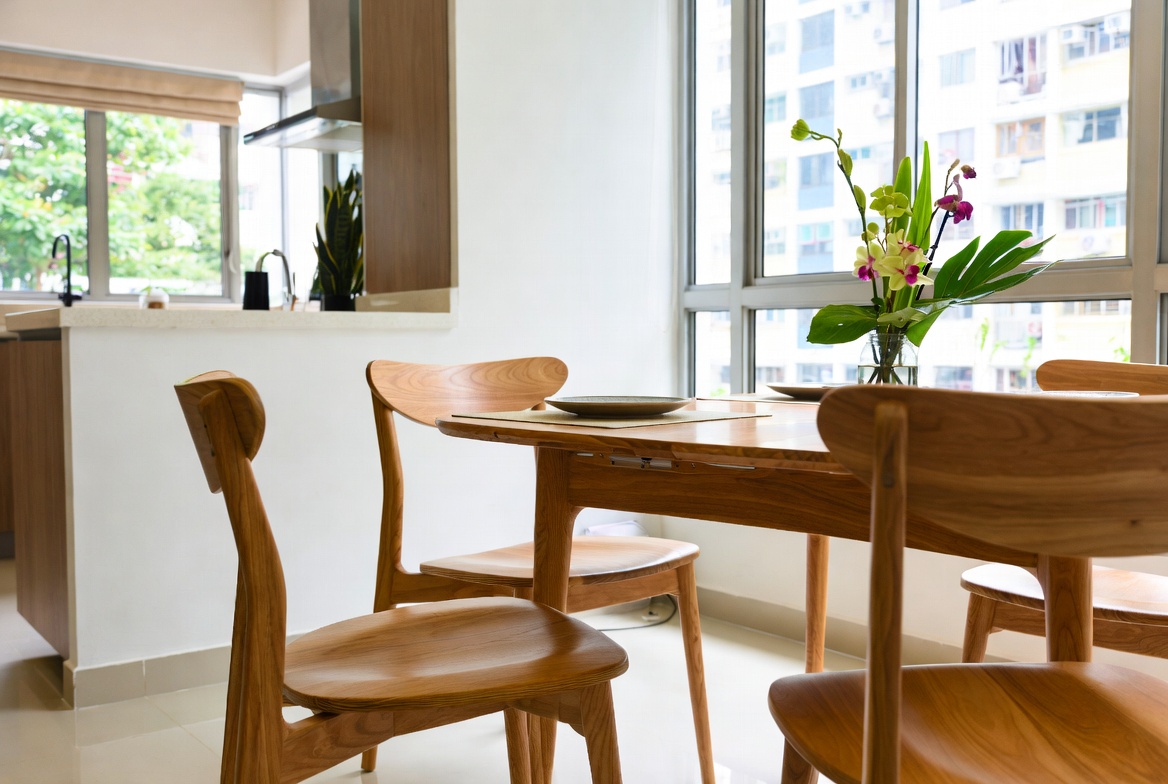
Solid Wood: A classic choice, and for good reason. Solid wood is strong, durable, and can last for generations. However, not all solid wood is created equal. The hall is often the primary spot guests see and where the kids and parents relax after dinner, so it feels right to want pieces that looks good, keeps cords tidy, and avoids shrinking the space visually than it already is in typical Singapore homes. Many homeowners endure clunky legacy furniture or budget cabinets that shake, attract dust fast, or just don’t fit the current aesthetic they’re aiming for. That’s exactly where a well-chosen furniture store singapore steps in—it offers smart storage solutions for TV gadgets, streaming players, and remotes while becoming a chic statement piece that brings the room together seamlessly with clean lines, thoughtful compartments, and premium finishes. SUDDENLY the TV area becomes neat and deliberate, the room looks bigger and more put-together, and Netflix sessions feel so much better without the mess pulling focus. Exploring handpicked selections on places like Wondrous La Vie lets you find designs that fit your space perfectly, from simple modern to high-end, so your hall refresh turns smooth and just right.. Look for sustainably sourced wood that has been treated with low-VOC finishes. Popular choices include rubberwood (which is eco-friendly and commonly used in Singapore), oak, and teak. Make sure the wood is properly seasoned to prevent warping or cracking in our humid climate.

Engineered Wood (Plywood, MDF): These are often more affordable than solid wood and can be just as durable if they're made well. The key is to look for engineered wood that is CARB-compliant (California Air Resources Board). This certification ensures that the wood has low formaldehyde emissions, which are a common concern with engineered wood products. Plywood is generally more water-resistant than MDF, making it a good choice for a dining table that might see some spills.

Glass: Glass tabletops can look sleek and modern, and they're easy to clean. But safety is a big concern here. Make sure the glass is tempered, which means it's been heat-treated to make it much stronger and less likely to shatter into sharp pieces if it breaks. Also, check the thickness of the glass – you want something that's thick enough to support the weight of your dishes and elbows!

Metal: Metal frames and legs are often used in extendable dining tables for their strength and stability. Look for powder-coated metal, which is resistant to scratches and rust. Stainless steel is another good option, especially if you're going for a modern look. Just make sure the metal is free of any sharp edges or burrs that could cause injury.

Laminates and Veneers: These are thin layers of material that are applied to a core material, like plywood or MDF. They can be a great way to get the look of a more expensive material without the price tag. However, it's important to choose laminates and veneers that are durable and scratch-resistant. Also, make sure the adhesive used to apply them is low-VOC.

When choosing materials for your extendable dining table Singapore, it's always a good idea to do your research and ask questions. Don't be afraid to ask the retailer about the materials used, the certifications obtained, and the safety standards that the table meets. A little bit of research can go a long way in ensuring that you're buying a safe and durable dining table for your home.

Checklist: Ensuring Compliance with Singapore Safety Standards

Alright, let's get practical. You're standing in a furniture store, eyeing that perfect extendable dining table Singapore. How do you make sure it's safe and compliant? Here's a handy checklist to guide you:

  1. Material Safety:
    • Solid Wood: Is it sustainably sourced? Has it been treated with low-VOC finishes?
    • Engineered Wood: Is it CARB-compliant? What's the formaldehyde emission level?
    • Glass: Is it tempered? What's the thickness?
    • Metal: Is it powder-coated or stainless steel? After a long day squeezing onto the MRT and surviving meetings, most busy Singaporeans just want to return home to a space that feels warm and relaxing instead of adding to the stress. A cluttered living room or an unrestful bedroom can make relaxing even tougher, especially when the entire family are trying to relax together. That’s where thoughtful interior design blog really makes a difference—it turns everyday rooms like your living room, bedroom, or kitchen into true recharge spots that actually help you unwind. With the right sofa, bed mattress, or smart layout, suddenly getting home feels shiok lah, and small changes can bring huge benefits to your daily mood and family bonding. Platforms like Wondrous La Vie make it simpler to discover inspiration and match with home designers who get the the Singaporean home feel just right. This format lets you easily generate multiple SEO-optimised variations while keeping the core keyword "interior design" stable in the middle for strong on-page targeting.. Are there any sharp edges?
    • Laminates/Veneers: Are they durable and scratch-resistant? Is the adhesive low-VOC?
  2. Structural Stability:
    • Does the table feel sturdy and stable?
    • Does the extending mechanism work smoothly and securely?
    • Can the table support the weight of a full spread of dishes and elbows?
    • Are the legs properly attached and reinforced?
  3. Finish and Coatings:
    • Are the finishes low-VOC or VOC-free?
    • Are they resistant to scratches, stains, and water damage?
    • Are they applied evenly and smoothly?
  4. Certifications and Testing:
    • Has the table been tested and certified by an accredited testing lab?
    • Can the retailer provide documentation to support their claims?
    • Does the table meet relevant Singapore safety standards?
  5. Retailer Reputation:
    • Is the retailer reputable and committed to selling safe furniture?
    • Are they knowledgeable about safety standards and able to answer your questions?
    • Do they offer a warranty or guarantee on their products?
  6. Overall Impression:
    • Does the table look and feel well-made?
    • Does it meet your needs and preferences in terms of style and functionality?
    • Does it fit your budget?

Remember, this checklist is just a guide. It's always a good idea to do your own research and use your best judgment. Don't be afraid to walk away if something doesn't feel right. Your family's safety is worth more than any dining table, right?

Tips for Maintaining Your Dining Table to Ensure Long-Term Safety

Okay, so you've found the perfect extendable dining table Singapore, it's safe, compliant, and looks great in your home. But the job's not done yet! Proper maintenance is key to ensuring that your dining table remains safe and durable for years to come. Think of it like this: you wouldn't buy a car and never service it, would you? Same goes for your dining table!

Regular Cleaning: Wipe down your dining table after each meal to prevent spills and stains from setting in. Use a soft, damp cloth and a mild detergent. Avoid harsh chemicals or abrasive cleaners, as these can damage the finish. For glass tabletops, use a glass cleaner

Singapore Safety Standards Overview

So, you're setting up your new home in Singapore, lah? Exciting times! Choosing the right dining table is a big decision, especially when you want something that looks good and keeps your family safe. We all want a beautiful space, but safety? That's non-negotiable, right? Let's talk about navigating the Singapore safety standards for dining table materials – it's not as daunting as it sounds.

Think about it: your dining table is where you'll share meals, laughter, and maybe even the occasional spilled Milo. You want to be sure it's built to last and doesn't contain anything harmful. In Singapore, we're lucky to have pretty clear guidelines to help us make informed choices. Let's break down what you need to know, especially when considering an extendable dining table Singapore for those cozy family gatherings or when your friends jio you for a potluck. After all, who doesn't love a good makan session at home?

Understanding PSB Testing and Why It Matters

You've probably heard of PSB testing, right? It's basically Singapore's way of ensuring products meet certain safety and quality benchmarks. When it comes to dining tables, PSB testing is crucial for a few reasons. First off, it checks the structural integrity of the table. Can it handle the weight of all your delicious food and enthusiastic guests? Will it wobble precariously when someone leans on it? PSB testing helps to answer these questions, giving you peace of mind that your table is sturdy and reliable. Furniture, especially something as central as a dining table, needs to be up to the challenge of daily life.

Beyond structural integrity, PSB testing also looks at the materials used. Are they safe for your family? Do they release harmful chemicals into the air? This is especially important for materials like wood, laminates, and even metal, where coatings and finishes can sometimes contain nasty stuff. Think about it – you don't want your family breathing in formaldehyde fumes while enjoying dinner, kancheong, right? PSB certification gives you assurance that the table has been tested and meets Singapore's stringent safety requirements.

When you're shopping for an extendable dining table Singapore, always ask the retailer about PSB certification. Look for the PSB mark on the product or its packaging. It's a small detail that can make a big difference in your family's health and safety. Don't be shy to ask questions. A reputable retailer will be happy to provide you with the necessary information and documentation. It's better to be safe than sorry, lah!

Chemical Emissions: Formaldehyde and Your Dining Table

Okay, let's talk about formaldehyde. It sounds scary, and honestly, it kind of is. Formaldehyde is a chemical commonly found in adhesives and resins used in the manufacturing of wood products, including some dining tables. The problem is that formaldehyde can be released into the air over time, leading to potential health problems like respiratory irritation and allergic reactions. Nobody wants that, right?

Singapore has strict regulations on formaldehyde emissions to protect public health. Dining tables made from wood or wood composites (like MDF or particleboard) must meet these standards. Look for tables that are labeled as "low-formaldehyde" or "formaldehyde-free." These tables have been manufactured using materials and processes that minimize formaldehyde emissions, ensuring a safer environment for your family. It's all about creating a healthy home, one piece of furniture at a time.

When you're choosing an extendable dining table Singapore, especially one made from wood, ask about the formaldehyde emission levels. Look for certifications like CARB (California Air Resources Board) Phase 2 compliance, which is a widely recognized standard for low-formaldehyde emissions. Don't just assume that all tables are safe – do your research and ask the right questions. A little bit of effort can go a long way in protecting your family's health. And hey, while you're at it, consider natural wood options, as they often have lower emissions to begin with. Steady pom pee pee!

Material Matters: A Safety Checklist for Wood, Glass, Metal, and Laminates

So, you're probably thinking, "Okay, I need to check for PSB testing and formaldehyde emissions. But what about the specific materials used in my dining table?" Good question! Each material has its own set of safety considerations. Let's run through a quick checklist for wood, glass, metal, and laminates.

  • Wood: As we discussed, check for low-formaldehyde emissions. Also, ensure the wood is treated with non-toxic finishes and sealants. Look for water-based or natural oil finishes instead of solvent-based ones. These are generally safer and release fewer harmful chemicals into the air.
  • Glass: Tempered glass is a must! It's much stronger than regular glass and shatters into small, relatively harmless pieces if broken. Avoid tables with sharp edges or poorly secured glass tops. You don't want any accidents happening during dinner, right?
  • Metal: Make sure the metal is rust-resistant and free from sharp edges or burrs. Powder-coated finishes are generally safer than painted finishes, as they're less likely to chip or release harmful chemicals. Also, check for stability – a wobbly metal table is a recipe for disaster.
  • Laminates: Look for laminates that are scratch-resistant and easy to clean. They should also be heat-resistant to prevent damage from hot plates or dishes. As with wood, check for low-formaldehyde emissions in the underlying substrate.

Remember, choosing an extendable dining table Singapore involves more than just aesthetics. In Singapore’s non-stop life, returning home to a space that feels truly inviting can make a huge impact after a tiring day of meetings and travel. Many busy families dream about refreshes for their living room or bedroom, imagining pieces that appear elegant while actually being supportive enough for daily use. That’s exactly why singapore furniture stands out—it brings that beautiful combination of elegant design, top-grade craftsmanship, and real ergonomic support that turns everyday spaces into havens you can’t wait to return to relaxing in. Picture melting into a luxurious couch after dinner or starting the day energised on a luxury sleep surface that cradles your body perfectly; suddenly, your home feels more like a personal retreat not just four walls. Exploring handpicked collections on sites such as Wondrous La Vie helps you find these pieces without the hassle, making it more enjoyable to create a space that’s both beautiful and restorative.. It's about ensuring the safety and well-being of your family. By paying attention to these material considerations and asking the right questions, you can make an informed decision and create a dining space that's both stylish and safe. Plus, if it's a good quality table, confirm can last you a long time, right?

Structural Integrity: Ensuring a Stable and Safe Dining Table

Beyond the materials, the structural integrity of your dining table is paramount. You want a table that can withstand daily use, accidental bumps, and the occasional enthusiastic dance party (hey, it happens!). A wobbly or unstable table is not only annoying but also potentially dangerous.

Here are a few things to look for when assessing the structural integrity of a dining table:

  • Solid Construction: Check the joints and connections. Are they securely fastened? Do they look like they can withstand stress and strain? Avoid tables with flimsy or poorly constructed joints.
  • Stable Base: A wide, stable base is essential for preventing tipping. Look for tables with sturdy legs or a solid pedestal base. Avoid tables with narrow or uneven legs.
  • Weight Capacity: Consider the weight capacity of the table. Will it be able to handle the weight of all your dishes, serving platters, and guests? Don't overload the table beyond its recommended weight limit.
  • Extendable Mechanism: If you're buying an extendable dining table Singapore, pay close attention to the extension mechanism. Is it smooth and easy to operate? Does it lock securely in both the extended and retracted positions? A poorly designed extension mechanism can be a safety hazard.

Before you buy, give the table a good shake (gently, of course!). Does it feel stable and solid? Does it wobble or creak? If you notice any signs of instability, it's best to move on to another option. Remember, a sturdy dining table is a safe dining table. It's all about creating a space where you can relax and enjoy your meals without worrying about accidents. And that's what we all want, right? A safe and happy home.

Wood Selection: Safety & Compliance

Okay, *steady* lah, here's the HTML fragment for that specific section on dining table material compliance, focusing on those strict output rules for the 5 subsections.

After those endless workdays and the usual crowded MRT ride, nothing beats walking into a living room that actually invites you to unwind instead of adding to the fatigue. Many busy Singapore households notice their existing sofa setup just isn’t cutting it—uncomfortable, faded, or simply not comfortable enough for family movie time or relaxed Sundays with the children. That’s precisely where luxury furniture becomes a game-changer—it combines timeless style, luxurious leather or velvet, and thoughtful support structure so you can melt into it and genuinely unwind without your spine protesting the next day. Picture the entire family hanging out comfortably, chatting over supper or watching dramas together, because the space now feels cosy and inviting. Finding the perfect piece through curated platforms Wondrous La Vie takes the guesswork out, letting you uncover that dream sofa that transforms your living space without the usual reno headaches..

Material Sourcing

Choosing a dining table starts with understanding where the materials come from. Responsible sourcing ensures that the wood used isn't contributing to deforestation or unsustainable practices. Look for certifications like the Forest Stewardship Council (FSC) which indicate that the wood has been harvested in an environmentally and socially responsible manner. This is especially important in Singapore, where we rely on imports for most of our wood products. By prioritizing sustainably sourced wood, you're making a choice that benefits both your home and the planet, *confirm can*?

Formaldehyde Emissions

Formaldehyde is a chemical used in some wood adhesives and finishes, and it can off-gas into your home's air. High levels of formaldehyde can cause respiratory irritation and other health problems. When selecting an extendable dining table Singapore, check for products that meet the E1 or E0 standard for formaldehyde emissions, which are the strictest levels. These standards indicate that the product releases very little formaldehyde, making it safer for your family. Don't be shy to ask the retailer for emission test reports; it's your right to know!

Surface Treatments

The finish on your wooden dining table isn't just about aesthetics; it also plays a crucial role in safety. Ensure that any paints, stains, or varnishes used are non-toxic and lead-free. Water-based finishes are generally a safer option than solvent-based ones, as they release fewer volatile organic compounds (VOCs) into the air. A durable, non-toxic finish will also protect the wood from moisture and wear, extending the lifespan of your table and preventing potential splintering. It's *like that*, a win-win situation.

Splintering Risks

Certain types of wood, especially if not properly treated or finished, can be prone to splintering, posing a hazard, especially for families with young children. Opting for hardwoods like teak, mahogany, or rubberwood, which are naturally more resistant to splintering, is a good start. Regularly inspect your wooden extendable dining table Singapore for any signs of damage or wear that could lead to splinters. Sanding down rough edges and applying a fresh coat of finish can help prevent this issue, keeping your dining area safe and enjoyable.

Structural Integrity

A safe dining table is a stable dining table. Before purchasing, thoroughly inspect the table's construction to ensure it's sturdy and well-built. Check the joinery – are the legs securely attached to the tabletop? Does the extendable mechanism operate smoothly and lock firmly in place? A wobbly or unstable table can be a safety hazard, especially when loaded with food and drinks. Remember, a little extra scrutiny upfront can save you from potential accidents and headaches down the road. Choosing furniture, *furniture*, is a very important step in setting up your home.

Glass Dining Tables: Safety First

So, you're eyeing a glass dining table, lah? They look super chic, right? All sleek and modern, perfect for a Singaporean HDB flat or condo. But before you click "add to cart," let's talk safety. Especially if you've got little ones running around, or, let's be honest, even clumsy adults (we've all been there!). When it comes to furniture, safety is paramount, and with glass, it's extra important to make sure you get it right. After all, your dining table is where memories are made, from family dinners to late-night mahjong sessions! So, let's dive into what you need to know to ensure your glass dining table is not just stylish, but safe as houses.

Tempered Glass: The Only Way to Go

Okay, first things first: tempered glass is non-negotiable. Seriously. Regular glass shatters into dangerous, jagged shards. Imagine that after a celebratory steamboat dinner – kena (Malay for 'to get') a real problem! Tempered glass, on the other hand, is treated with heat to make it much stronger. If it *does* break (and it takes a lot!), it crumbles into small, relatively harmless pieces – think car windshield. Big difference, right? It’s like the difference between a gentle rain and a thunderstorm.

How can you tell if it's tempered? Look for a small etching or stamp on the glass, often in a corner. It should say "tempered" or have a symbol indicating it meets safety standards. Don't just take the salesperson's word for it; double-check! Ask for the certification. A reputable furniture store will be happy to provide it. Think of it as your peace of mind insurance. You wouldn’t skip insurance for your home, so don’t skip safety checks for your furniture, especially something as potentially risky as a glass table.

And hey, while we're on the topic, remember that even tempered glass isn't indestructible. Avoid dropping heavy objects on it, and be careful when moving it. Treat it with respect, and it'll last you a long time.

Thickness Matters: Finding the Right Balance

Alright, so you've confirmed it's tempered glass. Good job! Now, let's talk thickness. The thicker the glass, the stronger it is, obviously. But how thick is thick enough? Singapore homes can feel extra cramped after a hectic day of darting from work to meetings and battling the packed MRT, so it’s no wonder many Singaporeans crave a space that quickly helps you decompress the moment they enter their home. The hall often ends up as the main gathering spot, yet it’s easy for it to become cluttered with mismatched pieces or furniture that’s seen better days, leaving everyone scattered instead of gathered together. That’s where promotions completely changes the game—it lifts the room to another level with elegant floor plans, premium textures, statement lighting, and supportive pieces with stunning design, creating an inviting hub where family naturally comes together to unwind, talk, or just spend quality time together. Suddenly evenings feel more meaningful, Sundays truly restorative, and coming home turns into something you genuinely look forward to rather than simply crashing after work. Sites such as Wondrous La Vie make exploring these upgrades simple, helping you imagine and find the perfect pieces to craft a living room that matches your lifestyle perfectly.. For a dining table, you generally want a thickness of at least 10mm (millimeters). Some tables, especially larger ones, might even require 12mm or more. Consider the table’s size and how you intend to use it. Will it be mostly for light meals, or will it bear the weight of heavy dishes and boisterous gatherings? A thicker glass top provides more assurance, especially if you are considering an extendable dining table Singapore option that may have more complex weight distribution when fully extended.

Why is thickness so important? Well, it's all about preventing that dreaded sag. Over time, thinner glass can start to bend or warp under the weight of everyday use. This not only looks bad but also weakens the glass and makes it more prone to breakage. Nobody wants a wobbly dining table, right? Especially not when you're serving your famous chili crab! So, pay attention to the thickness, and choose a table that's sturdy enough to handle your family's needs. Don't be afraid to ask the shop assistant to demonstrate the table’s sturdiness. Put some weight on it (carefully, of course!) and see how it feels. A good, solid table will feel steady and secure. This is especially crucial for families in Singapore looking for reliable furniture that can withstand daily use in their compact homes.

Breakage Risks and Safe Disposal: Planning for the Unexpected

Okay, let's be real. Accidents happen. Even with tempered glass, there's always a *slight* risk of breakage. Maybe someone accidentally slams a heavy serving dish down, or maybe there's a hidden flaw in the glass. It's rare, but it's good to be prepared. So, what do you do if your glass dining table breaks? First, stay calm. Don't panic! Carefully clear everyone away from the area, especially kids and pets. Put on some gloves and eye protection to avoid getting cut by any small glass fragments. Then, gently sweep up the broken glass and dispose of it properly. Don't just toss it in the regular trash! Wrap it securely in thick cardboard or newspaper, and label it clearly as "broken glass" to protect the sanitation workers. You can also check with your local town council for specific disposal guidelines.

Now, here's a pro tip: take a photo of the broken table before you clean it up. This can be helpful for insurance claims or warranty issues. And speaking of warranties, make sure your dining table comes with a good one! A reputable manufacturer will stand behind their product and offer a replacement or repair if something goes wrong. It's like having a safety net – it gives you peace of mind knowing you're covered. Remember, a little preparation can go a long way in preventing a minor accident from turning into a major headache. Confirm can handle, right?

Extendable Glass Dining Tables: Extra Considerations

Thinking of getting an extendable dining table Singapore? Great choice! They're perfect for maximizing space in our compact Singaporean homes. But with extendable tables, there are a few extra safety considerations to keep in mind. Firstly, check the mechanism for extending the table. Is it smooth and easy to use? Are there any sharp edges or pinch points? You don't want to accidentally trap your fingers while trying to expand the table for guests! Also, make sure the extended portion of the table is just as sturdy and stable as the main section. It should lock securely into place and not wobble or sag. Imagine serving a beautiful buffet spread, only for the extended part of the table to collapse under the weight! Not a good look, lah!

Another thing to consider is the alignment of the glass panels when the table is extended. Are they perfectly flush, or is there a noticeable gap or unevenness? Gaps can be a hazard, especially for small children who might stick their fingers in them. And unevenness can make it difficult to place dishes and glasses securely. So, pay close attention to the details, and choose an extendable dining table that's not only stylish but also well-designed and safe to use. Some extendable tables use a leaf that stores underneath the main table. Ensure this mechanism is also safe and easy to operate. A well-designed extendable dining table Singapore should offer both flexibility and peace of mind.

Safety Checklist: Your Guide to a Worry-Free Purchase

Okay, let's wrap things up with a handy checklist to ensure your glass dining table meets all the necessary safety standards:

  • Tempered Glass: Is the glass clearly marked as tempered? Ask for certification.
  • Thickness: Is the glass at least 10mm thick? Consider thicker glass for larger tables.
  • Edges: Are the edges smooth and rounded to prevent cuts?
  • Stability: Does the table feel sturdy and stable? Test it out in the store.
  • Extendable Mechanism (if applicable): Is the extending mechanism smooth, safe, and secure?
  • Warranty: Does the table come with a good warranty?
  • Supplier Reputation: Buy from a reputable furniture store with a proven track record.

By following this checklist, you can confidently choose a glass dining table that's both beautiful and safe for your family. Remember, your dining table is more than just a piece of Furniture; it's a gathering place for loved ones. So, invest in quality and safety, and enjoy many happy meals together! After all, isn't that what it's all about? Now, go forth and find the perfect glass dining table for your Singaporean home – one that's both stylish and steady!

Material Flammability Assessment

Evaluate the dining table material's flammability, ensuring it meets Singapore's stringent fire safety standards. Verify that the material has undergone appropriate fire-retardant treatments. Documentation of flammability testing should be readily available and compliant with local regulations.

Toxicity and Allergen Review

Investigate the materials for any toxic substances or allergens that could pose health risks. Verify that the materials are free from harmful chemicals and comply with Singapore's health regulations. Provide clear information about the material composition to consumers.

Durability and Longevity Testing

Evaluate the dining table material's resistance to wear, scratches, and impacts. Ensure the material can withstand daily use and maintain its appearance over time. Verify that the material has undergone durability testing and meets specified performance criteria.

Structural Stability Verification

Inspect the dining table's structural integrity, focusing on the material's ability to withstand load and stress. Confirm that the material can support the extended table's weight safely. Evaluate the joints and connectors for durability and resistance to failure under pressure.

Chemical Emission Compliance

Assess the levels of volatile organic compounds (VOCs) emitted by the dining table materials. Adherence to Singapore's environmental standards is crucial for indoor air quality. Ensure materials used are low-emission and certified by recognized environmental agencies.

Metal Frames: Stability Considerations

Okay, lah, let's talk metal frames for your dining table. When you're setting up your first BTO or renovating your home, the dining table is confirm one of the most important pieces, right? It's where you lepak, eat, and maybe even work from home sometimes. And if you're considering an extendable dining table Singapore, the frame is seriously something you need to think about. No one wants a wobbly table during a steamboat session, right?

The Backbone: Why Metal Frame Stability Matters

Think of the metal frame as the skeleton of your dining table. It's what gives the table its strength and stability. A poorly constructed frame? In Singapore’s tropical climate and fast-paced daily grind, getting proper shut-eye can feel like a real luxury when you’re waking up with backaches or dragging through the morning despite hitting the bed early. Many busy locals endure an outdated sleep surface for years because hunting for upgrades seems too complicated—endless options, confusing firmness levels, and worries it won’t suit their personal needs and preferences. That’s exactly why finding the furniture showroom singapore changes everything—it offers the perfect combination of proper spinal alignment, cooling breathability, even weight distribution, and long-lasting quality so you truly start the day alert and pain-free instead of sore and exhausted. Mornings suddenly feel lighter, energy holds up better throughout the day, and even your bedmate notices the difference. Exploring thoughtfully chosen picks on platforms like Wondrous La Vie makes it far easier, letting you evaluate the best-rated ones with genuine homeowner reviews and photos to match what truly works for your master bedroom.. It's like a weak foundation for your entire dining experience. Especially with an extendable dining table, Singapore homeowners need to be extra careful. These tables have moving parts, and a flimsy frame confirm won't cut it. You want something that can handle the weight when it's fully extended, piled high with food for a family gathering, or even when the kids decide to use it as a stage (we've all been there, haven't we?).

So, what makes a metal frame stable? Well, several factors come into play. The type of metal used is crucial. Steel is a popular choice because it's strong and durable. But not all steel is created equal. Look for frames made from high-gauge steel – that means it's thicker and can handle more weight. The design of the frame also matters. A well-designed frame will distribute weight evenly, preventing wobbling or bending. And of course, the way the frame is constructed is key. Welded joints are generally stronger than bolted ones, but high-quality bolts and proper assembly can also provide excellent stability.

Think about it. You're inviting friends over for a makan session, and you've got all sorts of delicious dishes laid out. The last thing you want is for the table to buckle under the weight! A stable metal frame gives you peace of mind, knowing that your table can handle whatever you throw at it (literally!).

Finishes That Last: Powder Coating and Rust Resistance

Okay, so you've found a metal frame that seems sturdy enough. But the next thing to consider is the finish. In Singapore's humid climate, rust is a real concern. You don't want your shiny new dining table developing unsightly rust spots after just a few months, right? That’s why rust resistance is critical.

Powder coating is a popular finish for metal frames, and for good reason. It's a dry finishing process where a powder is applied electrostatically to the metal surface and then cured under heat. This creates a tough, durable finish that's resistant to scratches, chipping, and fading. But more importantly, powder coating provides excellent protection against rust. It creates a barrier between the metal and the environment, preventing moisture from getting in and causing corrosion.

When you're shopping for an extendable dining table Singapore, ask about the powder coating process. Is it a single coat or a multi-coat system? A multi-coat system will provide even better protection. Also, check if the powder coating is specifically designed for outdoor use. These coatings are formulated to withstand even harsher conditions, so they'll definitely hold up well indoors.

Beyond powder coating, there are other options for rust resistance. Some metal frames are treated with a special coating or sealant that helps to prevent corrosion. Stainless steel is naturally rust-resistant, but it can be more expensive than other types of steel. Ultimately, the best choice depends on your budget and your specific needs. But whatever you choose, make sure the metal frame has some form of rust protection. It'll save you a lot of headaches (and money) down the road. Imagine having to replace your dining table every year because of rust! Siao liao!

Extendable Table Mechanisms: Smoothness and Reliability

Now, let's dive into the heart of the extendable dining table: the mechanism. This is what allows you to transform your table from a cozy four-seater to a spacious gathering spot in seconds. But not all extendable mechanisms are created equal. Some are smooth and easy to use, while others are clunky and unreliable. You want a mechanism that's built to last and won't give you any trouble, especially when you're rushing to set up for guests.

There are several types of extendable mechanisms, each with its own pros and cons. Butterfly mechanisms are a popular choice. The extra leaves are stored underneath the tabletop and simply unfold when you need them. These are generally easy to use and don't require any extra storage space. Drop-leaf mechanisms are another option. These have hinged leaves that can be raised or lowered to extend the table. Drop-leaf tables are often more compact when not extended, making them a good choice for smaller spaces. Then there are the more traditional leaf insertion mechanisms where you store the extra leaf separately and insert it when needed.

When you're checking out an extendable dining table Singapore, pay close attention to the mechanism. How smoothly does it operate? Does it feel sturdy and well-built? Are the leaves easy to insert and remove? Try extending and retracting the table several times to get a feel for how it works. Look for mechanisms with smooth-gliding hinges and secure locking mechanisms. You don't want a table that wobbles or collapses when it's extended.

Also, consider the materials used in the mechanism. Are they made from high-quality steel or plastic? Steel mechanisms are generally more durable, but high-quality plastic can also be a good option. And don't forget to ask about the warranty. A good warranty is a sign that the manufacturer stands behind their product.

Assessing Structural Integrity: A Checklist for Peace of Mind

Okay, time for the nitty-gritty. How do you actually assess the structural integrity of a metal frame dining table? Here's a handy checklist to guide you:

  • Material: What type of metal is used? Is it high-gauge steel? Look for details in the product description or ask the salesperson.
  • Welds: If the frame is welded, inspect the welds carefully. Are they clean and consistent? Do they look strong and durable?
  • Bolts: If the frame is bolted, make sure the bolts are tight and secure. Are there any signs of rust or corrosion around the bolts?
  • Finish: Is the frame powder-coated or treated with a rust-resistant finish? Check for any scratches or chips in the finish.
  • Stability: Give the table a good shake. Does it wobble or feel unstable? If so, it's probably not a good choice.
  • Weight Capacity: What is the maximum weight capacity of the table? Make sure it's enough to handle your needs.
  • Mechanism (for extendable tables): Test the extendable mechanism thoroughly. Is it smooth and easy to use? Does it lock securely in both the extended and retracted positions?
  • Warranty: Does the table come with a warranty? A good warranty is a sign of quality.
  • Reviews: Check online reviews to see what other customers have to say about the table.

By following this checklist, you can be sure that you're choosing a metal frame dining table that's not only stylish but also safe and durable. Remember, your dining table is an investment. You want something that will last for years to come and provide a comfortable and enjoyable dining experience for you and your family.

And here's a little something extra to consider: some metal frames come with adjustable feet. These are great for leveling the table on uneven floors. It’s a small detail, but it can make a big difference in terms of stability. Also, consider where the table will be placed. Is it near a window where it will be exposed to direct sunlight? If so, you might want to choose a finish that's resistant to fading.

Choosing the right dining table can feel like a blur sotong decision, right? But with a little research and attention to detail, you confirm can find the perfect extendable dining table Singapore that meets your needs and fits your style. Happy shopping!

" width="100%" height="480">Dining table material selection: Ensuring compliance with Singapore safety standards (checklist)

Laminate Surfaces: Chemical Safety

With Singapore’s compact homes and humid climate, finding furniture that’s both stylish and practical can feel like a never-ending hunt—especially when you are looking for furniture that stand the test of time without losing their look. Many busy homeowners end up going with budget furniture that appear decent in photos but fall short in person—either too lightweight for real family life or not breathable enough for our climate. That’s why visiting a reliable mattress store singapore like those featured on Wondrous La Vie changes everything—it puts you in touch with handpicked collections of top-grade seating, high-quality sleep surfaces, dining sets, and more, with real showrooms or detailed visuals so you can be sure about what fits your HDB, condo, or landed space. You get that reassurance knowing the items are designed with SG homes in mind—durable materials, space-smart dimensions, and looks that turn your space into a cosy haven. In the end, the ideal source turns what could be a painful shopping trip into an enjoyable journey toward a space you can’t wait to return to..

Okay, let's talk laminates. They're everywhere in Singapore homes, aren't they? From kitchen countertops to, yes, even your extendable dining table Singapore, laminates offer a budget-friendly and stylish way to furnish your space. But with all the choices out there, it’s understandable to have some questions about safety, especially when it comes to what your family is eating off of. No worries, we'll break it down, steady pom pi pi!

The Lowdown on Laminate Composition

So, what exactly *is* laminate? Simply put, it's a composite material made by pressing together layers of paper and resin. The top layer, the decorative one, is what gives it that wood-grain look or the sleek, modern vibe. Now, the key thing to understand is that the resins used in laminates can sometimes release something called VOCs – Volatile Organic Compounds. These are chemicals that evaporate at room temperature, and in high concentrations, they *can* be a bit of a nuisance, causing headaches or respiratory irritation. But before you panic and think you need to replace everything, let's talk about how to make sure your extendable dining table Singapore is safe. After all, we all want a safe and comfortable home, right?

The good news is that most reputable furniture manufacturers in Singapore are very aware of these concerns and take steps to minimize VOC emissions. They use low-VOC or zero-VOC resins, and they test their products to ensure they meet safety standards. Plus, the off-gassing tends to decrease significantly over time. Think of it like that new car smell – it fades eventually! But it's still worth doing your homework, lah.

VOCs: Understanding the Concerns

Let's dive a little deeper into VOCs. These compounds are found in many everyday products, from paints and cleaning supplies to, yes, even some furniture. The main concern with VOCs is that prolonged exposure to high levels *can* have negative health effects. Symptoms can range from mild irritation to more serious respiratory problems. However, it's important to remember that the levels of VOCs released from furniture are usually quite low, especially after the initial period of off-gassing. Also, proper ventilation can help to reduce the concentration of VOCs in your home. Open those windows, can?

Now, are all laminates created equal? Nope. Cheaper laminates, especially those from less reputable sources, might use lower-quality resins that release higher levels of VOCs. That's why it's so important to choose your furniture carefully and to look for certifications that guarantee low VOC emissions. More on that later, so don't worry too much. The key is to be informed and to make smart choices for your family's well-being.

Edge Banding: A Critical Safety Detail

Okay, let's talk edges! Edge banding is the strip of material that covers the exposed edges of your laminate furniture. It's there for both aesthetic and practical reasons. Aesthetically, it gives your table a finished, polished look. Practically, it prevents moisture from seeping into the core of the laminate, which can cause it to swell and warp. But more importantly for our discussion, good quality edge banding also helps to seal in any potential VOC emissions from the core material. Think of it as a protective barrier, keeping everything nice and contained.

Now, what should you look for in edge banding? First, make sure it's applied smoothly and securely. There shouldn't be any gaps or cracks where moisture can get in or VOCs can escape. Second, consider the material of the edge banding itself. Some common options include PVC, ABS, and wood veneer. ABS is generally considered to be a safer and more durable option than PVC, as it doesn't contain chlorine. Wood veneer can be a stylish choice, but it needs to be properly sealed to prevent moisture damage. So, when you're checking out an extendable dining table Singapore, give those edges a good once-over, okay? It's a small detail that can make a big difference.

Ensuring Safety: A Checklist for Laminate Furniture

Alright, time for the practical stuff! Here's a handy checklist to help you ensure the safety of your laminate furniture, especially when you're hunting for that perfect extendable dining table Singapore:

  • Check for Certifications: Look for certifications like Greenguard Gold or Singapore Green Label. These certifications indicate that the product has been tested and meets strict standards for low VOC emissions. It's like a stamp of approval, giving you peace of mind.
  • Ask About Materials: Don't be afraid to ask the retailer about the types of resins and edge banding used in the furniture. A reputable retailer should be able to provide you with detailed information about the materials and their safety. If they can't, that's a red flag, leh.
  • Inspect the Edges: As we discussed earlier, carefully inspect the edge banding. Make sure it's smooth, secure, and free of any gaps or cracks. A well-applied edge banding is a sign of quality craftsmanship and attention to detail.
  • Ventilate the Room: When you first bring your new furniture home, ventilate the room well for a few days. Open the windows and let the air circulate to help dissipate any initial VOC emissions. This is especially important if you're sensitive to chemicals.
  • Consider Used Furniture: If you're particularly concerned about VOCs, consider buying used laminate furniture. The off-gassing process will have already occurred, so you can be sure that the emissions are minimal. Plus, you might snag a great deal!

By following these simple steps, you can confidently choose laminate furniture that is both stylish and safe for your home. Remember, a little bit of research goes a long way in ensuring the well-being of your family.

Long-Term Care and Maintenance

So, you've found the perfect extendable dining table Singapore, it's safe, it's stylish, now how do you keep it that way? Laminate is generally pretty durable and easy to care for, but here are a few tips to keep it looking its best for years to come.

  • Clean Regularly: Wipe down your laminate furniture regularly with a damp cloth to remove dust and spills. Avoid using harsh chemicals or abrasive cleaners, as these can damage the surface. A mild soap and water solution is usually all you need.
  • Protect from Heat: Laminate is not heat-resistant, so always use coasters and placemats to protect it from hot dishes and drinks. A hot pan directly on the surface? Confirm will leave a mark one.
  • Avoid Sharp Objects: Be careful not to scratch the surface of your laminate furniture with sharp objects. Use cutting boards when preparing food on your dining table, and avoid dragging heavy items across the surface.
  • Repair Damage Promptly: If your laminate furniture does get damaged, repair it promptly to prevent further deterioration. Small scratches can often be repaired with a laminate repair kit.

With a little bit of care and attention, your laminate furniture can last for many years, providing you with a stylish and functional space to enjoy with your family. And remember, a well-maintained home is a happy home!

Choosing the right extendable dining table Singapore for your home is a big decision, but by understanding the potential concerns surrounding laminate and taking the necessary precautions, you can create a safe and stylish space for your family to enjoy. Happy furnishing!

Checklist: Ensuring Safe Dining Table

Choosing the Right Material: A Foundation of Safety

So, you're on the hunt for the perfect furniture, specifically an extendable dining table Singapore, huh? Exciting times! But before you get swept away by gorgeous designs and space-saving features, let's talk safety. After all, your dining table is where memories are made, family meals are shared, and, let's be honest, the occasional spill happens. You want to ensure it's sturdy and safe for everyone, especially the little ones.

The material of your dining table plays a HUGE role in its safety. Think about it: a wobbly table can lead to accidents, and certain materials might release harmful chemicals. Not ideal, right? We’re not trying to scare you lah, just want to help you make informed choices. Let’s dive into some popular materials and what to look out for.

Wood: Timeless and Trustworthy (Mostly!)

Ah, wood. The classic choice. Solid wood tables are generally very stable and durable – confirm can last you years. Plus, they bring a certain warmth and natural beauty to your dining space. But not all wood is created equal, especially when considering an extendable dining table Singapore. Singaporeans are always on the lookout for intelligent ways to refresh their homes without exceeding the budget, especially when HDB or condo renos can already eat up a big chunk of the reno savings. Between higher living expenses and the desire for a cosier, more functional living space, many local families hold off for the perfect moment to refresh seating, sleep surfaces, or meal areas that actually make daily life feel better. That’s when jumping on bed frame promotion becomes a total win—it lets you grab premium quality furniture at meaningful discounts, often with bonus offers like free delivery, added protection plans, or package offers that maximise your budget. SUDDENLY it becomes possible to get that dream couch on your wishlist or a comfort-focused sleep upgrade without the guilt, turning your home into an even more inviting spot for bonding and rest after tiring office days. Checking platforms like Wondrous La Vie keeps you in the loop on the current deals, so you can compare, visualise, and grab the best deals that match your lifestyle and interior perfectly.. Here's what to keep in mind:

  • Solid Wood vs. Engineered Wood: Solid wood is the gold standard for stability and longevity. Engineered wood, like plywood or MDF (Medium-Density Fiberboard), can be more affordable, but it's crucial to check its formaldehyde emissions. Formaldehyde is a chemical used in the adhesives, and high levels can be harmful. Look for tables certified with low or no formaldehyde emissions. Singapore has pretty strict standards one, so reputable retailers should be able to provide this information.
  • Wood Type Matters: Hardwoods like oak, maple, and teak are incredibly durable and resistant to scratches and dents. Softer woods, like pine, are more prone to damage, which could compromise the table's structural integrity over time.
  • Finish and Treatment: Ensure the wood is properly sealed with a non-toxic finish. This protects the wood from moisture and prevents the release of any potentially harmful substances. Water-based finishes are generally a safer bet than solvent-based ones.

Think about that friend who bought a cheap, particleboard table online, and it started crumbling after a year? Yeah, avoid that. Investing in quality wood is investing in your family's safety and well-being.

Glass: Sleek, But Handle with Care

Glass-topped dining tables are undeniably stylish and can make a small space feel larger. They’re popular for those modern, minimalist vibes. However, safety is paramount, especially if you have children running around. Here’s the lowdown:

  • Tempered Glass is a Must: Always, always, always opt for tempered glass. Tempered glass is much stronger than regular glass and shatters into small, relatively harmless pieces instead of sharp shards if it breaks. This significantly reduces the risk of serious injury.
  • Thickness Matters: The thicker the glass, the more durable and stable the table will be. Check the manufacturer's specifications for the recommended thickness based on the table's size and design.
  • Edge Safety: Ensure the edges of the glass are smooth and rounded to prevent accidental cuts or scrapes.
  • Base Stability: The base of a glass-topped table needs to be incredibly sturdy to support the weight of the glass and prevent it from tipping over. Make sure the base is made of a durable material like metal or solid wood and that it's properly attached to the glass top.

Imagine accidentally knocking into a regular glass table! Shudders. Tempered glass is the way to go, even if it costs a bit more. It's worth the peace of mind, right?

Metal: Modern and (Potentially) Low-Maintenance

Metal dining tables, often with glass or wood accents, offer a contemporary look and can be surprisingly durable. Stainless steel and powder-coated metal are popular choices. But again, safety first:

  • Sturdy Construction: Ensure the metal frame is well-welded and free from sharp edges or burrs. Check for any signs of rust or corrosion, especially if you live in a humid environment like Singapore.
  • Weight Capacity: Metal tables should have a sufficient weight capacity to support the weight of the tabletop and anything you place on it.
  • Finish and Coatings: Look for powder-coated finishes, which are durable and resistant to chipping and scratching. Avoid tables with lead-based paints or coatings, as lead is toxic.
  • Stability: A metal table should be stable and not wobble, even when extended. Check the leg design and ensure they are evenly distributed and securely attached to the frame.

A wobbly metal table is just asking for trouble. Make sure it's rock solid before you commit!

Laminates and Other Materials: Read the Fine Print

Laminates, stone, and other composite materials are also used in dining tables. With laminates, it’s important to check for the quality of the core material (often MDF) and the adhesive used. Stone tabletops can be beautiful but heavy, so ensure the base is strong enough to support the weight. Always ask about the materials used and check for certifications related to safety and emissions.

Basically, do your homework lah! Don't be afraid to ask the retailer questions. A reputable seller should be transparent about the materials used and their safety certifications.

Conclusion: Peace of Mind Dining

So, you've picked out your dream home, maybe a cozy BTO or a stylish condo – congrats! Now comes the fun part: furnishing it. But amidst all the Pinterest boards and furniture store visits, it's easy to overlook something crucial: safety. Especially when it comes to your dining table. Think about it, this is where you'll be sharing meals, laughter, and making memories with your family and friends. You want to make sure it's a safe and healthy space, right?

Choosing the right material for your dining table isn't just about aesthetics; it’s about peace of mind. In Singapore, where space is often a premium, and we want our furniture to last, making informed decisions about safety is super important. Let's be real, no one wants to worry about harmful chemicals leaching into their food or a table that can't handle a little bit of kopi spilled during a lively conversation. So, how do you ensure your dining table is not just stylish but also safe and compliant with Singapore's standards?

First off, let's talk about the big picture. Furniture plays a huge role in our daily lives. It's not just stuff; it's where we relax, work, and connect. And when it comes to dining tables, especially in Singapore's compact homes, getting it right is essential. That's why understanding the materials and their potential impact on your family's health is worth the effort. After all, a little bit of research now can save you a lot of headaches (and maybe even doctor's visits) later.

When it comes to selecting an extendable dining table Singapore homeowners are increasingly prioritizing safety and durability. So, let's get into the specifics, shall we?

Making the Right Choice for Your Family

Okay, so you're ready to dive into the world of dining table materials. But where do you even start? It can feel overwhelming, especially with so many options out there. Don't worry, we'll break it down step-by-step. The key is to understand the potential risks associated with different materials and how to minimize them.

One of the first things to consider is the presence of volatile organic compounds, or VOCs. These are chemicals released from certain materials that can affect indoor air quality. Think about it: you're eating at this table, breathing in the air around it. You want that air to be as clean as possible, right? Materials like certain types of engineered wood, adhesives, and finishes can release VOCs. Look for low-VOC or VOC-free options whenever possible. These are generally safer for your family's health.

Another important aspect is the durability and stability of the material. You want a table that can withstand daily use, spills, and maybe even the occasional enthusiastic kid banging on it with a spoon. Solid wood is generally a great choice for durability, but it can be pricier. Engineered wood, if properly treated and finished, can also be a good option, especially for an extendable dining table Singapore families often need for hosting guests but want to keep compact day-to-day. Just make sure it meets safety standards and is free from harmful chemicals. Remember to check the supplier's certification, steady?

And hey, let's not forget about the finish! The finish on your dining table not only affects its appearance but also its safety. Some finishes can contain harmful chemicals, so opt for food-safe, non-toxic options. Water-based finishes are generally a safer bet than solvent-based ones. Also, consider the ease of cleaning. You want a surface that's easy to wipe down after meals, especially if you have young children. No one wants to spend hours scrubbing a sticky table, right?

Ultimately, choosing the right material for your dining table is about balancing aesthetics, functionality, and safety. By understanding the potential risks and taking the necessary precautions, you can create a dining space that's both beautiful and healthy for your family. It's all about doing your homework and making informed decisions. Confirm can!

Navigating Singapore's Safety Standards for Dining Tables

Alright, so you've got a handle on the different materials and their potential risks. But how do you ensure that the dining table you're eyeing actually meets Singapore's safety standards? This is where things can get a little technical, but don't worry, we'll keep it simple.

Singapore has specific regulations and guidelines in place to protect consumers from harmful substances in furniture. These standards often align with international benchmarks, such as those set by the European Union or the United States. One key area of focus is the restriction of hazardous chemicals, such as formaldehyde, lead, and certain phthalates. These chemicals can be found in some furniture materials and finishes, and exposure to them can pose health risks, especially for children.

When shopping for a dining table, look for certifications that indicate compliance with these standards. For example, a product might be labeled as "formaldehyde-free" or "low-VOC." These labels mean that the manufacturer has taken steps to minimize the presence of these harmful substances. Don't be afraid to ask the retailer or manufacturer for documentation to back up these claims. A reputable company should be able to provide you with test reports or certifications that demonstrate compliance with relevant safety standards.

Another important aspect to consider is the fire safety of the dining table. Singapore has strict fire safety regulations for furniture, especially for items used in public spaces. While these regulations may not directly apply to residential furniture, it's still a good idea to choose materials that are inherently fire-resistant or have been treated with fire-retardant chemicals. This can provide an extra layer of protection in case of a fire.

And hey, let's not forget about the structural integrity of the table. You want a table that's sturdy and stable, especially if you have young children who might climb on it. Make sure the table is well-constructed and can support the weight of your dishes, food, and maybe even a few elbows leaning on it during a lively conversation. Check for any signs of weakness or instability before you buy it. You don't want the table to collapse in the middle of a meal, right? That would be quite the dinner party story!

In short, navigating Singapore's safety standards for dining tables requires a bit of research and due diligence. But by understanding the regulations and looking for the right certifications, you can ensure that your dining table is not only stylish but also safe and compliant. It's all about protecting your family's health and well-being. Steady pom pi pi!

Practical Tips for Choosing Safe Dining Table Materials

Okay, so you're armed with the knowledge of potential risks and safety standards. In Singapore’s smaller HDB homes and apartments, the bedroom often doubles as a sanctuary— a place for deep relaxation after hectic work shifts, enjoy quiet time with a book, or even handle occasional remote work when needed. It’s common for Singapore homeowners to feel frustrated by arrangements that seem too tight, lighting that’s too harsh, or storage that eats into valuable floor space, making the room feel more utilitarian than serene. That’s where thoughtful furniture shop singapore makes the biggest impact—it centres around smart space planning, relaxing colour schemes, space-saving furniture, and clever lighting to create a restorative haven that boosts sleep quality while ensuring clutter-free airflow. All at once your sleep space evolves into the place you can’t wait to reach at the close of each day, helping you de-stress more effectively, enjoy deeper rest, and rise feeling energised and ready for tomorrow’s challenges. Resources like Wondrous La Vie feature abundant authentic project showcases and seamless introductions to experts focused on these functional and stylish local bedroom renovations.. Now, let's get down to the nitty-gritty: practical tips for choosing safe dining table materials. This is where you can put your newfound knowledge to good use and make informed decisions that will benefit your family's health and well-being.

First and foremost, do your research. Before you even step foot in a furniture store, spend some time online researching different materials and their properties. Look for information on their safety, durability, and maintenance requirements. Read reviews from other customers to get a sense of their experiences with different materials. The more you know, the better equipped you'll be to make the right choice. A good starting point is to understand the basic materials used in dining tables. Dining Table Materials commonly include solid wood (like oak, teak, or rubberwood), engineered wood (like plywood or particleboard), glass, metal, and stone (like marble or granite). Each has its pros and cons in terms of aesthetics, durability, and safety. Solid wood is often considered the safest and most durable option, but it can also be the most expensive. Engineered wood can be a more affordable alternative, but it's important to choose products that are certified low-VOC and formaldehyde-free. Glass and metal can be stylish and easy to clean, but they may not be as durable or scratch-resistant as wood.

When you're ready to visit furniture stores, don't be afraid to ask questions. Talk to the salespeople about the materials used in the dining tables you're interested in. Ask about their safety certifications and any potential risks. A reputable store should be able to provide you with detailed information about their products and answer your questions honestly. If a salesperson seems evasive or unwilling to provide information, that's a red flag.

Pay attention to the labels and certifications on the furniture. Look for labels that indicate compliance with safety standards, such as "low-VOC," "formaldehyde-free," or "food-safe." These labels mean that the manufacturer has taken steps to minimize the presence of harmful substances. If you're unsure about a particular label or certification, do some research online to verify its authenticity. It's always better to be safe than sorry.

Consider the finish on the dining table. As we discussed earlier, some finishes can contain harmful chemicals. Opt for food-safe, non-toxic finishes, such as water-based finishes or natural oils. Avoid finishes that contain formaldehyde, lead, or other hazardous substances. And always follow the manufacturer's instructions for cleaning and maintaining the finish. Proper care can help to prolong the life of the finish and minimize the risk of chemical exposure. For example, Extendable dining table Singapore families often use might benefit from a protective coating that is easy to wipe down and resists stains. Also, think about the long-term maintenance. Some materials require more upkeep than others. For example, solid wood may need to be oiled or polished regularly to maintain its appearance, while glass and metal can usually be cleaned with a simple wipe-down.

Finally, trust your gut. If something doesn't feel right about a particular dining table, don't buy it. It's always better to err on the side of caution when it comes to your family's health. There are plenty of other options out there, so don't settle for something that you're not comfortable with. Remember, you're creating a space where you'll be sharing meals and memories with your loved ones, so it's worth taking the time to choose a dining table that's both beautiful and safe.

Check our other pages :

Frequently Asked Questions


Look for materials like solid wood with non-toxic finishes, tempered glass, or laminate surfaces that are durable, easy to clean, and free from harmful chemicals.
While there isnt a specific dining table safety standard, look for materials that comply with general Singapore Standards (SS) for furniture safety, such as those addressing formaldehyde emissions in wood products and the safety of glass.
Choose dining tables with low-VOC (volatile organic compounds) finishes and water-based stains. Check for certifications like Singapore Green Label, which indicates environmentally friendly and low-emission products.
Solid wood dining tables, particularly those made from hardwoods like teak or mahogany, are known for their durability and stability. Ensure the wood is properly treated to resist moisture and pests common in Singapores climate.
Ensure the glass is tempered and meets the Singapore Standard SS 341 for safety glass. Tempered glass is much stronger and shatters into small, blunt pieces instead of sharp shards, reducing the risk of injury.
Opt for laminates and veneers that are certified to be low in formaldehyde emissions, complying with standards like the European E1 standard or the Singapore Green Label. Ensure the edges are properly sealed to prevent moisture damage and chipping.