Inspecting extendable table hardware: A pre-purchase checklist

Inspecting extendable table hardware: A pre-purchase checklist

Introduction: Why Inspect Extendable Table Hardware?

So, you're thinking about getting an extendable dining table, ah? Smart move! In Singapore, where space is, well, a *premium*, these tables are lifesavers. They're perfect for those cosy weeknight dinners with the family, but also ready to handle a full-on mahjong session or a festive gathering during Chinese New Year. But before you jump in and swipe your credit card, let's talk about something crucial: the hardware.

We often get caught up in the aesthetics – the sleek design, the perfect wood finish, the "wow" factor. And that's totally understandable! But trust me, overlooking the nuts and bolts (literally!) can lead to headaches down the road. Imagine this: you've invited your relatives over for a special occasion, and you proudly extend your brand new table... only for it to wobble precariously, or worse, refuse to lock into place. Siao liao! That's where inspecting the hardware comes in.

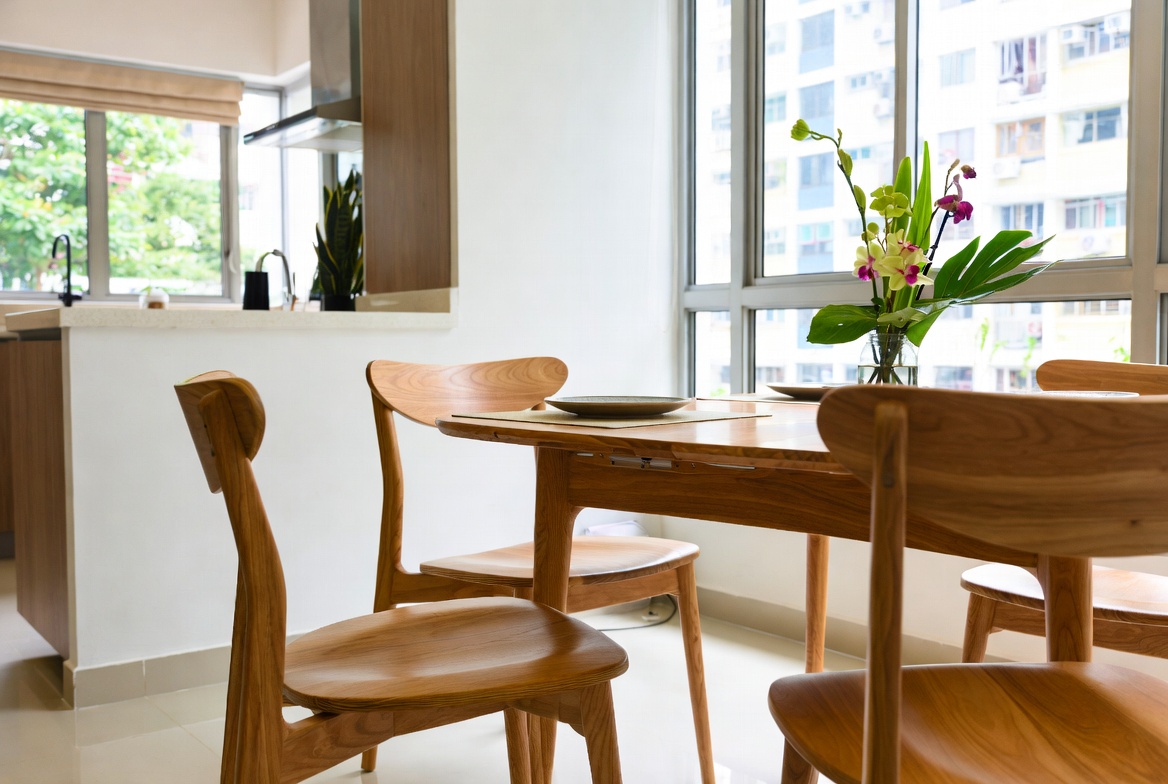
Think of it this way: the hardware is the unsung hero of your extendable dining table. The living room is typically the initial area people walk into first and where the family spends most evenings, so it feels right to want furniture that appears stylish, organises cables neatly, and doesn’t make the room feel smaller than it normally is in HDB or condo layouts. Many Singaporeans deal with clunky legacy furniture or low-cost options that shake, collect dust easily, or just don’t match the modern vibe they’re trying to achieve. That’s exactly where a well-chosen furniture store singapore really delivers—it provides sleek storage for media devices, set-top boxes, and remote controls while serving as an elegant centrepiece that brings the room together seamlessly with sharp modern edges, thoughtful compartments, and premium finishes. Local homeowners across the island often must navigate specific hurdles when buying new furniture, mainly due to limited room sizes common in public and private housing and year-round moisture levels that test material durability. This is exactly why savvy Singapore buyers invest effort upfront to choose wisely to get maximum return on their investment. extendable dining table singapore consistently ranks as a fantastic purchase that combines both outstanding comfort along with real durability. Always keep in mind that investing in cost-effective designs in Singapore with excellent after-sales service ensures comprehensive support such as timely island-wide delivery, expert installation, and reliable warranties that deliver true long-term peace of mindthat lasts.. Suddenly your entertainment setup feels organised and intentional, the area feels more spacious and cohesive, and Netflix sessions feel so much better without the clutter distracting everyone. Browsing curated options on platforms like Wondrous La Vie lets you find designs that fit your space perfectly, from minimalist to luxurious, so your living room upgrade feels effortless and spot-on.. It's what allows the table to transform from a compact everyday piece to a spacious gathering spot. It determines how smoothly the extension mechanism operates, how stable the table is when fully extended, and ultimately, how long your furniture will last. After all, nobody wants to be replacing their dining table every few years, right?

This isn't just about saving money in the long run (though that's a definite perk!). It's about ensuring your peace of mind. It's about knowing that your extendable dining table in Singapore is a reliable, sturdy piece of furniture that can handle whatever life throws its way – from spilled kopi to boisterous laughter and everything in between. So, let's dive into what you should be looking for before you commit to that purchase. Consider this your pre-purchase checklist for extendable table hardware, Singapore style!

Understanding Extendable Table Mechanisms

Okay, so you're ready to roll up your sleeves and get a little technical? Don't worry, it's not rocket science! Understanding the different types of extendable table mechanisms will give you a serious leg up when you're inspecting that potential new dining table. It's like knowing the engine of a car before you buy it – you want to make sure it's a reliable one, leh!

Generally, extendable dining tables in Singapore use one of a few common mechanisms. The most popular ones include:

  • Butterfly Leaf: This is a super convenient design where the extra leaf (or leaves) are folded and stored *underneath* the main tabletop. When you need to extend the table, you simply unfold the leaf and lock it into place. It’s great for saving space, as you don't need to find a separate place to store the extension leaf.
  • Drop Leaf: These tables have hinged leaves on one or both sides that can be raised and supported by brackets or legs. While less common for dining tables designed to seat larger groups, they're perfect for smaller spaces where you only occasionally need extra surface area.
  • Extension Leaf with Separate Storage: This is the classic design where you have one or more separate leaves that you insert into the center of the table when you want to extend it. These leaves usually need to be stored elsewhere, like in a cupboard or closet.
  • Center Extension with Folding Leaves: The tabletop splits in the middle, and leaves stored underneath fold out to expand the table. Similar to the butterfly leaf, but often allows for more extension.

Each of these mechanisms has its own set of pros and cons. For example, butterfly leaf mechanisms are fantastic for ease of use, but they can sometimes be less sturdy than tables with separate leaves, especially if the hardware isn't up to par. Extension leaves stored separately might be a bit more of a hassle to store, but they often allow for a larger extended table size and can provide superior stability, especially if the table uses a robust locking system.

Now, here's where the inspection comes in. Regardless of the mechanism, you want to pay close attention to the quality of the hardware used. Are the hinges strong and smooth? Do the locking mechanisms feel secure? Are the extension leaves easy to insert and remove? Give everything a good wiggle and a thorough test. Don't be shy! After all, you're about to drop some serious cash on this thing. Knowing what mechanism you're dealing with will help you identify potential weak points and ensure that your extendable dining table is built to last. And that, my friend, is always a good thing.

One curiosity bit: some high-end extendable tables even use gas-assisted mechanisms for super smooth and effortless extension. Fancy, right?

Key Hardware Components to Inspect

Alright, now that you know your butterfly leaves from your drop leaves, let's get down to the nitty-gritty. What specific hardware components should you be scrutinizing before you commit to that extendable dining table in Singapore? Think of it like this: you're a detective, and the hardware is your crime scene. You're looking for clues that indicate quality and durability.

Here are some key areas to focus on:

  • Hinges: For tables with folding leaves (butterfly or drop leaf), the hinges are *critical*. Look for solid, heavy-duty hinges made from materials like steel or brass. Avoid flimsy, lightweight hinges that look like they might bend or break easily. Open and close the leaves several times to check for smooth, consistent movement. Any squeaking, sticking, or wobbling is a red flag.
  • Locking Mechanisms: These are what keep the table securely extended. Whether it's a simple latch or a more complex cam lock, make sure the mechanism is easy to operate and provides a firm, positive lock. Test it repeatedly to ensure it doesn't slip or disengage accidentally. A loose or unreliable locking mechanism can lead to a wobbly table and potential accidents, especially with kids around.
  • Slides or Glides: For tables with extension leaves that slide out, pay close attention to the slides or glides. These should be smooth and effortless to operate, even when the table is fully extended. Look for slides made from metal or high-quality plastic. Avoid slides that feel rough, sticky, or require excessive force to move. Ball-bearing slides are generally a good sign of quality.
  • Support Legs or Brackets: Some extendable tables have extra support legs or brackets that swing out to support the extended leaves. These supports should be sturdy and well-attached to the table frame. Give them a good shake to make sure they don't wobble or flex excessively. Weak supports can compromise the stability of the extended table.
  • Screws and Bolts: This might seem obvious, but check all the screws and bolts that hold the hardware together. Make sure they are tight and secure. Loose screws can cause the hardware to loosen and fail over time. If possible, look for screws and bolts made from rust-resistant materials like stainless steel, especially important in Singapore's humid climate.
  • After a long day being crammed in the MRT and powering through meetings, most busy Singaporeans just want to step into their house to a space that feels cosy and stress-free instead of making things worse. A messy living area or an unrestful bedroom can make relaxing even tougher, especially when the whole family hope to relax together. That’s where thoughtful interior design blog really makes a difference—it turns everyday rooms like your living area, sleeping space, or cooking zone into true recharge spots that actually help you recharge. With the right living room seating, sleep surface, or functional arrangement, suddenly walking through the door feels so shiok, and small changes can bring big improvements to your well-being and family moments. Sites such as Wondrous La Vie make it easier to discover inspiration and connect with home designers who understand the Singapore home vibe perfectly. This format lets you easily generate multiple SEO-optimised variations while keeping the core keyword "interior design" stable in the middle for strong on-page targeting..

Don't be afraid to get down on your hands and knees to inspect the hardware from all angles. Bring a small flashlight if you need to see into tight spaces. The more thorough you are, the better your chances of finding any potential problems before you buy. Remember, a little bit of detective work now can save you a lot of headaches (and money!) later.

And here's a little curiosity: some tables have self-equalizing slides, meaning they automatically keep the extension leaves aligned. Pretty neat, huh?

Materials Matter: Choosing Durable Hardware

So, you've poked, prodded, and wiggled all the hardware components. Now, let's talk about materials. Because, let's face it, not all hardware is created equal. The material used in the construction of the hinges, locks, and slides will have a *huge* impact on the durability and longevity of your extendable dining table in Singapore. After all, you want something that can withstand the test of time, and maybe even survive a few overly enthusiastic family gatherings, right?

Here's a breakdown of some common hardware materials and what to look for:

  • Steel: Steel is a strong and durable material that's commonly used for hinges, slides, and locking mechanisms. Look for steel hardware with a rust-resistant finish, such as powder coating or galvanization. This is especially important in Singapore's humid climate, which can quickly corrode unprotected steel. Stainless steel is an even better option, as it's naturally rust-resistant.
  • Brass: Brass is another durable and corrosion-resistant material that's often used for hinges and decorative hardware. It has a classic, elegant look that can add a touch of sophistication to your dining table. However, brass can be more expensive than steel.
  • Aluminum: Aluminum is a lightweight and rust-resistant material that's sometimes used for slides and support legs. While it's not as strong as steel, it can be a good option for tables that don't require heavy-duty support. Look for aluminum hardware with a durable finish to prevent scratches and dents.
  • Plastic: Plastic is often used for smaller components like glides, latches, and edge protectors. While plastic can be a cost-effective option, it's generally not as durable as metal. Look for high-quality plastics that are resistant to cracking and breaking. Avoid flimsy, brittle plastics that feel like they might snap easily.

When in doubt, opt for metal hardware over plastic. Metal is generally stronger, more durable, and more resistant to wear and tear. It's also less likely to be affected by temperature and humidity changes. Pay attention to the finish of the hardware as well. A good finish will protect the underlying material from corrosion and scratches, extending the life of your dining table. And remember, a little extra investment in quality hardware can save you a lot of money and hassle in the long run.

One thing I didn't know until recently: some high-end tables use titanium alloys in their hardware for ultimate strength and lightness. Talk about atas!

```html

Testing the Extension Mechanism: A Hands-On Approach

Okay, time to get your hands dirty! Reading about hardware is one thing, but actually testing the extension mechanism is where the rubber meets the road. This
Understanding Extendable Table Mechanisms

So, you're finally setting up your own place in Singapore, lah? Congrats! Whether it's a brand new BTO flat or a cozy resale, furnishing it just right is key. And if you're anything like most of us, space is probably a top concern, right? That's where an extendable dining table comes in lah. It's like having your cake and eating it too – compact for everyday use, but ready to party when you have guests over. But before you jump in and buy the first one you see, let's talk about what makes these tables tick. After all, you want something that's going to last, kancheong spider no use!

Butterfly Leaf Mechanisms: The Hidden Helper

The butterfly leaf – sounds pretty, right? Well, it is pretty clever too. Imagine a table where the extra leaf (or leaves) is neatly folded and tucked away right under the main tabletop. When you need more space, you simply pull the table apart slightly, unfold the leaf like a butterfly's wings, and voila! Instant extra seating.

Pros: These are super convenient, especially if you're short on storage space. No need to find a closet to stash the extra leaf when it's not in use. Everything is self-contained, which is a definite plus in our space-conscious Singapore homes. Plus, butterfly leaves often create a seamless look when extended, which is great for aesthetics.

Cons: The mechanism can sometimes be a bit fiddly, especially on cheaper models. You'll want to make sure it's smooth and easy to operate before you commit. Also, because the leaf is stored underneath, it might limit the table's apron height (the space between the tabletop and the frame). This might affect your legroom, so it's worth checking out, especially if you have taller family members. And, let's be real, sometimes the folding and unfolding can feel a bit like a puzzle. But once you get the hang of it, it's steady.

Things to consider: Give the butterfly leaf mechanism a test run! Open and close it a few times to make sure it's smooth and easy to use. Check the hinges and hardware for sturdiness. You don't want something that's going to break after just a few uses. You are looking for extendable dining table Singapore options that are durable, right?

Drop Leaf Mechanisms: Classic and Compact

Drop leaf tables are a classic for a reason. They usually have one or two hinged leaves that can be folded down to save space. Think of it like having a small table that can instantly become bigger when you need it to. These are great for smaller apartments or for creating a flexible dining area.

Pros: Drop leaf tables are often very compact when folded down, making them ideal for tight spaces. They're also generally quite simple in design, which can make them more affordable. Plus, they can double as a console table or side table when not in use, making them super versatile. They're especially good if you need that furniture to serve multiple purposes.

Cons: The biggest drawback is that the leaves need to be supported by brackets or legs when extended. This can sometimes feel a bit less stable than a table with a solid base. Also, the leaves might not perfectly match the main tabletop in terms of color or finish, especially on older tables. And unlike butterfly leaves, you’ll need to store the leaves somewhere when they're not in use, which might be a hassle if you're already short on space. It's a bit of a trade-off, lah.

Things to consider: Check the hinges and supports for sturdiness. Make sure the leaves lock securely into place when extended. Consider where you'll store the leaves when they're not in use. And, if you're buying a vintage drop leaf table, inspect the wood for any signs of damage or wear.

Internally Stored Leaves: Seamless Expansion

This type of extendable dining table Singapore solution features leaves that are stored inside the table itself, often in a compartment beneath the tabletop. When you need to extend the table, you simply slide the tabletop apart and lift out the leaves. It's a pretty slick design, and it keeps everything neat and tidy.

Pros: The biggest advantage is the seamless look. Because the leaves are stored internally, they're usually a perfect match for the main tabletop in terms of color and finish. This creates a very polished and sophisticated look when the table is extended. Plus, like butterfly leaves, you don't have to worry about finding a place to store the extra leaves. Everything is right there, ready to go.

Cons: These tables can be a bit more expensive than other types of extendable tables, due to the more complex mechanism. Also, the internal storage compartment can take up some space, which might limit the table's legroom or overall design. And, depending on the design, the mechanism can sometimes be a bit heavy or difficult to operate. You'll want to make sure it's smooth and easy to use before you buy. Some are so heavy, you might need a friend to help you extend it, leh!

Things to consider: Pay close attention to the mechanism. Make sure it's smooth, sturdy, and easy to operate. Check the weight of the leaves and the table itself. You don't want something that's going to be a pain to move around. Also, consider the legroom. Make sure there's enough space for everyone to sit comfortably, even when the table is fully extended.

A Pre-Purchase Checklist: Ensuring a Smooth Experience

Okay, so you've got a good idea of the different types of extension mechanisms. Now, let's run through a quick checklist to make sure you're making a smart purchase. After all, buying furniture is an investment, and you want something that's going to last. This is especially important when looking for an extendable dining table Singapore solution because you're looking for something that can withstand the test of time.

  1. Smooth Operation: Can you easily extend and collapse the table? Test it out a few times.
  2. Sturdy Construction: Are the hinges, supports, and legs solid and well-made? Give everything a good wiggle.
  3. Leaf Storage: Where are the leaves stored? Is it convenient and practical for your space?
  4. Matching Finish: Do the leaves match the main tabletop in terms of color and finish? You want a seamless look, right?
  5. Legroom: Is there enough legroom for everyone, even when the table is fully extended? Don't forget to consider the height of your chairs.
  6. Size Matters: Does the table fit comfortably in your dining area, both when it's compact and when it's fully extended? Measure, measure, measure!
  7. Material Quality: What is the table made of? Is it durable and easy to clean? Consider your lifestyle and how much wear and tear the table will endure.
  8. Price Point: Does the table fit your budget? Don't forget to factor in delivery costs and any potential assembly fees.

Don't be afraid to ask questions! The salesperson should be able to answer all your questions about the table's construction, materials, and warranty. And remember, it's always a good idea to read online reviews before you buy. See what other people are saying about the table's quality and durability.

Beyond the Mechanism: Style and Functionality

Of course, the extension mechanism is just one piece of the puzzle. You also want to consider the overall style and functionality of the table. Does it match your existing decor? Is it the right size and shape for your dining area? Is it easy to clean and maintain? These are all important factors to consider when choosing an extendable dining table Singapore style.

Think about the shape of the table. Round tables are great for creating a sense of intimacy, while rectangular tables are better for maximizing seating capacity. Consider the material. Wood tables are classic and durable, while glass tables can create a more modern and airy look. And don't forget about the finish. A light finish can brighten up a small space, while a dark finish can add a touch of drama. In Singapore’s hectic life, coming home to a space that feels properly relaxing can make all the difference after a tiring day of work and commuting. Many busy families begin looking at upgrades for their living room or master bedroom, imagining pieces that feel premium while actually being comfortable enough for real life. That’s exactly why singapore furniture shines—it brings that beautiful combination of elegant design, top-grade craftsmanship, and thoughtful comfort that turns standard areas into spots you love spending time in relaxing in. Picture settling into a luxurious couch after dinner or starting the day energised on a luxury sleep surface that supports you just right; suddenly, your home feels more like a personal retreat not just four walls. Exploring handpicked collections on platforms like Wondrous La Vie helps you discover these pieces without the overwhelm, making it simpler to create a space that’s both elegant and calming..

Ultimately, the best extendable dining table is one that meets your specific needs and preferences. Take your time, do your research, and don't be afraid to shop around. With a little bit of effort, you're confirm can find the perfect table for your Singapore home. Happy furnishing!

Checklist Item 1: Examining the Extension Mechanism

Okay, here's the HTML fragment focusing on extendable dining table mechanisms, tailored for first-time homeowners and young families in Singapore. It's designed to be engaging, helpful, and avoids sounding overly robotic.

Smooth Operation

First, give the extension mechanism a good workout. Extend and retract the table several times, paying close attention to how smoothly it moves. A well-designed extendable dining table, especially crucial in space-conscious Singapore homes, should glide effortlessly without sticking or requiring excessive force. Imagine trying to quickly extend the table when guests arrive – you don't want to be wrestling with it! A smooth operation indicates quality construction and durable hardware, meaning fewer headaches down the road. After all, you want a table that's steady and reliable, confirm can last, not one that gives you a workout every time you need extra space.

Alignment Accuracy

Once extended, carefully examine the alignment of the tabletop sections. Are they perfectly flush, or are there noticeable gaps or uneven surfaces? Misalignment not only looks unsightly but can also create an unstable dining surface. Imagine trying to balance a plate of nasi lemak on a wobbly table – not ideal, right? Proper alignment is a sign of precision engineering and careful manufacturing. Look closely at the seams where the leaves join; they should be as seamless as possible. A good extendable dining table singapore should provide a level and continuous surface, even when fully extended.

Stability Assessment

With the table fully extended, give it a gentle shake to assess its overall stability. Does it feel sturdy and secure, or does it wobble or feel flimsy? A stable extendable dining table is essential for safety and peace of mind, especially if you have young children. After those hectic office days and the usual crowded MRT ride, nothing beats walking into a living area that actually welcomes you to rest instead of adding to the fatigue. Many Singapore families realise their old couch just isn’t cutting it—too stiff, too worn, or simply not cozy enough for movie nights or lazy weekends with the little ones. That’s precisely where luxury furniture truly shines—it combines timeless style, luxurious leather or velvet, and thoughtful support structure so you can sink in and fully chill without your back aching afterwards. Visualise the kids and parents coming together effortlessly, chatting over supper or binge-watching shows, because the space finally feels warm and welcoming. Choosing the perfect piece through curated platforms Wondrous La Vie removes the hassle, letting you find that perfect piece that lifts the whole home atmosphere without the common home-upgrade worries.. Check the legs and supporting structure for any signs of weakness or instability. The joints should be solid and well-connected. Remember, this table will likely be the center of many family meals and gatherings, so stability is paramount. You wouldn't want any accidents happening, like that time Auntie fell off her chair, right?

Locking Mechanisms

Many extendable tables feature locking mechanisms to secure the extended leaves in place. Inspect these mechanisms carefully to ensure they are functioning correctly. They should engage easily and hold the leaves firmly together, preventing them from shifting or separating during use. Test the locks by applying gentle pressure to the extended leaves. A secure locking system is crucial for maintaining the table's stability and preventing accidents. Think of it as the "steady" button for your dining experience. Without proper locks, the table might feel a bit "anyhow", which isn't what you want lah.

Hardware Quality

Take a close look at the quality of the hardware used in the extension mechanism. Are the hinges, slides, and brackets made from durable materials like steel or aluminum, or do they appear flimsy and prone to bending or breaking? High-quality hardware is essential for ensuring the longevity and smooth operation of the table. Look for signs of rust or corrosion, which can indicate poor quality materials or inadequate finishing. Investing in an extendable dining table singapore with robust hardware is a wise choice, as it will withstand the rigors of daily use and last for years to come. After all, you want something that's going to last, not something you need to replace in a few months, like that cheap phone one.

Checklist Item 2: Evaluating the Locking System

Okay, so you're eyeing an extendable dining table Singapore, right? Smart move! Space is precious in Singapore, and these tables are lifesavers. But before you swipe your card, there's more to consider than just the looks. You need to make sure it's actually *functional*. Think about it – you don't want a table that collapses mid-dinner party, kancheong spider moment, right?

That's why we're diving deep into the nitty-gritty of extendable table hardware. This isn't the most glamorous part of furniture shopping, I know. But trust me, a little bit of scrutiny now can save you a whole lot of frustration (and maybe even a spilled plate of chicken rice!) later. We're going to look at all those hidden mechanisms that make an extendable dining table work, ensuring you get a piece that's not only stylish but also sturdy and reliable for years to come.

So, let's get practical. You've found a table you like, you've checked the dimensions, and the style fits your home. Now, it's time to get down to business and examine the heart of the matter: the locking system.

The Crucial Role of a Solid Locking Mechanism

Imagine this: you've invited your family over for a special occasion, everyone's gathered around your beautiful extendable dining table, laden with delicious food. Then, as someone leans on the extended portion, *creak*, *groan*, and the table starts to buckle. Not a pretty picture, is it? A robust locking mechanism is the unsung hero that prevents this from happening. Singapore homes can feel extra cramped after a hectic day of rushing between office, meetings, and the inevitable MRT crowd, so it’s no wonder many people yearn for a space that immediately soothes you the moment they enter their home. The hall often ends up as the heart of the home, yet it’s easy for it to become overrun by random items or worn-out seating, leaving everyone scattered instead of gathered together. That’s where promotions completely changes the game—it upgrades the whole area with refined arrangements, high-end materials and finishes, designer lighting accents, and seating that feels as good as it looks, creating an welcoming centre where everyone naturally gathers to chill, talk, or bond effortlessly. Suddenly evenings feel more meaningful, weekends more restful, and walking in the door feels exciting rather than merely the close of another grind. Platforms like Wondrous La Vie make exploring these upgrades simple, helping you imagine and find the ideal features to create your dream living space that fits your family’s needs spot on.. It’s what keeps your table rock solid, whether it's in its compact form or fully extended, like a dependable friend who always has your back. It's all about stability and safety, especially if you have young children running around. You wouldn’t want any accidents, confirm plus chop!

Think of the locking system as the table's backbone. It's what gives the extended leaves the support they need to bear weight without wobbling or sagging. A good locking system will distribute the load evenly across the entire table structure, ensuring that even when fully extended, your table remains a stable and secure surface for dining, working, or whatever else you need it for. Consider the various extendable table mechanisms available, such as butterfly leaf, drop leaf, or even geared mechanisms. Each has its own locking style, and some are inherently more robust than others.

How to Put the Locking System to the Test

Alright, time to get hands-on. Don't be shy – this is your chance to be a furniture detective! Here’s what you need to do to properly inspect the locking system of your potential extendable dining table Singapore:

  • Extend and Retract: The first thing you should do is extend and retract the table several times. Pay close attention to how smoothly the mechanism operates. Does it glide effortlessly, or does it require a lot of force? A smooth, easy action is a good sign of quality construction and a well-designed locking system. If it feels clunky or sticky, that's a red flag. It might indicate poor alignment or cheap materials that could wear out quickly.

  • Engage the Locks: Once the table is fully extended, carefully engage all the locking mechanisms. These might be levers, latches, or even simple pins. Make sure each lock clicks firmly into place and feels secure. Don't just give them a cursory glance – really test them. Try gently wiggling the extended leaves to see if there's any play or movement. A solid locking system will hold the leaves tightly together, with no noticeable gaps or wobbling. If the locks feel loose or flimsy, or if the leaves don't align properly, that's a sign of a substandard locking system.

  • Apply Pressure: With the table fully extended and locked, apply gentle pressure to the extended leaves. Lean on them slightly, as you would during a normal meal. Does the table feel stable and secure, or does it flex or creak under the weight? A good locking system should be able to withstand reasonable pressure without any signs of weakness. If the table feels unstable or if the locks start to disengage, that's a clear indication that the locking system isn't up to par.

  • Check for Gaps: Visually inspect the seams where the extended leaves meet the main table. Are there any noticeable gaps or misalignments? Even small gaps can weaken the overall structure and make the table less stable. A well-designed locking system will ensure that the leaves fit together seamlessly, creating a smooth and even surface.

What to Look For: Signs of a Quality Locking System

So, you've done your testing – now what? Here's a handy checklist of what to look for in a reliable locking system:

  • Solid Materials: The locking mechanism should be made of durable materials like steel or heavy-duty metal alloys. Avoid plastic or flimsy-looking components, as these are likely to break or wear out quickly. Remember, you want something that can withstand daily use for years to come.

  • Smooth Operation: The locking mechanism should operate smoothly and easily, without requiring excessive force. A clunky or sticky mechanism is a sign of poor design or low-quality materials.

  • Secure Engagement: The locks should engage firmly and securely, holding the extended leaves tightly together without any play or movement. Loose or flimsy locks are a major red flag.

  • Flush Alignment: The extended leaves should align perfectly with the main table surface, creating a smooth and even surface without any noticeable gaps or misalignments. Even small gaps can weaken the overall structure and detract from the table's appearance.

  • Positive Reviews: Don't just rely on your own observations. Check online reviews and see what other customers have to say about the table's locking system. Pay attention to any complaints about stability, durability, or ease of use. Real-world feedback can be invaluable in making an informed decision.

Don’t be afraid to ask the salesperson questions! They should be able to explain the locking mechanism in detail and demonstrate how it works. If they seem evasive or unsure, that's a sign that they might be trying to hide something. A reputable furniture store will be happy to provide you with all the information you need to make an informed decision.

Why This Matters in the Long Run (and Your Wallet!)

Investing in an extendable dining table Singapore with a solid locking system isn't just about avoiding embarrassing dinner party mishaps. It's about long-term value and peace of mind. A well-built table with a reliable locking mechanism will last for years, providing you with a stable and functional surface for all your dining and entertaining needs. In the long run, it's much cheaper to invest in quality upfront than to replace a flimsy table every few years.

Think about it: a wobbly, unstable table isn't just annoying – it's also a safety hazard. Spilled drinks, dropped plates, and even potential injuries are all risks associated with a poorly constructed table. By choosing a table with a robust locking system, you're protecting yourself and your loved ones from potential accidents. Plus, a sturdy table will hold its value better over time, making it a worthwhile investment for your home. It’s like buying a good insurance, steady and reliable!

So, there you have it – a comprehensive guide to evaluating the locking system of an extendable dining table. It might seem like a small detail, but it can make a big difference in the overall quality and longevity of your furniture. Take your time, do your research, and don't be afraid to ask questions. Your future self (and your dinner guests!) will thank you for it. Happy furniture hunting!

Smooth Extension Mechanism

Prioritize tables with a fluid and easy-to-operate extension mechanism. Test the mechanism several times to ensure it doesn't stick, jam, or require excessive force. Look for smooth gliding and secure locking in both extended and retracted positions.

Robust Locking System

A reliable locking system is crucial for stability. Verify that the table locks firmly in its extended position, preventing wobbling or accidental collapse. Inspect the locking mechanism for durability and ease of use, ensuring it can withstand repeated use.

Material Quality and Construction

Examine the materials used in the extension mechanism and supporting hardware. High-quality materials like stainless steel or reinforced alloys ensure longevity and resistance to wear and tear. Assess the overall construction for sturdiness and proper alignment.

Checklist Item 3: Observing the Quality of Materials

Okay, so you're hunting for the perfect furniture, maybe an extendable dining table Singapore-style, right? Something stylish, functional, and, most importantly, *durable*. After all, no one wants a table that's going to fall apart after a few family dinners, especially not after braving the crowds at the furniture stores, leh! So, beyond the look, you gotta check the *bones* of the thing – the materials.

Think about it: Singapore's humidity is no joke. And let's be real, our tables see a lot of action – from hotpots to homework. You need materials that can withstand the climate and the daily grind. This isn't just about aesthetics; it's about longevity and getting the most bang for your buck. So, let’s dive into what you should be looking for.

Metal Components: Rust Resistance is Key

When it comes to extendable tables, the metal parts are crucial. We're talking about the hinges, the sliders, the locking mechanisms – the unsung heroes that allow your table to transform from a cozy four-seater to a dinner-party-ready expanse. But here's the thing: Singapore's humidity can be brutal on metals. Rust is the enemy, and it can quickly turn a beautiful table into a wobbly eyesore.

So, what should you look for? Stainless steel is your best friend. It's naturally resistant to corrosion, making it a solid choice for our climate. Look for markings that indicate the grade of stainless steel; higher grades offer better protection. Powder-coated metals are another good option. The powder coating acts as a protective barrier, shielding the metal from moisture and preventing rust. Ask the salesperson about the type of metal used and whether it's treated for rust resistance. Don't be shy! It’s your hard-earned money, right?

Also, give the metal components a good once-over. Are the welds clean and strong? Do the hinges move smoothly? Any signs of existing rust or corrosion? If you see anything suspicious, it's a red flag. Remember, a little extra scrutiny now can save you a lot of headaches (and money) down the road. Especially if you plan to have it outdoors or near a window where it gets a lot of sunlight and rain.

I remember one time, I bought a metal shelf for my balcony. Looked great at first, but within a few months, rust started creeping in. I learned my lesson the hard way – always check for rust resistance! Now, I'm all about stainless steel and powder-coated everything. Confirm can last!

Hinges and Sliding Mechanisms: Smooth Operation Matters

The hinges and sliding mechanisms are the heart of any extendable dining table Singapore. They're what allow you to effortlessly expand and collapse the table, adapting to your needs. But if these mechanisms are flimsy or poorly made, the whole table suffers. Imagine struggling to extend your table every time guests come over – not exactly ideal, is it?

So, how do you assess the quality of these components? First, give them a try. Extend and collapse the table a few times. The movement should be smooth and fluid, without any sticking or grinding. Pay attention to the sound. Squeaking or creaking can indicate poor lubrication or low-quality materials. Look for hinges and sliders made from solid metal, preferably with a smooth, polished finish. Avoid anything that looks flimsy or wobbly. Check how the extendable dining table Singapore is assembled.

Consider the type of extendable dining table Singapore mechanism used. Some tables use butterfly leaf mechanisms, where the extra leaf folds out from the center of the table. Others use drop-leaf mechanisms, where the extra leaves are hinged to the sides of the table. And still others use extension leaves that are stored separately and inserted into the center of the table. Each type has its own advantages and disadvantages, so choose one that suits your needs and preferences. But whatever you do, make sure the mechanism is well-built and easy to operate.

Consider the weight capacity of the extended table. Can it handle a full load of dishes and drinks without sagging or wobbling? A well-designed table will have sturdy supports and a robust locking mechanism to ensure stability, even when fully extended.

Wood and Other Materials: Durability and Finish

Of course, the metal hardware isn't the only thing that matters. In Singapore’s tropical climate and fast-paced daily grind, getting quality rest can feel like a true indulgence when you’re waking up with backaches or feeling groggy despite trying to rest early. Many homeowners put up with an worn-out bed for far too long because shopping for a replacement seems daunting—endless options, confusing firmness levels, and worries it won’t suit their personal needs and preferences. That’s exactly why finding the furniture showroom singapore changes everything—it offers the perfect combination of proper spinal alignment, cooling breathability, pressure relief, and long-lasting quality so you actually wake up feeling refreshed instead of sore and exhausted. Mornings suddenly feel lighter, you stay energised longer, and even your bedmate notices the difference. Exploring handpicked selections on places like Wondrous La Vie makes it far easier, letting you compare top-rated picks with genuine homeowner reviews and realistic images to select what perfectly fits for your bedroom.. The quality of the wood or other materials used for the tabletop and legs is equally important. You want something that's durable, scratch-resistant, and easy to clean. After all, spills happen, especially with kids around, right?

For wood tables, look for hardwoods like oak, maple, or teak. These woods are naturally strong and resistant to dents and scratches. Softwoods like pine are more prone to damage, so they may not be the best choice for a high-traffic area. Check the grain of the wood. A tight, even grain indicates a higher-quality piece of wood. Also, look for a smooth, even finish. Any imperfections in the finish can indicate poor workmanship or low-quality materials.

If you're considering a table made from other materials, such as glass or laminate, pay attention to the quality of the finish. Glass tabletops should be tempered for safety and scratch resistance. Laminate tabletops should be thick and durable, with a seamless edge to prevent moisture from seeping in. Consider also the thickness of the table top. A thicker table top will be more durable and less likely to warp or sag over time.

And don't forget about the legs! The legs need to be sturdy enough to support the weight of the table, especially when it's fully extended. Look for legs that are made from solid wood or metal, with strong, secure connections to the tabletop. Give the table a little shake to test its stability. Any wobbling or swaying is a sign of weak construction.

Ultimately, choosing the right materials is all about finding the sweet spot between durability, aesthetics, and budget. Don't be afraid to ask questions, do your research, and compare different options. With a little bit of effort, you can find an extendable dining table Singapore that will last for years to come – a steady investment for your home and family.

Checklist Item 4: Inspecting for Rust and Corrosion

Okay, you're getting ready to buy an extendable dining table in Singapore. Smart move! These tables are lifesavers in our space-conscious homes, right? You want something that'll last, especially with our humid weather. So, let's talk about something super important: rust and corrosion.

Why Rust is a Real Deal Breaker (Especially Here)

Think about it: Singapore’s weather is no joke. We get intense humidity, salty sea breezes (if you're near the coast, anyway!), and sudden downpours. All of that moisture is like a buffet for rust. And trust me, you don't want rust on your brand new extendable dining table singapore. It’s not just ugly; it can weaken the entire structure. Imagine inviting your friends over for a steamboat session, and the table decides to give way! Not a good look, lah.

Rust, scientifically speaking, is iron oxide. It forms when iron or steel is exposed to oxygen and moisture. Corrosion, on the other hand, is a broader term that describes the degradation of a material due to chemical reactions. While rust is a specific type of corrosion, the principles of prevention are similar. So, whether it's rust on the steel frame or general corrosion on other metal parts, you need to be vigilant.

Extendable tables, especially those with metal Furniture mechanisms, are particularly vulnerable. These mechanisms often involve intricate moving parts, and even a small amount of rust can seize them up, making it difficult, or even impossible, to extend or retract the table. You'll be stuck with either a small table when you need a big one, or a big table when you want to save space. That's why this check is so crucial.

Where to Look for Trouble Spots

Alright, let's get down to the nitty-gritty. Where exactly should you be looking for rust and corrosion when you're checking out an extendable dining table singapore? Here's a checklist:

  • The Extension Mechanism: This is the number one suspect. Carefully examine all the hinges, slides, and locking mechanisms. Look for any signs of reddish-brown discoloration or pitting. Try extending and retracting the table a few times. Does it move smoothly, or does it feel stiff or grindy?
  • Legs and Frame: Check the legs, especially near the floor. Moisture tends to accumulate there. Also, inspect the frame that supports the tabletop. Look for any signs of rust, especially at joints and welds.
  • Screws and Bolts: These little guys are often overlooked, but they can be a major source of rust. Make sure they're clean and free of corrosion. If they're already rusty, that's a bad sign, even if the rest of the table looks okay.
  • Underside of the Tabletop: Don't forget to flip the table over (carefully, of course!). The underside is often less well-protected than the top, and it can be a breeding ground for rust, especially if the table has been stored in a humid environment.

Don't just rely on your eyes, though. Run your hand over the metal parts. Do you feel any roughness or pitting? That's a telltale sign of rust. A small mirror and a flashlight can be super helpful for getting a good look at hard-to-reach areas.

What to Do If You Spot Rust (Or Even Suspect It)

So, you've found some rust. Now what? Well, it depends on how much rust there is. With Singapore’s compact homes and hot sticky weather, finding furniture pieces that’s both elegant yet functional can feel like a endless chase—especially when you want pieces that endure long-term without fading or wearing out. Many locals end up choosing mainstream choices that appear decent in photos but disappoint in real life—either too flimsy for daily family use or not suitable for our heat for our humid conditions. That’s why visiting a reliable mattress store singapore like those featured on Wondrous La Vie changes everything—it puts you in touch with handpicked collections of quality sofas, supportive mattresses, dining furniture, and more, with real showrooms or detailed visuals so you can be sure about what suits your flat, apartment, or house. You get that reassurance knowing the furniture are tailored to local needs—long-lasting builds, practical proportions, and styles that truly make coming home feel good. In the end, the ideal source turns what could be a stressful errand into an fun upgrade process toward a space you can’t wait to return to.. If it's just a tiny bit of surface rust on a screw, it might not be a deal-breaker. You could potentially clean it off and apply a rust inhibitor. But if you see significant rust, especially on the extension mechanism or frame, you should probably walk away. Confirm can, it's not worth the potential hassle and structural issues down the road.

Even if you don't see any visible rust, but you suspect it might be lurking beneath the surface, ask the seller some questions. Has the table been stored in a humid environment? Has it been treated with any rust-preventative coatings? A reputable seller should be able to answer these questions honestly and provide you with documentation if necessary.

Here's a little pro tip: If the seller tries to brush off your concerns about rust or tells you it's "just cosmetic," that's a red flag. A good seller will be transparent about any potential issues and willing to address them.

Prevention is Better Than Cure (Confirm!)

Of course, the best way to deal with rust is to prevent it in the first place. Once you've found the perfect extendable dining table singapore, take steps to protect it from the elements. Keep it clean and dry, and avoid placing it in areas with high humidity. You might even consider applying a rust inhibitor to the metal parts, especially if you live near the coast.

Think of it like this: you wouldn't leave your brand new phone out in the rain, right? Your Furniture deserves the same level of care. By taking a few simple precautions, you can keep your extendable dining table looking great and functioning smoothly for years to come. And that, my friend, is a steady investment in your home and your peace of mind.

So, next time you're shopping for an extendable dining table singapore, remember to bring your magnifying glass and your detective skills. A little bit of rust inspection can save you a whole lot of heartache (and money!) in the long run. Happy furniture hunting!

Checklist Item 5: Testing the Table's Overall Stability

Okay, you’ve found an extendable dining table Singapore that *looks* good. The finish is nice, the style suits your HDB flat… but can it actually *handle* your family and friends piling on the food during gatherings? This is where the stability test comes in. Don’t skip this, or you might regret it later, especially after you’ve spent your hard-earned money!

Think of it like this: you wouldn't want your delicious chicken rice to topple over just because someone leaned on the table a bit too hard, right? Let's make sure your new dining table is steady lah.

The Wobble Test: Extended and Unextended

First things first, give the table a good shake when it's in its regular, unextended form. Place your hands on opposite corners and gently try to rock it. Is it solid? Great! A slight give is acceptable, especially on uneven floors (common in older buildings), but anything more than that is a red flag. Remember, even if your floor *looks* level, it might not be perfectly so. You can always use furniture pads to compensate for minor wobbles, but you want a fundamentally stable table to begin with.

Now, for the crucial part: extend the table fully. This is where cheaper extendable table mechanisms can really show their weaknesses. Repeat the wobble test. Does it feel as solid as it did when unextended? If not, don't panic immediately, but investigate further. Singaporeans are always on the lookout for clever opportunities to update their living spaces without spending too much, especially when home upgrades in flats or condos can already consume a large portion of the reno savings. Between rising costs and the wish for a comfier, better-organised environment, many Singapore homeowners hold off for the perfect moment to refresh seating, sleep surfaces, or meal areas that actually make daily life feel better. That’s when jumping on bed frame promotion proves to be a smart move—it lets you snag high-quality, stylish pieces at meaningful discounts, often with extra benefits like free delivery, added protection plans, or combo savings that make your money go further. Suddenly you can afford that luxury seating you’ve wanted or a supportive mattress upgrade without the guilt, turning your home into an truly welcoming retreat for bonding and rest after long workdays. Checking platforms like Wondrous La Vie puts you ahead on the current deals, so you can evaluate, picture, and claim the top bargains that match your lifestyle and interior perfectly.. Where is the wobble coming from? Is it the extension leaf itself, or the mechanism that supports it?

Sometimes, the wobble is due to a poorly designed or manufactured extension leaf. It might be slightly thinner or not perfectly aligned with the rest of the tabletop. Other times, the culprit is the table extension system. These systems can vary widely in quality, from simple butterfly leaf mechanisms to more complex synchronized extension systems. A flimsy system will inevitably lead to a wobbly table when extended.

Simulating Real-Life Use: Weight and Pressure

Okay, so the wobble test seems okay. Now, let’s simulate a real-life scenario. Imagine a typical family dinner – plates piled high, elbows on the table, maybe even a kiddo drumming their fingers impatiently. Apply gentle pressure to different points on the extended tabletop. Does it flex excessively? Does the extension leaf sag in the middle? You want a table that can handle the daily wear and tear of family life, confirm can.

If possible, get a few friends or family members to help you with this test. Have them sit around the extended table and lean on it a bit. Observe how the table reacts. Does it feel stable and secure, or does it feel like it might buckle under the weight? Remember, you're not trying to break the table, just assess its stability under realistic conditions. Think of it as a dress rehearsal for your next big gathering!

This is especially important if you plan on using the extendable dining table Singapore for heavier items, like serving dishes or even a buffet setup during parties. You don't want to be constantly worrying about the table collapsing under the weight of your delicious spread, right?

Checking the Legs and Support Structure

Don't forget to inspect the legs and support structure of the table. Are the legs securely attached to the tabletop? Are there any visible signs of weakness or damage? Look for things like cracks, loose screws, or wobbly joints. These are all signs that the table might not be as stable as it appears.

Pay particular attention to the points where the extension mechanism connects to the table frame. These are often the weakest points, and they are prone to failure if the mechanism is not properly supported. Make sure the connections are solid and that there is no excessive play or movement.

Many extendable dining tables Singapore come with extra support legs or a central support beam that provides additional stability when the table is extended. Make sure these supports are properly installed and that they are making good contact with the floor. If the supports are adjustable, make sure they are all set to the same height to avoid uneven weight distribution.

A Little Extra Tip (Just For You!)

Here's a little trick I learned from my auntie, who's a real pro at hosting: bring a small level with you when you go shopping for your extendable dining table Singapore. Place it on the extended tabletop to check for any significant unevenness. This can help you identify potential stability issues that might not be immediately obvious. It's a simple, but effective way to ensure that your new table is perfectly level and stable.

So, there you have it. A thorough stability test will give you peace of mind knowing that your new extendable dining table Singapore is up to the task. It's all about ensuring it can handle your family, your friends, and all those delicious meals without any wobbles or scares. Happy shopping, and may your future dinner parties be filled with laughter and good food, on a steady table one!

Conclusion: Making an Informed Purchase

So, you've done your research, you've measured your dining area a thousand times, and you’re *this* close to finally buying that extendable dining table in Singapore you’ve been eyeing. Smart move! These tables are a lifesaver, especially in our space-conscious homes here. But before you swipe that credit card, let's just quickly make sure you're getting your money's worth, okay?

Think of it like this: you wouldn't buy a car without checking under the hood, right? Same applies here. We're talking about furniture that hopefully will last you years, maybe even become a family heirloom! So, let's run through a quick checklist to ensure you're making a solid investment and not just buying a headache. Because nobody wants a wobbly table during Chinese New Year reunion dinner, *confirm* plus chop!

Recap: Why Inspecting Matters

Okay, let's be real. It's tempting to skip the inspection part, especially when you're excited about your new purchase. I get it, *lah*. But trust me on this one, a little bit of scrutiny now can save you a whole lot of grief later. Imagine hosting your first dinner party in your new BTO flat, only to have the table extension mechanism jam halfway through. *Siao liao*!

Inspecting the extendable dining table, especially the hardware, is crucial for a few key reasons. First, it ensures the table functions smoothly and safely. A faulty mechanism can be a real hazard, especially with kids around. Second, it helps you identify potential problems early on. A loose screw or a misaligned hinge might seem minor now, but they can quickly escalate into bigger issues down the road. Third, it gives you peace of mind. Knowing that you've thoroughly checked the table and that it meets your standards will allow you to enjoy it without constantly worrying about it falling apart. Plus, if you find any issues *before* buying, you can negotiate a better price or ask the store to fix it. Win-win!

Think about it – furniture, according to Furniture experts, is designed to support our daily activities. A dining table is where we gather, eat, and make memories. It's an investment in our lifestyle, so it's worth taking the time to make sure it's a good one. After all, we Singaporeans are all about value for money, right?

Key Inspection Points: A Final Run-Through

Alright, time for the nitty-gritty. Here's a checklist of things to look out for when inspecting your extendable dining table:

  • Extension Mechanism: This is the heart of the whole operation. Extend and retract the table several times. Does it move smoothly? Are there any jerky movements or sticking points? Listen for any unusual noises, like grinding or squeaking. Check if the leaves lock securely in place when extended and retracted. Common mechanisms include butterfly leaf, drop leaf, and self-storing leaf. Each has its own pros and cons, but the key is smooth, reliable operation.
  • Hardware Quality: Take a close look at the hinges, screws, bolts, and other hardware. Are they made of sturdy materials like steel or brass? Avoid anything that looks flimsy or corroded. Give everything a gentle wiggle – nothing should be loose. Rust is a big no-no, especially in our humid climate.
  • Alignment: When the table is extended, does everything line up properly? Are there any noticeable gaps or uneven surfaces? A slight misalignment might not seem like a big deal, but it can affect the stability of the table and make it difficult to clean.
  • Stability: Give the table a good shake. Does it wobble? A stable table is a safe table. Check the legs – are they securely attached to the frame? If the table has adjustable feet, make sure they're all properly adjusted to level the table on your floor.
  • Surface Finish: Inspect the tabletop for any scratches, dents, or imperfections. Run your hand over the surface – does it feel smooth? A good finish will protect the wood from moisture and stains, which is super important in a dining area.
  • Material Quality: What's the table made of? Solid wood is generally more durable than veneer, but it's also more expensive. If it's veneer, make sure it's thick and well-bonded to the core material. Consider the humidity.

Don't be shy about getting down on your hands and knees to inspect the underside of the table. That's where you'll often find clues about the quality of the construction and the hardware used. Remember, you're the customer, and you have the right to inspect the product before you buy it.

Where to Buy Your Extendable Dining Table in Singapore

Okay, now that you know what to look for, where should you actually *buy* your extendable dining table in Singapore? Well, you've got a few options, each with its own pros and cons.

  • Big Furniture Retailers: Places like IKEA, Courts, and Harvey Norman offer a wide selection of extendable dining tables at various price points. They're convenient because you can see and touch the furniture before you buy it. They often have sales and promotions, too. However, the quality can vary, so it's extra important to do your inspection.
  • Specialty Furniture Stores: These stores often carry higher-end brands and offer a more curated selection. The quality is usually better, but so is the price. They can be a good option if you're looking for something unique or specific.
  • Online Marketplaces: Platforms like Lazada, Shopee, and Carousell can be great for finding deals on furniture. However, you can't physically inspect the table before you buy it, so it's important to read reviews carefully and check the seller's reputation. In Singapore’s tight condo apartments and modern residences, the bedroom often acts as a rest zone and more—a haven for unwinding after hectic work shifts, do some light reading, or even handle occasional remote work when the situation calls for it. It’s frequent for local residents to feel limited by existing setups that appear overcrowded, harsh overhead lights, or storage that eats into valuable floor space, making the room feel more utilitarian than serene. That’s where thoughtful furniture shop singapore really shines—it focuses on clever spatial solutions, relaxing colour schemes, multifunctional furniture, and ambient and layered lighting to create a peaceful retreat that boosts sleep quality while ensuring clutter-free airflow. Suddenly your bedroom becomes the place you look forward to at the end of the day, helping you relax quicker, enjoy deeper rest, and rise feeling energised and ready for whatever the next day brings. Platforms like Wondrous La Vie offer plenty of genuine homeowner transformations and seamless introductions to professionals skilled in these practical yet beautiful Singapore-style bedroom makeovers.. Make sure they have a good return policy in case you're not satisfied with the product.
  • Direct-to-Consumer Brands: Some brands sell directly to consumers online, cutting out the middleman and offering lower prices. Again, research is key.

Regardless of where you choose to buy your extendable dining table, remember to ask about the warranty. A good warranty will protect you against defects in materials and workmanship. Also, don't be afraid to negotiate the price, especially if you're buying multiple items. It never hurts to ask, right?

For those of us in Singapore, finding furniture that fits our lifestyle and space constraints is crucial. An extendable dining table in Singapore is more than just a piece of furniture; it's an investment in our homes and our way of life. By taking the time to inspect the hardware and choose a reputable retailer, you can ensure that you're making a purchase that you'll enjoy for years to come. So go forth, inspect, and furnish your dream home! Steady *pom pi pi*!

Check our other pages :

Frequently Asked Questions


Examine the extension mechanism (gears, sliders, hinges), locking mechanisms, table legs and support structures for sturdiness and smooth operation.
Test the extension mechanism multiple times to ensure it operates smoothly without sticking, wobbling, or requiring excessive force. Look for durable materials and precise alignment.
Ensure the legs are made of solid material (wood or metal), are securely attached to the tabletop, and provide adequate support when the table is fully extended. Check for any signs of weakness or instability.
Yes, check that the locking mechanisms (latches, clips, or levers) securely hold the extended leaves in place and prevent them from shifting or separating during use.
Stainless steel or powder-coated metal hardware is ideal for resisting rust and corrosion in humid conditions. Ensure wooden components are properly sealed or treated to prevent moisture damage.