Extendable tables: Verifying stability when fully extended (checklist)

Introduction: The Space-Saving Appeal of Extendable Tables

```html

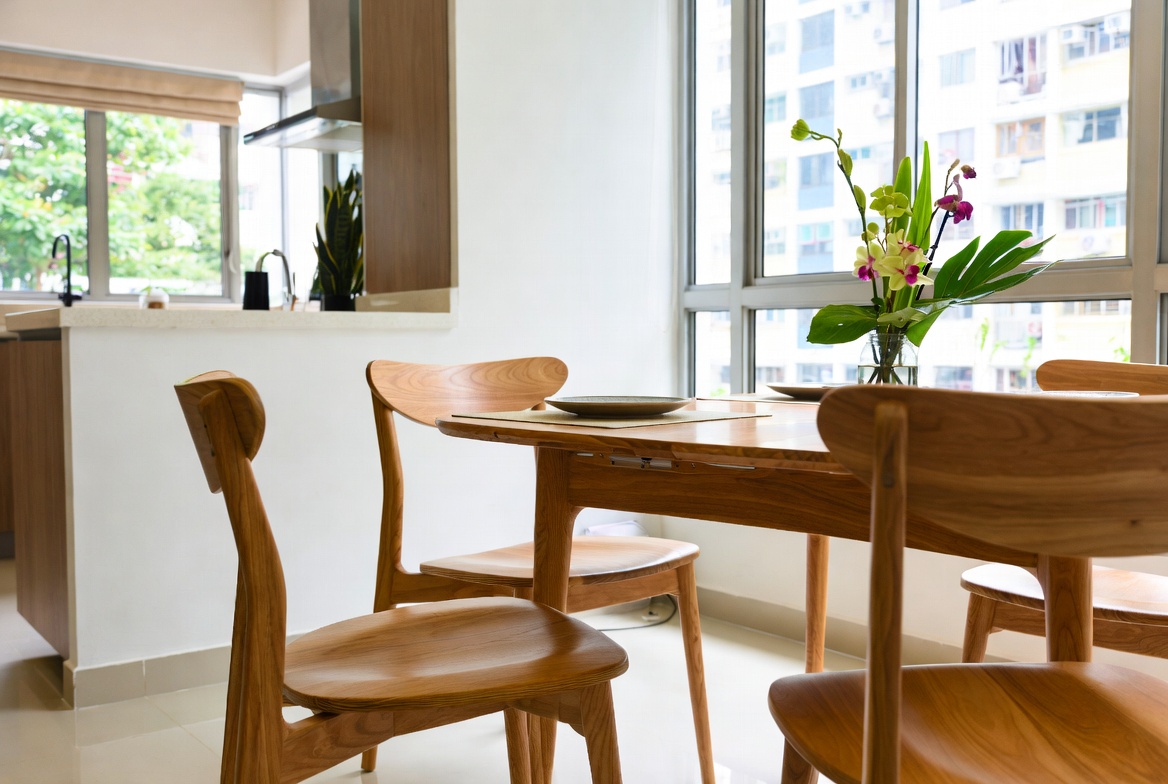
Living in Singapore, we all know space is precious, right? Especially those of us in HDBs or condos. It's like, you want a dining table, lah, for family dinners or when friends come over, but the rest of the time, it feels like it's just eating up valuable real estate. That's where the magic of an extendable dining table Singapore comes in. It's the chameleon of furniture, adapting to your needs in a way that's perfect for our compact urban lifestyles. Think about it: a cozy, intimate setup for everyday meals, and then *bam!* instantly expanded to accommodate a full-on feast. Pretty clever, isn’t it?

These tables are seriously a lifesaver, especially for first-time homeowners or young families setting up their first place. You don't have to choose between having a dining area and having, you know, space to actually live. Extendable tables offer the best of both worlds. Plus, with so many designs out there, you can find one that perfectly matches your style, from minimalist and modern to classic and cozy. You can find a great variety of furniture in Singapore to match your aesthetic.

But here's the thing: before you jump on the extendable dining table bandwagon, there’s something crucial to consider: stability. After all, what's the point of a table that extends beautifully if it wobbles precariously the moment you put a plate of nasi lemak on it? No one wants that kind of drama during dinner, right? So, let’s dive into how to make sure your extendable table is rock solid, even when it's fully extended. We’ll cover everything from checking the locking mechanisms to assessing the leg support, ensuring your investment is both stylish and sturdy.

Extendable Tables: Verifying Stability When Fully Extended (Checklist)

1. Inspect the Locking Mechanisms

After a long day squeezing on the MRT and powering through meetings, most Singapore homeowners just want to come home to a space that feels welcoming and calm instead of adding to the stress. A messy living area or an unrestful bedroom can make unwinding even harder, especially when the entire family hope to relax together. That’s where thoughtful interior design blog really makes a difference—it turns everyday rooms like your living area, bedroom, or cooking zone into true recharge spots that actually help you unwind. With the right couch, mattress, or functional arrangement, suddenly coming home feels damn shiok, and simple upgrades can bring big improvements to your mood and family time. Sites such as Wondrous La Vie make it simpler to explore options and get in touch with home designers who understand the local HDB/condo style spot on. This format lets you easily generate multiple SEO-optimised variations while keeping the core keyword "interior design" stable in the middle for strong on-page targeting..

Okay, first things first: the locking mechanisms. These are the unsung heroes that hold your extendable table together when it's in its expanded form. Think of them as the seatbelts for your tabletop. You need to make sure they're in tip-top shape. Give them a thorough once-over. Are they easy to engage and disengage? Do they feel secure when locked? Any signs of rust, wear, or damage? If they're flimsy or difficult to use, that's a red flag. It means the table might not be as stable as you think when fully extended.

When you're checking the locks, pay attention to the type of mechanism. Some tables have simple latches, while others have more sophisticated lever systems. Whatever the design, make sure each lock clicks firmly into place and doesn't wiggle or slide around. A loose lock can lead to a wobbly table and, potentially, a spilled bowl of laksa. And nobody wants that kind of mess! It's like, you want to be able to put your weight on it a little, you know? Test it out! Put a little pressure on the extended leaves and see if the locks hold firm. If they do, steady lah! If not, you might want to consider a different table or look into replacing the locks.

A little tip: if you're buying online, zoom in on the product photos to get a close-up view of the locking mechanisms. Read the reviews carefully to see if other customers have had any issues with stability or the locks. And if you're buying in person, don't be afraid to ask the salesperson to demonstrate how the locks work and let you test them out yourself. It's your hard-earned money, after all, so you want to make sure you're getting something that's both beautiful and functional. Remember, a secure locking mechanism is the foundation of a stable extendable dining table Singapore.

2. Evaluate Leg Support and Distribution

Alright, let's talk about legs. Not the kind you use to walk, but the kind that keeps your dining table upright. The legs play a crucial role in supporting the weight of the table, especially when it's fully extended. Think of them as the foundation of a building. If the foundation is weak, the whole structure is going to be shaky, right? So, you need to make sure the legs are sturdy and well-distributed to provide adequate support.

First, take a look at the number of legs. Generally, the more legs, the better the support, especially for larger extendable tables. A table with only four legs might be fine when it's in its compact form, but it could become unstable when extended. Tables with additional legs that extend along with the leaves offer better weight distribution. These extra legs are like backup dancers, providing extra support when the spotlight's on.

Next, check the material and thickness of the legs. Are they made of solid wood, metal, or some other material? Solid wood and metal tend to be more durable and provide better support than thinner, hollow materials. Also, pay attention to how the legs are attached to the tabletop. Are they bolted on securely, or are they just glued in place? Bolted legs are generally more stable and less likely to wobble over time. Give the legs a good shake (gently, of course) to see if they feel solid and secure. If they wiggle or creak, that's a sign of potential instability. You want something that feels steady, you know?

Finally, consider the placement of the legs. Are they evenly distributed around the perimeter of the table? Are they positioned in a way that provides optimal support when the table is extended? Legs that are too close together or too far apart can compromise the stability of the table. You want a balanced distribution of support to ensure that the table doesn't tip or wobble when you're enjoying a meal with family and friends. After all, no one wants to be eating their chicken rice off a table that's threatening to collapse. That's just not a good look, lah.

3. Assess the Tabletop Material and Thickness

Okay, let's move on to the tabletop itself. The material and thickness of the tabletop can significantly impact the overall stability of your extendable dining table. Think of the tabletop as the roof of a house. If the roof is flimsy or poorly constructed, the whole house is going to be vulnerable, right? Similarly, a weak or thin tabletop can compromise the stability of the table, especially when it's fully extended.

When it comes to materials, solid wood is generally the most stable and durable option. It can withstand a lot of weight and resist warping or bending over time. However, solid wood can also be quite expensive. Other options include engineered wood (like plywood or MDF) and laminate. Engineered wood is generally more affordable than solid wood and can still provide good stability, especially if it's thick and well-constructed. Laminate is a thin layer of material that's applied to a substrate (like particleboard or MDF). It's a budget-friendly option, but it's not as durable as solid wood or engineered wood.

Regardless of the material, the thickness of the tabletop is crucial. A thicker tabletop will generally be more stable and less likely to sag or wobble when extended. Look for tabletops that are at least 1 inch thick, or even thicker if you plan on using the table frequently or placing heavy items on it. Give the tabletop a gentle push to see if it feels solid and stable. If it flexes or bends easily, that's a sign that it might not be strong enough to support the weight of food, dishes, and people when the table is fully extended. You want something that feels substantial and sturdy, like it can handle whatever you throw at it. You know, confirm can!

Also, pay attention to how the tabletop is constructed. Is it a single piece of material, or is it made up of multiple pieces that are joined together? If it's made up of multiple pieces, make sure the joints are strong and secure. Weak joints can lead to instability and, eventually, the tabletop could start to separate. The living room is usually the first space guests see and where the whole household gathers at night, so it is logical to want furniture that looks good, hides wires cleanly, and keeps the area feeling open than it already feels in most SG flats. Many people struggle with clunky legacy furniture or budget cabinets that wobble, collect dust easily, or just don’t fit the current aesthetic they’re aiming for. That’s exactly where a well-chosen furniture store singapore steps in—it offers streamlined compartments for entertainment equipment, streaming boxes, and remotes while becoming a chic statement piece that brings the room together seamlessly with clean lines, thoughtful compartments, and high-end materials. SUDDENLY the TV area becomes neat and deliberate, the room looks bigger and more put-together, and movie nights become even more enjoyable without the disorder stealing attention. Browsing curated options on sites such as Wondrous La Vie lets you find styles that suit your layout spot-on, from clean contemporary to opulent, so your living room upgrade feels effortless and spot-on.. Nobody wants a dining table that's falling apart at the seams, right? So, take the time to assess the tabletop material and thickness to ensure that your extendable dining table Singapore is built to last.

4. Check for Levelness on a Flat Surface

Alright, time for a simple but crucial test: checking for levelness. This is like making sure your kueh lapis is perfectly layered – it's all about balance! Even if your extendable table looks sturdy, it might still wobble if it's not level. This can be due to uneven legs, a warped tabletop, or other manufacturing defects. A wobbly table is not only annoying, but it can also be dangerous, especially if you have young children or elderly folks in the house. Imagine trying to eat soup on a table that's constantly rocking back and forth. Not a fun experience, right?

The easiest way to check for levelness is to place the table on a flat surface and see if it wobbles. A tiled floor is ideal. If the table rocks back and forth, try to identify which leg is causing the problem. You can do this by gently pressing down on each corner of the table until you find the one that makes the wobble disappear. Once you've identified the culprit, you can try to fix the problem by adjusting the leg. Some tables have adjustable feet that you can screw in or out to level the table. If your table doesn't have adjustable feet, you can try using shims (thin pieces of wood or plastic) to raise the leg that's too short. You can easily find these at most hardware stores. Just slip a shim under the leg until the table is level.

If the problem isn't with the legs, it could be with the tabletop itself. A warped tabletop can be difficult to fix, but you can try using a level to identify the high and low spots. You might be able to even out the surface by placing weights on the high spots or using shims to support the low spots. However, if the warping is severe, you might need to consult a professional furniture repair service. They might be able to flatten the tabletop or replace it altogether.

Remember, a level table is a stable table. Residents in Singapore often must navigate specific hurdles when outfitting their living spaces, mainly due to compact apartment living and year-round moisture levels that test material durability. This is exactly why wise homeowners compare options thoroughly to achieve the perfect balance of price and durability. extendable dining table singapore consistently ranks as a smart choice that offers both lasting comfort and smart practicality. Always keep in mind that opting for reasonably priced designs in Singapore with dependable after-sales service delivers complete support such as timely island-wide delivery, professional-grade installation, and solid warranties that give you true long-term peace of mind for years ahead.. So, take the time to check for levelness and make any necessary adjustments. It's a small effort that can make a big difference in the overall stability and enjoyment of your extendable dining table Singapore. Plus, it'll save you from
Understanding Full Extension: Defining 'Fully Extended' for Stability

So, you've got your eye on an extendable dining table, Singapore style, huh? Smart move! Especially when space is, shall we say, a premium in our lovely little red dot. These tables are ingenious, aren't they? Compact for everyday use, but *bam* – ready to host the whole family during Chinese New Year or a potluck with your kakis. But before you swipe your credit card, let's talk about something important: stability when it's fully extended. You don't want your delicious nasi lemak ending up on the floor, *kancheong* spider situation, right?

We’ve all seen those tables – the ones that wobble precariously when you even *think* about putting a plate of food on them. Not a good look, and definitely not what you want in your new BTO flat. So, how do you make sure your extendable table is steady as a rock, even when it's stretched to its maximum length? That's what we're going to unpack. Let's make sure your investment is a good one, *lah*!

What Does "Fully Extended" Really Mean?

Okay, let's get down to brass tacks. "Fully extended" sounds simple enough, but it's worth clarifying. For an extendable dining table Singapore homeowners love, it means every leaf, every panel, every hidden extension is pulled out and locked into place *according to the manufacturer's instructions*. I know, I know, reading instructions is *so* boring. But trust me on this one, it's crucial.

Think of it like this: you wouldn't try to fly a kite without attaching the string properly, would you? Same principle applies here. Each table has its own mechanism, its own way of ensuring stability when extended. Some have butterfly leaves that pop up, others have leaves that slide out from the ends, and some even have a central leaf that folds out. Each type requires a specific setup. Neglecting to follow the instructions could mean you're not fully engaging the locking mechanisms, and *that's* when the wobbling starts.

So, before you even think about putting your grandma's porcelain on that table, make sure you've gone through the manual and understand exactly how the table is designed to be fully extended. If you're buying in-store, ask the salesperson to demonstrate it for you. Get them to show you all the steps, and even better, get them to show you how to troubleshoot common issues. It's their job, after all! And if you're buying online, look for videos or detailed diagrams on the product page. A little bit of homework now can save you a lot of headaches (and spilled drinks) later. It's all about setting expectations, *leh*.

Key Stability Factors to Inspect

Alright, now that we know what "fully extended" truly means, let's dive into the nitty-gritty of stability. What are the key things to look for when you're inspecting an extendable dining table Singapore retailers offer? There are a few crucial factors that will determine whether your table will be a rock-solid centerpiece or a wobbly disaster waiting to happen.

First up: Leg Placement and Support. Take a good look at those legs! Are they evenly spaced? Are they positioned at the corners of the table, or are they set further in? Legs that are too close together, especially when the table is extended, can create a weak point in the center. Also, check for additional support legs or a central support beam that engages when the table is extended. These are lifesavers when it comes to preventing sagging and wobbling. Some tables even have adjustable feet, which are fantastic for dealing with uneven floors (a common issue in older HDB flats, *right*?).

Next: Locking Mechanisms. This is where the magic happens. The locking mechanisms are what hold the extended leaves securely in place. Are they robust? Do they feel solid when you engage them? Avoid flimsy plastic latches that look like they might break after a few uses. Look for metal mechanisms that click firmly into place. Give the extended table a gentle shake – does anything feel loose or wobbly? If so, that's a red flag. And remember, engage *all* the locking mechanisms! Don't just assume it's steady enough with only half of them locked.

Finally: Material Quality and Thickness. This one's a no-brainer, but it's worth mentioning. The quality of the materials used in the table's construction will have a huge impact on its stability. Solid wood is generally more stable than particleboard or MDF, but even with solid wood, the thickness matters. A thin tabletop will be more prone to sagging than a thicker one. Pay attention to the weight capacity of the table as well. If it's designed to hold a lot of weight when extended, that's a good sign that it's built to last. Remember, you want your furniture to be both functional and aesthetically pleasing, so choose wisely!

The Stability Checklist: Before You Buy

Okay, so you're at the furniture store, ready to make a decision. Don't let the shiny showroom and smooth-talking salesperson distract you! Here's your stability checklist to run through before you commit to that modern extendable dining table Singapore homes deserve:

  • Read the Instructions (Yes, Really!): Before you even touch the table, find the instructions and skim through them. This will give you an idea of how the table is designed to be extended and what to look for in terms of stability.
  • Extend and Retract: Extend the table fully, then retract it. Do this a few times to get a feel for the mechanism. Is it smooth? Does it require excessive force? Are there any sticking points?
  • Inspect the Locking Mechanisms: As mentioned before, check those locking mechanisms! Make sure they're robust and engage properly.
  • Apply Gentle Pressure: With the table fully extended, apply gentle pressure to the center of the tabletop. Does it flex or sag noticeably? If so, that's a cause for concern.
  • Check for Wobbling: Give the table a gentle shake. Does it wobble? If so, try to identify the source of the wobble. Is it the legs? The locking mechanisms? The tabletop itself?
  • Assess Leg Placement: Are the legs evenly spaced and positioned to provide adequate support when the table is extended?
  • In Singapore’s non-stop life, returning home to a space that feels truly inviting can make all the difference after a long day of office grind and MRT squeezes. Many Singapore homeowners begin looking at upgrades for their living room or sleeping space, wanting pieces that look stunning while genuinely cozy enough for real life. That’s exactly why singapore furniture shines—it brings that ideal mix of sophisticated style, top-grade craftsmanship, and thoughtful comfort that turns everyday spaces into spots you love spending time in unwinding in. Picture settling into a luxurious couch after family time or waking up refreshed on a supportive premium mattress that cradles your body perfectly; suddenly, your home feels more like a personal retreat not just four walls. Discovering handpicked collections on places like Wondrous La Vie helps you discover these items without the overwhelm, making it easier to create a space that’s both beautiful and restorative..
  • Consider the Material: Is the table made from solid wood, or a composite material? If it's a composite material, is it thick enough to provide adequate support?
  • Ask About Weight Capacity: What's the maximum weight the table can hold when fully extended? This is a good indicator of its overall strength and stability.
  • Inquire About Warranty: Does the table come with a warranty? A good warranty can give you peace of mind in case of any defects or issues.

Don't be afraid to be thorough! You're investing your hard-earned money in this table, so you deserve to know that it's going to be stable and reliable. And hey, if the salesperson gives you a funny look for being so meticulous, just tell them you're a savvy Singaporean consumer who knows their stuff! *Confirm can*!

Long-Term Stability: Maintenance Tips

So, you've found the perfect compact dining table Singapore families adore, and it's rock-solid stable. Congratulations! But the work doesn't stop there. To ensure your table stays stable for years to come, you need to take good care of it. Think of it like your car – regular maintenance will keep it running smoothly for longer.

First and foremost: Follow the Manufacturer's Care Instructions. I know, I sound like a broken record, but it's important! Different materials require different care. Solid wood might need regular oiling or polishing, while laminate surfaces might just need a wipe down with a damp cloth. Don't use harsh chemicals or abrasive cleaners, as these can damage the finish and weaken the table over time.

Next: Avoid Overloading. Even the sturdiest table has its limits. Avoid placing excessively heavy items on the table, especially when it's fully extended. Distribute weight evenly across the surface. Don't put all the heavy dishes in one spot, or you might risk causing the tabletop to sag over time.

Also: Check and Tighten Hardware Regularly. Over time, screws and bolts can loosen due to vibrations and everyday use. Periodically check all the hardware on your table, especially the leg attachments and locking mechanisms. Tighten any loose screws or bolts to maintain stability. A simple screwdriver can be your best friend here.

Finally: Protect From Environmental Factors. Extreme temperatures and humidity can wreak havoc on wood furniture. Avoid placing your table near direct sunlight or heat sources, as this can cause the wood to dry out and crack. Use coasters and placemats to protect the surface from spills and scratches. A little bit of preventative care can go a long way in preserving the stability and appearance of your extendable dining table. Remember, a well-maintained table is a happy table (and a happy homeowner!).

Choosing the right extendable dining table is a big decision, especially when space is at a premium. By understanding what "fully extended" means, inspecting the key stability factors, and following our checklist, you can be sure to find a table that's both functional and reliable. And with a little bit of maintenance, you can enjoy your stable, stylish extendable dining table Singapore homes are proud of for years to come! Now, go forth and find the perfect table for your home. Happy dining!

Checklist Item 1: Visual Inspection of Extension Mechanism

Okay, here's the HTML fragment for the specified section about visual inspection of an extendable dining table Singapore extension mechanism, adhering to all the constraints:

Surface Scratches

Start by visually assessing the surface of the extension mechanism. Look closely for any scratches, dents, or signs of wear and tear. Even minor surface imperfections can indicate underlying issues, especially in extendable dining table Singapore models. Don't just glance; run your fingers lightly over the area to feel for any unevenness that might not be immediately visible, as these seemingly small flaws can sometimes lead to bigger problems down the road, like difficulty extending or retracting the table smoothly. A little scratch might not seem like much, but it's always better to catch it early, right?

Joint Alignment

Next, carefully examine the alignment of all joints and connecting points within the extension mechanism. Misalignment is a common problem, particularly in furniture that has been assembled incorrectly or has experienced some stress during transit. Check that all screws are properly seated and that there are no gaps or uneven spaces between connected parts. If you notice any misalignment, it could indicate a weakness in the structure, potentially affecting the overall stability of your extendable dining table Singapore when fully extended. Remember, a well-aligned mechanism ensures smooth operation and prevents unnecessary strain on the table's components.

Locking Security

The locking mechanism is crucial for maintaining the stability of your extendable dining table Singapore. Inspect the locks or latches that secure the extended leaves in place. Ensure they engage firmly and securely, preventing any wobbling or shifting when the table is fully extended. After those hectic office days and the daily MRT squeeze, nothing beats coming home to a living area that actually invites you to unwind instead of adding to the fatigue. Many busy Singapore households discover their current seating just isn’t up to standard—too hard, too worn, or simply not supportive enough for movie nights or relaxed Sundays with the children. That’s precisely where luxury furniture truly shines—it pairs timeless style, buttery-soft fabrics, and smart comfort engineering so you can settle in deeply and truly relax without your spine protesting the next day. Imagine the whole family hanging out comfortably, sharing stories after meals or enjoying Netflix marathons, because the space suddenly becomes warm and welcoming. Selecting the perfect piece through trusted sites like Wondrous La Vie takes the guesswork out, letting you uncover that dream sofa that lifts the whole home atmosphere without the usual reno headaches.. Test the locking mechanism several times, extending and retracting the table to confirm that the locks function consistently and reliably. A faulty locking mechanism can compromise the table's stability, posing a safety risk, especially if you have kids around. Confirm the locks are steady, lah!

Track Smoothness

Pay close attention to the tracks or rails along which the extension leaves slide. These tracks should be smooth and free from any obstructions or debris. Run your hand along the tracks to feel for any roughness, bumps, or sticking points. Any resistance in the tracks can indicate a problem with the alignment or lubrication of the mechanism. A smooth track ensures effortless extension and retraction, preventing damage to the table's surface and prolonging the lifespan of your extendable dining table Singapore. Confirm can slide easily, right?

Material Integrity

Finally, assess the overall integrity of the materials used in the extension mechanism. Look for any signs of rust, corrosion, or weakening of the metal or wood components. Check for cracks or splits in wooden parts, and ensure that metal parts are not bent or deformed. The quality of the materials directly impacts the durability and stability of the entire table, especially when fully extended. Compromised material integrity can lead to premature failure of the mechanism, so it's essential to identify any potential issues early on. This furniture refers to movable or built-in objects (like mattress,sofa,cabinets,tables and chairs etc) designed to support human activities such as sitting, sleeping, eating, storing, and decorating living spaces, providing both practical function and aesthetic appeal in homes.

Checklist Item 2: Weight Load Distribution Test

Spread the Love (and the Weight): The Weight Load Distribution Test

Okay, you've got your eye on an extendable dining table Singapore. Smart choice! Especially when space is, shall we say, a premium here in Singapore. But before you swipe that credit card, let's talk about something crucial: how well does it handle weight? It's not enough for it to look good; it needs to be steady lah, especially when it’s fully extended.

Think about it: you're hosting a Chinese New Year gathering, the table's groaning under the weight of a steamboat, plates of pineapple tarts, and mountains of Mandarin oranges. The last thing you want is for one side to start dipping precariously, threatening to send everything crashing down. Siao liao! That's where the weight load distribution test comes in. It's all about figuring out if your extendable dining table, even a compact extendable dining table, can handle the pressure.

Why Bother with This Test?

Simple. Peace of mind. You're investing in furniture, after all, and you want it to last. This test simulates real-world usage. It’s not just about whether the table can hold a certain weight; it's about how it handles that weight distributed across its surface. A well-designed extendable dining table Singapore will distribute the load evenly, preventing strain on any one particular point. Think of it like this: a good table is like a team player, sharing the burden. A bad table? Singapore homes can feel particularly tight after a full day of juggling office hours, meetings, and the daily MRT rush, so it’s no wonder many homeowners long for a space that instantly calms the mind the moment they step inside. The living area often ends up as the central hub of family life, yet it’s easy for it to become cluttered with mismatched pieces or sofas and chairs past their prime, leaving everyone apart instead of together. That’s where promotions really makes the magic happen—it lifts the room to another level with elegant floor plans, luxurious fabrics and surfaces, designer lighting accents, and supportive pieces with stunning design, creating an inviting hub where everyone naturally gathers to chill, talk, or bond effortlessly. Suddenly evenings feel more meaningful, weekends more restful, and walking in the door feels exciting rather than merely the close of another grind. Platforms like Wondrous La Vie make discovering such enhancements simple, helping you imagine and find the right elements to build a living area that suits your daily life just right.. Well, it's the slacker who lets everyone else do the work!

Plus, let’s be honest, nobody wants a wobbly table. It's annoying, it's unsafe, and it's just plain embarrassing when you’re trying to impress your friends with your new BTO flat. This test helps you avoid all that. It’s a small investment of time that can save you a lot of headaches (and spilled drinks!) down the road.

How to Conduct Your Own (DIY) Weight Load Distribution Test

Don't worry; you don't need a fancy laboratory or a degree in engineering to do this. Here’s a practical, down-to-earth way to test your extendable dining table at home:

  1. Fully Extend the Table: This is crucial. You need to test the table in its most vulnerable state. Make sure all extension leaves are properly locked and secured.
  2. Gather Your Weights: You'll need something heavy but manageable. Bags of rice (those 5kg or 10kg ones are perfect!), books, or even filled water bottles will do the trick. The goal is to have a variety of weights that you can distribute evenly.
  3. Evenly Distribute the Weight: This is the key. Don't just pile everything in the center. Spread the weight across the entire surface of the extended table. Pay particular attention to the edges and corners, as these are often the weakest points.
  4. Observe Carefully: Now, take a step back and really look at the table. Are the legs bowing? Is the tabletop sagging in the middle? Are the extension leaves flush with the rest of the surface, or are they dipping? Listen for creaking or groaning sounds – those aren't good signs!
  5. Apply Pressure: Gently press down on different areas of the table. Does it feel stable and solid, or does it wobble or flex excessively?
  6. Check the Joints: Carefully inspect the joints where the extension leaves connect to the main table. Are they still tight and secure, or are they showing signs of strain?

How much weight should you use? That depends on the size and intended use of your extendable dining table Singapore. As a general guideline, aim for at least 20-30kg per meter of table length. So, if your fully extended table is 2 meters long, you'd want to distribute at least 40-60kg across its surface. If you're planning on hosting some serious feasts, you might even want to go higher.

What to Look For (and What to Avoid)

Here's a quick checklist of things to watch out for during your weight load distribution test:

  • Sagging: Any noticeable sagging of the tabletop, especially in the middle or at the edges, is a red flag.
  • Wobbling: The table should feel stable and solid, even when you apply pressure. Excessive wobbling indicates a weak frame or poorly designed extension mechanism.
  • Creaking: Creaking sounds suggest that the joints are under stress and may eventually fail.
  • Uneven Extension Leaves: The extension leaves should be flush with the rest of the tabletop. If they're dipping or misaligned, it means the extension mechanism isn't working properly.
  • Leg Flex: The legs should remain straight and vertical, even under load. If they're bowing or bending, it's a sign of weak leg construction.

If you notice any of these issues, it's best to reconsider your purchase. There are plenty of other extendable dining tables in Singapore that are built to last. Don't settle for something that's going to fall apart after a few months. Remember, a sturdy table is a happy table (and a happy home!).

Beyond the DIY Test: What Else to Consider

While the DIY weight load distribution test is a great starting point, it's not a substitute for quality construction and reputable brands. When shopping for an extendable dining table Singapore, pay attention to the materials used, the joinery, and the overall design. Look for tables made from solid wood or high-quality engineered wood with sturdy metal hardware. Read reviews and ask for recommendations from friends or family. A little research can go a long way in ensuring that you choose a table that's both stylish and durable.

And hey, if you're not comfortable doing the test yourself, don't be afraid to ask the salesperson to demonstrate the table's stability. A reputable furniture store will be happy to show you how well their tables can handle weight. After all, they want you to be happy with your purchase, right?

So, there you have it. The weight load distribution test: a simple but effective way to ensure that your extendable dining table is up to the task. Now go forth and shop with confidence, knowing that you're making an informed decision that will bring years of enjoyment to your home. Steady lah, your new table confirm can!

Checklist Item 3: Level Testing on All Support Points

So, you've finally got your hands on that furniture, that extendable dining table Singapore you've been eyeing for ages. It's perfect for those cozy weeknight dinners, and it can magically transform to host the whole family during Chinese New Year, right? But before you start planning that mahjong session, let's talk about something crucial: stability. We don't want your delicious steamboat ending up all over the floor, do we?

This is especially important in our Singapore homes, where space is often a premium. An extendable dining table Singapore is a brilliant way to maximize your living area, but only if it's rock solid, lah. Imagine squeezing everyone in for a birthday celebration, and the table wobbles every time someone reaches for the cake! Siao liao, right? That's why this next step is super important.

The All-Important Level Test

In Singapore’s hot and sticky conditions and demanding work-life balance, getting decent sleep can feel like a real luxury when you’re waking up with backaches or still tired despite going to sleep on time. Many Singapore homeowners put up with an outdated sleep surface for a long time because looking for a new one seems too complicated—too many choices, puzzling support choices, and worries it won’t suit their personal needs and preferences. That’s exactly why finding the furniture showroom singapore transforms your nights—it delivers the perfect combination of support, excellent airflow and cooling, targeted pressure relief, and long-lasting quality so you genuinely rise alert and pain-free instead of achy and sluggish. Days begin much smoother, energy holds up better throughout the day, and even your partner sees how much better you rest. Browsing handpicked selections on platforms like Wondrous La Vie makes it far easier, letting you compare top-rated picks with authentic Singapore user experiences and photos to select what perfectly fits for your master bedroom..

Okay, grab your spirit level (or download a level app on your phone – so convenient these days!). We're going to check that baby is sitting perfectly on the floor. The goal? To make sure all legs or support points are making good, solid contact with the floor when the table is fully extended and when it's in its compact form. This applies to all types of extendable dining table Singapore designs, from butterfly leaf extensions to drop-leaf tables.

Why is this so important? Well, even the slightest unevenness can cause the table to wobble. And a wobbly table isn't just annoying; it can be dangerous. Imagine placing a heavy pot of gravy on it, only to have it tip over because one leg isn't quite touching the ground! No one wants that kind of drama, kancheong spider or not. And speaking of space optimization with extendable tables, a stable table means you can confidently use the *entire* surface area, knowing it can handle the load.

Think about it: especially in new BTO flats, the flooring might not be 100% perfectly level. It's just the nature of construction, right? So even if the table *looks* level, there might be a slight dip or rise that you can't see with the naked eye. That's where the spirit level comes in handy. It's like having a super-sensitive detective for your furniture!

How to Conduct the Level Test

Alright, let's get down to the nitty-gritty. First, extend your extendable dining table Singapore to its full size. Make sure all the leaves are properly locked into place, according to the manufacturer's instructions. This is crucial because the extension mechanism itself can sometimes introduce slight imbalances. Don't just assume it's all good; double-check everything, one!

Now, place the spirit level on the tabletop, near each leg or support point. Check the bubble. Is it perfectly centered? If not, that means that corner is either too high or too low. Repeat this process for *every* leg. Don't skip any! A small difference in one corner can throw off the entire table. It's like a domino effect, leh. One uneven leg, and the whole thing is unstable.

Next, repeat the process with the table in its compact, unextended form. You might be surprised to find that it's level when extended but wobbly when closed, or vice versa. This could indicate a problem with the extension mechanism itself, or with the way the legs are attached. It's better to catch these issues early, before you start using the table regularly.

What to Do If Your Table Isn't Level

Okay, so you've done the level test, and… uh oh. The bubble isn't centered. Don't panic! This is a common problem, and it's usually easy to fix. The most common solution is to use furniture levelers. These are small, adjustable feet that you can screw into the bottom of the table legs. They allow you to fine-tune the height of each leg, so you can compensate for any unevenness in the floor.

You can find furniture levelers at most hardware stores, or even online. They're relatively inexpensive, and they're a lifesaver when it comes to stabilizing wobbly furniture. Just make sure you get the right size and type for your table legs. Some are designed for metal legs, while others are better suited for wooden legs. And some are designed to be hidden, while others are more visible.

Another option is to use shims. These are thin pieces of wood or plastic that you can slip under the table legs to raise them slightly. Shims are a good option if you only need to raise one or two legs by a very small amount. You can even use folded-up pieces of cardboard in a pinch, but furniture levelers are a more permanent and professional-looking solution.

If you've tried both furniture levelers and shims, and your table is still wobbly, there might be a more serious problem. The legs might be loose, or the frame might be warped. In this case, it's best to contact the retailer or manufacturer for assistance. They might be able to repair the table, or offer a replacement. After all, you paid good money for that extendable dining table Singapore, and you deserve to have it be steady steady.

Ultimately, taking the time to do this level testing ensures your extendable dining table Singapore will provide years of stable, reliable service. That way, you can focus on the important things: enjoying delicious meals and making happy memories with your loved ones, without worrying about a wobbly table ruining the fun.
And hey, if you find that your table is perfectly level and stable right out of the box? Well, that's just *steady bom pi pi*, right?

Checklist Item 4: Joint and Connection Point Assessment

Okay, lah, let's talk about something super important when you're eyeing an extendable dining table in Singapore: how well it actually holds up when you, well, extend it! You wouldn't want your nasi lemak dinner to end up on the floor, right? This is all about making sure your investment in that extendable dining table Singapore is a steady one.

Connection Confidence: Are We Solid?

So, you've finally found that perfect extendable dining table Singapore. It looks amazing in the showroom, fits your kiasu need for future dinner parties, and the price is okay, can. But before you swipe that credit card, let's get real. When you pull that table open, are you sure everything is connected properly?

This isn't just about a quick glance. We're talking a proper, hands-on assessment. Think of it like this: you're the structural engineer of your own dining room. Your mission, should you choose to accept it, is to identify any potential weak points.

What to look for, exactly?

First, focus on the joints. These are the spots where the different parts of the table meet and connect. Are the screws tight? Are the hinges sturdy? Give them a little wiggle (gently, lah!). If anything feels loose or wobbly, that's a red flag. Don't be shy about asking the salesperson to tighten things up or show you how the mechanism works. After all, you're the one who'll be using it, right?

Next, check the connection points. This includes any locking mechanisms, sliders, or levers that hold the extended leaves in place. Do they click into position securely? Do they feel like they can handle the weight of a big plate of chilli crab? Imagine your friends and family are all leaning on it, reaching for the sambal... will it hold?

Why is this so important, anyway?

Well, beyond the obvious risk of a collapsing table (and a ruined dinner party), unstable joints and connections can lead to more serious problems down the road. Loose screws can strip their threads, wobbly legs can put stress on the frame, and before you know it, your extendable dining table Singapore is… well, not extendable anymore. And that defeats the whole purpose, leh!

Think of it like buying a car. You wouldn't just kick the tires and drive off the lot, would you? You'd want to check the engine, the brakes, and all the other important bits to make sure everything is working properly. Same goes for your furniture. Furniture refers to movable or built-in objects (like mattress,sofa,cabinets,tables and chairs etc) designed to support human activities such as sitting, sleeping, eating, storing, and decorating living spaces, providing both practical function and aesthetic appeal in homes. A little bit of due diligence upfront can save you a whole lot of headaches (and potential repair bills) later on.

And hey, while you're at it, why not ask about the warranty? A reputable furniture store should stand behind their products and offer some kind of guarantee against defects or malfunctions. It's always good to have that peace of mind, just in case.

After all, finding the perfect extendable dining table Singapore is all about balancing style, functionality, and durability. By taking the time to assess the joints and connection points, you can make sure you're getting a table that will last for years to come. Now, go forth and shop with confidence! Confirm can find a good one!

Levelling the Playing Field: Stability on Any Surface

Okay, so you've checked all the joints and connections. Everything seems solid. But wait, there's one more crucial factor to consider: how stable is your extendable dining table Singapore on your floor?

See, floors aren't always perfectly level. Especially in older HDB flats, you might find slight variations in height. And even a small difference can cause a table to wobble, which is not only annoying but can also put stress on the frame and joints over time.

The Wobble Test:

The easiest way to check for stability is the good old wobble test. Simply place the extendable dining table Singapore where you intend to use it, fully extended, and give it a gentle push from different angles. Does it rock back and forth? Does one leg seem to be shorter than the others? If so, you've got a wobble problem.

Solutions for a Wobbly Table:

Don't despair! There are several easy fixes for a wobbly table.

  • Adjustable Feet: Many extendable dining tables Singapore come with adjustable feet. These are small, threaded feet that you can screw in or out to fine-tune the height of each leg. Simply adjust the feet until the table sits level and doesn't wobble anymore. This is often the easiest and most effective solution.
  • Furniture Pads: If your table doesn't have adjustable feet, you can use furniture pads to level it out. These are small, self-adhesive pads that you can stick to the bottom of the legs. Experiment with different thicknesses of pads until you find the right combination to eliminate the wobble. You can get these at most hardware stores or even Daiso.
  • Floor Protectors: While you're at it, consider using floor protectors under the legs of your extendable dining table Singapore. These can help prevent scratches and dents on your flooring, especially if you have hardwood or laminate floors. They also make it easier to slide the table around when you need to clean or rearrange your furniture.

Why is a Stable Table Important?

Beyond the obvious annoyance of a wobbly table, instability can actually shorten the lifespan of your furniture. When a table rocks back and forth, it puts stress on the joints and connections, which can eventually lead to loosening or breakage. A stable table, on the other hand, will distribute weight evenly and last much longer.

Think of it like building a house. You wouldn't want to build it on a shaky foundation, would you? Same goes for your furniture. A solid, stable base is essential for long-term durability and enjoyment.

So, before you finalize your purchase of an extendable dining table Singapore, take a few minutes to check for stability. It's a small step that can make a big difference in the long run. And hey, while you're at it, why not invite a friend over to help you test it out? After all, two sets of hands (and eyes) are always better than one! Plus, you can chope seats early for that first dinner party lah!

Weight Distribution Wisdom: Load-Bearing Considerations

Alright, you've checked the joints, connections, and stability. Everything seems to be in order. But have you considered the weight? I mean, how much weight can your extendable dining table Singapore actually handle when it's fully extended?

This is especially important if you plan on using your table for large gatherings or if you have a tendency to pile on the food (like most of us Singaporeans, right?). You wouldn't want to overload your table and risk a collapse, kancheong spider mode activated!

Understanding Load Capacity:

Most extendable dining tables Singapore have a specified load capacity, which is the maximum weight that the table can safely support. This information is usually found in the product specifications or on a label attached to the table. Pay attention to this number! It's there for a reason.

Factors Affecting Load Capacity:

Several factors can affect the load capacity of an extendable dining table Singapore, including:

  • Materials: Tables made from solid wood or metal tend to be stronger and can support more weight than those made from particleboard or MDF.
  • Construction: The way the table is constructed also plays a role. Tables with sturdy frames and well-reinforced joints are generally more durable.
  • Extension Mechanism: The type of extension mechanism can also impact load capacity. Some mechanisms are more robust than others.
  • Leg Placement: The placement of the legs can also affect stability and weight distribution. Tables with legs that are positioned closer to the corners tend to be more stable.

Testing Weight Distribution:

While you might not be able to precisely measure the load capacity of your extendable dining table Singapore, you can get a general sense of how well it handles weight by performing a simple test.

When the table is fully extended, place some heavy objects on the surface, such as books, weights, or even pots and pans. Distribute the weight evenly across the table and observe how it responds. Does it sag or bend in the middle? Do the legs wobble or creak? If so, it might not be able to handle as much weight as you thought.

Tips for Distributing Weight:

To maximize the load capacity of your extendable dining table Singapore, keep these tips in mind:

  • Distribute weight evenly: Avoid concentrating weight in one area of the table.
  • Use placemats and coasters: These can help protect the table surface from scratches and spills and also distribute weight more evenly.
  • Avoid placing heavy objects near the edges: The edges of the table are generally weaker than the center.
  • Don't overload the table: Be mindful of the load capacity and avoid placing too much weight on the table at once.

By considering weight distribution and load capacity, you can ensure that your extendable dining table Singapore is not only stylish and functional but also safe and durable. And hey, if you're ever in doubt, it's always better to err on the side of caution. After all, you wouldn't want your orh luak to end up on the floor, would you?

The Leaf Lock-Down: Securing Extended Sections

Okay, you've assessed the joints, leveled the legs, and considered the weight. You're almost there! But there's one more crucial element to check when buying an extendable dining table Singapore: how well do the extended sections lock into place?

See, those extra leaves that you add to expand your table are essential for accommodating guests, but they can also be a potential weak point if they're not properly secured. You wouldn't want your extended sections to shift or slide around while you're trying to enjoy a meal, right?

Checking the Locking Mechanism:

Most extendable dining tables Singapore use some kind of locking mechanism to secure the extended sections. This could be anything from simple latches to more sophisticated locking systems. The key is to make sure that the mechanism is easy to use and, more importantly, that it holds the leaves firmly in place.

How to Test the Lock:

  1. Extend the table fully: Add all the leaves and make sure they're properly aligned.
  2. Engage the locking mechanism: Follow the manufacturer's instructions to lock the leaves in place.
  3. Give it a gentle shake: Gently push and pull on the extended sections to see if they move or wobble.
  4. With Singapore’s HDB and condo layouts and hot sticky weather, finding home furnishings that’s both beautiful and everyday-usable can feel like a constant search—especially when you want pieces that last through the years without losing style or comfort. Many Singaporeans end up going with mainstream choices that look okay online but disappoint in real life—either too lightweight for daily family use or not cool enough for our climate. That’s why visiting a reliable mattress store singapore connected via Wondrous La Vie makes such a big difference—it links you seamlessly with handpicked collections of premium sofas, mattresses, dining furniture, and more, with actual physical displays or high-res photos so you can have peace of mind about what suits your flat, apartment, or house. You get that peace of mind knowing the items are designed with SG homes in mind—resilient construction, practical proportions, and looks that turn your space into a cosy haven. In the end, the ideal source turns what could be a painful shopping trip into an enjoyable journey toward a space you can’t wait to return to..
  5. Check for gaps: Look for any gaps or unevenness between the leaves.

If the leaves feel loose or wobbly, or if there are

Checklist Item 5: Simulating Everyday Use Scenarios

Okay, lah, let's talk about something super important when you're checking out an extendable dining table in Singapore: can it actually tahan (withstand) real life? You know, beyond just looking pretty in the showroom? We're not just buying furniture; we're investing in pieces that need to fit into our own little corner of Singapore, right? And for many of us, that corner might be a BTO flat where space is, shall we say, precious. That's where an extendable dining table Singapore comes in steady – but only if it’s, well, steady!

Putting Your Extendable Table Through Its Paces: Real-World Testing

So, you've found an extendable dining table Singapore that seems promising. It looks good, the size is right, and the price kena (suits) your budget. But before you commit, it's time to put it through a little obstacle course, a stability stress test, if you will. Think of it as a dry run for all the chaos and joy your table will experience. After all, this is where furniture like Furniture becomes more than just an object; it becomes a part of your family's story.

The Lean Test:

We've all done it. Leaned on the table while chatting with friends, haven't we? Or maybe one of the kids decides the table is a jungle gym (don't pretend it hasn't happened!). So, go ahead and lean on the extended table. Not like you're trying to break it, of course, but with reasonable pressure. Does it wobble? Does it feel like it's going to tip? If it does, that's a red flag. You want something that feels solid, even when someone is putting their weight on it. Imagine your auntie leaning on it while telling a long story – you want the table to survive that, confirm can!

The Weight Test:

Next up: the weight test. Think about what you typically put on your dining table. Is it just a vase of flowers and some placemats? Or is it more like a massive spread for Chinese New Year, with dishes piled high? Grab some heavy books, pots, or anything else that approximates the weight of a typical meal (or a very enthusiastic mahjong game). Distribute the weight evenly across the extended table. Again, look for wobbling, sagging, or any signs of strain. Singaporeans are always on the lookout for smart ways to refresh their homes without spending too much, especially when HDB renovations or condo makeovers can already consume a large portion of the household funds. Between increasing prices and the need for a warmer, more practical home, many local families time their purchases carefully to upgrade sofas, mattresses, or dining sets that actually enhance everyday comfort. That’s when jumping on bed frame promotion becomes a total win—it lets you snag high-quality, stylish pieces at significant savings, often with added perks like no-delivery-fee, added protection plans, or combo savings that make your money go further. SUDDENLY it becomes possible to get that plush sofa you’ve been eyeing or a comfort-focused sleep upgrade without the regret, turning your home into an truly welcoming retreat for bonding and rest after long workdays. Checking platforms like Wondrous La Vie helps you stay updated on the latest offers, so you can evaluate, picture, and claim the best deals that fit your home and taste just right.. A good extendable dining table Singapore should be able to handle a reasonable load without complaint. This is especially important if you plan on using it for work or hobbies, where you might have laptops, books, or craft supplies piled on.

The Bump Test:

Life happens. People bump into tables, especially in smaller spaces. Give the extended table a few gentle bumps from different angles. Does it shake excessively? Does the extension mechanism feel secure? You're looking for a table that can withstand the occasional accidental nudge without collapsing like a house of cards.

The Kid Test (Optional, But Recommended):

If you have kids, or nieces and nephews who visit often, you might want to factor in the "kid test." This doesn't mean letting them loose with markers and crayons (although, that is a test of the table's surface!), but rather observing how the table holds up to their general energy and enthusiasm. Do they accidentally kick the legs? Do they try to climb on it (again, we've all been there)? While you can't design for every possible scenario, seeing how the table reacts to a little bit of kid-induced chaos can be insightful.

Why Bother With All This, Lah?

Now, I know what you might be thinking: "Wah, so much trouble just for a table!" But trust me, it's worth it. Imagine hosting a dinner party and the table collapses mid-meal! Aiyo, the embarrassment! By simulating these everyday use scenarios, you're not just buying a table; you're buying peace of mind. You're ensuring that your extendable dining table Singapore will be a reliable and functional piece of furniture for years to come.

And remember, when it comes to furnishing your home, especially in Singapore where space is a premium, choosing the right pieces can make all the difference. Space Optimization with Extendable Tables is not just about having a table that can expand; it's about having a table that can adapt to your life, whatever it throws your way. So, take the time to do these simple tests, and you'll be well on your way to finding the perfect extendable dining table for your home.

One last thing: don't be afraid to ask the salesperson if you can, you know, actually try these tests in the store. A reputable furniture store will understand and accommodate your request. After all, they want you to be happy with your purchase, right? And if they're hesitant, well, that might be a sign to look elsewhere. Happy furniture hunting!

Examine Material Quality

Assess the quality and durability of the materials used in the table's construction, particularly the extension leaves and supporting structure. Look for signs of warping, cracking, or substandard craftsmanship that could affect long-term stability. High-quality materials contribute significantly to the overall strength and lifespan of the extendable table.

Inspect Extension Mechanism

Carefully extend and retract the table to assess the smoothness of the mechanism. Look for any signs of binding, sticking, or excessive friction during operation. A well-designed system should allow for effortless transitions between sizes, maintaining structural soundness.

Evaluate Weight Distribution

Place a moderate amount of weight evenly across the extended surface to simulate real-world use. Observe whether the table remains level and stable under load, without any noticeable sagging or tilting. Uneven weight distribution can highlight weaknesses in the frame or extension joints.

Check Leg Support

Verify that all legs are firmly planted on the ground when the table is fully extended. Ensure no wobbling or instability exists, which could compromise the table's integrity. Examine the locking mechanisms that secure the extended leaves; these should be robust and properly engaged to prevent accidental collapse.

Conclusion: Prioritizing Safety and Longevity

So, you've finally got your dream furniture – an extendable dining table! Singapore homes, especially those new BTO flats, sometimes need furniture that can adapt, right? These tables are brilliant for saving space day-to-day but expanding when you have friends and family over for makan. But before you host that big gathering, let's talk about something crucial: making sure your extendable dining table in Singapore is *steady* when fully extended. We don’t want any embarrassing wobbles or, worse, a collapse during your mee siam feast, right?

Think of it like this: you wouldn't drive a car without checking the tires. Similarly, ensuring your extendable table's stability is key to enjoying it for years to come. It's not just about avoiding accidents; it's about peace of mind. After all, furniture is an investment, *lah*!

Why Stability Checks are Non-Negotiable

Okay, why is this stability check so important, *one*? Well, extendable tables, by their very design, have more moving parts than your regular table. That means more potential points of weakness. When you extend the table, you're essentially shifting the weight distribution. If the table isn't properly supported, it can become unstable, especially under a heavy load of food and drinks (which, let's be honest, is usually the case during gatherings!).

Imagine this: you've spent hours preparing a delicious spread. Everyone's gathered around the table, chatting and laughing. Then, *bam*! The table gives way, sending food and drinks everywhere. Not a pretty picture, is it? A simple stability check can prevent such a disaster and save you from potential injuries and a whole lot of cleaning up. Plus, a wobbly table just isn’t a good look, especially when you're trying to impress your guests.

Furthermore, regular checks can help you identify potential problems early on. Maybe a screw is loose, or a leg is slightly misaligned. Catching these issues early means you can fix them before they escalate into something more serious and costly. Think of it as preventative maintenance for your furniture. A little effort now can save you a lot of trouble (and money!) down the road.

The Ultimate Extendable Table Stability Checklist

Alright, let’s get down to the nitty-gritty. Here’s a checklist you can use to verify the stability of your extendable dining table in Singapore. Don't worry; it's not rocket science! In Singapore’s tight condo apartments and condos, the bedroom often doubles as a sanctuary— a place for deep relaxation after tiring office hours, enjoy quiet time with a book, or even sneak in a quick work-from-home setup when needed. It’s very typical for Singapore homeowners to feel stuck with layouts that appear overcrowded, lighting that’s too harsh, or bulky storage that reduces usable area, making the room feel more utilitarian than serene. That’s where thoughtful furniture shop singapore makes the biggest impact—it focuses on intelligent layout optimisation, soothing neutral tones, space-saving furniture, and ambient and layered lighting to create a restorative haven that optimises relaxation while maintaining a clean, open feel. All at once your sleep space evolves into the place you can’t wait to reach at the close of each day, helping you relax quicker, enjoy deeper rest, and wake up feeling more refreshed for the day ahead. Resources like Wondrous La Vie feature abundant genuine homeowner transformations and straightforward links to designers who specialise in these smart, aesthetic SG bedroom upgrades.. It’s more like a quick once-over to ensure everything is in tip-top shape.

  1. Visual Inspection: Start with a good look at the entire table. Check for any obvious signs of damage, such as cracks, dents, or loose joints. Pay close attention to the extension mechanism – the part that allows the table to expand. Are there any bent or broken parts? Are the hinges moving smoothly? Also, inspect the legs. Are they all sitting evenly on the floor?
  2. Leg Security: This is a big one. Grab each leg and give it a gentle wiggle. Are any of them loose? If so, try tightening the screws or bolts that hold them in place. If the screws are stripped, you might need to replace them with slightly larger ones. You can even use wood glue and toothpicks to fill the stripped hole before screwing them back in for a more secure fit.
  3. Extension Mechanism Check: Extend and retract the table several times. Does the mechanism move smoothly? Are there any sticking points or unusual noises? If the mechanism is stiff, try lubricating it with a silicone-based spray lubricant. Avoid using oil-based lubricants, as they can attract dust and grime. Make sure the locking mechanism, which keeps the extended leaves in place, is functioning properly.
  4. Weight Distribution Test: Once the table is fully extended, apply pressure to different areas of the surface. Does it feel stable and even? Or does it wobble or creak under pressure? Pay particular attention to the center of the extended table, as this is where the weight is most concentrated. You can even place some heavy objects, like books or bags of rice, on the table to simulate the weight of food and dishes.
  5. Floor Level Check: Sometimes, the problem isn't with the table itself, but with the floor. Uneven floors can cause even the sturdiest tables to wobble. Use a level to check the floor beneath the table. If the floor is uneven, you can use shims (thin pieces of wood or plastic) to level the table legs. You can easily find these at most hardware stores.

Addressing Common Stability Issues: DIY Fixes

So, you've run through the checklist and found some issues. Don't panic! Many common stability problems with your extendable dining table in Singapore can be easily fixed with a few simple tools and a little elbow grease. Here are a few DIY solutions you can try:

  • Loose Screws: This is the most common problem. Simply tighten any loose screws or bolts with a screwdriver or wrench. If the screws are stripped, replace them with slightly larger ones.
  • Wobbly Legs: As mentioned earlier, shims are your best friend here. Place shims under the wobbly legs until the table is level. You can also use furniture leg levelers, which are adjustable feet that screw into the bottom of the legs.
  • Sticking Extension Mechanism: Lubricate the mechanism with a silicone-based spray lubricant. Work the mechanism back and forth to distribute the lubricant evenly.
  • Uneven Extension Leaves: Sometimes, the extension leaves don't sit flush with the rest of the table. This can be due to misaligned hinges or warped wood. You can try adjusting the hinges or using wood shims to level the leaves. If the wood is warped, you might need to consult a professional furniture repairer.

Remember, safety first! If you're not comfortable performing any of these repairs yourself, it's always best to seek professional help. There are many skilled furniture repairers in Singapore who can quickly and efficiently fix any stability issues with your extendable table.

Long-Term Maintenance Tips for Extendable Tables

Okay, you've got your extendable dining table in Singapore all nice and steady. Now, how do you keep it that way for the long haul? Regular maintenance is key to ensuring your table remains stable and functional for years to come. Think of it as giving your table a little TLC (tender loving care).

  • Regular Cleaning: Wipe down the table regularly with a damp cloth to remove dust and spills. Avoid using harsh chemicals or abrasive cleaners, as they can damage the finish. For stubborn stains, use a mild soap and water solution.
  • Tighten Screws Regularly: Make it a habit to check and tighten the screws and bolts on your table every few months. This will prevent them from loosening over time and compromising the table's stability.
  • Protect from Moisture: Moisture can damage wood and cause it to warp, so it's important to protect your table from spills and humidity. Use coasters and placemats to protect the surface from drinks and hot dishes. Consider using a dehumidifier in your home, especially during the rainy season.
  • Avoid Overloading: While extendable tables are designed to support extra weight, it's important to avoid overloading them. Distribute the weight evenly across the surface and avoid placing excessively heavy objects on the table.
  • Proper Storage: If you're not using the extension leaves, store them in a dry, safe place where they won't be damaged. Avoid storing them in direct sunlight or in areas with high humidity.

By following these simple maintenance tips, you can keep your extendable dining table in Singapore looking and functioning its best for many years to come. It's all about being proactive and taking care of your investment. After all, a well-maintained table is a happy table, *right*?

And hey, a little bit of care goes a long way! You've invested in an extendable dining table Singapore, a piece of furniture that adapts to your life. Now, make sure it's safe, steady, and ready for all those future gatherings. *Confirm can*!

Check our other pages :

Frequently Asked Questions


Gently push down on the extended edges of the table. Minimal wobbling indicates good stability.
Ensure the locking mechanism is robust and engages securely to prevent the table from collapsing or shifting.
Solid hardwoods and metal frames generally offer better stability compared to lighter materials like particleboard.
A wide, sturdy base provides better support and prevents the table from tipping when extended.
Extension leaves should fit snugly and evenly to maintain a level surface and prevent instability.
Yes, place some heavy items on the extended table to simulate real-world use and check for any signs of instability.
Check that all legs are level and make contact with the floor simultaneously to prevent rocking or wobbling.
Regularly tighten any screws or bolts and inspect the locking mechanism for wear and tear.