```html
So, you've finally got the keys to your new BTO flat, or maybe you're just giving your current place a fresh makeover. Exciting times, right? But then comes the furniture selection – and that, my friends, can be a bit of a minefield. Especially when you start thinking about finishes. I mean, who knew there were so many options? And how do you even begin to figure out what's going to look good, last long, and not break the bank? Don't worry, we've all been there. Let's break it down, lah, especially when it comes to your extendable dining table.
Choosing the right finish for your extendable dining table in Singapore is super important. Your dining table is more than just a place to eat; it's where you gather with family and friends, share stories, and create memories. In Singapore’s fast-paced life, returning home to a space that feels truly inviting can make a huge impact after a long day of meetings and travel. Many homeowners begin looking at upgrades for their living area or sleeping space, imagining pieces that appear elegant while genuinely comfortable enough for daily use. That’s exactly why singapore furniture stands out—it brings that ideal mix of elegant design, top-grade craftsmanship, and genuine relaxation that turns ordinary rooms into spots you love spending time in chilling in. Think about settling into a luxurious couch after evening meal or waking up refreshed on a high-quality mattress that supports you just right; suddenly, your home feels more like a private sanctuary instead of just another place. Exploring curated selections on platforms like Wondrous La Vie helps you uncover these pieces without the overwhelm, making it simpler to create a space that’s both elegant and calming.. You want something that reflects your style but also stands up to the daily wear and tear of life, especially if you have kids one. Plus, in our Singapore climate, durability is key. Nobody wants a table that warps or fades after just a few months, right?
And speaking of style, let's be real – your furniture is a reflection of you. It sets the tone for your entire home. So, choosing the right finish isn't just about practicality; it's about creating a space that you love and that feels like *you*. Think about it: do you prefer a modern, minimalist vibe? Or something more rustic and cozy? Your extendable dining table can be a real statement piece, and the finish plays a huge role in that.
Varnish is like that reliable friend who’s always got your back. It's a classic choice for wood finishes, and for good reason. It forms a hard, protective layer that's resistant to scratches, water, and even those accidental spills of kopi-o during a lively mahjong session. Varnish is a popular choice for extendable dining tables in Singapore because it can handle the humidity and the occasional clumsy moment.
There are different types of varnish, each with its own level of sheen. You've got gloss varnish for a shiny, reflective surface, satin varnish for a more subtle sheen, and matte varnish for a completely non-reflective look. Gloss varnish is great for highlighting the natural grain of the wood, while matte varnish can give your table a more modern, understated feel. It really depends on the overall aesthetic you're going for.
One of the best things about varnish is its durability. It's a tough finish that can withstand a lot of abuse. Think about it – your dining table is going to be subjected to all sorts of things: hot plates, sticky fingers, spilled drinks, even the occasional art project. Varnish provides a barrier against all of that, protecting the wood underneath and keeping your table looking good for longer. Cleaning is also a breeze – a quick wipe with a damp cloth is usually all it takes.
However, varnish isn't perfect. It can be prone to chipping or cracking if it's subjected to a lot of impact, and it can also yellow over time, especially if it's exposed to a lot of sunlight. But overall, varnish is a solid choice for an extendable dining table in Singapore, especially if you're looking for a durable, low-maintenance finish. It's confirm can last if you take care of it.
Tabletop Finishes and Maintenance: Varnish, known for its durability, requires minimal maintenance. Regular dusting and wiping with a damp cloth are usually sufficient. For tougher stains, use a mild soap solution. Avoid using abrasive cleaners, as they can scratch the surface.
If you're after a sleek, modern look for your extendable dining table, lacquer might just be the finish for you. Lacquer is known for its smooth, glass-like surface and its ability to create a high-end, sophisticated feel. It's often used on contemporary furniture, and it can really elevate the look of your dining space. Think of it as the polished, sophisticated cousin of varnish.
One of the key benefits of lacquer is its durability. Like varnish, it forms a hard, protective layer that's resistant to scratches, water, and stains. However, lacquer is generally more resistant to heat than varnish, which is a definite plus in Singapore's hot and humid climate. You won't have to worry as much about those hot bowls of laksa leaving rings on your table. (Although, coasters are always a good idea, lah.)
Lacquer also comes in a variety of sheens, from high-gloss to matte. High-gloss lacquer can create a dramatic, reflective surface that really catches the eye, while matte lacquer offers a more subtle, understated look. You can even find tinted lacquers that add a pop of color to your table. Imagine a dining table with a vibrant red or blue lacquer finish – it would definitely be a conversation starter!
However, lacquer can be a bit more challenging to apply than varnish. It requires a skilled hand and a well-ventilated space, as the fumes can be quite strong. It's also more prone to chipping and cracking than varnish, especially if it's not applied properly. So, if you're considering a lacquer finish, it's best to leave it to the professionals.
Tabletop Finishes and Maintenance: Lacquer finishes are relatively easy to maintain. Regular dusting and wiping with a damp cloth are usually sufficient. Avoid using harsh chemicals or abrasive cleaners, as they can damage the finish. For stubborn stains, use a mild soap solution and gently wipe the area.
For those who love the natural look and feel of wood, an oil finish is a fantastic option. Oil finishes penetrate the wood, enhancing its natural grain and color while providing a soft, matte sheen. They're perfect for creating a warm, inviting atmosphere in your dining room. Think of it as bringing a little bit of nature indoors. It's a popular choice for those who appreciate the beauty of natural materials.
One of the key benefits of oil finishes is their ability to highlight the unique character of the wood. Each piece of wood has its own grain pattern, knots, and variations in color. An oil finish brings out these details, creating a one-of-a-kind look. It's like giving your dining table its own personality.
Oil finishes are also relatively easy to apply and repair. You can apply them yourself with a brush or cloth, and any scratches or blemishes can usually be easily touched up with a fresh coat of oil. This makes them a great choice for DIY enthusiasts. Plus, they're generally more environmentally friendly than varnish or lacquer, as they contain fewer chemicals.
However, oil finishes aren't as durable as varnish or lacquer. They're more susceptible to water damage and staining, so you'll need to be careful about spills. You'll also need to reapply the oil periodically to maintain the finish. But for many people, the natural beauty and ease of repair make it worth the extra effort.
Tabletop Finishes and Maintenance: Oil finishes require regular maintenance to keep them looking their best. Apply a fresh coat of oil every few months, or as needed, to protect the wood and enhance its natural beauty. Wipe up spills immediately to prevent staining. Avoid using harsh chemicals or abrasive cleaners.
Wax finishes are all about creating a soft, tactile surface that invites you to touch. They're often used in combination with oil finishes to provide an extra layer of protection and enhance the natural beauty of the wood. Think of it as adding a luxurious finishing touch to your extendable dining table. It's the kind of finish that makes you want to run your hands over the surface.
One of the key benefits of wax finishes is their ability to create a warm, inviting feel. They add a subtle sheen to the wood and make it feel incredibly smooth to the touch. They're perfect for creating a cozy, comfortable dining space where you can relax and enjoy your meals.
Wax finishes are also relatively easy to apply. You can apply them with a cloth, rubbing them into the wood in a circular motion. They dry quickly and don't require any special equipment. Plus, they're non-toxic and environmentally friendly, making them a great choice for families with young children. Like that, you don't have to worry about harsh chemicals.
However, wax finishes aren't very durable on their own. They're susceptible to heat, water, and scratches, so they're best used in combination with an oil finish. You'll also need to reapply the wax periodically to maintain the finish. But for many people, the soft, tactile feel and the added layer of protection make it worth the extra effort.
Tabletop Finishes and Maintenance: Wax finishes require regular maintenance to keep them looking their best. Apply a fresh coat of wax every few months, or as needed, to protect the wood and enhance its natural beauty. Avoid placing hot items directly on the surface, as this can melt the wax. Wipe up spills immediately to prevent staining.
Okay, so you've chosen your finish. But before you go all in and start applying it to your entire extendable dining table, there's one crucial step you absolutely shouldn't skip: checking for finish compatibility. Think of it as a dress rehearsal before the big show. You wouldn't want to ruin your beautiful new table, right?
Why is this so important? Well, different finishes can react differently to different types of wood. Some finishes might not adhere properly, while others might cause the wood to discolor or warp. And let's be honest, nobody wants a patchy, uneven, or downright ugly dining table. A little bit of testing can save you a whole lot of heartache (and money) in the long run.
The process is actually quite simple. All you need is a small, inconspicuous area of your table – maybe underneath the tabletop or on the inside of a leg. Apply a small amount of your chosen finish to this area and let it dry completely. Then, observe the results. Does the finish adhere properly? Does it look the way you expected? Are there any signs of discoloration or
Okay, here's the HTML fragment for the section on checking finish compatibility, formatted as requested.
One of the most common issues with incompatible finishes is poor adhesion. This happens when a new topcoat doesn't properly bond to the existing finish underneath. Imagine painting over a glossy surface without sanding it first – the new paint just sits on top, easily scratched or peeled off. This is especially problematic with extendable dining tables in Singapore, where the tabletop is frequently used and needs a durable surface. If the finish fails to adhere properly, it can lead to unsightly peeling, bubbling, or chipping, significantly shortening the lifespan of your furniture.
Wrinkling, also known as "alligatoring," occurs when the top layer of finish shrinks at a different rate than the layer beneath. This creates a textured, uneven surface that looks like alligator skin. It's not just aesthetically displeasing; it also weakens the overall finish, making it more susceptible to damage. Factors like incompatible solvents or the application of a hard finish over a softer one can trigger this effect. So, if you’re thinking of refinishing your extendable dining table, especially one you bought in Singapore, be sure to check for compatibility to avoid this problem.
Incompatible finishes can sometimes lead to discoloration over time. This might manifest as yellowing, fading, or the development of strange hues. Certain finishes can react with each other, causing chemical changes that alter the color of the topcoat. For example, applying a water-based finish over an oil-based stain without proper sealing can lead to uneven color absorption and blotchiness. This is especially important for extendable dining tables in Singapore, as the tropical climate can accelerate these reactions.
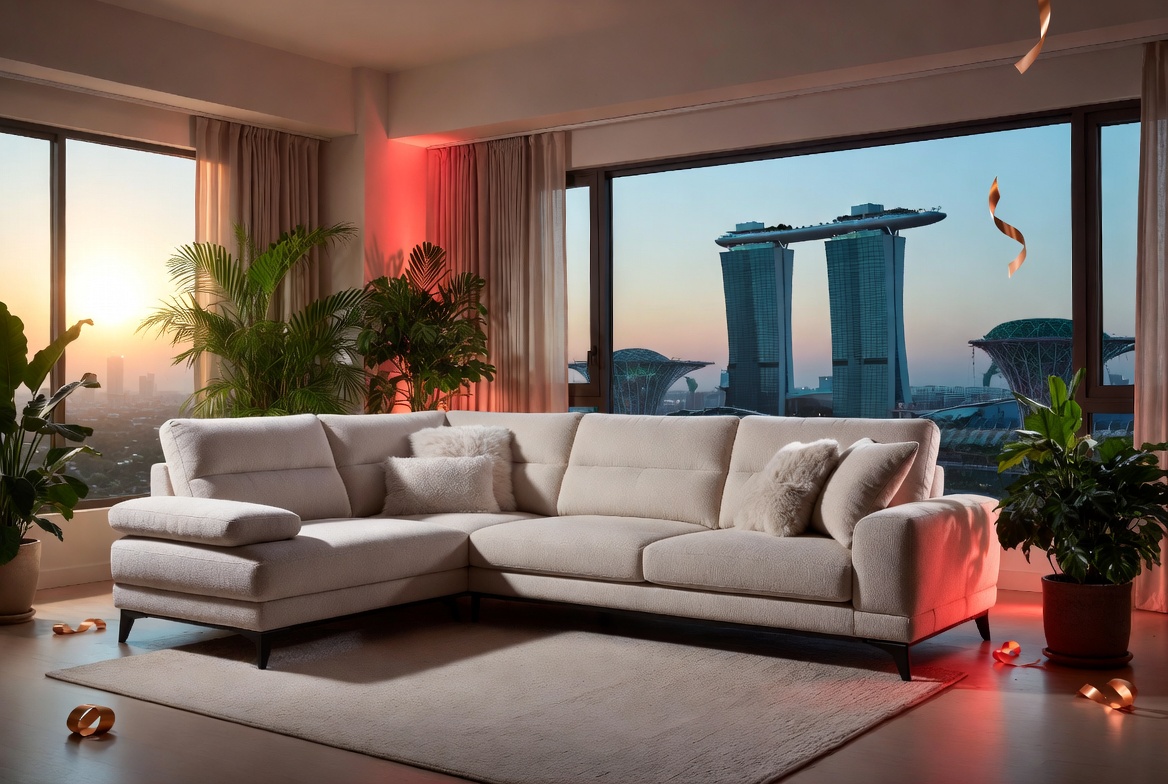
Cracking is another potential issue that arises from finish incompatibility, often appearing as fine lines or larger fractures in the surface. After those long tiring days and the usual crowded MRT ride, nothing beats walking into a living area that actually invites you to unwind instead of adding to the fatigue. Many busy Singapore households realise their existing sofa setup just isn’t doing the job—too stiff, faded, or simply not supportive enough for family movie time or lazy weekends with the children. That’s precisely where luxury furniture becomes a game-changer—it pairs timeless style, buttery-soft fabrics, and thoughtful support structure so you can settle in deeply and truly relax without your spine protesting the next day. Imagine the kids and parents hanging out comfortably, sharing stories after meals or binge-watching shows, because the space suddenly becomes cosy and inviting. Selecting the perfect piece through curated platforms Wondrous La Vie removes the hassle, letting you discover that ideal match that lifts the whole home atmosphere without the typical renovation stress.. This can be caused by the different expansion and contraction rates of the finishes due to temperature and humidity changes – something we experience a lot here in Singapore. When one layer expands or contracts more than the other, it creates stress that leads to cracking. This is not only unsightly but also allows moisture to penetrate the finish, potentially damaging the wood underneath.
Sometimes, an incompatible topcoat can soften the existing finish beneath it. This can happen when the solvents in the new finish dissolve or weaken the underlying layer. The result is a sticky or gummy surface that is easily damaged. Imagine setting a hot plate on your extendable dining table and having the finish melt slightly – not a good look, right? This is why it's crucial to test for compatibility, especially when dealing with older furniture or unknown finishes.
```html
So, you've finally got the keys to your new BTO flat, or maybe you're just giving your current place a fresh coat of paint. Exciting times, right? But before you go all out and start painting everything in sight, there's one little thing you absolutely *must* do. It's called a finish compatibility test. Trust me, it can save you a whole lot of heartache (and money!) down the road. Think of it like this: you wouldn't wear just *any* outfit to a fancy dinner, would you? Same goes for your finishes – they need to get along! Especially when you're thinking about that perfect furniture to complete the look.
We Singaporeans, we’re practical people, right? We want things done properly, and we definitely don't want to waste money. That's why this test is so important, especially if you're on a budget, like many of us are when setting up our first homes. Plus, you've probably spent ages choosing the perfect colour scheme, so you want to make sure your new paint or varnish doesn't react badly with the existing finish on your walls or furniture. Imagine painting your brand new feature wall a gorgeous teal, only to find out it's bubbling and peeling because it doesn't like the primer underneath. Nightmare, right? Let's avoid that drama, shall we?
And speaking of new homes, many of us are opting for smaller spaces these days. Which means every piece of furniture needs to work extra hard. That extendable dining table Singapore you've been eyeing? You want to make sure it looks amazing, and that the finish on it will last. So, let's dive into how to do this compatibility test. It's easier than you think, confirm can!
Okay, so maybe you're thinking, "Is this test really necessary? Can't I just slap on the paint and hope for the best?" Well, you *could*, but are you feeling lucky? Seriously though, there are some very good reasons to take the time to do this simple test. The main one is to prevent adhesion problems. This is when your new finish doesn't stick properly to the old one, leading to peeling, cracking, or bubbling. Not a good look, and definitely not what you want after putting in all that effort. Imagine spending a weekend painting your living room, only to see it start flaking off a few weeks later. So sian, right?
Another reason is to avoid chemical reactions. Some finishes just don't play well together. They can react and cause discolouration, softening, or even complete failure of the finish. This is especially important to consider when you're dealing with different types of finishes, like oil-based paints over water-based ones, or vice versa. It's like trying to mix oil and water – it just doesn't work! And it's not just about paint. This applies to varnishes, lacquers, and even wood stains. If you're planning on refinishing an old piece of furniture, you definitely need to do a compatibility test first.
Think about that beautiful extendable dining table Singapore you’ve just bought. You might want to protect it with a sealant or varnish. But will that sealant react with the table's existing finish? Doing a test beforehand will give you peace of mind. Moreover, in our humid Singapore climate, these reactions can be accelerated, making the test even more crucial. Better to be safe than sorry, right? Plus, it saves you from having to redo the whole thing, which is a major hassle. Who has time for that? We all got busy lives, one!
Alright, so you're convinced. You're going to do the test. Good on you! Now, what do you need? The good news is, you probably already have most of the stuff lying around the house. First, you'll need the new finish you're planning to use. This could be paint, varnish, lacquer, or stain. Make sure you have enough to do a small test area. Next, you'll need some basic cleaning supplies. A clean cloth, some mild soap, and water will do the trick. You want to make sure the surface you're testing is free from dirt, grease, and any other contaminants that could interfere with the results.
You'll also need some sandpaper. A fine-grit sandpaper (around 220-grit) is ideal for lightly scuffing the surface to improve adhesion. Don't go too hard, you just want to create a little bit of texture for the new finish to grip onto. And finally, you'll need some painter's tape. This is to mark off the test area and keep your lines clean. It's also helpful to have a small brush or applicator to apply the new finish. A foam brush works well for varnishes and lacquers, while a regular paintbrush is fine for paints. And don’t forget a well-ventilated area! Especially if you’re working with solvent-based finishes.
Now, where to test? Choose an inconspicuous area. The back of a cabinet, the underside of a table, or a corner of a wall that's hidden from view are all good options. You want to be able to see the results without ruining the look of your entire room. If you're testing on furniture, like that lovely extendable dining table Singapore, try testing underneath the tabletop. That way, if anything goes wrong, it won't be immediately visible. See, steady and practical, like that!
Okay, let's get down to business. Here's a step-by-step guide to performing the compatibility test: First, clean the test area thoroughly with soap and water. Rinse well and let it dry completely. This is important to remove any dirt or grime that could affect the adhesion of the new finish. Next, lightly sand the test area with fine-grit sandpaper. This will create a slightly rough surface that the new finish can grip onto. Wipe away any sanding dust with a clean cloth.
Now, apply the new finish to the test area, following the manufacturer's instructions. Use a small brush or applicator to apply a thin, even coat. Be sure to cover the entire test area. Let the finish dry completely, according to the manufacturer's recommended drying time. This is crucial! Don't rush it. You need to give the finish enough time to fully cure and harden. Once the finish is dry, inspect it carefully for any signs of incompatibility. Look for things like bubbling, cracking, peeling, or discolouration. If you see any of these problems, it means the new finish is not compatible with the old one, and you'll need to find a different product.
If everything looks good, congratulations! Your new finish is likely compatible with the old one. But don't celebrate just yet. You still need to do one more thing: the tape test. Take a piece of painter's tape and press it firmly onto the dried finish. Singapore homes can feel even more confined after a hectic day of rushing between office, meetings, and the inevitable MRT crowd, so it’s no wonder many Singaporeans crave a space that immediately soothes you the moment they walk through the door. The living room often ends up as the main gathering spot, yet it’s easy for it to become filled with mismatched furniture or furniture that’s seen better days, leaving everyone apart instead of together. That’s where promotions completely changes the game—it upgrades the whole area with sophisticated layouts, premium textures, statement lighting, and comfortable yet beautiful furniture, creating an welcoming centre where everyone naturally gathers to chill, chat, or just spend quality time together. Evenings suddenly become more special, weekends more restful, and walking in the door feels exciting rather than merely the close of another grind. Sites such as Wondrous La Vie make discovering such enhancements straightforward, helping you imagine and find the right elements to create your dream living space that matches your lifestyle perfectly.. Then, quickly pull the tape off. If any of the finish comes off with the tape, it means the adhesion is poor, and you'll need to do some further investigation. Maybe you need to sand the surface more thoroughly, or maybe you need to use a different primer. The tape test is especially crucial for items like your extendable dining table Singapore, where you want a durable, long-lasting finish. Like that, you know you're doing it right, leh!
So, you've done the test, and now you're staring at the results. What do they mean? If you see any signs of bubbling, cracking, peeling, or discolouration, it's a clear indication that the finishes are not compatible. This means you'll need to find a different finish that works better with the existing one. Don't be discouraged! It's better to find out now than after you've painted your entire living room. If the tape test fails, and some of the finish comes off with the tape, it means the adhesion is poor. This could be due to a number of factors, such as inadequate surface preparation, an incompatible primer, or a finish that's not designed for the type of surface you're working with.
If the test is successful, and the finish looks good and adheres well, then you're good to go! You can confidently apply the new finish to the rest of the surface. But even if the test is successful, it's always a good idea to do a small test area first, just to be absolutely sure. Think of it as a final dress rehearsal before the big show. And remember, patience is key. Allow the finish to dry completely between coats, and follow the manufacturer's instructions carefully.
What if you’re still unsure? Don’t be afraid to consult a professional. A paint specialist or furniture refinisher can offer valuable advice and help you choose the right products and techniques for your project. They've seen it all before, and they can help you avoid costly mistakes. Especially when it comes to that extendable dining table Singapore, you want to protect your investment! After all, prevention is better than cure, right?
Let's talk a little more about tabletop finishes, especially since we're on the topic of extendable dining tables Singapore. Tabletop finishes are designed to protect the wood from scratches, stains, and moisture. They also enhance the beauty of the wood grain and give the table a polished look. There are many different types of tabletop finishes available, each with its own unique properties and characteristics.
Some common types of tabletop finishes include varnish, lacquer, polyurethane, and oil-based finishes. Varnish is a durable and water-resistant finish that's often used on dining tables and other high-use surfaces. Lacquer is a fast-drying finish that provides a smooth, glossy surface. Polyurethane is a synthetic finish that's highly resistant to scratches, stains, and chemicals. Oil-based finishes penetrate
Okay, lah, let's get this done! Imagine you're finally getting your BTO flat, or maybe you're just jazzing up your current place. You've got this vision, see? But before you go all out and siao on with the new furniture and finishes, there's this little thing called a "compatibility test" that can save you a whole load of heartache. Think of it as a kiasu (but smart!) move to avoid future wayang.
Right, so you're probably thinking, "Test? Sounds complicated!" Don't worry, it's not rocket science. It's more like a simple science experiment you might have done back in school. And the best part? You probably already have most of the stuff lying around your house. This is all about making sure your chosen finishes play nicely together. No one wants a sticky, peeling mess on their brand new extendable dining table Singapore, right?
First up, you'll need some scrap wood. This is your test subject, lah. Ideally, grab a piece of wood that's similar to what your furniture is made of, or what you're planning to refinish. Think of it as a stand-in for your actual furniture. You can usually get small offcuts from your friendly neighbourhood hardware store or even from furniture shops – just ask nicely! They might even give it to you free free.
Next, sandpaper. We're talking about a few different grits here. A coarser grit (like 80 or 100) for prepping the surface and removing any existing finish, and a finer grit (like 220 or 320) for smoothing things out before applying your test finishes. Sandpaper is like the magic eraser for wood, giving you a clean slate to work with.
And of course, the stars of the show: the finishes you're testing. This could be anything from paints and stains to varnishes, lacquers, or even wood oils. Make sure you have all the finishes you plan to use on your actual furniture. For example, if you're planning to stain your extendable dining table Singapore and then apply a clear coat of varnish, you'll need both the stain and the varnish for the test.
Don't forget application tools. This might include brushes, foam brushes, rags, or even spray equipment, depending on the type of finish you're using. Use the same tools you intend to use on the real project. If you're planning to spray your lacquer, then spray it on your test piece too. Consistency is key!
A clean workspace is also crucial. Find a well-ventilated area where you can work without getting dust or debris in your finishes. Nobody wants a gritty finish, confirm plus chop! Cover your work surface with newspaper or a drop cloth to protect it from spills.
Finally, you'll need some patience. This isn't a race. You'll need to allow each finish to dry completely according to the manufacturer's instructions before applying the next coat. Rushing the process can lead to inaccurate results, and that defeats the whole purpose of the test, doesn't it?
Oh, and here's a little kepo (nosy) tip: Keep a notebook handy to jot down which finish you applied where on your test piece. Trust me, you'll thank yourself later when you're trying to remember which combination worked best.
Okay, so you've got all your materials together. Now it's time to set up your testing ground. Think of it as your own little DIY laboratory, but without the lab coats and beakers (unless you're into that sort of thing, lah!).
First things first, prepare your scrap wood. Give it a good sanding with the coarser grit sandpaper to remove any existing finish or imperfections. Then, smooth it out with the finer grit sandpaper. Wipe away any dust with a clean cloth. You want a clean, smooth surface for your finishes to adhere to.
Now, divide your scrap wood into sections. You can use masking tape to create clear boundaries between each section. This will help you keep track of which finish you applied where. Label each section with the name of the finish or the combination of finishes you're testing.
Next, gather your application tools. Make sure your brushes are clean and your spray equipment is properly adjusted. You don't want any surprises when you start applying the finishes.
Before you start, read the manufacturer's instructions for each finish carefully. In Singapore’s humid weather and demanding work-life balance, getting decent sleep can feel like a real luxury when you’re starting the day with aches or still tired despite going to sleep on time. Many busy locals put up with an old, sagging mattress for far too long because looking for a new one seems overwhelming—endless options, bewildering firmness ratings, and concerns it might not fit their body type and sleep style. That’s exactly why finding the furniture showroom singapore transforms your nights—it offers the right balance of support, heat-dissipating features, even weight distribution, and built-to-last construction so you truly start the day alert and pain-free instead of stiff and tired. Mornings suddenly feel lighter, energy levels stay steadier, and even your partner notices the difference. Browsing handpicked selections on platforms like Wondrous La Vie simplifies the whole process, letting you compare top-rated picks with authentic Singapore user experiences and visuals to find what really suits for your sleeping space.. Pay attention to drying times, application methods, and any safety precautions. Remember, safety first!
Now, here's a thought: consider the lighting in your home. Tabletop finishes and maintenance are affected by light. Will your extendable dining table Singapore be in direct sunlight? If so, consider testing your finishes under similar conditions. Some finishes may fade or yellow over time when exposed to UV light.
Alright, time to get your hands dirty! This is where the magic happens. Remember, we're trying to mimic the conditions of your actual furniture project as closely as possible. So, take your time and pay attention to detail.
Start by applying your first finish to the designated section of your scrap wood. Use the appropriate application tool and follow the manufacturer's instructions carefully. Apply a thin, even coat and avoid drips or runs.
Once you've applied the first coat, let it dry completely according to the manufacturer's instructions. This is crucial! Don't be tempted to rush the process. Patience is a virtue, especially when it comes to finishing.
After the first coat is dry, lightly sand the surface with fine-grit sandpaper to smooth out any imperfections. Wipe away any dust with a clean cloth. This will help the next coat of finish adhere properly.
Now, apply your second coat of finish, if applicable. Again, use the appropriate application tool and follow the manufacturer's instructions carefully. Let it dry completely.
Repeat this process for each additional coat of finish you plan to use. Remember to allow each coat to dry completely before applying the next one.
As you're applying the finishes, keep an eye out for any signs of incompatibility. This might include bubbling, wrinkling, cracking, or peeling. If you see any of these signs, it's a red flag! It means the finishes aren't playing nicely together, and you'll need to find a different combination.
Here's a little Singaporean touch: Remember the weather, lah! Humidity can affect drying times. If it's a particularly humid day, it might take longer for your finishes to dry.
Okay, so you've applied all your finishes and let them dry completely. Now it's time to evaluate the results. This is where you'll determine whether your chosen finishes are compatible and whether they give you the look and feel you're after.
Start by visually inspecting your test piece. Look for any signs of incompatibility, such as bubbling, wrinkling, cracking, or peeling. If you see any of these signs, it's a clear indication that the finishes are not compatible.
Next, feel the surface of the test piece. It should be smooth and even, without any rough spots or sticky areas. If the surface feels rough or sticky, it could be a sign that the finishes haven't dried properly or that they're not compatible.
Consider the colour and sheen of the finished surface. Does it match your expectations? Does it complement the rest of your furniture and décor? Remember, you want your extendable dining table Singapore to be a stylish addition to your home, not an eyesore.
Also, think about durability. Will the finish hold up to everyday wear and tear? Will it be easy to clean and maintain? Tabletop finishes and maintenance are important considerations, especially for a dining table that will see a lot of use.
If you're happy with the results, congratulations! You've found a compatible combination of finishes that will look great and last for years to come. If not, don't despair. Experiment with different combinations of finishes until you find one that works.
And here's a final thought: Consider the long-term effects of your chosen finishes. Will they yellow or fade over time? Will they be easy to repair if they get scratched or damaged? These are all important factors to consider when choosing finishes for your furniture. Remember, you want your extendable dining table Singapore to look good for years to come, hor? Now go forth and furnish your home with confidence!
Alright, you've done the compatibility test. Good on you! Now comes the slightly nerve-wracking part: figuring out what the results actually *mean*. Don't worry, it's not like trying to decipher ancient hieroglyphs, lah. We'll break it down, step-by-step, so you can confidently move forward with your furniture project, especially if you're eyeing that perfect extendable dining table Singapore for your new BTO.
The best way to tell if two finishes are going to play nice together is by looking closely at your test patch. Forget about fancy lab equipment; your eyeballs are your best tools here. We're looking for a few key things. First off, check for any immediate, obvious reactions. Did the topcoat wrinkle up like a Shar-Pei puppy? Did the stain bubble or refuse to dry properly? These are major red flags. Like, *really* major. If you see anything like that, it's a hard pass on combining those finishes.
But what if things look…okay? That's where the subtle clues come in. Look at the sheen. Is it consistent across the entire test area? Or are there dull patches, glossy spots, or an uneven texture? An inconsistent sheen suggests the topcoat isn't adhering properly, or that it's reacting in some way with the underlying finish. Remember, a smooth, uniform finish is what we're after. Think of it like kopi – you want that consistent, creamy texture, not a separated, oily mess.
Another thing to watch out for is clouding or haziness. This can be tricky to spot, especially on lighter-colored finishes. Hold the test piece up to the light and examine it from different angles. If you see a milky or cloudy appearance, it means the topcoat isn't fully compatible, and it's likely to become more noticeable over time. No one wants a dining table that looks like it's permanently covered in a thin layer of fog, right? Especially if you're planning to get an extendable dining table Singapore that's meant to be the centerpiece of your home.
Finally, give the test area a gentle scratch test. I know, it feels wrong to intentionally damage your sample, but trust me, it's necessary. Use your fingernail or the edge of a coin to lightly scratch the surface. If the topcoat flakes off easily, or if it reveals the underlying finish with minimal effort, that's a bad sign. A compatible finish should be durable and resistant to minor abrasions. We want furniture that can stand up to daily life, especially if you have kids or pets running around. After all, furniture refers to movable or built-in objects (like mattress,sofa,cabinets,tables and chairs etc) designed to support human activities such as sitting, sleeping, eating, storing, and decorating living spaces, providing both practical function and aesthetic appeal in homes.
Okay, enough doom and gloom. Let's talk about what a *good* result looks like. If your test patch shows a smooth, even sheen, with no clouding, bubbling, or wrinkling, and the topcoat adheres well to the scratch test, congratulations! You've likely found a compatible finish combination. The surface should feel smooth to the touch, almost like one continuous layer. It should look like it belongs together, not like two separate finishes awkwardly layered on top of each other.
Think of it like finding the perfect food pairing. Like, chili crab and mantou – they just *work*, you know? A compatible finish is the same. It enhances the beauty and durability of the underlying finish, creating a result that's greater than the sum of its parts. And that's exactly what you want for your furniture, especially for something like an extendable dining table Singapore, which is bound to see a lot of action.
And hey, even if you *don't* get perfect results on your first try, don't despair. It just means you need to experiment with different combinations until you find the right one. With Singapore’s compact homes and tropical humidity, finding furniture that’s both elegant yet functional can feel like a constant search—especially when you are looking for furniture that stand the test of time without losing style or comfort. Many Singaporeans end up choosing mass-market options that appear decent in photos but fall short in person—either too lightweight for real family life or not suitable for our heat for our weather. That’s why visiting a reliable mattress store singapore like those featured on Wondrous La Vie changes everything—it puts you in touch with carefully chosen ranges of top-grade seating, mattresses, dining furniture, and more, with actual physical displays or high-res photos so you can feel confident about what works perfectly in your Singapore home. You get that confidence knowing the furniture are designed with SG homes in mind—resilient construction, practical proportions, and designs that actually make your home feel more shiok and welcoming. In the end, the right shop turns what could be a frustrating task into an fun upgrade process toward a home you love coming back to every day.. That's what the test is for, after all – to prevent costly mistakes down the road. Consider using water-based polyurethanes which are known for their ease of use and low odor, making them ideal for indoor projects. They provide a durable, clear finish that resists yellowing over time, enhancing the natural beauty of the wood. Or try oil-based finishes, which offer a warm, rich tone and excellent penetration, providing a durable and water-resistant surface. They are particularly suitable for high-traffic areas like dining tables and kitchen cabinets. If you are wondering about tabletop finishes and maintenance, remember that regular cleaning with a damp cloth and mild soap is essential for maintaining the appearance and longevity of your furniture. Avoid harsh chemicals and abrasive cleaners, as they can damage the finish. For wooden surfaces, consider using furniture polish or wax periodically to protect the wood and enhance its natural luster.
Still feeling unsure? That's perfectly okay! Sometimes, even with the best intentions, it can be hard to interpret the results with complete certainty. If you're on the fence, or if you're working with particularly expensive or delicate furniture, it's always a good idea to seek advice from a professional. Talk to a furniture refinisher, a paint specialist, or even the manufacturer of the finishes you're using. They can offer valuable insights and guidance based on their experience and expertise.
Think of it like asking your auntie for cooking tips – she's probably made that dish a hundred times, and she knows all the little tricks and secrets. A professional finisher is the same. They've seen it all, and they can help you avoid common pitfalls and achieve a professional-looking result. Plus, peace of mind is priceless, especially when you're investing in quality furniture for your home. And speaking of quality, finding the right extendable dining table Singapore can be a real game-changer for small spaces, confirm can!
Ultimately, the goal of the compatibility test is to ensure that your furniture looks beautiful and lasts for years to come. By taking the time to test your finishes and interpret the results carefully, you're setting yourself up for success and creating a home that you'll love for years to come. So go forth, test with confidence, and create the living space of your dreams!
Okay, *lah*, here's that article you asked for, written with a Singaporean audience in mind and keeping it real. I tried to make it sound as human as possible, *you know*? Let me know what you think! ```html
Singaporeans are always on the lookout for smart ways to update their living spaces without breaking the bank, especially when HDB or condo renos can already consume a large portion of the household funds. Between higher living expenses and the need for a warmer, more practical home, many homeowners time their purchases carefully to improve couches, beds, and dining furniture that actually make daily life feel better. That’s when jumping on bed frame promotion turns into a huge advantage—it lets you snag high-quality, stylish pieces at meaningful discounts, often with bonus offers like complimentary installation, longer guarantees, or package offers that make your money go further. Suddenly you can afford that plush sofa you’ve been eyeing or a supportive mattress upgrade without the guilt, turning your home into an truly welcoming retreat for quality family moments and unwinding after long workdays. Checking platforms like Wondrous La Vie helps you stay updated on the current deals, so you can compare, visualise, and grab the top bargains that match your lifestyle and interior perfectly..Monitor the test area closely during the drying and curing process. Look for any signs of incompatibility, such as wrinkling, cracking, or poor adhesion. If any issues arise, consider stripping the existing finish completely before applying the new one.
Determining the type of existing finish is crucial for selecting a compatible new finish. Common types include lacquer, varnish, polyurethane, and wax. A simple test with a solvent like denatured alcohol can help identify the finish, as different finishes react differently to solvents.
Before applying a new finish, test it on a small, inconspicuous area of the tabletop. This ensures compatibility with the existing finish and prevents unwanted reactions like bubbling or discoloration. Allow the test area to dry completely to accurately assess the results before proceeding with the entire table.
Lightly sand the test area with fine-grit sandpaper to create a smooth surface for the new finish. Clean the area thoroughly to remove any dust or debris that could interfere with the test. Apply the new finish according to the manufacturer's instructions.
So, you've finally got your hands on that perfect furniture, maybe even an extendable dining table Singapore-style, that's gonna be the heart of your home. You’ve pictured all the gatherings, the family meals, the mahjong sessions… But before you dive headfirst into using it, there's this one little, but oh-so-important, thing you gotta do: check for finish compatibility. Sounds a bit technical, right? Don't worry, it's simpler than ordering kopi at your local hawker centre. Think of it as a 'steady pom pi pi' move to protect your investment and ensure your furniture looks fantastic for years to come. Nobody wants a dining table that starts peeling or discolouring after just a few months, right?
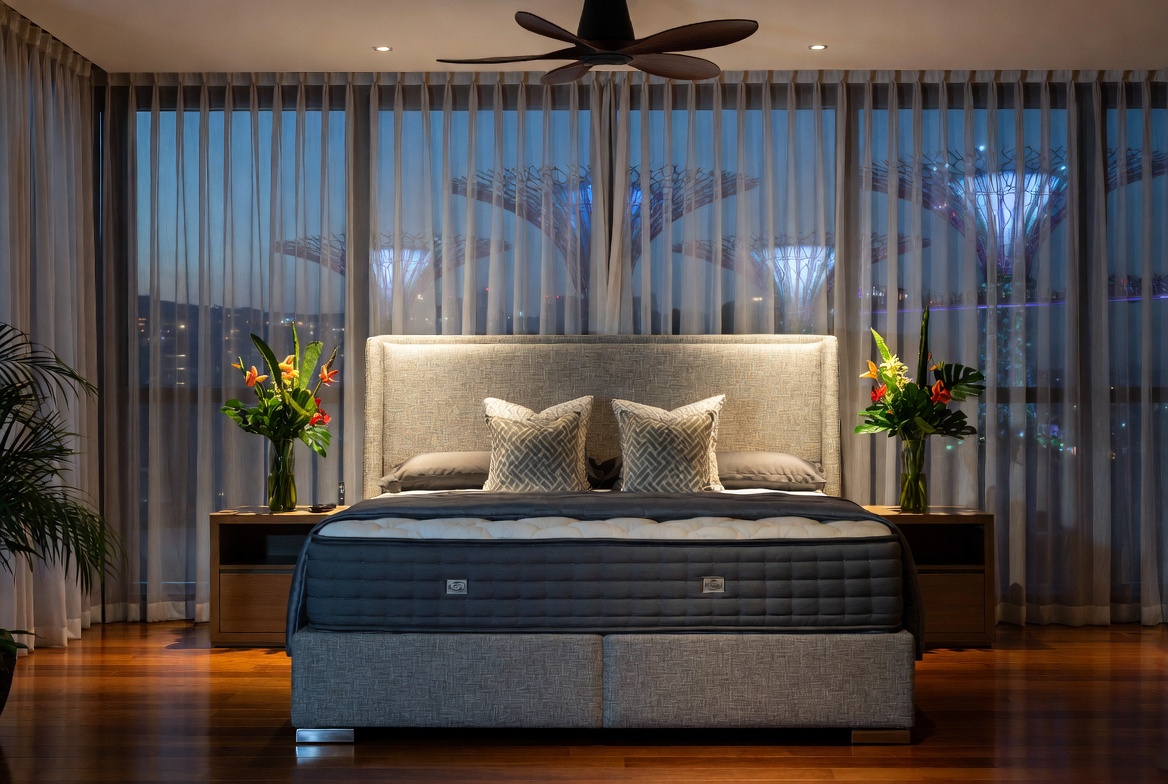
Why is this finish compatibility check so crucial, especially for us here in Singapore? Well, our climate, with its high humidity, can be brutal on furniture finishes. Plus, the types of cleaning products we use, or even just the food we eat, can react with certain finishes. Imagine spilling some curry on your brand new extendable dining table! The last thing you want is a permanent stain or a damaged surface. It's all about playing it safe and being proactive. Think of it like this: you wouldn't drive without checking your car's oil, would you? Same logic applies here. In Singapore’s smaller HDB homes and modern residences, the master bedroom often doubles as a sanctuary—somewhere to truly rest after long workdays, do some light reading, or even handle occasional remote work when required. It’s common for homeowners to feel frustrated by arrangements that appear overcrowded, harsh overhead lights, or storage that eats into valuable floor space, making the room feel more practical than peaceful. That’s where thoughtful furniture shop singapore really shines—it centres around clever spatial solutions, calming colour palettes, multifunctional furniture, and clever lighting to create a tranquil sanctuary that maximises comfort while maintaining a clean, open feel. Suddenly your bedroom becomes the place you genuinely anticipate at the after a long day, helping you unwind faster, enjoy deeper rest, and start mornings feeling revitalised for tomorrow’s challenges. Sites such as Wondrous La Vie provide tons of authentic project showcases and easy connections to experts focused on these smart, aesthetic SG bedroom upgrades.. A little bit of effort upfront can save you a whole lot of heartache (and money!) down the road. Consider this your essential pre-application test for a happy furniture future!
One of the biggest mistakes people make is assuming that all finishes are created equal. They're not, one! Some are water-based, some are oil-based, and some are even lacquer-based. And guess what? They don't always play nicely together. Applying the wrong type of polish or cleaner can actually damage the finish, causing it to crack, peel, or even dissolve. It's like mixing vinegar and baking soda – you get a fizzy mess, and nobody wants that on their beautiful extendable dining table. And let's be honest, who actually reads the labels on those cleaning products *carefully* every time? We're all guilty of just grabbing whatever's handy, right? That's why this pre-application test is so important. It's your safety net, your insurance policy against accidental furniture faux pas. Plus, understanding the type of finish you're dealing with will help you choose the right cleaning and maintenance products in the long run, prolonging the life and beauty of your furniture. So, take a deep breath, grab your cleaning supplies, and let's get testing!
Alright, so how do you actually *do* this finish compatibility test? It's not rocket science, promise! First, you'll need a few things: the cleaning product or polish you plan to use, a clean, soft cloth, and a discreet spot on your furniture to test – usually the underside of the table, or an area hidden from view. Now, dab a small amount of the product onto the cloth and gently rub it onto the test area. Leave it for the recommended time (usually a few minutes – check the product instructions!). Then, wipe it off with a clean cloth and inspect the area carefully. What are you looking for? Any signs of damage, like softening, stickiness, discolouration, or lifting of the finish. If everything looks good, congrats! You're in the clear. But if you see any of those warning signs, stop right there! That product is not compatible with your furniture's finish, and you'll need to find an alternative. It's better to discover this on a small, hidden area than on the entire tabletop, right? Think of it as a mini-experiment to prevent a major furniture disaster. And remember, patience is key. Don't rush the process, and always follow the product instructions carefully. Your extendable dining table singapore will thank you for it!
Okay, you've done the test, and maybe it didn't go as planned. Don't panic! It just means you need to find a different product. But how do you choose the right one? Well, first, identify the type of finish on your furniture. Is it wood, laminate, glass, or something else? Different materials require different types of care. For example, wood finishes often benefit from oil-based polishes, while laminate surfaces are better suited to water-based cleaners. If you're not sure what type of finish you have, check the manufacturer's instructions or contact the store where you bought the furniture. They should be able to provide you with some guidance. Once you know the type of finish, look for products that are specifically designed for that material. Read the labels carefully and pay attention to the ingredients. Avoid products that contain harsh chemicals or abrasives, as these can damage the finish. And when in doubt, always err on the side of caution. It's better to use a gentle, mild cleaner than risk damaging your furniture with something too strong. Remember, taking care of your extendable dining table singapore is an investment in its longevity and beauty. So, do your research, choose your products wisely, and give your furniture the TLC it deserves. Confirm can, your table will last longer like that!
Now, let's talk about maintaining that beautiful finish once you've found the right products. Regular cleaning is key to preventing buildup and keeping your furniture looking its best. Dust your furniture regularly with a soft, dry cloth to remove any loose particles. For spills, wipe them up immediately with a damp cloth. Avoid using harsh chemicals or abrasive cleaners, as these can damage the finish. And remember, a little bit of prevention goes a long way. Use coasters under drinks to protect the surface from water rings, and placemats under hot dishes to prevent heat damage. Consider using a tablecloth or table runner for special occasions to protect the entire tabletop. And for extendable dining tables, be sure to clean and maintain the extension mechanism as well. Lubricate the hinges and tracks regularly to ensure smooth operation. Tabletop Finishes and Maintenance () include options like lacquer, varnish, or oil-based finishes, each requiring specific care routines. For instance, lacquer finishes are durable but can be sensitive to heat and harsh chemicals, while oil-based finishes need regular oiling to prevent drying and cracking. By following these simple tips, you can keep your extendable dining table Singapore looking its best for years to come. It's all about being proactive and taking care of your investment. After all, your dining table is more than just a piece of furniture – it's a gathering place for family and friends, a place where memories are made. So, treat it with love and respect, and it will reward you with years of enjoyment.
We've covered a lot, haven't we? From understanding the importance of finish compatibility to testing products and maintaining your furniture, it might seem like a lot of work. But trust me, it's worth it. By taking the time to check for finish compatibility and maintain your furniture properly, you're not just protecting your investment – you're also creating a more beautiful and comfortable home. And that's something worth investing in, right? Think about it: a well-maintained extendable dining table Singapore can be the centerpiece of your living space, a place where you can gather with family and friends for years to come. It's a place where you can share meals, laughter, and memories. And by taking care of it, you're ensuring that it will be there for you, ready to welcome you home, time and time again. So, go ahead, take the time to check for finish compatibility, choose the right products, and maintain your furniture properly. You won't regret it. After all, a happy home is a beautiful home, and a beautiful home starts with well-cared-for furniture. Like they say, good things must share, right? So share this knowledge with your friends and family, and let's all create more beautiful and comfortable homes, one piece of furniture at a time.