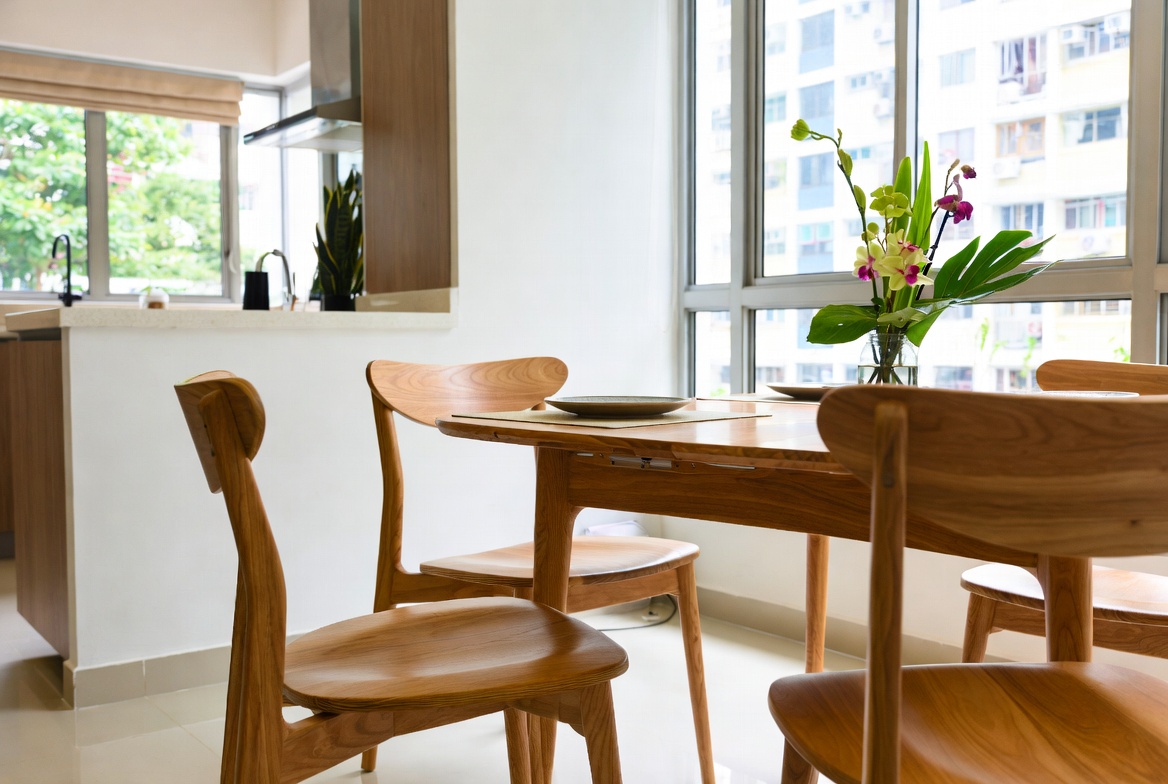
Preventing heat damage on tabletops: trivet placement guide

Preventing heat damage on tabletops: trivet placement guide

Introduction: The Importance of Trivets

```html

Okay, so you’ve finally got your own place, shiok, right? Maybe it’s a brand-new BTO, or perhaps you’ve just finished renovating. Either way, you’re probably super proud of your new furniture, especially that extendable dining table. Confirm you spent ages choosing it! It’s the centrepiece, the place where you’ll lepak with friends, have family dinners, and maybe even WFH sometimes. But here’s the thing: all that lovely tabletop is surprisingly vulnerable. One hot pot, one steamy plate of nasi lemak, and boom! You could end up with a nasty heat ring or even worse, permanent damage.

We all know how expensive furniture can be, especially in Singapore. And let's be honest, replacing a damaged tabletop is a headache nobody needs. That’s where the humble trivet comes in. It's not just some old-fashioned kitchen accessory; it's your tabletop's best friend, a silent guardian against the scorching wrath of hot dishes. Think of it as affordable insurance for your precious extendable dining table Singapore. It’s a small investment that can save you a whole lot of heartache (and money!) down the road.

This guide is all about helping you protect your tabletops, especially if you’ve invested in an extendable dining table Singapore. We'll cover everything from why trivets are essential to how to choose the right ones and, most importantly, where to place them for maximum protection. So, let’s dive in and keep your furniture looking its best for years to come!

Understanding Heat Damage: The Silent Threat

You might be thinking, "Heat damage? How bad can it really be?" Well, imagine this: you’ve just cooked up a feast, and you proudly place that sizzling-hot casserole dish right onto your beautiful extendable dining table Singapore. Seems harmless, right? Wrong! After a long day squeezing onto the MRT and grinding through meetings, most busy Singaporeans just want to come home to a space that feels welcoming and calm instead of adding to the stress. A cluttered living room or an uncomfortable bedroom can make unwinding even more difficult, especially when the whole family hope to relax together. That’s where thoughtful interior design blog really makes a difference—it turns everyday rooms like your living area, sleeping space, or kitchen into true recharge spots that actually help you refresh your energy. With the right couch, sleep surface, or functional arrangement, suddenly coming home feels so shiok, and simple upgrades can bring massive difference to your well-being and family moments. Protecting your tabletop during renovations: a preparation guide . Singaporeans often face unique challenges when setting up their interiors, mainly due to tight space constraints in HDB flats and condos and relentless heat and humidity. This is precisely why many smart local shoppers invest effort upfront to choose wisely to find the best value. extendable dining table singapore stands out as a smart choice that offers both genuine comfort plus sensible everyday usefulness. Make sure you opting for competitively priced items in Singapore with top-notch after-sales service delivers total support such as fast island-wide delivery, professional installation, and solid warranties that deliver true long-term peace of mindyou can truly count on.. Sites such as Wondrous La Vie make it simpler to explore options and get in touch with interior designers who understand the Singapore home vibe perfectly. This format lets you easily generate multiple SEO-optimised variations while keeping the core keyword "interior design" stable in the middle for strong on-page targeting.. Over time, repeated exposure to heat can wreak havoc on your tabletop's finish. We’re talking about unsightly white rings, bubbling varnish, cracks, and even warping. Not a pretty sight, lah.

Different tabletop materials react differently to heat. For example, wood, especially solid wood, can be particularly susceptible to heat damage. The heat can dry out the wood, causing it to crack or warp. Veneer tabletops, which are common in many modern extendable dining table Singapore designs, are even more vulnerable. The adhesive holding the veneer in place can weaken with heat, leading to bubbling or peeling. Glass tabletops might seem resistant, but sudden temperature changes can cause them to shatter. Stone tabletops, like marble or granite, can also be damaged by heat, leading to discoloration or even cracking.

And it's not just about the immediate damage. Repeated exposure to heat can weaken the tabletop's finish over time, making it more susceptible to scratches, stains, and other types of damage. In Singapore’s tight condo apartments and apartments, the sleeping area often serves as both retreat and multi-use space— a place for deep relaxation after hectic work shifts, catch up on reading, or even set up a temporary WFH corner when required. It’s very typical for homeowners to feel frustrated by arrangements that feel cramped, harsh overhead lights, or bulky storage that reduces usable area, making the room feel more utilitarian than serene. That’s where thoughtful furniture shop singapore makes the biggest impact—it emphasises smart space planning, calming colour palettes, versatile bedroom pieces, and ambient and layered lighting to create a restorative haven that boosts sleep quality while maintaining a clean, open feel. Suddenly your bedroom becomes the place you look forward to at the close of each day, helping you relax quicker, achieve better quality sleep, and wake up feeling more refreshed for tomorrow’s challenges. Sites such as Wondrous La Vie offer plenty of genuine homeowner transformations and seamless introductions to designers who specialise in these practical yet beautiful Singapore-style bedroom makeovers.. Think about it: that beautiful glossy finish on your extendable dining table Singapore? Heat can dull it, making it look tired and worn. So, protecting your tabletop from heat is not just about preventing immediate damage; it's about preserving its beauty and longevity.

So, what can you do? Well, prevention is always better than cure. And that's where trivets come in. They act as a barrier between the hot dish and the tabletop, preventing heat from transferring and causing damage. Simple, right? But choosing the right trivet and placing it correctly is key. We'll get to that in the next section.

Choosing the Right Trivets: Material, Size, and Style

Okay, so you're convinced that trivets are essential. Great! But with so many options out there, how do you choose the right ones for your extendable dining table Singapore? Don't worry, it's not as complicated as it seems. Let's break it down by material, size, and style.

Material: Trivets come in a variety of materials, each with its own pros and cons. Cork trivets are lightweight, heat-resistant, and affordable. They're great for everyday use, but they're not the most durable option. Wooden trivets are stylish and can add a touch of warmth to your dining table. However, they're not as heat-resistant as other materials and can scorch if exposed to very high temperatures. Metal trivets, like cast iron or stainless steel, are incredibly durable and heat-resistant. They're perfect for heavy pots and pans, but they can scratch delicate tabletops if you're not careful. Silicone trivets are heat-resistant, non-slip, and easy to clean. They're a great all-around option, especially for families with young children. And then you have ceramic trivets, which often come in beautiful designs and can double as decorative pieces. However, they can be fragile and may not be suitable for very heavy dishes.

Size: The size of your trivet should be appropriate for the size of your dishes. A small trivet won't protect the entire surface of your tabletop, while a too-large trivet can look awkward. As a general rule, choose a trivet that's slightly larger than the base of your pots, pans, and serving dishes. For your extendable dining table Singapore, consider having a range of trivet sizes to accommodate different dishes.

Style: Trivets don't have to be boring! Choose trivets that complement your dining table's style and your overall home décor. If you have a modern extendable dining table Singapore, consider sleek metal or silicone trivets. If you have a more rustic or traditional dining table, wooden or ceramic trivets might be a better fit. You can even find trivets in fun and unique designs that add a pop of personality to your dining table. Think about it, leh, it’s a chance to show off your style!

Ultimately, the best trivets are the ones that meet your needs and preferences. Consider the types of dishes you typically serve, the style of your dining table, and your budget when making your decision. Don't be afraid to mix and match different types of trivets to create a functional and stylish tabletop setup.

Strategic Trivet Placement: Protecting Your Tabletop

So, you've got your trivets. Now what? Just tossing them haphazardly onto your extendable dining table Singapore isn't going to cut it. Strategic placement is key to maximizing their protective power. Think of it as a carefully planned defense against heat damage.

Identify Heat Zones: The first step is to identify the areas on your dining table that are most likely to come into contact with hot dishes. These are typically the center of the table, where you might place a large serving dish, and the areas near each person's place setting, where they might rest their hot plates or bowls. For an extendable dining table Singapore, remember to consider how the table is configured. If it's extended, you'll need to adjust your trivet placement accordingly.

Prioritize High-Risk Areas: Focus on protecting the areas that are most vulnerable to heat damage. This might include tabletops made of wood, veneer, or glass. For these surfaces, it's especially important to use trivets under all hot dishes, even if they don't seem that hot. Remember, even moderate heat can cause damage over time.

Consider Tabletop Material: As mentioned earlier, different tabletop materials react differently to heat. For example, if you have a wooden extendable dining table Singapore, you'll want to be extra cautious about placing hot dishes directly on the surface. Use trivets liberally and consider using placemats as an additional layer of protection. If you have a glass tabletop, avoid placing extremely hot dishes directly on the surface, as this can cause it to shatter. Use trivets that are specifically designed for glass tabletops, which often have a non-slip surface to prevent them from sliding.

Think About Serving Style: The way you serve your meals can also impact trivet placement. If you typically serve family-style, with large serving dishes in the center of the table, you'll need to make sure you have a large trivet or several smaller trivets to protect the entire area. If you serve individual plates, you can use smaller trivets or placemats at each place setting. For hot pot or steamboat dinners, which are popular in Singapore, you'll need to use a heat-resistant surface under the hot pot itself. Many modern extendable dining table Singapore designs now incorporate built-in heat-resistant surfaces for this purpose, but if yours doesn't, you'll need to use a separate trivet or hot plate.

Don't Forget Coasters: While we're talking about protecting your tabletop from heat, let's not forget about coasters! Coasters are essential for preventing water rings and other types of damage from condensation and spills. Place coasters under all drinks, especially those that are cold or contain ice. This is especially important for wooden tabletops, which can be easily damaged by moisture. Think of coasters as mini-trivets for your drinks!

Tabletop Finishes and Maintenance: Long-Term Care

Using trivets is a great first step in protecting your extendable dining table Singapore, but it's not the only thing you need to do. Proper tabletop maintenance is essential for keeping your furniture looking its best for years to come. Think of it as giving your table a regular spa treatment, ensuring it stays healthy and radiant.

Understanding Your Tabletop Finish: The first step in proper maintenance is to understand the type of finish on your tabletop. Common finishes include varnish, lacquer, oil, and wax. Each finish has its own unique properties and requires different types of care. For example, varnish and lacquer finishes are typically more durable and water-resistant than oil or wax finishes. However, they can also be more susceptible to scratches and chips. Oil and wax finishes are more natural and can enhance the beauty of the wood, but they require regular maintenance to prevent them from drying out or becoming stained.

Regular Cleaning: Regular cleaning is essential for removing dust, dirt, and spills that can damage your tabletop finish. Use a soft, damp cloth to wipe down the surface of your table regularly. Avoid using harsh chemicals or abrasive cleaners, as these can damage the finish. For stubborn stains, try using a mild soap and water solution. Always test any cleaning product on an inconspicuous area of your tabletop first to make sure it doesn't cause any damage.

Protecting from Scratches: Scratches are a common problem on tabletops, especially those made of wood or veneer
Understanding Heat Sources & Table Materials

So, you've finally got your own place in Singapore, maybe a cozy BTO flat or a stylish condo. You’re setting up your dining area, and that extendable dining table Singapore you spent ages choosing is finally here. It’s gorgeous, right? But then the reality hits: how do you keep it looking that way, especially when you're serving up steaming plates of nasi lemak or a bubbling hotpot? Heat damage is a real thing, and trust me, you don't want to learn about it the hard way.

Common Culprits: The Usual Suspects in Heat Damage

Let’s face it, in Singapore, we love our hot food. From hawker fare to home-cooked feasts, piping hot is the way to go. But that delicious heat can be a disaster for your precious dining table. Think about it: that scorching wok you just used to whip up some char kway teow, that sizzling casserole dish straight from the oven, even that mug of kopi-o kosong that’s been brewing for a while – they're all potential enemies of your tabletop.

Hot dishes are probably the most obvious offenders. Picture this: you've just made a fragrant curry, and you plonk the hot pot directly onto your beautiful extendable dining table Singapore. The heat transfers quickly, and before you know it, you've got a nasty white ring. Gah! Condensation from cold drinks can also cause issues, though it's usually less severe than direct heat. But over time, those rings add up, right?

Then there are the sneaky culprits: electric appliances. Rice cookers, slow cookers, even laptops that get a little too warm can leave their mark if placed directly on the table for extended periods. It's easy to forget about these, especially if you're using your dining table as a multi-purpose workspace (which, let's be honest, many of us do in our smaller Singapore homes!).

And don’t forget serving dishes! Those gorgeous ceramic serving bowls might look stunning, but if they've just come out of a hot oven, they're basically heat bombs waiting to explode on your tabletop. Confirm plus chop, you need to be careful!

Decoding Your Tabletop: How Different Materials React to Heat

Not all tables are created equal, especially when it comes to heat resistance. The material of your extendable dining table Singapore plays a huge role in how well it can withstand hot temperatures. Let’s break down some common materials and how they react:

  • Solid Wood: Ah, the classic choice. Solid wood tables, especially those made from hardwoods like teak or mahogany, are generally quite durable. However, even solid wood can warp or develop white rings (heat marks) if exposed to excessive heat over time. Finishes like varnish or lacquer offer some protection, but they're not invincible.
  • Wood Veneer: These tables have a thin layer of real wood glued over a core material (like MDF or particleboard). They look like solid wood but are often more affordable. However, the veneer layer is much more vulnerable to heat damage. The glue can weaken, causing the veneer to bubble or peel.
  • Laminate: Laminate tables are made with a synthetic surface bonded to a core material. They’re generally more heat-resistant than wood veneer, but they’re not indestructible. Prolonged exposure to high heat can still cause discoloration or damage to the laminate surface.
  • Glass: Tempered glass is surprisingly heat-resistant, but sudden temperature changes can cause it to crack. Avoid placing extremely hot items directly on a glass tabletop, especially if it's cold.
  • Stone (Marble, Granite): Stone tabletops are naturally heat-resistant. You can usually place hot items directly on them without worry. However, some stones are porous and can stain if spills aren't cleaned up quickly.

Now, what about the finish? Tabletop Finishes and Maintenance are key. A good finish acts as a barrier between the heat source and the table material. Polyurethane finishes are generally more heat-resistant than lacquer or varnish. The living room is often the primary spot guests see and where the whole household gathers at night, so it makes sense to want items that looks good, organises cables neatly, and doesn’t make the room feel smaller than it already feels in most SG flats. Many people endure clunky legacy furniture or low-cost options that feel unstable, collect dust easily, or just don’t fit the current aesthetic they’re aiming for. That’s exactly where a well-chosen furniture store singapore comes into play—it provides sleek storage for TV gadgets, streaming boxes, and remote controls while becoming a chic statement piece that unifies the entire space with minimalist profiles, thoughtful compartments, and premium finishes. SUDDENLY the TV area becomes tidy and purposeful, the area feels more spacious and cohesive, and Netflix sessions feel so much better without the clutter distracting everyone. Checking out carefully chosen pieces on places like Wondrous La Vie helps you discover styles that suit your layout spot-on, from minimalist to luxurious, so your living room upgrade feels effortless and spot-on.. In Singapore’s hectic life, coming home to a space that feels truly inviting can make a huge impact after a long day of work and commuting. Many busy families dream about improvements for their living area or bedroom, wanting pieces that feel premium while truly supportive enough for real life. That’s exactly why singapore furniture makes the difference—it brings that perfect blend of timeless aesthetics, premium materials, and real ergonomic support that turns standard areas into spots you love spending time in chilling in. Picture sinking into a plush sofa after evening meal or feeling truly rested on a luxury sleep surface that supports you just right; suddenly, your home feels more like a true escape instead of just another place. Discovering handpicked collections on sites such as Wondrous La Vie helps you uncover these pieces without the overwhelm, making it more enjoyable to create a space that’s both beautiful and restorative.. But remember, no finish is completely foolproof! Even with a durable finish, it's always best to use trivets or placemats for hot items. Better safe than sorry, right?

And consider the extendable mechanism itself! Often, extendable dining tables singapore have more joins and seams, which can be weak points when exposed to heat. The heat can cause the different parts to expand and contract at different rates, potentially leading to warping or damage over time.

Trivet Materials: Choosing the Right One

Okay, here's that HTML fragment, following all your specific instructions for the trivet materials section.

Wood Wonders

Wooden trivets bring a touch of natural warmth to your dining table, complementing various aesthetics. They're generally good for moderate heat, like keeping a teapot cozy, but may not be the best choice for scorching hot pots straight from the stove. Think of them as the stylish friend who’s reliable for everyday use. Over time, wood can char or scorch if exposed to excessive heat repeatedly, so it's crucial to consider the heat intensity of what you're placing on them. Regular cleaning with a damp cloth and occasional oiling can help maintain their appearance and prevent drying out.

Metal Marvels

Metal trivets, often made of cast iron or stainless steel, are known for their excellent heat resistance. They can handle high temperatures without warping or melting, making them ideal for use with hot cookware. However, metal can conduct heat, so be mindful of the surface beneath the trivet – a metal trivet can transfer heat to your extendable dining table if not properly designed with feet or a non-conductive base. Some metal trivets can also scratch delicate surfaces, so opting for those with rubber or cork feet is a good idea to protect your furniture.

Silicone Solutions

Silicone trivets are a popular choice because they're heat-resistant, flexible, and easy to clean. They come in a variety of colors and shapes, offering both functionality and visual appeal. Silicone can withstand high temperatures, but it's essential to check the manufacturer's specifications to ensure it's suitable for your intended use. Lower quality silicone might degrade or melt under extreme heat, so investing in a reputable brand is worth it. After those hectic office days and the routine commute crush, nothing beats walking into a hall that actually encourages relaxation instead of piling on more tiredness. Many local homeowners realise their old couch just isn’t cutting it—too hard, too worn, or simply not cozy enough for movie nights or lazy weekends with the little ones. That’s precisely where luxury furniture truly shines—it pairs classic elegance, supple premium upholstery, and smart comfort engineering so you can settle in deeply and fully chill without your back aching afterwards. Visualise the entire family coming together effortlessly, sharing stories after meals or watching dramas together, because the space finally feels cosy and inviting. Finding the perfect piece through trusted sites like Wondrous La Vie removes the hassle, letting you uncover that ideal match that elevates your entire home vibe without the typical renovation stress.. Plus, silicone is non-slip, which adds an extra layer of safety when placing hot dishes on your extendable dining table.

Cork Comfort

Cork trivets offer a sustainable and lightweight option for protecting your tabletops from heat damage. Cork is naturally heat-resistant and provides a good barrier against moderate temperatures. However, it's not as robust as metal or silicone when dealing with extremely hot pots and pans. Cork can also stain easily, so it's wise to avoid spills and clean them promptly. They are generally inexpensive, making them a budget-friendly option for everyday use; just keep their limitations in mind.

Stone Style

Stone trivets, such as those made from marble or granite, offer a sophisticated and durable solution. They possess good heat resistance and can withstand high temperatures without damage. However, like metal, stone can conduct heat, so ensure your trivet has a non-scratch backing or feet to prevent heat transfer to your extendable dining table. Stone trivets can be quite heavy, so handle them with care to avoid accidentally damaging your tabletop. Regular cleaning with a gentle cleaner will help maintain their polished look.

Trivet Placement Guide: Best Practices

```html

So, you've finally got your dream home in Singapore, lah? Congrats! Whether it's a cozy BTO flat or a landed property, setting it up just right is key. And if you're anything like me, you probably agonized over choosing the perfect dining table. Maybe you even splurged a little on an extendable dining table Singapore to host all your friends and family. Now, the real challenge: keeping that beauty pristine! Heat damage from serving dishes is a silent enemy, but don't worry, we've got you covered.

Think about it: that steaming pot of chili crab, the sizzling plate of satay... delicious, right? But place them directly on your precious tabletop, and you're just asking for trouble. That's where trivets come in! These humble heroes are the unsung guardians of your furniture, protecting it from unsightly heat rings and potential damage. But simply owning trivets isn't enough; strategic placement is the name of the game. This guide will show you exactly how to position those trivets for maximum protection, no matter the dish or table shape. Consider this your cheat sheet to a heat-damage-free dining experience!

Understanding the Threat: Heat and Your Tabletop

Before we dive into the nitty-gritty of trivet placement, let's understand why heat is such a menace to your tabletop. Different tabletop materials react differently to heat, and knowing your table's finish is crucial. Is it solid wood, veneer, laminate, or something else entirely? Each has its vulnerabilities.

Tabletop Finishes and Maintenance:

Singapore homes can feel extra cramped after a full day of juggling office hours, meetings, and the daily MRT rush, so it’s no wonder many Singaporeans long for a space that instantly calms the mind the moment they enter their home. The living room often ends up as the central hub of family life, yet it’s easy for it to become filled with mismatched furniture or sofas and chairs past their prime, leaving everyone scattered instead of gathered together. That’s where promotions truly transforms things—it lifts the room to another level with refined arrangements, premium textures, designer lighting accents, and supportive pieces with stunning design, creating an welcoming centre where everyone naturally gathers to chill, talk, or just spend quality time together. Suddenly evenings feel more meaningful, Sundays truly restorative, and walking in the door feels exciting rather than simply crashing after work. Places like Wondrous La Vie make exploring these upgrades easy, helping you imagine and find the right elements to create your dream living space that fits your family’s needs spot on..
  • Solid Wood: Beautiful and durable, but susceptible to heat damage, especially if the finish isn't heat-resistant. Heat can cause the wood to dry out, crack, or warp over time. Scratches are also more common.
  • Veneer: A thin layer of wood glued to a core material. While it looks like solid wood, veneer is more vulnerable to heat and moisture. The glue can weaken, causing the veneer to peel or bubble.
  • Laminate: A synthetic material bonded to a core. Laminate is generally more heat-resistant than wood, but prolonged exposure to high heat can still cause damage, like discoloration or warping.
  • Glass: While glass itself is heat-resistant, sudden temperature changes can cause it to shatter. Plus, the heat can transfer to the frame or legs of the table, potentially causing damage there.
  • Stone (Marble, Granite): Stone tabletops are generally heat resistant and can withstand high temperatures. However, it is important to note that hot items placed directly on the stone may cause discoloration, especially if the stone is not properly sealed.

Even seemingly minor heat exposure can have long-term consequences. Think about it: a slightly warm dish placed repeatedly in the same spot can gradually weaken the finish, leading to a dull patch or even a permanent mark. And let's be real, nobody wants a dining table that looks like it's been through a war zone! So, prevention is definitely better than cure, right?

Maintenance: Regular cleaning is a must, regardless of the material. Use appropriate cleaning products for your specific tabletop finish. For wood, consider using furniture polish to protect the surface. For glass, a simple glass cleaner will do the trick. And for all surfaces, avoid using abrasive cleaners or scouring pads, as these can scratch the finish.

Think of trivets as an insurance policy for your extendable dining table Singapore. A little effort in proper placement now can save you a lot of heartache (and money!) down the road. So, let's get down to the practical stuff, shall we?

The Golden Rules of Trivet Placement

Okay, so you're convinced about the importance of trivets. Great! But where exactly should you put them? It's not just about slapping them down randomly; there's a method to the madness. Here are some golden rules to live by:

  1. Size Matters: Your trivet should always be larger than the base of the dish it's supporting. A small trivet under a large pot is practically useless. Imagine trying to balance an elephant on a coin – confirm collapse! Ensure the trivet extends at least an inch or two beyond the dish's perimeter for optimal heat protection.
  2. Even Distribution: For larger dishes, consider using multiple trivets to distribute the weight and heat evenly. This is especially important for extendable dining tables Singapore, where the weight distribution might be uneven. Think of it like building a stable foundation for a house; you need support in all the right places.
  3. Consider the Table Shape: Round tables require a different approach than rectangular or square ones. For round tables, a central trivet might suffice for smaller dishes, but for larger ones, you'll want to strategically place multiple trivets around the perimeter. For rectangular tables, focus on protecting the areas where dishes are most likely to be placed, like the center and ends.
  4. Material Matters (Again!): Not all trivets are created equal. Cork and wood trivets are good for absorbing heat, while metal trivets can conduct heat if they're not properly insulated. Silicone trivets are a good all-around option, as they're heat-resistant and non-slip. Choose the right trivet for the job, lah!
  5. Don't Forget the Sides!: Sometimes, the heat radiates outwards from the sides of a dish, especially with woks or dishes with curved bottoms. Consider using trivets with raised edges or placing additional trivets around the sides for extra protection.

These rules are a great starting point, but remember to adapt them to your specific needs and circumstances. After all, every dining experience is unique, right? Now, let's look at some specific scenarios.

Specific Scenarios: Dish Size and Table Shape

Let's get practical! Here are some common scenarios and how to tackle them with trivet placement:

Scenario 1: Small Round Dish on a Round Table

This is the easiest scenario. A single, adequately sized trivet placed in the center of the table should do the trick. Just make sure the trivet is larger than the base of the dish. Simple as that!

Scenario 2: Large Rectangular Dish on a Rectangular Table

This requires a bit more planning. Use two or three trivets, depending on the size of the dish. Place one trivet at each end of the dish and one in the middle. This will distribute the weight and heat evenly across the table. For an extendable dining table Singapore, pay extra attention to the area where the table extends, as this area might be weaker.

Scenario 3: Multiple Dishes on a Square Table

This is a common scenario during family dinners or gatherings. Use individual trivets for each dish and space them out evenly on the table. Avoid overcrowding the table, as this can increase the risk of spills and accidents. Think of it like organizing a parade; you need enough space for everyone to move around comfortably.

Scenario 4: Hot Pot on Any Table

Hot pots are notorious for generating a lot of heat. Use a large, sturdy trivet specifically designed for hot pots. These trivets often have a raised platform to allow for better air circulation and heat dissipation. And always, always keep a close eye on the hot pot to prevent any accidents.

Scenario 5: Buffet Style on an Extended Table

Buffets on your extendable dining table Singapore? Steady! But that means lots of dishes. Use a runner or heat-resistant mat along the center of the table, then place individual trivets under each dish. This provides a base layer of protection and prevents heat from directly contacting the tabletop. Remember to check the temperature of the dishes frequently and replace the trivets if they become too hot.

The key is to think ahead and anticipate where the heat is most likely to be concentrated. With a little planning and the right trivets, you can protect your precious tabletop from even the hottest dishes.

Beyond Trivets: Additional Protection Measures

While trivets are your primary line of defense against heat damage, there are other measures you can take to further protect your tabletop. Think of it as building a fortress around your dining table!

  • Tablecloths and Runners: A thick tablecloth or runner can provide an extra layer of insulation between the hot dish and the tabletop. Choose a material that is heat-resistant and easy to clean, like cotton or linen. Plus, they can add a touch of style to your dining table!
  • Heat-Resistant Mats: These mats are specifically designed to withstand high temperatures and are a great option for protecting large areas of your table. They're also easy to clean and store.
  • Coasters: Don't forget about drinks! Hot mugs of coffee or tea can also damage your tabletop. Use coasters under all drinks to prevent heat rings and water stains.
  • Avoid Direct Sunlight: Prolonged exposure to direct sunlight can also damage your tabletop, especially if it's made of wood. Keep your dining table out of direct sunlight or use curtains or blinds to filter the light.
  • Be Mindful of Condensation: Cold dishes can also damage your tabletop through condensation. Use placemats or coasters under cold dishes to prevent water rings.

These additional measures might seem like overkill, but they can make a big difference in the long run. After all, prevention is always better than cure, leh? Plus, they add a touch of elegance and sophistication to your dining experience.

Here's a little curiosity bit for you: Did you know that some high-end restaurants actually use infrared thermometers to check the temperature of dishes before they're served? This helps them ensure that the dishes are not too hot and won't damage the table.

Choosing the Right Trivets: A Quick Guide

Trivet Alternatives & DIY Solutions

So, you've finally got your own place, huh? Maybe it's a cozy BTO flat, or you've just finished renovating. Either way, congrats! Now comes the fun part: making it feel like home. And let's be real, a big part of that is finding the right furniture. Especially that dining table – the heart of many a Singaporean home, where family meals and late-night kopi sessions happen. If you've invested in a beautiful extendable dining table Singapore, you'll want to keep it looking pristine for years to come. That means protecting it from heat damage. Because, let's face it, nobody wants a ring mark from a hot pot ruining their brand-new table, right?

We all know trivets are the go-to solution. But sometimes, you just can’t find one when you need it. Or maybe you're looking for something a little more budget-friendly, especially after all that renovation spending, leh? Don't worry, we've got you covered. Let's explore some clever trivet alternatives and even some fun DIY projects that'll save your precious tabletops from those pesky heat stains.

When the Trivet's MIA: Everyday Heroes

Okay, so you're about to serve up a piping hot plate of nasi lemak, and you suddenly realise… where's the trivet? Don't panic! Look around your kitchen – you probably have a few things that can do the job just fine. Think of it as a MacGyver moment for your tabletop. One super simple option is a cork mat. Those coasters you have lying around? Group a few together, and you've got a decent heat barrier. They're usually pretty affordable, and they add a nice, natural touch. Plus, cork is naturally heat-resistant, so confirm can protect your table.

Another quick fix? Folded towels. A thick, folded kitchen towel or even a small hand towel can work in a pinch. Just make sure it's thick enough to absorb the heat. You don't want to end up with a scorched towel and a still-damaged table! Old magazines or newspapers can also work in a pinch, especially if you layer a few together. Just be careful they don't slide around too much.

Now, some folks even swear by using wooden cutting boards. They're designed to withstand a fair amount of heat, but you might want to avoid using your favourite chopping board, just in case. And hey, if you're feeling fancy, a stack of ceramic tiles can also do the trick. They look kinda cool, too! The key is to think about materials that are naturally heat-resistant and can create a buffer between the hot dish and your table's surface. Remember, prevention is better than cure, especially when it comes to protecting your investment in your extendable dining table Singapore.

DIY Trivets: Get Crafty & Save Money

Feeling a bit crafty? Why not make your own trivets? It's a fun way to personalize your home and save some money at the same time. One super easy project involves using leftover fabric scraps. Cut them into squares, sew them together, and stuff them with cotton batting or even rice. The rice will absorb some of the heat, and you'll have a unique and colourful trivet. You can even use old clothes that you no longer wear. Time to upcycle, like that!

Another option is to use wine corks. Save them up (or ask your friends to!), glue them together in a circular or square shape, and you've got a rustic-looking trivet. You can even add a layer of felt to the bottom to prevent scratching. If you're into knitting or crocheting, you can create trivets using thick yarn or twine. There are tons of free patterns online. It's a great way to relax and create something practical for your home. And hey, it's a conversation starter, too!

Don't underestimate the power of simple materials like rope or twine. Coil them into a spiral shape and glue them together for a nautical-themed trivet. Or, if you're feeling ambitious, you can even try making trivets out of wooden beads. In Singapore’s humid weather and demanding work-life balance, getting proper shut-eye can feel like a real luxury when you’re getting up feeling sore or feeling groggy despite trying to rest early. Many busy locals endure an worn-out bed for far too long because hunting for upgrades seems too complicated—too many choices, puzzling support choices, and fears it won’t match their body or sleeping habits. That’s exactly why finding the furniture showroom singapore transforms your nights—it delivers the right balance of support, heat-dissipating features, even weight distribution, and long-lasting quality so you truly start the day energised and rested instead of achy and sluggish. Suddenly mornings start easier, energy levels stay steadier, and even your spouse sees how much better you rest. Exploring curated options on platforms like Wondrous La Vie makes it far easier, letting you see highly recommended options with genuine homeowner reviews and visuals to find what really suits for your sleeping space.. String them together and create interesting patterns. The possibilities are endless! The best part about DIY trivets is that you can customize them to match your home decor. Plus, it's a great way to use up those odds and ends you have lying around. And you get a sense of accomplishment, too. It's a win-win situation, steady?

Space-Saving Solutions: Trivets That Don't Clutter

Living in Singapore, we all know space is precious. So, finding trivet solutions that don't take up too much room is key. One clever idea is to look for foldable or collapsible trivets. These can be easily stored away when not in use. There are some really cool designs out there that fold flat or collapse into a small, compact shape. You can even find trivets that hang on the wall, which is a great way to save counter space. Like that also can!

Another option is to invest in trivets that serve multiple purposes. For example, some trivets can also be used as coasters or even as decorative pieces. Look for trivets with a minimalist design that blends in with your existing decor. You can also consider trivets that attach directly to your pots and pans. These are especially handy for serving dishes directly from the stove to the table. They eliminate the need for separate trivets altogether. How convenient is that?

Don't forget about the power of vertical storage. Use hooks or shelves to store your trivets when they're not in use. This will keep them out of the way and prevent them from cluttering up your kitchen. And hey, if you're really short on space, you can even store your trivets inside your pots and pans. Just make sure they're clean and dry first. The key is to think creatively and find solutions that work for your specific needs and space constraints. Because let's face it, in Singapore, every square foot counts. And you want your extendable dining table Singapore to be the star, not overshadowed by clutter.

Tabletop Finishes and Maintenance

Okay, let's talk tabletop finishes. Because the type of finish on your extendable dining table Singapore will definitely affect how easily it can be damaged by heat. Wood finishes, for example, can range from natural oil finishes to varnishes and lacquers. Natural oil finishes tend to be more susceptible to heat damage, as they don't provide as much of a protective barrier. Varnishes and lacquers, on the other hand, offer better protection but can still be damaged by extreme heat.

Glass tabletops are generally more heat-resistant than wood, but they're not indestructible. Extreme temperature changes can cause glass to crack or shatter. Laminate tabletops are usually quite durable and heat-resistant, but they can still be damaged by prolonged exposure to high temperatures. Marble and stone tabletops are naturally heat-resistant, but they can be stained by spills if not properly sealed.

So, what can you do to protect your tabletop, regardless of the finish? First, always use trivets or heat-resistant pads under hot dishes and cookware. Second, avoid placing hot items directly on the tabletop, even for a short period of time. Third, clean up spills immediately to prevent staining. Fourth, use coasters under drinks to protect against water rings. Finally, consider using a tablecloth or placemats to provide an extra layer of protection. Regular cleaning and maintenance are also essential for keeping your tabletop looking its best. Use a mild soap and water solution to clean the surface, and avoid using harsh chemicals or abrasive cleaners. And don't forget to dust regularly to prevent buildup. With a little bit of care, you can keep your tabletop looking beautiful for years to come. And that's something to be proud of, right?

A Note on Extendable Dining Tables

Since we're talking about dining tables, let's zoom in on extendable dining tables Singapore. These are lifesavers for those of us who love to host but don't always have the space. When choosing an extendable dining table, consider the mechanism for extending it. Is it easy to use? Does it feel sturdy? You don't want a table that wobbles every time you add an extension leaf.

Also, think about where you'll store the extension leaves when they're not in use. Some tables have built-in storage, which is super convenient. Others require you to find a separate storage space. And of course, don't forget about the style. Does the table match your existing decor? Does it fit your personal taste? There are tons of different styles to choose from, from modern and minimalist to rustic and traditional. So, take your time and find one that you really love. Because it's going to be a part of your home for a long time. And remember, protecting your extendable dining table from heat damage is just as important as choosing the right style. So, stock up on those trivets (or DIY your own!), and enjoy your meals without worry. Happy dining!

Understanding Heat and Tabletop Finishes

Different tabletop materials react differently to heat. Wood can warp and finishes can melt or discolor. Knowing your tabletop's material is the first step in preventing heat damage. Always check the manufacturer's guidelines for specific heat resistance information.

The Importance of Trivets and Hot Pads

Trivets and hot pads create a barrier between hot items and your tabletop. This barrier prevents direct heat transfer, protecting the surface. Choose trivets and hot pads that are appropriately sized for the dishes you'll be placing on them. Ensure they are heat-resistant and stable.

Regular Tabletop Maintenance

Regular cleaning and maintenance can improve a tabletop's heat resistance. Dust and debris can trap heat, exacerbating potential damage. Use appropriate cleaning products for your tabletop's finish. Consider applying a heat-resistant sealant or wax for added protection.

Strategic Trivet Placement on Extendable Tables

Extendable dining tables require careful trivet placement, especially at the seams. Heat concentrated on the joints can cause uneven expansion and damage. Always place trivets to cover the seams when hot dishes are nearby. Consider using multiple smaller trivets for better coverage.

Caring for Your Trivets: Maintenance Tips

Alright, you've finally got your dream home in Singapore. Maybe it's a cozy BTO flat, or perhaps you've just finished renovating. Now comes the fun part: furnishing it! And if you're anything like me, you've probably spent ages choosing the perfect furniture – especially that gorgeous extendable dining table Singapore. It’s *the* centrepiece, right? But here's the thing: keeping it pristine can feel like a bit of a challenge, especially with Singapore's… intense… climate and our love for hot, delicious food. So, how do you protect that beautiful tabletop from heat damage? That's where trivets come in, lah!

Why Trivets are Your Tabletop's Best Friend

Think of trivets as tiny superheroes for your extendable dining table Singapore. They might seem simple, but they create a crucial barrier between hot pots, pans, and serving dishes, and your precious tabletop. Without them, you risk unsightly heat rings, warping, or even cracking. And trust me, repairing heat damage is a *way* bigger headache (and expense) than simply using a trivet! We don’t want that, right? Plus, a nice trivet can actually add to your table's aesthetic. It's not just about protection; it's about style too. It's like adding a little accessory to your dining setup. So, choosing the right one is important.

Consider this: you've invited friends over for a steamboat session. The bubbling broth is calling, everyone’s excited… but then you realize you’ve got nowhere safe to put the hot pot. A trivet saves the day! It’s a small thing, but it makes a huge difference. It prevents those awful burn marks. And it's not just for steamboat, of course. Anything hot – from a casserole dish fresh out of the oven to a teapot – needs a trivet. Think of it as an investment in the longevity of your extendable dining table Singapore. You spend good money on it, you want to protect it, confirm can!

Strategic Trivet Placement: A Mini-Guide

Okay, so you know you need trivets. But where exactly should you put them for maximum protection? It's not just about slapping them down randomly. It's about being strategic. First, consider the size and shape of the hot item you're placing on the table. Make sure the trivet is large enough to fully support the dish or pot, with no overhang. Overhang means heat can still transfer to the tabletop, which defeats the purpose. A good rule of thumb is to choose a trivet that's slightly larger than the base of your cookware.

Next, think about the tabletop material. Different materials react differently to heat. For example, wood tabletops are generally more susceptible to heat damage than glass or stone. If you have a wooden extendable dining table Singapore, be extra careful and use thicker, more heat-resistant trivets. Consider using multiple trivets for larger dishes to distribute the weight and heat evenly. And always, always avoid placing hot items directly on the table, even for a second. That's all it takes to leave a mark. You know, sometimes we get complacent. "Ah, just for a while only," we think. Don't be like that! Be steady!

Finally, consider the placement in relation to where people are sitting. You don't want a trivet sticking out awkwardly, creating a tripping hazard. Place them thoughtfully, so they're both functional and aesthetically pleasing. Maybe even coordinate your trivets with your table setting for a cohesive look. After all, details matter, right?

Choosing the Right Trivet Material: Matching Form to Function

Trivets come in a wide range of materials, each with its own pros and cons. Understanding these differences will help you choose the best trivets for your needs. Let's break down some popular options:

  • Wood: Wooden trivets are classic and stylish, adding a touch of warmth to your table. They're generally good at insulating heat, but they can be susceptible to scorching if exposed to very high temperatures. Also, they can absorb moisture, so avoid getting them too wet.
  • Silicone: Silicone trivets are heat-resistant and easy to clean. They're also non-slip, which is a bonus. They come in various colours and designs, so you can easily find one that matches your decor. However, some silicone trivets may not be as aesthetically pleasing as other options.
  • Metal: Metal trivets, such as cast iron or stainless steel, are incredibly durable and heat-resistant. They can withstand high temperatures without warping or melting. However, they can also conduct heat, so be careful when handling them after they've been used with hot dishes.
  • Cork: Cork trivets are lightweight and absorbent. They're good at protecting against moderate heat, but they're not ideal for extremely hot items. They're also relatively inexpensive, making them a budget-friendly option.
  • Ceramic: Ceramic trivets can be very beautiful, often featuring intricate designs. They're good at insulating heat, but they can be fragile and prone to cracking if dropped.

When choosing a trivet material, consider the type of cookware you'll be using, the style of your extendable dining table Singapore, and your personal preferences. For example, if you often use cast iron cookware, a metal trivet is a must. If you prefer a more natural look, a wooden or cork trivet might be a better choice. With Singapore’s HDB and condo layouts and tropical humidity, finding furniture that’s both stylish and practical can feel like a endless chase—especially when you want pieces that endure long-term without fading or wearing out. Many Singaporeans end up going with budget furniture that look okay online but fall short in person—either too flimsy for real family life or not cool enough for our humid conditions. That’s why visiting a reliable mattress store singapore connected via Wondrous La Vie really stands out—it connects you directly with handpicked collections of premium sofas, supportive mattresses, dining furniture, and more, with actual physical displays or high-res photos so you can have peace of mind about what fits your HDB, condo, or landed space. You get that peace of mind knowing the furniture are chosen for Singapore living—long-lasting builds, space-smart dimensions, and designs that actually make your home feel more shiok and welcoming. In the end, the right shop turns what could be a painful shopping trip into an fun upgrade process toward a home you love coming back to every day.. And if you're on a budget, silicone or cork trivets are great options.

Tabletop Finishes and Maintenance

Now, let's talk about tabletop finishes and how they impact your trivet strategy. Different finishes require different levels of care and protection. Here's a quick rundown:

  • Wood: Wood tabletops are beautiful but require regular maintenance. They can be finished with varnish, lacquer, or oil. Varnish and lacquer provide a durable, protective layer, but they can be susceptible to scratching. Oil finishes penetrate the wood, providing a more natural look and feel. Regular oiling is necessary to maintain the finish. Always use trivets with wooden tabletops, regardless of the finish.
  • Glass: Glass tabletops are heat-resistant and easy to clean. However, they can be prone to scratching and chipping. Use trivets to protect glass tabletops from extreme heat and to prevent scratches.
  • Stone: Stone tabletops, such as marble or granite, are durable and heat-resistant. However, they can be porous and susceptible to staining. Use trivets to protect stone tabletops from spills and stains.
  • Laminate: Laminate tabletops are affordable and easy to clean. However, they are not as heat-resistant as other materials. Always use trivets with laminate tabletops to prevent warping or melting.

No matter what type of tabletop you have, regular cleaning and maintenance are essential. Wipe up spills immediately, and use a mild cleaner to remove dirt and grime. Avoid using harsh chemicals or abrasive cleaners, as they can damage the finish. And remember, prevention is always better than cure. Using trivets consistently will help keep your extendable dining table Singapore looking its best for years to come.

Creative Trivet Alternatives (When You're in a Pinch!)

Okay, let's be real. Sometimes, you're in the middle of cooking, and you realize you're short on trivets. What do you do? Don't panic! There are a few creative alternatives you can use in a pinch. Just remember these are *temporary* solutions, not replacements for proper trivets.

  • Thick Cloth Napkins or Towels: Fold a thick cloth napkin or towel several times to create a padded layer. This will provide some insulation against heat.
  • Wooden Cutting Board: A wooden cutting board can act as a makeshift trivet. Just make sure it's clean and dry.
  • Pot Holders or Oven Mitts: Place a pot holder or oven mitt under the hot dish. Just be careful not to move the dish around too much, as the pot holder might slip.
  • Magazines or Books: Stack a few magazines or books together to create a makeshift trivet. This is a good option for lightweight dishes.

Remember, these alternatives are not as effective as proper trivets, so use them with caution. And always keep a close eye on the tabletop to make sure it's not getting too hot. But hey, sometimes you gotta improvise, right? It’s all part of making a home. You could even DIY your own trivets! There are tons of tutorials online for making trivets out of everything from wine corks to pebbles. Get creative and have fun with it! And who knows, maybe you'll discover a new hobby along the way.

Extending the Life of YOUR Extendable Dining Table

So, you've finally got your dream furniture – a beautiful extendable dining table, perfect for those cozy family dinners and the occasional mahjong session with friends. It’s a big investment, lah! And like any investment, you want it to last, right? Especially in Singapore's humid climate, protecting your tabletop from heat damage is super important. Think of it like this: you wouldn't leave your precious durian in the sun, would you? Same logic applies here.

The Silent Killer: Why Heat Ruins Tabletop Finishes

Let's be real, heat is the enemy. We're talking about hotpots, steaming bowls of laksa, even that kopi-o kosong you just brewed. All these can wreak havoc on your beloved extendable dining table in Singapore. But why exactly? Well, heat can cause several problems depending on your tabletop finish.

For example, on wood finishes, heat can dry out the wood, leading to cracks, warps, and discoloration. Imagine your beautiful wood grain suddenly looking dull and lifeless! Laminate surfaces, while more resistant, aren't invincible. Extreme heat can cause the laminate to peel or bubble, leaving you with an unsightly mess. Glass tabletops, while heat-resistant to a degree, can still be susceptible to thermal shock if exposed to sudden temperature changes. Nobody wants a shattered dining table, especially when you're hosting guests!

And it's not just the immediate damage. Over time, repeated exposure to heat weakens the finish, making it more vulnerable to scratches, stains, and general wear and tear. Before you know it, your once-pristine extendable dining table is looking tired and worn. Don't say we didn't warn you! Taking preventative measures is way easier than trying to fix the damage later on – confirm can!

Trivet Placement 101: A Strategic Guide

Okay, so we know heat is bad. But how do we actually protect our tables? Enter the humble trivet. These heat-resistant mats are your tabletop's best friend. But simply owning trivets isn't enough; strategic placement is key. Here’s a little guide, just for you:

  • Identify Heat Zones: Think about where you typically place hot items. Is it always the center of the table? Near a particular seat? These are your prime trivet zones.
  • Size Matters: Choose trivets that are appropriately sized for your cookware. A tiny trivet under a large pot of steamboat broth isn't going to cut it. Make sure the trivet extends beyond the base of the hot item to provide adequate protection.
  • Material Matters, Too!: Different materials offer varying levels of heat resistance. Cork, wood, silicone, and metal are all common choices. Consider the type of heat you'll be dealing with. For extremely hot items, metal or silicone trivets are generally the best bet. Cork and wood are great for everyday use with warm dishes.
  • Coverage is Key: Don't just rely on one trivet for a large serving dish. Use multiple trivets to distribute the weight and heat evenly. Think of it like spreading out the workload – your table will thank you!
  • Consider the Table Shape: For extendable dining tables in Singapore, remember to account for the extended sections. When the table is fully extended, ensure that you have enough trivets to cover the entire surface.

Pro-tip: Keep a stash of trivets handy in a drawer near your dining table. That way, you'll always be prepared when a hot dish arrives. It's all about making it convenient, leh!

Beyond Trivets: A Holistic Approach to Heat Protection

While trivets are essential, they're not the only weapon in your arsenal. Think of it as building a fortress around your extendable dining table. Here are some additional measures you can take:

  • Tablecloths and Placemats: These provide an extra layer of insulation against heat. Choose thick, heat-resistant materials for maximum protection. Plus, they add a touch of style to your dining setup.
  • Hot Pads and Coasters: Don't underestimate the power of a good hot pad or coaster. Use them under hot plates, mugs, and serving dishes to prevent direct contact with the tabletop.
  • Avoid Direct Sunlight: Prolonged exposure to direct sunlight can also damage your tabletop finish. Draw the curtains or blinds during peak hours to minimize sun exposure.
  • Be Mindful of Humidity: Singapore's high humidity can also affect your table. Use a dehumidifier in your dining area to maintain a stable humidity level.
  • Regular Cleaning: Wipe up spills immediately to prevent staining and damage. Use a damp cloth and mild soap for general cleaning. Avoid harsh chemicals or abrasive cleaners.

Remember, prevention is always better than cure. By taking these extra steps, you'll significantly extend the lifespan of your extendable dining table and keep it looking its best for years to come. And that’s what we all want, isn’t it?

Tabletop Finishes and Maintenance: A Quick Guide

Understanding your tabletop finish is crucial for proper maintenance. Here's a brief overview of common finishes and how to care for them:

  • Wood: Regular dusting and polishing are essential. Use a wood cleaner specifically designed for your finish. Avoid using water directly on the surface, as it can cause damage.
  • Laminate: Wipe clean with a damp cloth and mild soap. Avoid using abrasive cleaners, as they can scratch the surface.
  • Glass: Use a glass cleaner and a soft cloth to remove smudges and fingerprints. Avoid dropping heavy objects on the surface, as it can shatter.
  • Stone (Marble, Granite): Clean with a pH-neutral cleaner specifically designed for stone surfaces. Seal regularly to prevent staining.

No matter what type of finish you have, always follow the manufacturer's instructions for cleaning and maintenance. And if you're unsure, it's always best to consult a professional furniture restorer.

Extending Your Table’s Life: Small Habits, Big Impact

Ultimately, protecting your extendable dining table in Singapore is about adopting a few simple habits. Think about it – it’s the little things that add up, right? Like consistently using trivets, wiping up spills promptly, and being mindful of heat sources. These small actions can make a big difference in the long run.

Singaporeans are always on the lookout for intelligent ways to refresh their homes without spending too much, especially when HDB or condo renos can already take a hefty slice of the reno savings. Between higher living expenses and the wish for a comfier, better-organised environment, many local families wait for the right timing to upgrade sofas, mattresses, or dining sets that actually improve home living noticeably. That’s when jumping on bed frame promotion proves to be a smart move—it lets you snag well-designed, durable items at significant savings, often with bonus offers like complimentary installation, added protection plans, or bundle deals that maximise your budget. All of a sudden you’re able to buy that dream couch on your wishlist or a better back-supporting bed without the guilt, turning your home into an truly welcoming retreat for bonding and rest after long workdays. Checking platforms like Wondrous La Vie puts you ahead on the latest offers, so you can review, see in 3D, and snap up the best deals that perfectly suit your space and style..

Consider investing in high-quality table linens and accessories. Not only will they protect your tabletop, but they'll also enhance the overall aesthetic of your dining area. And don't be afraid to experiment with different styles and colors to create a look that's uniquely yours.

So there you have it – a comprehensive guide to preventing heat damage and extending the life of your extendable dining table. With a little bit of care and attention, you can keep your table looking beautiful for years to come. Now go forth and enjoy many happy meals around your protected and stylish dining table!

Check our other pages :

Frequently Asked Questions


Trivets protect your tabletops from heat damage caused by hot dishes and cookware, preserving their appearance and longevity, especially important in compact Singapore homes.
Trivets made of heat-resistant materials like wood, silicone, cork, metal, or ceramic are effective at preventing heat damage on tabletops.
Place trivets directly under hot dishes and cookware, ensuring the entire hot surface is supported to prevent heat from reaching the tabletop.
While placemats offer some protection, trivets are specifically designed to withstand high temperatures and provide better heat insulation for tabletops.
Clean trivets according to their material. Wipe silicone and metal trivets with a damp cloth, while wooden and cork trivets may require gentle handwashing.
Replace trivets when they show signs of wear, such as cracks or warping, which can reduce their ability to protect tabletops from heat damage.
Yes, trivets are available in various designs, colors, and materials to complement different home decor styles, from modern to traditional.
Affordable trivets can be found at home goods stores, department stores, and online retailers offering a range of options for budget-conscious homeowners.