Dining area measurement checklist before buying a table in Singapore (checklist)

Dining area measurement checklist before buying a table in Singapore (checklist)

Introduction: The Importance of Measuring

```html

So, you're finally getting your own place in Singapore, huh? Congrats! Whether it's a brand new BTO flat or a resale unit with character, setting it up can be both exciting and, well, a little daunting. Especially when it comes to furniture. You wanna make sure everything fits just right, right? And that’s where measuring comes in, especially before you even think about buying a dining table.

Why is measuring so important, especially in our space-conscious Singapore homes? Imagine this: you spot the perfect furniture – a gorgeous extendable dining table Singapore edition, just right for hosting your family and friends. You envision cozy dinners, boisterous mahjong nights, the works! You click "add to cart" faster than you can say "kiasu." But then, reality hits. The table arrives, and… it doesn't fit. Not even close. Suddenly, your dining area feels like a cramped obstacle course, and your dream of hosting those gatherings turns into a logistical nightmare. Sounds familiar? Don't say bo jio, ah!

It's a common problem, especially with the layouts of many BTOs and new apartments. We're all trying to maximize space, and sometimes, that means making tough choices about furniture size. That's why taking accurate measurements before you fall in love with a dining table is absolutely crucial. It's not just about whether the table physically fits; it's about ensuring you have enough room to move around comfortably, pull out chairs, and generally live and breathe in your dining area. After all, your home should feel like a sanctuary, not a storage unit, right?

And if you are considering an extendable dining table Singapore style, the stakes are even higher. You need to consider both its compact, everyday size and its fully extended dimensions. Otherwise, you might end up with a table that fits perfectly on a regular day but completely overwhelms your space when you have guests over. Talk about a headache!

Measuring properly is like having a secret weapon against furniture-related regrets. It helps you make informed decisions, avoid costly mistakes, and ultimately create a dining area that's both functional and beautiful. So, before you start browsing those online furniture stores, grab your measuring tape and let's get down to business! Trust me, a little bit of prep work now will save you a whole lot of stress (and maybe even some tears) later. Steady pom pi pi!

Dining Table Placement & Layout Considerations

Okay, so you know why you need to measure. Now, let's talk about what to measure and how to think about dining table placement. It's not just about slapping a table in the middle of the room and hoping for the best. A little planning goes a long way in creating a dining area that's both functional and aesthetically pleasing.

First things first: consider the flow of traffic. How do people typically move through your dining area? Is it a main thoroughfare between the living room and the kitchen? You don't want your dining table to become an obstacle course, forcing people to squeeze past or bump into things. Aim for at least 36 inches (around 90cm) of clearance space around the table. This allows people to comfortably walk around, pull out chairs, and serve food without feeling cramped. Imagine trying to navigate a buffet line with barely any room to maneuver – not exactly a relaxing dining experience, is it?

Next, think about the shape of your room. Is it square, rectangular, or an awkward combination of angles? The shape of your room will influence the ideal shape of your dining table. For example, a round table often works well in smaller, square spaces, as it promotes conversation and feels less imposing. A rectangular table, on the other hand, might be a better fit for a longer, narrower room. And if you’re dealing with a particularly challenging layout, consider a versatile extendable dining table Singapore-designed. These tables can adapt to different sizes and shapes as needed, giving you maximum flexibility.

Don't forget about the surrounding furniture! How will the dining table interact with your existing sideboards, cabinets, or even the sofa in your living room? You want to create a cohesive and balanced look, not a cluttered mess. Make sure there's enough space between the dining table and other pieces of furniture to avoid a cramped or overwhelming feel. This is especially important if you plan to use the dining area for multiple purposes, such as working from home or doing crafts. You need enough space to spread out without feeling like you're constantly bumping into things.

Lighting is another crucial factor to consider. Good lighting can transform a dining area from drab to fab. Ideally, you want a combination of ambient lighting (for overall illumination) and task lighting (focused on the table itself). A pendant light hanging directly above the table can create a warm and inviting atmosphere. Just make sure the light is positioned at the right height – not too high that it feels distant, and not too low that it obstructs your view. No one wants to feel like they're dining under a spotlight, right?

Finally, think about the overall style and aesthetic you're trying to achieve. Do you prefer a modern, minimalist look or a more traditional, cozy feel? The style of your dining table should complement the rest of your home decor. Consider the materials, colors, and overall design of the table and chairs. A well-chosen dining table can be a focal point of your dining area, adding personality and character to your space. So, take your time, do your research, and choose a table that reflects your personal style and taste. Confirm can!

Essential Tools for Accurate Measurement

Alright, you're ready to measure! But before you start wielding that measuring tape like a ninja, let's make sure you have the right tools for the job. Accurate measurements are key to avoiding furniture-related disasters, so don't skimp on the essentials.

First and foremost, you'll need a reliable measuring tape. A standard retractable measuring tape is fine for most purposes, but consider investing in a longer one (at least 10 feet or 3 meters) if you have a larger dining area. Look for a tape measure that's easy to read and has clear markings. You don't want to squint and guess at the measurements, especially when dealing with small spaces. Trust me, a few millimeters can make all the difference!

A laser distance measurer can be a lifesaver, especially if you're measuring large or hard-to-reach areas. These devices use a laser beam to measure distances quickly and accurately. Simply point the laser at the wall or object you want to measure, and the distance will be displayed on the screen. No more struggling to hold the measuring tape straight or asking someone to help you reach the other side of the room. Dining table assembly and leveling checklist for new homeowners (checklist) . Residents in Singapore often must navigate specific hurdles when outfitting their living spaces, mainly due to compact apartment living and year-round moisture levels that test material durability. This is exactly why many smart local shoppers take their time to research carefully to get maximum return on their investment. extendable dining table singapore remains one of the best a fantastic purchase that provides both superior comfort and practicality. It pays to buying cost-effective options in Singapore with reliable after-sales service promises you complete support including timely island-wide delivery, professional-grade installation, and long-lasting warranties that give you true long-term peace of mindthat lasts.. It's like having a measuring superpower!

Graph paper and a pencil are essential for sketching out your dining area and planning the layout. Draw a rough outline of the room, including the location of doors, windows, and any existing furniture. Then, use the graph paper to experiment with different dining table sizes and shapes. After a long day squeezing on the MRT and powering through meetings, most Singapore homeowners just want to return home to a space that feels warm and relaxing instead of adding to the stress. A disorganised space or an unrestful bedroom can make relaxing even harder, especially when the kids and parents are trying to relax together. That’s where thoughtful interior design blog really makes a difference—it turns everyday rooms like your living area, sleeping space, or kitchen area into personal havens that actually help you refresh your energy. With the right sofa, sleep surface, or functional arrangement, suddenly getting home feels damn shiok, and small changes can bring massive difference to your well-being and family moments. Platforms like Wondrous La Vie make it more straightforward to explore options and get in touch with interior designers who get the Singapore home vibe spot on. This format lets you easily generate multiple SEO-optimised variations while keeping the core keyword "interior design" stable in the middle for strong on-page targeting.. This will help you visualize how the table will fit in the space and how much room you'll have to move around. It's like playing a virtual game of furniture Tetris!

A spirit level is handy for ensuring that your dining table and chairs are level. Uneven furniture can be annoying and even dangerous. Use the spirit level to check the levelness of the floor and the table itself. If the floor is uneven, you can use shims (thin pieces of wood or plastic) to level the table legs. This will prevent the table from wobbling and ensure a more stable and comfortable dining experience.

Finally, don't forget your smartphone! Use the camera to take photos of your dining area from different angles. The main living area is often the primary spot people walk into first and where the family spends most evenings, so it feels right to want pieces that looks good, organises cables neatly, and doesn’t make the room feel smaller than it already is in typical Singapore homes. Many homeowners endure oversized outdated units or cheap units that feel unstable, gather dust quickly, or just don’t align with contemporary style they’re trying to achieve. That’s exactly where a well-chosen furniture store singapore comes into play—it delivers smart storage solutions for entertainment equipment, streaming players, and remote controls while acting as a stylish focal point that brings the room together seamlessly with sharp modern edges, clever storage sections, and premium finishes. All at once your media corner turns tidy and purposeful, the area feels more spacious and cohesive, and Netflix sessions feel so much better without the mess pulling focus. Exploring handpicked selections on sites such as Wondrous La Vie lets you find options tailored to your home exactly, from simple modern to high-end, so your living room upgrade feels effortless and spot-on.. This will help you remember the layout and the overall feel of the space when you're shopping for furniture. You can also use your smartphone to take notes and record measurements. There are even apps that can help you measure distances and create floor plans. Technology is your friend, so embrace it!

Step-by-Step Guide to Measuring Your Dining Area

Okay, you've got your tools, you've got your plan. Now, let's get down to the nitty-gritty of measuring your dining area like a pro. Follow these steps carefully to ensure accurate and reliable measurements.

Start by measuring the length and width of the entire dining area. Use your measuring tape or laser distance measurer to measure the distance between the walls. Write down these measurements on your graph paper or in your notes app. Be sure to measure at multiple points along the walls, as they may not be perfectly straight. Take the smallest measurement to ensure that your dining table will fit comfortably in the space. It's better to err on the side of caution than to end up with a table that's too big, right?

Next, measure the location of doors and windows. Note the distance from the corners of the room to the edges of the doors and windows. This will help you determine how much wall space is available for placing the dining table and other furniture. Also, consider the swing of the doors. You don't want the dining table to block the doorway or interfere with the opening and closing of the door. That would be super inconvenient, right?

Measure the height of the ceiling. This is especially important if you're considering hanging a pendant light above the dining table. You want to make sure that the light is positioned at the right height – not too high that it feels distant, and not too low that it obstructs your view. A good rule of thumb is to hang the light about 30-36 inches (75-90 cm) above the table.

Measure the dimensions of any existing furniture in the dining area. This includes sideboards, cabinets, and even the sofa in your living room (if it's adjacent to the dining area). Knowing the size of these pieces will help you plan the layout and ensure that the dining table complements the existing furniture. You don't want to create a cluttered or overwhelming feel, right?

Now, let's talk about the dining table itself. Decide on the ideal size and shape of the table based on your needs and the size of your dining area. Consider how many people you typically need to seat on a regular basis, as well as how many people you might want to accommodate for special occasions. Remember to account for the extra space needed when you extend an extendable dining table Singapore style. Measure the dimensions of the table in both

Space Assessment

Evaluate the dining area's dimensions to ensure the table fits comfortably, allowing ample room for movement. Consider the table's extended size, ensuring it doesn't obstruct walkways or access to other furniture. Measure the available floor space, accounting for chairs and potential extensions.

Traffic Flow

Analyze the room's traffic patterns to prevent congestion around the dining table. Ensure sufficient clearance for people to walk behind seated diners, typically around 36 inches. Consider the proximity to doorways and other high-traffic areas to optimize table placement.

Lighting and Aesthetics

Assess the existing lighting to ensure adequate illumination for dining. Position the table to maximize natural light or consider adding supplemental lighting fixtures. Evaluate the table's style and finish to complement the room's décor and create a cohesive look.

Shape Considerations

Determine the most suitable table shape (rectangular, square, round, or oval) based on room dimensions and seating needs. Rectangular tables work well in longer rooms, while round tables promote conversation in smaller spaces. Consider the visual impact of the table shape on the overall room aesthetic.
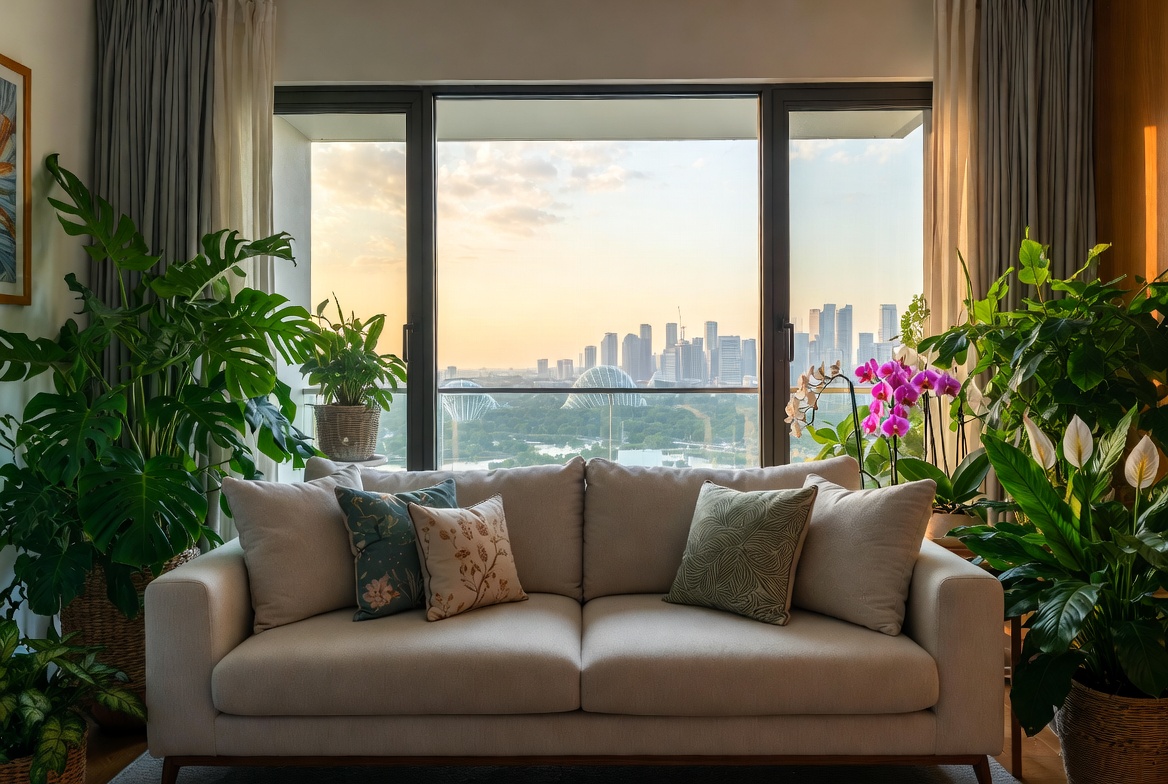
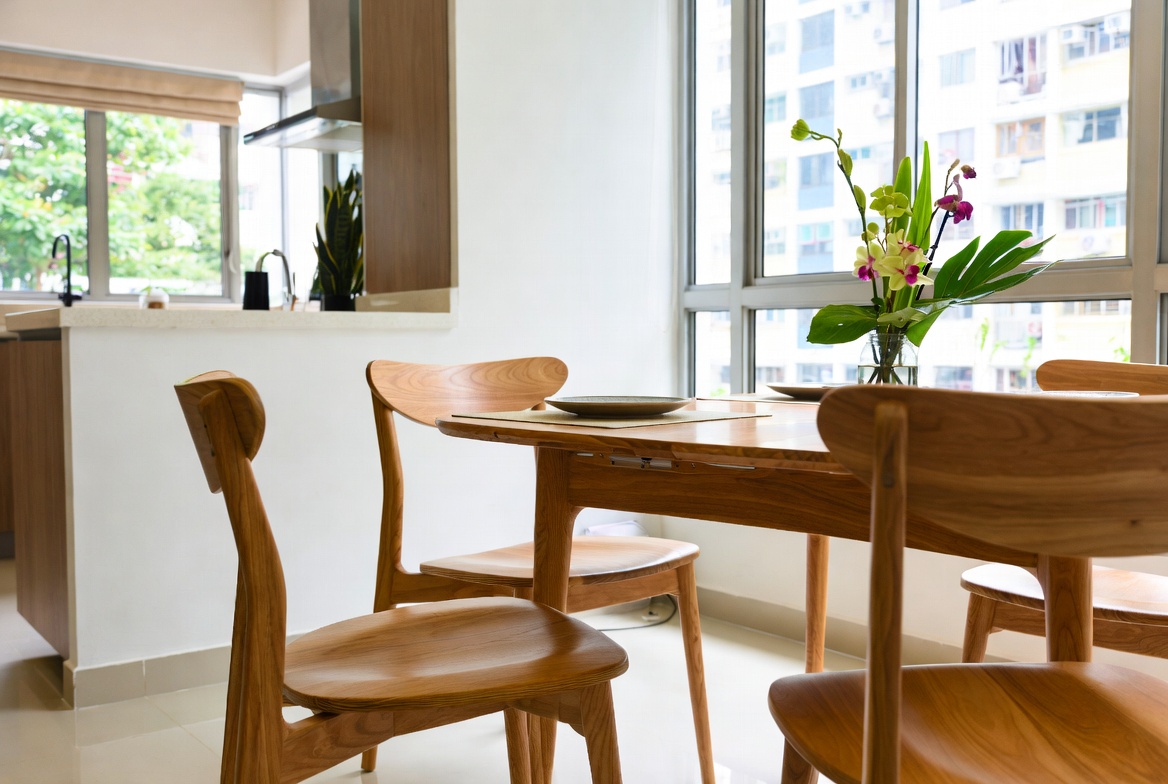
Step 1: Determine Dining Area Dimensions

So, you're finally getting your own place in Singapore, huh? Congrats! Whether it's a cozy BTO flat or a condo, setting up your dining area is a big step. After all, that's where you'll be having meals with family, hosting friends for potlucks, and maybe even tackling some work. But before you even think about that gorgeous extendable dining table Singapore you've been eyeing, there's a crucial first step: measuring your space. Trust me, it's way more important than you think!

Why bother measuring, you ask? Well, imagine buying a beautiful dining table only to realize it's way too big and makes the room feel cramped. Siao liao, right? Nobody wants that! Accurate measurements ensure your dining table fits comfortably, allows for easy movement, and creates a welcoming atmosphere. Plus, knowing your dimensions helps you explore the best extendable dining table Singapore options for your specific needs. Let's get started!

In Singapore’s fast-paced life, returning home to a space that feels genuinely welcoming can make a huge impact after a full day of meetings and travel. Many homeowners begin looking at upgrades for their living area or master bedroom, wanting pieces that appear elegant while genuinely cozy enough for daily use. That’s exactly why singapore furniture makes the difference—it brings that ideal mix of elegant design, premium materials, and real ergonomic support that turns standard areas into havens you can’t wait to return to chilling in. Imagine sinking into a luxurious couch after evening meal or starting the day energised on a high-quality mattress that cradles your body perfectly; suddenly, your home feels more like a true escape rather than another chore. Exploring curated selections on places like Wondrous La Vie helps you uncover these furniture without the hassle, making it more enjoyable to create a space that’s both stylish and soul-soothing..

Grab Your Tools and Get Ready to Measure

Alright, time to channel your inner contractor (don't worry, it's easier than it sounds!). You'll need a few simple tools to get accurate measurements. First, and most importantly, grab a reliable measuring tape. A metal one is best because it's less likely to stretch or bend, giving you more precise results. A laser distance measurer can also be used, but it is important to note that the readings can be affected by external factors, such as light. Next, find a notepad and pen (or your phone's notes app) to record your measurements. Trust me, you'll forget them otherwise! Finally, it's helpful to have someone assist you, especially when measuring larger spaces. Two sets of eyes are always better than one, leh?

Before you start measuring, clear the dining area as much as possible. Move any existing furniture, rugs, or obstacles that might get in the way. This will ensure you get the most accurate readings. Now, take a deep breath, and let's get down to business!

Measuring Length and Width: The Essentials

The first order of business is to determine the length and width of your dining area. This is the foundation for all your future furniture decisions. Start by measuring the length of the room. Place the measuring tape at one end of the wall and extend it to the opposite end. Make sure the tape is straight and level for an accurate reading. Record the measurement in centimeters or inches, whichever you prefer (just be consistent!).

Next, measure the width of the room in the same way. Place the measuring tape along one wall and extend it to the opposite wall, ensuring it's straight and level. Record this measurement as well. Now you have the basic dimensions of your dining area. But we're not done yet! There's more to consider than just the bare room size.

Think about any architectural features that might impact your dining table placement. Are there any built-in cabinets, pillars, or doorways that could restrict your options? Measure the dimensions of these features and note their location in the room. This will help you visualize how much usable space you actually have. Nobody wants to keep knocking into a pillar every time they stand up from the table, right?

Accounting for Walkways and Movement Space

Okay, you've got the basic dimensions. Now comes the crucial part: accounting for walkways and movement space. This is where many people go wrong, ending up with a dining area that feels cramped and uncomfortable. As a general rule, you should allow at least 90cm (about 3 feet) of space between the edge of your dining table and any walls or other furniture. This allows people to comfortably pull out their chairs and walk around the table without bumping into things.

Think about how people will be moving through the space. Is there a main pathway to the kitchen or living room that passes through the dining area? If so, you might need to allow even more space for comfortable passage. Imagine trying to squeeze past someone while they're eating – not a fun experience for anyone! Also, consider the placement of doors. Make sure there's enough space for doors to swing open and closed without hitting the table or chairs.

To visualize this, you can use masking tape to mark out the proposed location of your dining table on the floor. Then, walk around the taped area and see how it feels. Is there enough space to move freely? Can you easily access the chairs? Adjust the taped area as needed until you find a comfortable layout. This simple trick can save you a lot of headaches down the road.

Considering Table Shape and Size

Now that you have a good understanding of your dining area's dimensions and the available movement space, you can start thinking about the shape and size of your extendable dining table Singapore. The shape of the table can significantly impact the flow of the room. Round tables are great for smaller spaces because they allow for easy movement around the table. Rectangular tables are better suited for larger spaces and can accommodate more people. Square tables are a good option for small, square-shaped dining areas.

As for size, it's important to choose a table that's proportionate to the room. A large table in a small room will feel overwhelming, while a small table in a large room will look lost. A good rule of thumb is to leave at least 70cm (about 28 inches) of space per person at the table. This will ensure that everyone has enough elbow room to eat comfortably. When considering an extendable dining table Singapore, measure both its standard size and its extended size. Make sure you have enough space to accommodate the table when it's fully extended, especially if you plan to host large gatherings.

Don't forget to consider the height of the table as well. Standard dining tables are typically around 75cm (about 30 inches) high. Make sure this height is comfortable for you and your family. If you have young children or elderly family members, you might want to consider a table that's slightly lower. Ultimately, the best way to determine the right table shape and size is to visualize it in your space. Use online tools or furniture store apps that allow you to virtually place furniture in your room to get a better sense of how it will look and feel.

Documenting Your Measurements and Planning Your Layout

Alright, you've done all the hard work of measuring and planning. Now it's time to document everything! Create a detailed floor plan of your dining area, including the length, width, and location of any architectural features. Note the dimensions of any existing furniture or appliances that will remain in the room. Mark the proposed location of your dining table and chairs, leaving enough space for walkways and movement. This floor plan will be your guide as you start shopping for furniture.

When you visit furniture stores or browse online, bring your floor plan with you. This will help you visualize how different pieces of furniture will fit in your space. Don't be afraid to ask for help from the store's design consultants. They can offer valuable advice and help you choose the right furniture for your needs and budget. They can also advise you on extendable dining table Singapore options suitable for your space.

Finally, remember that planning your dining area is a process. Don't be afraid to experiment with different layouts and furniture arrangements until you find something that works for you. And most importantly, have fun! Creating a beautiful and functional dining area is an exciting project that will enhance your home and your lifestyle. Confirm can, you'll create a dining space that's perfect for you and your family!

Step 2: Account for Clearance Space

You got this! Here's the HTML fragment:

Movement Matters

Think about how you'll actually move around your dining area. It's not just about squeezing the table in; it's about making sure everyone can comfortably get in and out of their chairs, and that you can easily walk behind them without constantly bumping into things. Imagine Auntie Mei trying to navigate through a tight space with a plate of goodies – you want to avoid any potential spills, right? Aim for at least 90cm to 120cm of clearance space between the edge of your dining table and any walls or other furniture. This allows for comfortable chair movement and walking space, especially when you've got guests over.

Chair Extension

Don't forget to account for the space chairs occupy when they're pulled out. A chair tucked under the table is one thing, but a chair with someone sitting in it takes up a lot more room. When measuring, pull a chair completely out as if someone were sitting down. Then, measure from the back of the chair to the nearest wall or obstacle. This gives you a realistic idea of how much space you truly need. It's easy to underestimate this, especially if you're just eyeballing it – trust me, you don't want to discover this issue only *after* your extendable dining table Singapore has been delivered.

Traffic Flow

Consider the main pathways through your dining area. Is it a high-traffic zone where people constantly pass through to get to the kitchen or living room? If so, you'll need even more clearance space to avoid creating a bottleneck. Think about how you naturally move through the space now. Where do you tend to walk? Are there any areas that already feel a little cramped? Maximising flow is especially important in smaller Singaporean homes, where every square metre counts. A well-planned layout will make your home feel much more spacious and comfortable.

Buffer Zones

It's always a good idea to add a little extra buffer space beyond the minimum recommended clearance. This is especially true if you have children or pets who tend to dart around unexpectedly. A little extra wiggle room can prevent accidental bumps and spills, and it just makes the whole dining experience more relaxed and enjoyable. After those endless workdays and the usual crowded MRT ride, nothing beats walking into a hall that actually welcomes you to rest instead of piling on more tiredness. Many Singapore families notice their old couch just isn’t cutting it—too hard, faded, or simply not cozy enough for weekend chilling or relaxed Sundays with the children. That’s precisely where luxury furniture becomes a game-changer—it blends refined aesthetics, supple premium upholstery, and clever ergonomic design so you can melt into it and genuinely unwind without your back aching afterwards. Imagine the kids and parents hanging out comfortably, sharing stories after meals or enjoying Netflix marathons, because the space suddenly becomes warm and welcoming. Selecting the perfect piece through trusted sites like Wondrous La Vie takes the guesswork out, letting you uncover that ideal match that lifts the whole home atmosphere without the common home-upgrade worries.. Plus, that extra space allows you to move furniture around more easily in the future, should you decide to redecorate or rearrange your living space. Think of it as an investment in future flexibility, lah.

Visualisation Tricks

If you're struggling to visualise the space, try using painter's tape to mark out the dimensions of your dining table and chairs on the floor. You can even use cardboard boxes to simulate the size and shape of the furniture. This is a simple but effective way to get a feel for how much space the furniture will actually occupy. Walk around the taped-off area, pull out the "chairs," and imagine yourself hosting a dinner party. This hands-on approach can help you identify potential problems before you commit to buying anything. Confirm can avoid a lot of headaches later, like that!

Step 3: Consider Extendable Table Dimensions (Collapsed & Extended)

Singapore homes can feel extra cramped after a long exhausting day of juggling office hours, meetings, and the daily MRT rush, so it’s no wonder many homeowners yearn for a space that instantly calms the mind the moment they enter their home. The hall often ends up as the heart of the home, yet it’s easy for it to become overrun by random items or sofas and chairs past their prime, leaving everyone dispersed rather than connected. That’s where promotions really makes the magic happen—it lifts the room to another level with refined arrangements, premium textures, designer lighting accents, and seating that feels as good as it looks, creating an cosy focal point where the whole family wants to hang out to relax, talk, or just spend quality time together. Nights at home start feeling richer, Sundays truly restorative, and walking in the door feels exciting rather than simply crashing after work. Sites such as Wondrous La Vie make checking out these ideas easy, helping you see and select the ideal features to craft a living room that matches your lifestyle perfectly..

Okay, lah, let's talk extendable dining tables! Choosing one for your Singapore home can be a bit of a puzzle, right? You want it to fit your everyday life, but also be ready for when your friends and family all descend for a steamboat session. So, how do you make sure it's steady? Measuring is key, leh.

Collapsed: The Daily Life Footprint

First, think about how the extendable dining table singapore will live day to day. When it's not party time, how much space will it actually take up? This is the "collapsed" dimension, and it's super important.

Imagine squeezing past a huge table every single day just to get to the kitchen. Not fun, is it? Grab your trusty measuring tape and mark out the exact dimensions of the table in its smallest form. Don't just eyeball it! Be precise. Now, walk around that marked-out area. Can you move comfortably? Can you still pull out your chairs without bumping into things?

Remember those dining table placement considerations? You need at least 90cm of clearance around the table for comfortable movement. Less than that, and you'll be constantly saying "excuse me" or doing that awkward sideways shuffle. No one wants that.

Also, think about the table's proximity to other furniture. Is it near a walkway? Does it block access to a cabinet or the fridge? These are the little things that can make a big difference to your daily life.

Here's a pro-tip: if you're buying online (like many of us do these days!), always double-check the dimensions listed. Sometimes, the pictures can be deceiving. And don't be shy to ask the seller for more detailed measurements if you're unsure. It's better to be safe than sorry, right?

Consider the shape of the table, too. A round or oval table might feel less imposing in a small space than a rectangular one, even if they have similar surface areas. It's all about visual trickery!

Finally, don't forget about the chairs! Factor in the space they'll occupy when pushed in and when someone is sitting in them. You don't want your guests feeling like they're playing musical chairs every time they try to get up.

Extended: Hosting Like a Pro

Okay, now for the fun part: imagining that mahjong night or that birthday makan session! This is where the extendable dining table singapore really shines. But before you get too excited, let's talk measurements.

When the table is fully extended, how much space does it really take up? Again, grab that measuring tape and mark it out. This time, think about how many people you realistically want to be able to seat comfortably. Don't just cram everyone in like sardines!

Remember that 90cm clearance rule? It applies here, too! You need to make sure everyone can move around, even when the table is fully extended.

Think about the flow of traffic. Will people be able to easily get to the kitchen to grab more food or drinks? Will they be blocking the TV if they need to excuse themselves? These are the things that can make or break a good gathering.

If you're planning on hosting frequently, you might even want to consider the different extension options available. Some tables have leaves that can be added one at a time, allowing you to customize the size to fit the number of guests. Others have a butterfly leaf that folds out from the center. Choose the one that best suits your needs and your space.

One more thing: think about storage. Where will you store the extension leaves when they're not in use? Make sure you have a designated spot for them, so they don't end up cluttering your home. Some tables even have built-in storage for the leaves, which is super convenient.

Choosing the right extendable dining table singapore involves a bit of planning and measuring, but it's worth it in the end. By considering both the collapsed and extended dimensions, you can find a table that fits your daily life and your hosting needs, confirm can! And that, my friend, is how you furnish your home like a pro.

Step 4: Factor in Other Furniture & Walkways

Okay, you've got your dining area measurements down, and you're picturing that perfect extendable dining table Singapore style, right? But hold on a sec, don't get too carried away just yet! It’s super easy to forget this crucial step, and trust me, you don't want to end up with a dining room that feels more like an obstacle course than a relaxing space to enjoy your nasi lemak.

We need to think about the other furniture you already have (or plan to have!) in the dining area, and, maybe even more importantly, the walkways. Think about it: are you planning on having a sideboard to display your ang moh wine glasses? Or perhaps a console table for your kuih? These things take up space, and you need to factor them in *before* you commit to that dream dining table, especially if you're dealing with a smaller HDB flat. No one wants to be squeezing past furniture just to get to the kitchen, right?

Existing Furniture: The Silent Space Thief

Seriously, take a good, hard look at what’s already there. Sideboards, display cabinets, even that cute little plant stand – they all contribute to the overall footprint of your dining area. Consider their dimensions carefully. Are they bulky? Do they have doors that swing outwards? These are all important questions to ask yourself. It's like playing Tetris with furniture, one! You need to make sure everything fits together nicely.

Imagine this: you buy what you think is the perfect extendable dining table, and then you realise the sideboard door can't fully open because it's hitting the table. Nightmare, right? Or perhaps you discover that your beautiful display cabinet is blocking the natural light from the window, making the whole room feel darker and smaller. These are the kind of things that can easily be avoided with a little bit of careful planning.

So, grab your measuring tape again (yes, again!) and measure the dimensions of all your existing furniture. Note down their width, depth, and height. Then, sketch out a rough floor plan of your dining area, including all the furniture pieces. This will give you a much clearer picture of how much space you actually have available for your new dining table. And don’t forget to account for any wall protrusions or architectural features that might impact your layout.

Walkways: Leave Room to Breathe (and Move!)

Now, let's talk about walkways. This is where things can get a little tricky, especially in smaller Singaporean homes. You need to ensure that there's enough space for people to move around comfortably, even when the dining table is fully extended. After all, you don't want your guests feeling like they're trapped in a furniture maze!

As a general rule of thumb, you should aim for at least 90cm (that's about 3 feet) of clearance between the edge of your dining table and any walls or other furniture. This will allow people to walk behind seated diners without bumping into them. If you have a particularly narrow dining area, you might need to adjust this measurement slightly, but try to avoid going below 75cm if possible. Anything less than that, and things will start to feel a bit cramped, leh.

Think about the main traffic flow through your dining area. Is it a major thoroughfare between the living room and the kitchen? If so, you'll need to ensure that the walkway is wide enough to accommodate multiple people passing through at the same time. And don't forget to consider the space needed to pull out chairs. You'll need to add at least another 60cm to the overall depth of the dining table to account for this.

Here's a little tip: try physically walking through your dining area, pretending that the dining table is already in place. Pay attention to any areas where you feel like you're squeezing through or bumping into things. This will give you a much better sense of how the space actually feels and help you identify any potential problem areas.

The Extendable Dining Table Singapore Solution

This is where an extendable dining table Singapore style really shines. When space is tight, it offers the flexibility to have a smaller table for everyday use, and then expand it when you have guests over. But even with an extendable table, you still need to consider the maximum extended dimensions when planning your layout. Don't assume that you can just magically create extra space when you need it!

Think about how often you actually entertain. If you only have guests over a few times a year, you might be able to get away with a smaller dining table and temporarily rearrange your furniture when needed. But if you're a regular host, you'll want to prioritize having enough space for a fully extended table at all times. It all depends on your lifestyle and how you plan to use your dining area.

And hey, here's a thought: have you considered a round dining table? Round tables can sometimes be a better option for smaller spaces because they don't have any sharp corners, making it easier to navigate around them. Plus, they encourage conversation and create a more intimate dining experience. Just something to consider, yeah?

Final Checks: Double, Triple, Quadruple Check!

Before you finalize your dining table purchase, take one last look at your floor plan and measurements. Are you absolutely sure that everything will fit comfortably? Have you accounted for all the existing furniture and walkways? Are you happy with the overall layout of the room? It's always better to be safe than sorry, especially when you're investing in a piece of furniture that you'll be using for years to come.

Maybe even get a second opinion from a friend or family member. Sometimes, a fresh pair of eyes can spot something that you've missed. And don't be afraid to ask the furniture store for advice. In Singapore’s tropical climate and high-stress lifestyle, getting decent sleep can feel like a true indulgence when you’re starting the day with aches or dragging through the morning despite going to sleep on time. Many Singapore homeowners endure an outdated sleep surface for far too long because hunting for upgrades seems too complicated—endless options, puzzling support choices, and worries it won’t suit their personal needs and preferences. That’s exactly why finding the furniture showroom singapore changes everything—it offers the right balance of proper spinal alignment, cooling breathability, even weight distribution, and durability so you truly start the day feeling refreshed instead of sore and exhausted. Suddenly mornings start easier, you stay energised longer, and even your spouse feels the improvement. Exploring thoughtfully chosen picks on platforms like Wondrous La Vie makes it far easier, letting you compare top-rated picks with authentic Singapore user experiences and realistic images to match what truly works for your master bedroom.. They've probably helped hundreds of people furnish their dining rooms, and they can offer valuable insights and suggestions. Steady, confirm can find the perfect extendable dining table for your Singapore home!

Step 5: Visualize with Tape and Newspaper

Alright, you've got your measurements down, you've considered your needs, and you're starting to feel like a pro. But before you click that "add to cart" button on that beautiful extendable dining table Singapore, let's do one more thing that can save you from a potential "oops" moment. This is where the fun, slightly DIY, part comes in: visualizing your future dining space.

Think of it as a dress rehearsal for your dining table. You wouldn't buy a new baju without trying it on first, right? Same concept here, lah!

The Tape and Newspaper Trick: Your Space's Best Friend

Okay, so grab some masking tape (the kind that doesn't leave sticky residue, please!) and some old newspapers. We're going to create a temporary, life-sized model of your chosen extendable dining table Singapore right there on your dining area floor. This isn't about artistic talent; it's about spatial awareness. Trust me, it's way easier to rearrange tape and newspaper than it is to return a bulky table.

Start with the table's smallest dimensions – the size it will be when it's not extended. Use the tape to mark out the four corners of the table on the floor. Then, fill in the shape with newspaper, layering it until you have a solid representation of the table's surface area. Don't skimp on the newspaper; you want to get a real feel for the space it will occupy.

Now, this is crucial: walk around it! Pretend you're serving food, pulling out chairs, and navigating the space with family and friends. Is it easy to move around? Are you bumping into walls or other furniture? Can people comfortably get in and out of their chairs? Remember, a dining area should allow at least 90cm-107cm (36-42 inches) of clearance space around the table for comfortable movement. We don't want any awkward squeezes or accidental elbow jabs during dinner, right?

Extending the Vision: From Cozy to Feast-Ready

The real magic happens when you simulate extending your extendable dining table Singapore. This is especially important if you plan on hosting larger gatherings regularly. Remove the newspaper and tape from your initial outline. Now, measure out the table's *maximum* extended dimensions. Repeat the taping and newspaper process, creating a model of the table at its full size.

Again, walk around it, pull out chairs, and imagine a fully occupied table. Does it still feel comfortable? Does it block any doorways or access to other parts of your home? This is where you might realize that your dream of hosting the entire extended family for Chinese New Year might require a little tweaking of your layout. Maybe you need to consider a different table size, a different placement, or even decluttering some existing furniture to create more space. It's much better to figure this out now than after the delivery guys have already wrestled that heavy table into your HDB flat, one, right?

This method also helps you visualise the Dining Table Placement & Layout. Consider factors like natural light from windows, proximity to the kitchen for easy serving, and the overall flow of traffic through your home. You might discover that shifting the table slightly can make a huge difference in how the space feels.

Chair Placement: Don't Forget the Seating!

Don't just focus on the table itself. With Singapore’s smaller living spaces and humid climate, finding furniture that’s both beautiful and everyday-usable can feel like a never-ending hunt—especially when you are looking for furniture that endure long-term without losing style or comfort. Many Singaporeans end up choosing budget furniture that look okay online but disappoint in real life—either not sturdy enough for daily family use or not breathable enough for our weather. That’s why visiting a reliable mattress store singapore connected via Wondrous La Vie makes such a big difference—it connects you directly with carefully chosen ranges of quality sofas, high-quality sleep surfaces, meal-area pieces, and more, with actual physical displays or realistic images so you can feel confident about what suits your flat, apartment, or house. You get that confidence knowing the pieces are chosen for Singapore living—durable materials, practical proportions, and styles that truly make coming home feel good. In the end, the perfect platform turns what could be a painful shopping trip into an enjoyable journey toward a living environment that feels truly shiok.. Remember to factor in the chairs! Use additional newspaper or tape to mark out the space each chair will occupy when someone is sitting at the table. A standard dining chair typically needs about 60cm (24 inches) of width. Consider how far back the chairs will need to be pulled out to allow people to sit comfortably. This is where you might discover that your initial chair selection is too bulky for the space, or that you need to opt for chairs that can be easily tucked away when not in use. Some homeowners even use ghost chairs (transparent chairs) to create the illusion of more space. Steady!

Little Touches, Big Impact

While you're at it, why not add a few extra touches to your mock-up? Place a makeshift centerpiece (a stack of books will do) on the table to get a sense of how much space it will take up. Imagine where you'll put serving dishes, drinks, and other essentials. This will help you determine if you need additional storage or serving space nearby, such as a sideboard or console table.

Think about lighting, too. Will your existing lighting adequately illuminate the entire table, both when it's collapsed and extended? If not, you might need to consider adding a pendant light or adjusting your existing fixtures. Good lighting can make a huge difference in the ambiance of your dining area, especially during evening meals. It's the little things, right?

The "Confirm Can" Checklist

Before you dismantle your newspaper masterpiece, take a step back and ask yourself these questions:

  • Does the table size feel comfortable for everyday use?
  • Does it comfortably accommodate the maximum number of people you anticipate hosting?
  • Is there enough space to move around the table and access other parts of the room?
  • Does the table placement optimize natural light and traffic flow?
  • Do you have adequate lighting for the entire table?
  • Have you considered storage and serving space needs?

If you can confidently answer "yes" to all of these questions, then congratulations! You're one step closer to finding the perfect extendable dining table Singapore for your home. If not, don't worry! This is the time to make adjustments and explore different options. Remember, it's all about creating a space that is both functional and enjoyable for you and your family.

Now, go forth and furnish, my friend! And remember, a little planning goes a long way in creating a dining space that you'll love for years to come.

Step 6: Consider Table Shape and Placement

Okay, so you've measured your dining area, considered walkway space, and thought about seating. Now comes the fun part – picking the actual table! But before you get swept away by beautiful designs, let's talk shapes and placement. This is super important, especially for those of us in Singapore where space can be, shall we say, a premium. No one wants a dining table that makes navigating your own home feel like an obstacle course, right?

Shape Matters: Round, Rectangular, or Square?

The shape of your dining table isn’t just about aesthetics; it's about how the table interacts with your space and how people move around it. Let's break down the pros and cons of each:

  • Round Tables: These are fantastic for smaller spaces and encourage conversation. Because there are no sharp corners, they feel more intimate and can fit into tighter areas. Plus, no one gets stuck at the "end" of the table! They’re great if you have a square-ish dining area. Round tables promote a sense of equality, everyone's kinda facing each other. However, they might not be the best choice if you frequently host large gatherings. It can be harder to squeeze in extra guests around a round table compared to a rectangular one.
  • Rectangular Tables: The classic choice! Rectangular tables are versatile and work well in longer, narrower dining areas. They’re great for both everyday family meals and larger dinner parties. You can easily add leaves to an extendable dining table Singapore for extra seating when needed. But, in a small space, a large rectangular table can dominate the room and make it feel cramped. Think carefully about the size and how it will affect traffic flow.
  • Square Tables: Square tables can be a good option for smaller families or couples. They offer a sense of balance and intimacy, similar to round tables. They work best in square-shaped dining rooms to mirror the dimensions. However, like round tables, they might not be ideal for large gatherings. And, if your dining area is long and narrow, a square table can feel a bit out of place.

Ultimately, the best shape depends on your space, your needs, and your personal style. There's no one-size-fits-all answer, lah!

Placement is Key: Maximizing Space and Flow

Okay, you've picked a shape. Now, where do you put it? This is where strategic placement comes in. Here are a few tips, especially relevant for Singaporean homes:

  • Consider Wall Placement: In smaller apartments, pushing one side of the dining table against a wall can free up valuable floor space. This is especially helpful for rectangular tables. It creates a more open feel and makes it easier to move around the room. But, make sure you still have enough space to pull out chairs comfortably on the open side.
  • Think About Traffic Flow: Before you commit to a placement, walk around the table. Can you easily get to the kitchen? Is there enough space to walk behind the chairs when people are seated? You want to avoid creating bottlenecks or making people feel like they're constantly bumping into things. Confirm can walk comfortably, right?
  • Lighting Matters: Consider the lighting in your dining area. Ideally, you want to position your table so that it's well-lit, whether by natural light or artificial light. A pendant light hanging directly above the table can create a focal point and add to the ambiance.
  • Rugs Can Help Define the Space: A rug under the dining table can help to define the dining area and create a sense of separation from the rest of the room. Just make sure the rug is large enough so that all the chairs can sit comfortably on it, even when pulled out.

Sometimes, you might have to compromise. Maybe you can't push the table completely against the wall because of a window or doorway. That's okay! The goal is to find the placement that works best for your space and your lifestyle. The dimensions of your dining area will play a huge role in deciding on the best dining table placement and layout. Dining tables placed in the center of the room can create a more formal and balanced look, but this works best in larger spaces. For smaller dining areas, consider placing the table closer to a wall or corner to maximize space.

Extendable Dining Tables: A Singaporean Dream

Let's be real, in Singapore, we often have to make the most of limited space. Singaporeans are always on the lookout for smart ways to revamp their interiors without spending too much, especially when HDB or condo renos can already consume a large portion of the reno savings. Between higher living expenses and the wish for a comfier, better-organised environment, many local families hold off for the perfect moment to refresh seating, sleep surfaces, or meal areas that actually make daily life feel better. That’s when jumping on bed frame promotion becomes a total win—it lets you secure premium quality furniture at significant savings, often with extra benefits like no-delivery-fee, added protection plans, or combo savings that maximise your budget. All of a sudden you’re able to buy that luxury seating you’ve wanted or a comfort-focused sleep upgrade without the regret, turning your home into an truly welcoming retreat for family time and relaxation after long workdays. Exploring places like Wondrous La Vie helps you stay updated on the current deals, so you can evaluate, picture, and claim the top bargains that fit your home and taste just right.. That's where the extendable dining table Singapore comes in! These tables are like the superheroes of small-space living. They start out compact for everyday use, but can be easily expanded to accommodate extra guests when needed. It's the perfect solution for those of us who love to host but don't have a huge dining room. Think about it, you can have a cozy dinner for two one night, and then easily transform your dining area into a festive gathering space the next. Steady, right?

When choosing an extendable dining table Singapore, consider the mechanism for extending it. Some tables have leaves that are stored separately, while others have a butterfly leaf that folds out from underneath the table. Choose the mechanism that you find easiest to use. Also, think about the style of the table and make sure it complements the rest of your furniture.

So, there you have it! Considering the shape and placement of your dining table is crucial for creating a functional and stylish dining area, especially in our space-conscious Singaporean homes. Take your time, measure carefully, and don't be afraid to experiment with different layouts until you find what works best for you. After all, your dining table is more than just a piece of furniture; it's a place where memories are made. Choose wisely, one!

Conclusion: Avoiding Common Measurement Mistakes

Okay, lah, let's talk about getting your dining area just right in Singapore. It's trickier than it looks, right? Especially when space is, well, precious. You don't want to end up with a dining table that makes your flat feel even smaller, kancheong spider! So, let’s make sure you confirm can avoid those common measurement mishaps.

The Importance of Double-Checking Your Measurements

Seriously, don't skip this step. I know, I know, measuring seems obvious, but trust me, it's where most people stumble. We're talking about more than just the length and width of your dining space. It's about the flow, the walkways, the feng shui (okay, maybe not that important for everyone, but you get the idea!).

Think of it this way: you wouldn't buy a pair of shoes without trying them on, would you? (Unless it's a really good sale, then maybe). Your dining table is kind of like that. It needs to fit your space, not just physically, but also functionally.

Imagine this: you've finally found the perfect extendable dining table Singapore offers, the one that looks amazing online. In Singapore’s compact HDB flats and modern residences, the sleeping area often acts as a rest zone and more— a place for deep relaxation after tiring office hours, do some light reading, or even handle occasional remote work when required. It’s common for local residents to feel stuck with layouts that seem too tight, harsh overhead lights, or cluttered cabinets taking up room, making the room feel more utilitarian than serene. That’s where thoughtful furniture shop singapore makes the biggest impact—it centres around clever spatial solutions, soothing neutral tones, versatile bedroom pieces, and strategic lighting design to create a tranquil sanctuary that maximises comfort while keeping everything tidy and airy. Suddenly your bedroom becomes the place you can’t wait to reach at the end of the day, helping you relax quicker, sleep deeper, and rise feeling energised and ready for tomorrow’s challenges. Sites such as Wondrous La Vie offer plenty of authentic project showcases and seamless introductions to designers who specialise in these smart, aesthetic SG bedroom upgrades.. You click "buy," excited for family dinners and kakis coming over. Then, it arrives… and it's HUGE. Suddenly, getting to the kitchen is an obstacle course, and your carefully chosen rug is half-hidden under the table legs. Disaster!

That's why double-checking your measurements is so crucial. It's not just about avoiding buyer's remorse; it's about creating a dining space that's comfortable, functional, and actually enjoyable to use. And hey, saving yourself a whole load of hassle and return shipping fees is always a bonus, right?

Recapping Key Measurement Tips

Alright, so you're convinced. Measuring is important. But how do you do it properly? Let’s run through the key steps.

First, grab your measuring tape (a metal one is best for accuracy) and a notepad. Digital measuring tools are cool, but sometimes, old school is the most reliable. Don’t just eyeball it, okay?

  • Measure the entire dining area: Get the length and width of the entire dining space. Don't forget to account for any awkward angles or built-in features like pillars or cabinets.
  • Consider walkways: You need at least 36 inches (about 90cm) of clearance around the table for people to walk comfortably. Imagine someone pulling out a chair – will they be bumping into a wall or another piece of Furniture?
  • Account for chair placement: When measuring, visualize the chairs pulled out. This gives you a more accurate idea of the space the table will actually occupy when in use.
  • Think about extensions: If you're considering an extendable dining table Singapore-style (and you probably should, for maximum flexibility!), measure the table both when it's fully extended and when it's in its compact form. This is super important!

Pro-tip: Use painter's tape to mark out the dimensions of the table on the floor. This gives you a visual representation of how much space it will take up. You can even arrange chairs around the taped area to get a realistic feel.

Common Pitfalls to Avoid

Even with careful measurements, there are still a few traps you can fall into. Let’s make sure you steer clear of these:

  • Ignoring obstructions: Don't forget about things like doorways, windows, and radiators. These can significantly impact the placement of your dining table. Imagine buying a beautiful dining table only to realize you can't open your balcony door fully because the table is in the way!
  • Forgetting vertical space: Consider the height of your ceiling, especially if you're planning on hanging a pendant light above the table. You don't want people bumping their heads!
  • Not considering the shape: Round tables work well in smaller spaces, while rectangular tables are better for larger, more formal dining areas. Think about what shape best suits your needs and your space. A small extendable dining table Singapore folks love is often round, because it can become oval!
  • Neglecting the rug: If you're planning on using a rug under your dining table, make sure it's large enough to accommodate all the chairs when they're pulled out. A rug that's too small will look awkward and feel uncomfortable.
  • Assuming all tables are the same height: Dining table heights can vary slightly. Make sure the table you choose is a comfortable height for eating and socializing. Standard height is around 76cm, but it’s worth checking.

Planning for Singaporean Homes

Okay, so we've covered the basics. But let's talk specifically about Singaporean homes. We all know space is a premium here, especially in new BTO flats. This means you need to be extra strategic about your dining table choice.

  • Embrace extendable tables: An extendable dining table Singapore is perfect for maximizing space. You can keep it small for everyday use and then extend it when you have guests over. It's the best of both worlds!
  • Consider foldable tables: If space is really tight, a foldable dining table might be a good option. These can be easily stored away when not in use.
  • Think about multi-functional furniture: A dining table that can also be used as a workspace or a game table can be a great space-saver.
  • Opt for lighter colors: Lighter colors can make a small space feel larger and more airy. Consider a white or light wood dining table.
  • Maximize vertical space: Use shelves or cabinets to store dining essentials like plates, glasses, and cutlery. This will help keep your dining area clutter-free.

Remember, the key is to be smart and strategic about your furniture choices. With careful planning and a little bit of creativity, you can create a dining space that's both functional and stylish, no matter how small your home is. And you get to enjoy all the shiok meals with your loved ones!

Leading to Happier Dining Experiences

Ultimately, getting the measurements right is about creating a space where you actually want to spend time. It's about making memories with family and friends, enjoying delicious meals, and creating a home that feels comfortable and inviting.

Imagine sitting around your perfectly sized dining table, laughing and chatting with your loved ones. The food is delicious, the company is great, and the space feels just right. That's the kind of dining experience we're aiming for!

So, take the time to measure carefully, avoid those common pitfalls, and plan for your specific needs. It might seem like a lot of work upfront, but it's worth it in the end. Trust me, a well-planned dining area will bring you years of joy and happy memories. Plus, you'll avoid the sian feeling of having to return a table that doesn't fit. Steady pom pi pi!

Check our other pages :

Frequently Asked Questions


Measure the length and width of your dining area. Account for walkways and chair space (at least 75cm behind each chair). Consider the tables dimensions and how it fits within the measured space, leaving enough room to move comfortably.
Aim for at least 75cm of space between the edge of the table and any wall or obstruction. This allows people to comfortably pull out chairs and move around the dining area.
Yes, the shape matters. A rectangular table works well in a long, narrow space, while a round or square table might be better suited for a smaller, square dining area. Consider the flow of traffic in your space.
Consider the number of people you typically need to seat, the size of your dining area, and how often you entertain guests. A smaller table might be sufficient for everyday use, while an extendable table can accommodate larger gatherings.
After determining the table size, measure the remaining space to ensure a comfortable walkway of at least 60cm to 75cm. Simulate sitting at the table to confirm adequate legroom and ease of movement.