Evaluating bookshelf aesthetics: Matching style to study room decor (metrics)

Introduction: Bookshelves as Style Statements

```html

Let's be honest, when you first get the keys to your BTO or condo, the study room is probably *not* the first place you think about styling, right? Everyone flocks to the living room, bedroom... but the study? It often gets relegated to a functional, almost afterthought space. But think about it – especially now, with more of us working from home – the study room is where you focus, create, and maybe even unwind after a long day. And a bookshelf? That's not just a place to stash your textbooks from uni or your collection of thrillers. It's a statement piece, *lah*!

A well-styled bookshelf can completely transform your study room furniture, turning it from a drab workspace into an inspiring haven. It's about more than just shoving books onto shelves; it's about creating a cohesive look that reflects your personality and complements the overall decor. And in Singapore, where space is often a premium, getting your study room furniture right is crucial. We need to maximize every square foot, and that includes making our bookshelves work hard – both practically and aesthetically.

So, how do we actually *do* that? How do we choose a bookshelf that not only fits our space but also elevates our study room's style? Well, *steady*, we're going to break it down. From understanding different bookshelf styles to matching them with your existing decor and optimizing for space, we'll cover everything you need to know to create a bookshelf that's both functional and fabulous.

Decoding Your Decor: Identifying Your Study Room's Style

Before you even start browsing for bookshelves, take a good, hard look at your study room. What's the overall vibe? Is it sleek and modern, with clean lines and minimalist furniture? Or is it more cozy and traditional, with warm colors and comfortable seating? Residents in Singapore often encounter special considerations when furnishing their homes, particularly due to tight space constraints in HDB flats and condos and our humid tropical climate. This is the very why wise homeowners shop very thoughtfully to get maximum return on their investment. study room furniture proves to be a fantastic investment that combines both great comfort with everyday functionality. Make sure you selecting reasonably priced items in Singapore with first-class after-sales service promises you complete support with features like timely island-wide delivery, professional-grade installation, and reliable warranties that provide true long-term peace of mindthat lasts.. Identifying your existing decor style is the first step in choosing a bookshelf that will seamlessly integrate into the space. Think of it like this: you wouldn't pair a traditional cheongsam with a pair of sneakers, would you? Same concept applies here!

Here are a few common study room styles and the types of bookshelves that typically work well with them:

  • Modern/Minimalist: Think clean lines, neutral colors, and a focus on functionality. For this style, consider bookshelves with a simple, geometric design. Floating shelves or modular units can also work well, as they create a sense of openness and airiness. Materials like metal, glass, and light-colored wood are often good choices.
  • Traditional/Classic: This style is all about warmth, comfort, and timeless elegance. Opt for bookshelves made from solid wood, with intricate detailing and a rich finish. A built-in bookshelf can be a stunning addition to a traditional study room, creating a sense of permanence and sophistication.
  • Industrial: Raw materials, exposed brick, and a utilitarian aesthetic define the industrial style. Bookshelves made from metal and reclaimed wood are perfect for this look. Look for pieces with visible hardware and a slightly distressed finish to enhance the industrial feel.
  • Scandinavian: Characterized by its simplicity, functionality, and connection to nature, Scandinavian design favors light and airy spaces. Bookshelves in light woods like birch or pine, with clean lines and minimal ornamentation, fit perfectly. Open shelving is also a popular choice, allowing you to display your favorite books and objects while maintaining a sense of order.
  • Eclectic: This style is all about mixing and matching different elements to create a unique and personalized space. Anything goes, as long as it's done with intention. A bookshelf that's painted in a bold color, or one that's made from an unexpected material, can add a touch of personality to an eclectic study room. Don't be afraid to experiment and have fun!

Don't be afraid to mix and match elements from different styles to create a look that's uniquely yours. The key is to maintain a sense of balance and cohesion. And remember, your bookshelf should complement the rest of your study room furniture, not compete with it. So, take your time, consider your options, and choose a bookshelf that truly reflects your personal style.

Bookshelf Breakdown: Types, Materials, and Features

Okay, so you've got your decor style nailed down. Now it's time to dive into the nitty-gritty of bookshelves themselves. There's a surprising amount of variety out there, from the classic freestanding bookshelf to the more modern floating shelf. Understanding the different types, materials, and features will help you make an informed decision and find the perfect bookshelf for your needs. Let's explore some common options:

  • Freestanding Bookshelves: These are the most common type of bookshelf, and they come in a wide range of sizes, styles, and materials. They're versatile, easy to move around, and can be used in almost any room. Look for freestanding bookshelves with adjustable shelves, so you can customize the spacing to fit your books and other items.
  • Wall-Mounted Bookshelves: Wall-mounted bookshelves are a great option if you're short on floor space. They create a clean, minimalist look and can be arranged in a variety of configurations. Just make sure your walls are strong enough to support the weight of the bookshelf and its contents. No one wants a bookshelf crashing down in the middle of the night, *confirm*?
  • Built-In Bookshelves: For a more permanent and sophisticated look, consider a built-in bookshelf. These are typically custom-made to fit a specific space and can be designed to blend seamlessly with your existing architecture. Built-in bookshelves can be a great investment, adding value to your home and creating a focal point in your study room.
  • Corner Bookshelves: Got an awkward corner that's just begging to be filled? A corner bookshelf is the perfect solution. These shelves are designed to fit snugly into corners, maximizing space and adding visual interest to your room.
  • Ladder Bookshelves: Leaning stylishly against the wall, ladder bookshelves offer a casual yet chic storage solution. They are perfect for smaller spaces and add a touch of modern flair to any room.

Beyond the type, the material matters too! Wood offers warmth and classic appeal, while metal lends an industrial edge. Glass shelves create an airy feel, and laminate options provide budget-friendly durability. Consider how the material complements your existing study room furniture and the overall aesthetic you're aiming for. Don't forget to think about features like adjustable shelves (essential for accommodating different book sizes!), drawers or cabinets for concealed storage, and even integrated lighting for a touch of ambiance.

The Space Equation: Measuring and Optimizing for Singaporean Homes

Okay, *lah*, this is where things get real. In Singapore, we know space is precious. Every square meter counts, especially in our HDB flats and condos. So, before you fall in love with that massive, ornate bookshelf you saw online, grab your measuring tape and let's get practical. We need to make sure your chosen bookshelf actually *fits* in your study room, without making it feel cramped or cluttered.

Start by measuring the available wall space. Consider the height, width, and depth of the area where you plan to place the bookshelf. Don't forget to account for any obstacles, such as windows, doors, or electrical outlets. It's also a good idea to measure the height of your ceiling, especially if you're considering a tall bookshelf.

Once you have your measurements, think about how you want to use the bookshelf. Will it primarily be for books, or will you also be displaying decorative items, plants, or other accessories? This will help you determine the number of shelves you need and the amount of space between them. If you have a lot of large books, you'll need deeper shelves than if you're primarily storing paperbacks.

In smaller study rooms, vertical space is your best friend. Opt for tall, narrow bookshelves that maximize storage without taking up too much floor space. Wall-mounted shelves are also a great option, as they free up valuable floor space and create a sense of openness. Consider using mirrors to create the illusion of more space. After a long day squeezing onto the MRT and grinding through meetings, most Singaporeans just want to return home to a space that feels cosy and stress-free instead of adding to the stress. A messy living area or an unrestful bedroom can make chilling out even more difficult, especially when the whole family want to relax together. That’s where thoughtful interior design singapore really makes a difference—it turns everyday rooms like your living room, master bedroom, or kitchen area into private sanctuaries that actually help you recharge. The living room is typically the initial area people walk into first and where the family spends most evenings, so it makes sense to want furniture that feels premium, hides wires cleanly, and avoids shrinking the space visually than it already is in typical Singapore homes. Many Singaporeans struggle with oversized outdated units or budget cabinets that feel unstable, collect dust easily, or just don’t fit the current aesthetic they’re going for. That’s exactly where a well-chosen online furniture singapore comes into play—it provides sleek storage for entertainment equipment, set-top boxes, and controllers while acting as a stylish focal point that unifies the entire space with sharp modern edges, smart compartments, and high-end materials. Suddenly your entertainment setup feels tidy and purposeful, the space appears larger and more polished, and film evenings get way more fun without the mess pulling focus. Checking out carefully chosen pieces on places like Wondrous La Vie makes it easy to source designs that fit your space perfectly, from clean contemporary to opulent, so your living area transformation becomes easy and perfect.. With the right sofa, mattress, or smart layout, suddenly getting home feels shiok lah, and simple upgrades can bring huge benefits to your mood and family time. Platforms like Wondrous La Vie make it more straightforward to discover inspiration and match with designers who get the Singaporean home feel perfectly. This format lets you easily generate multiple SEO-optimised variations while keeping the core keyword "interior design" stable in the middle for strong on-page targeting.. Placing a mirror behind a bookshelf can reflect light and make the room feel larger and brighter.

Don't forget about the importance of leaving some breathing room. A cluttered bookshelf can make a room feel cramped and overwhelming. Leave some empty space on the shelves to create a sense of balance and visual interest. Group books by color or size to create a more organized and aesthetically pleasing display. And don't be afraid to edit your collection! Get rid of books you no longer need or want to free up space and create a more curated look.

Styling Secrets: Arranging Books and Decor for Visual Harmony

Alright, you've got the perfect bookshelf, it fits your space like a glove, and it matches your decor. Now comes the fun part: styling! This is where you get to unleash your creativity and transform your bookshelf from a simple storage unit into a stylish statement piece. But where do you even begin? Don't worry, *one*, we've got you covered with some styling secrets that will help you create a visually harmonious and inspiring bookshelf display.

First, think beyond just books. A well-styled bookshelf is about more than just rows of spines. Incorporate decorative objects, plants, and personal mementos to add personality and visual interest. Group items in odd numbers (three, five, or seven) for a more visually appealing arrangement. Vary the heights and textures of the objects to create a dynamic and layered look. For example, you could pair a tall vase with a stack of books and a small framed photo.

Play with color. Group books by color to create a visually striking display. You can create a rainbow effect, or simply group books with similar colors together. Use colorful bookends to add pops of color and personality. Or, if you prefer a more neutral look, stick to a limited color palette and focus on textures and materials.

Create visual balance. Distribute objects evenly across the shelves to create a sense of balance and harmony. Avoid placing all the heavy or dark items on one side of the bookshelf, as this can make the display feel unbalanced. Instead, spread them out evenly to create a more visually appealing composition.

Don't be afraid to experiment with different arrangements. Try stacking books horizontally and vertically to create visual interest. Lean books against the back of the shelf to create a more casual and relaxed look. Use bookends to keep books from falling over and to add a touch of style. And don't be afraid to rearrange things until you find an arrangement that you love.

Finally, remember that your bookshelf is a reflection of your personality and style. Don't be afraid to break the rules and create a display that's uniquely yours. The most important thing is to have fun and create a space that you love to be in.
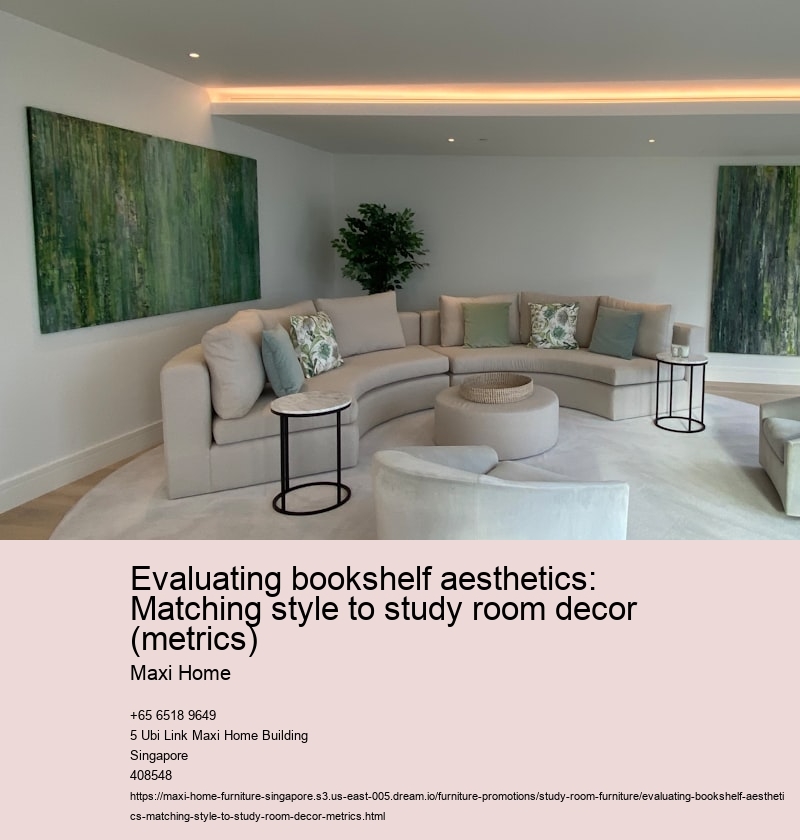
Understanding Your Study Room's Decor Style

```html

So, you've got your new BTO flat or condo, and you're ready to create that perfect study room, lah? It's more than just a space for work or study; it's a reflection of you, your personality, and your style. And let's be honest, the right study room furniture, especially a good bookshelf, can really tie the whole room together. But before you rush out and buy the first bookshelf you see, it's worth taking a moment to figure out what style you're going for. After all, a sleek, modern bookshelf might look a bit out of place in a cosy, Scandinavian-inspired study, right?

Think of it like this: your study room is a blank canvas, and your furniture is the paint. You want to make sure the colours and styles complement each other to create a harmonious and inspiring space. This is especially crucial in Singapore, where space is often a premium, and every piece of furniture needs to pull its weight, both functionally and aesthetically.

Identifying Your Decor Style: A Quick Guide

Okay, so how do you actually figure out your study room's decor style? Don't worry, it's not as daunting as it sounds. Start by taking a good look at the existing elements in your home. What colours are dominant? Are the lines clean and minimalist, or are there more ornate details? What kind of materials are used – wood, metal, glass? These are all clues that can help you decipher your overall style.

Here are a few popular styles you might recognise:

  • Minimalist: Think clean lines, neutral colours, and a "less is more" approach. Everything has its place, and clutter is a big no-no. For study room furniture, consider simple, unadorned bookshelves in white, black, or light wood.
  • Scandinavian: This style is all about warmth, comfort, and functionality. Expect light wood tones, natural textures, and a cosy atmosphere. Bookshelves in this style often feature open shelving and a clean, minimalist design. Imagine a light wood bookshelf with some plants and your favourite knick-knacks – steady!
  • Eclectic: This is where you can really let your personality shine! In Singapore’s space-limited HDBs and condos, smart organisation is often the difference between a relaxed clutter-free environment and one that feels constantly cluttered no matter how much you organise. Singapore homeowners frequently deal with overloaded racks, miscellaneous items shoved under beds, or units too deep for easy access or not deep enough for essentials, making everyday living feel more stressful than it should. That’s precisely where a smart custom carpentry steps up—it delivers tailored compartments, movable dividers, sleek closed doors to hide mess, and space-efficient designs that make the most of limited space while bringing a clean contemporary look to halls, master bedrooms, or even cooking zones. The end result is your house that remains tidy effortlessly, flat surfaces open for family time, and you finally get that deeply pleasing organised vibe that makes walking in the door feel damn good. Sites such as Wondrous La Vie showcase plenty of smart and attractive designs, helping you choose the ideal fit that matches your specific requirements and layout without second-guessing.. Eclectic style is all about mixing and matching different styles, colours, and textures. You might pair a vintage bookshelf with a modern desk, or a colourful rug with a neutral sofa. The key is to create a cohesive look through careful curation.
  • Industrial: Inspired by factories and warehouses, this style features raw materials like metal, wood, and brick. Bookshelves in this style often have a rustic, utilitarian look, with metal frames and wooden shelves.
  • Modern: Modern design emphasises clean lines, geometric shapes, and a focus on functionality. Materials like metal, glass, and plastic are common. Bookshelves might feature asymmetrical designs or bold colours.

Don't feel like you have to stick to just one style, lah. Many homes in Singapore blend elements from different styles to create a unique and personalised look. The important thing is to choose a style that you love and that reflects your personality.

The Impact of Style on Bookshelf Choices

Once you've identified your study room's decor style, you can start thinking about how that impacts your bookshelf choices. The style of your bookshelf should complement the overall aesthetic of the room, creating a sense of harmony and balance. It's not just about storage; it's about adding to the visual appeal of the space.

For example, if you have a minimalist study room, you'll want to choose a bookshelf that is simple, clean, and uncluttered. Avoid ornate details or overly decorative elements. A bookshelf with clean lines and a neutral colour palette will blend seamlessly into the background, allowing the focus to remain on the books and other items on display. A lot of people like that sort of vibe, you know?

On the other hand, if you have an eclectic study room, you have more freedom to experiment with different styles and designs. You might choose a vintage bookshelf with intricate carvings, or a colourful bookshelf with a bold geometric pattern. The key is to make sure the bookshelf complements the other elements in the room and doesn't overwhelm the space. It's about creating a curated look that feels both personal and stylish.

And for those of us in Singapore dealing with smaller spaces, think vertically! Tall, narrow bookshelves can maximize storage without taking up too much floor space. Consider wall-mounted shelves to create a floating effect and free up valuable floor area. These options are especially great for BTO flats and smaller apartments, confirm can fit!

Alright, so you know your study room style. Now, how do you actually *measure* if your bookshelf is working with it? It's not just about whether it looks "nice," but how it contributes to the overall feel and function of the space. We're talking about aesthetics, yes, but also practicality – especially important when choosing study room furniture.

Colour Palette Harmony: The Foundation of Aesthetics

First up: colour. Does your bookshelf complement the existing colour palette of your study room? This is crucial. If your room is primarily cool tones (blues, greys, greens), a warm-toned wooden bookshelf might clash. Conversely, a stark white bookshelf in a room with warm, earthy tones could feel out of place. Aim for harmony, not necessarily matching perfectly, but a sense of visual flow. Think about pulling colours from your existing rug, artwork, or even the view outside your window. It’s all connected, one!

Consider these scenarios:

  • Neutral Room: If your study room is mostly neutral (whites, beiges, greys), you have more flexibility. You can introduce a pop of colour with your bookshelf, or stick to a neutral palette for a more understated look.
  • Colourful Room: If your study room is already bursting with colour, a neutral bookshelf can provide a visual break and prevent the space from feeling overwhelming. Alternatively, you can choose a bookshelf in a complementary colour to enhance the existing palette.
  • Wood Tones: If your study room features a lot of wood, pay attention to the undertones. Warm wood tones (like cherry or mahogany) pair well with other warm colours, while cool wood tones (like maple or birch) pair well with cooler colours.

Material Consistency: Creating a Cohesive Look

Beyond colour, think about the materials used in your bookshelf and how they relate to the other materials in your study room. Are your desk and chair made of wood? Then a wooden bookshelf will likely feel more cohesive than a metal one. Do you have a lot of glass and metal accents? Then a bookshelf with metal detailing might be a better choice. It's about creating a sense of visual consistency throughout the space. This is especially important for study room furniture.

Consider these material pairings:

  • Wood and Wood: Different types of wood can create different effects. For a rustic look, pair reclaimed wood with other natural materials. For a more modern look, pair sleek, lacquered wood with metal accents.
  • Metal and Glass: This combination creates a contemporary and minimalist feel. Consider a bookshelf with a metal frame and glass shelves.
  • Fabric and Wood: Upholstered bookshelves can add a touch of luxury and comfort to your study room. In Singapore’s hectic life, returning home to a space that feels properly relaxing can make the biggest change after a tiring day of office grind and MRT squeezes. Many homeowners dream about upgrades for their living room or master bedroom, imagining pieces that look stunning while genuinely cozy enough for everyday living. That’s exactly why furniture shop singapore makes the difference—it brings that perfect blend of timeless aesthetics, top-grade craftsmanship, and genuine relaxation that turns everyday spaces into havens you can’t wait to return to relaxing in. Think about sinking into a plush sofa after dinner or feeling truly rested on a luxury sleep surface that gives ideal back support; suddenly, your home feels more like a private sanctuary not just four walls. Discovering thoughtfully chosen pieces on platforms like Wondrous La Vie helps you discover these furniture without the hassle, making it more enjoyable to create a space that’s both stylish and soul-soothing.. Pair a fabric-covered bookshelf with wooden accents for a warm and inviting look.

Scale and Proportion: Ensuring Visual Balance

The size and proportion of your bookshelf are also important factors to consider. A bookshelf that is too large for the room will feel overwhelming, while a bookshelf that is too small will look insignificant. Think about the height of your ceilings, the size of your walls, and the overall dimensions of your study room. Choose a bookshelf that is appropriately scaled to the space. If you have a small study room, consider a tall, narrow bookshelf to maximize vertical space. If you have a larger study room, you can opt for a wider, more substantial bookshelf.

And don't forget about proportion! The proportions of your bookshelf should be visually pleasing. Avoid bookshelves that are too tall and narrow, or too short and wide. Aim for a balanced and harmonious shape. You know, like that Feng Shui thing.

Functionality and Accessibility: Practical Considerations

Of course, aesthetics aren't the only thing that matters. Your bookshelf also needs to be functional and accessible. Think about what you'll be storing on your bookshelf and choose a design that meets your needs. Do you need a lot of shelf space for books? Or do you need drawers or cabinets for storing other items? Consider the depth of the shelves and the spacing between them. Make sure the shelves are sturdy enough to support the weight of your books and other items. And think about accessibility. Can you easily reach the items on the top shelves? Is the bookshelf located in a convenient spot in the room?

A little tip: adjustable shelves are a lifesaver! They allow you to customize the spacing between shelves to accommodate books of different sizes. This is especially useful if you have a mix of textbooks, novels, and decorative items.

Okay, you've got the style and the metrics down. Now, let's talk about making that bookshelf *yours*. It's not just about storage, it's about showcasing your personality and creating a space that inspires you. Think of it as a curated display of your interests, passions, and memories. It's where your study room furniture really comes to life!

Curating Your Collection: More Than Just Books

First things first: don't just cram your bookshelf full of books. Mix it up! Add decorative objects, plants, photos, and other items that reflect your personality. Think about creating visual interest by varying the heights and textures of the items on display. Group items together in clusters to create a sense of visual cohesion. And don't be afraid to leave some empty space. Negative space can be just as important as positive space in creating a balanced and visually appealing display.

Consider these ideas:

  • Books: Of course, books are a key element of any bookshelf. But don't just stack them haphazardly. Arrange them by colour, size, or subject matter to create a visual hierarchy. You can also display some books horizontally and others vertically to add visual interest.
  • Decorative Objects: Add vases, sculptures, figurines, and other decorative objects to personalize your bookshelf. Choose items that reflect your style and interests. For example, if you're a travel enthusiast, you might display souvenirs from your travels.

Key Metrics for Evaluating Bookshelf Aesthetics

Color Harmony

Color plays a pivotal role in achieving bookshelf aesthetics that complement your study room furniture. Consider whether you want your bookshelf to blend seamlessly with the existing color palette or stand out as a statement piece. Matching the bookshelf's color to the wall color or other furniture items can create a cohesive and calming environment, ideal for focused study. Alternatively, a contrasting color can inject personality and visual interest, drawing the eye and creating a focal point within the room, confirm can create a vibrant space.

Material Consistency

The material of your bookshelf should harmonize with the other materials present in your study room. If you have wooden desks and chairs, a wooden bookshelf will likely create a more unified look. For a modern study room furniture setup with metal accents, a bookshelf with metal frames or shelves could be a better fit. Think about the texture and finish of the materials as well; a glossy finish might contrast sharply with matte surfaces, potentially disrupting the overall aesthetic. This is especially important in smaller Singaporean apartments where visual consistency helps amplify the sense of space.

Scale Considerations

Scale refers to the size of the bookshelf relative to the room and other study room furniture. A bookshelf that is too large can overwhelm a small space, making it feel cramped and claustrophobic. Conversely, a bookshelf that is too small might get lost in a large room, appearing insignificant and failing to make a visual impact. Consider the height, width, and depth of the bookshelf, ensuring it's proportionate to the dimensions of your study room and the height of your desk and other furniture pieces. Proper scale is essential for achieving a balanced and visually appealing study space.

Proportion Matters

Proportion is closely related to scale but focuses on the relationships between the elements within the bookshelf itself. Are the shelves evenly spaced, or do they vary in height to accommodate different sized books and objects? Does the bookshelf appear top-heavy or bottom-heavy? A well-proportioned bookshelf will have a sense of visual balance and harmony, with shelves and compartments that are sized appropriately for their contents. Consider the golden ratio (approximately 1:1.618) as a guideline for creating visually pleasing proportions in your bookshelf design, ensuring it adds to the room's overall style.

After those hectic office days and the daily MRT squeeze, nothing beats walking into a hall that actually invites you to unwind instead of adding to the fatigue. Many busy Singapore households notice their old couch just isn’t cutting it—too stiff, faded, or simply not comfortable enough for family movie time or lazy weekends with the little ones. That’s precisely where luxury furniture makes all the difference—it blends refined aesthetics, supple premium upholstery, and clever ergonomic design so you can settle in deeply and truly relax without your back aching afterwards. Picture the whole family hanging out comfortably, chatting over supper or binge-watching shows, because the space finally feels cosy and inviting. Selecting the right one through curated platforms Wondrous La Vie removes the hassle, letting you uncover that perfect piece that elevates your entire home vibe without the common home-upgrade worries..

Form Structure

The form and structure of your bookshelf contribute significantly to its aesthetic appeal. Geometric bookshelves, with their clean lines and symmetrical shapes, often lend a modern and minimalist feel to a space. Organic bookshelves, on the other hand, feature curved lines, asymmetrical shapes, and natural materials, creating a more relaxed and bohemian vibe. Consider the overall style of your study room and choose a bookshelf with a form that complements it. If your study room features angular furniture and a structured layout, a geometric bookshelf might be a better fit. Conversely, if your study room has a softer, more natural aesthetic, an organic bookshelf could be a more suitable choice.

Bookshelf Styles: Matching Form to Function

So, you've finally got your own place. Congrats! Setting up your study room is exciting, but picking the right bookshelf can feel a bit…stressful, right? It's not just about shoving your books somewhere; it's about creating a space that looks good *and* works for you. Think of your bookshelf as more than just storage; it's a statement piece, part of your study room furniture that reflects your personality. Let's dive into how to choose a bookshelf that fits your style and space, lah!

Decoding Different Bookshelf Styles

Okay, first things first: let's look at the different types of bookshelves out there. Each has its own vibe, its own strengths, and its own best-use cases. You wouldn't put a massive traditional bookshelf in a tiny HDB flat, would you? (Unless you *really* wanted to, of course! But maybe not.)

Floating Shelves: Minimalism at its Finest

Floating shelves are super popular these days, especially in Singapore where space is often at a premium. They're basically shelves attached directly to the wall, with no visible supports. This gives a clean, minimalist look that's perfect for smaller study rooms or if you just want a less cluttered feel. They're great for displaying a few favourite books, some plants, or decorative items. Think of them as little platforms for showcasing your personality. But, a word of caution: make sure you install them properly! You don't want your precious books (or worse, your prized Funko Pop collection) crashing down in the middle of the night, right? Also, they're not ideal for heavy loads, so maybe skip them if you're planning on storing your entire encyclopaedia collection.

Ladder Bookshelves: Leaning into Style

Ladder bookshelves, also known as leaning shelves, bring a touch of casual elegance to any study room. They lean against the wall, creating a visually interesting and slightly less formal feel than traditional bookshelves. They're great for adding height to a room and can work well in both small and medium-sized spaces. Plus, they're usually pretty easy to assemble, which is always a bonus! These are particularly good if you want something that's not too bulky but still offers decent storage. You can use them for books, files, or even as a display for your travel souvenirs. Just make sure the wall you lean it against is sturdy, okay?

Cube Bookshelves: Modular Magic

Cube bookshelves are incredibly versatile. They consist of individual cube-shaped compartments that can be arranged in various configurations. This makes them perfect for customising your storage to fit your specific needs and space. You can stack them, arrange them side-by-side, or even use them as room dividers! They're a great option for kids' rooms or playrooms too, as they can be easily adapted as your child's needs change. You can find cube shelves in a range of materials and colours, so you can easily match them to your existing study room furniture. Want to add some doors or drawers to some of the cubes? Confirm can! Many cube shelving systems offer these as optional extras.

Traditional Bookshelves: Timeless Appeal

Ah, the classic bookshelf. These are your standard, upright bookshelves with shelves that run horizontally. They come in all sorts of sizes, materials, and finishes, from solid wood to sleek metal. Traditional bookshelves offer ample storage space and can be a great way to create a focal point in your study room. They're perfect for serious bookworms who have a large collection to display. However, they can take up quite a bit of floor space, so they're best suited for larger rooms. If you're going for a more formal or traditional look, a classic bookshelf is definitely the way to go. Plus, a well-made wooden bookshelf can last for generations, becoming a cherished piece of study room furniture.

Matching Bookshelf Style to Your Decor

Now that we've covered the different types of bookshelves, let's talk about how to match them to your existing decor. It's all about creating a cohesive and harmonious look that reflects your personal style.

Considering Your Study Room's Aesthetic

What's the overall vibe of your study room? Is it modern and minimalist? Or more traditional and cozy? Your bookshelf should complement this aesthetic. For a modern study room, floating shelves or cube bookshelves in neutral colours like white or grey would be a great choice. Singapore homes can feel particularly tight after a long exhausting day of darting from work to meetings and battling the packed MRT, so it’s no wonder many Singaporeans long for a space that quickly helps you decompress the moment they step inside. The hall often ends up as the main gathering spot, yet it’s easy for it to become cluttered with mismatched pieces or sofas and chairs past their prime, leaving everyone scattered instead of gathered together. That’s where best mattress singapore truly transforms things—it lifts the room to another level with sophisticated layouts, luxurious fabrics and surfaces, designer lighting accents, and comfortable yet beautiful furniture, creating an welcoming centre where the whole family wants to hang out to relax, talk, or bond effortlessly. Suddenly evenings feel more meaningful, weekends more restful, and walking in the door feels exciting rather than just the end of the day. Sites such as Wondrous La Vie make checking out these ideas simple, helping you see and select the perfect pieces to craft a living room that fits your family’s needs spot on.. If you're going for a more traditional look, a wooden bookshelf with classic lines would be more appropriate. Pay attention to the details, like the hardware and the finish of the bookshelf. These small details can make a big difference in the overall look and feel of your study room furniture. Think about the colours and textures in your room and choose a bookshelf that complements them.

Space Constraints and Bookshelf Dimensions

This is a big one, especially in Singapore! Before you even start looking at bookshelves, measure your space carefully. You need to know exactly how much room you have to work with. Consider the height, width, and depth of the bookshelf. You don't want to end up with a bookshelf that's too big and overwhelms the room, or one that's too small and doesn't provide enough storage. Also, think about the layout of your study room. Where will the bookshelf be placed? Will it block any doorways or windows? These are all important factors to consider. If you're short on space, consider a taller, narrower bookshelf to maximise vertical storage. Or, opt for floating shelves to save floor space altogether. Just don't anyhowly buy, okay?

Colour and Material Harmony

The colour and material of your bookshelf should also complement your existing study room furniture. If you have a lot of wooden furniture, a wooden bookshelf would be a natural choice. If your furniture is mostly metal and glass, a metal bookshelf would be a better fit. Consider the colour palette of your room. Do you want your bookshelf to blend in with the surroundings, or do you want it to stand out as a statement piece? If you're not sure, a neutral colour like white or grey is always a safe bet. You can then add pops of colour with your books and decorative items. And don't be afraid to mix and match materials! A wooden bookshelf with metal accents can add a touch of modern flair to a traditional space. It's all about finding the right balance.

Optimising Bookshelf Functionality

A bookshelf should not only look good but also be functional. Here's how to optimise your bookshelf for maximum utility.

Adjustable Shelves for Versatile Storage

Adjustable shelves are a lifesaver! They allow you to customise the height of each shelf to accommodate books of different sizes. This is especially important if you have a mix of large coffee table books and small paperbacks. Adjustable shelves also give you the flexibility to store other items, like files, boxes, or decorative objects. Look for bookshelves with shelves that are easy to adjust, so you can quickly change the configuration as needed. Some bookshelves even come with adjustable shelves that can be tilted, which is great for displaying artwork or photos.

Integrating Lighting for Enhanced Visibility

Good lighting is essential for any study room, and your bookshelf is no exception. Consider adding lighting to your bookshelf to enhance visibility and create a more inviting space. You can use strip lights, spotlights, or even fairy lights to illuminate your books and decorative items. This will not only make it easier to find what you're looking for but also add a touch of ambiance to your study room. If you're using strip lights, make sure they're hidden from view, so you don't see the individual bulbs. You can also use spotlights to highlight specific items on your bookshelf, like a favourite book or a cherished photo. And for a touch of whimsy, fairy lights can create a cozy and magical atmosphere. Steady pom pi pi, your bookshelf will be the talk of the town!

Incorporating Drawers and Cabinets for Hidden Storage

Sometimes, you need a place to store things that you don't want on display. That's where drawers and cabinets come in handy. Look for bookshelves that incorporate drawers and cabinets to provide hidden storage for items like stationery, files, or personal belongings. This will help you keep your study room clutter-free and organised. Drawers are great for storing small items, while cabinets are better for larger items. You can also use drawers and cabinets to hide unsightly items, like cables or chargers. Just make sure the drawers and cabinets are easy to open and close, and that they're made from durable materials.

Choosing the right bookshelf is a crucial part of setting up your study room. By considering the different styles, matching them to your decor, and optimising functionality, you can create a space that's both stylish and practical. So, go ahead and find the perfect bookshelf for your needs. Your books (and your study room) will thank you for it!

Material Considerations: Balancing Cost & Aesthetics

So, you're finally setting up your study room, shiok! And the bookshelf... it’s gotta be more than just planks holding books, right? It's gotta vibe with the whole space, be practical, and, let's be honest, not break the bank. Choosing the right materials for your study room furniture, especially your bookshelf, is key to striking that balance. Think of it as finding the perfect 'kopi-o' – the right strength, sweetness, and price. Let's explore some popular choices, weighing the cost, durability, and aesthetic appeal, so you can make a steady decision for your home.

Wood: Classic Charm with a Price Tag

Ah, wood. The OG of bookshelf materials. There's just something undeniably warm and inviting about a wooden bookshelf. It adds a touch of classic elegance, right? You know, that feeling of sophistication, like you're in a fancy library. But, just like choosing between durian varieties, there's a lot to consider when it comes to wood. Solid wood options like oak, maple, and teak are beautiful and incredibly durable – these bookshelves can seriously last a lifetime, maybe even be passed down through generations! In Singapore’s tropical climate and high-stress lifestyle, getting decent sleep can feel like a real luxury when you’re getting up feeling sore or still tired despite going to sleep on time. Many Singapore homeowners tolerate an old, sagging mattress for years because looking for a new one seems too complicated—too many choices, confusing firmness levels, and fears it won’t match their body or sleeping habits. That’s exactly why finding the premium mattress transforms your nights—it delivers the right balance of proper spinal alignment, heat-dissipating features, targeted pressure relief, and long-lasting quality so you genuinely rise alert and pain-free instead of sore and exhausted. Days begin much smoother, you stay energised longer, and even your bedmate feels the improvement. Checking out handpicked selections on sites such as Wondrous La Vie takes the stress away, letting you compare top-rated picks with authentic Singapore user experiences and realistic images to match what truly works for your master bedroom.. Teak, especially, is fantastic for Singapore’s humid climate, being naturally resistant to moisture and pests. But, lah, they come with a hefty price tag. Think of it as an investment, but one that might make your wallet cry a little. Solid wood study room furniture is durable.

Then you have engineered wood, like plywood and MDF (medium-density fiberboard). These are made by bonding wood fibers together, making them more affordable than solid wood. They're also generally more stable and less prone to warping, which is a plus in our humid weather. You can get them with different veneers (thin layers of real wood) to mimic the look of solid wood without the cost. The downside? They're not as durable as solid wood and can be susceptible to water damage if not properly sealed. Imagine spilling your milo on it – not a pretty sight! Still, for budget-conscious homeowners looking for stylish study room furniture, engineered wood offers a great compromise. Plus, it allows for more design flexibility, so you can find some really unique and modern bookshelf designs.

Metal: Modern Edge & Industrial Strength

For a completely different vibe, consider metal. Metal bookshelves offer a sleek, modern, and often industrial aesthetic. They’re known for their incredible strength and durability, easily handling heavy loads of books without bending or warping. Metal study room furniture, like bookshelves, is also relatively low-maintenance – just a quick wipe down is all they need. And they're often more affordable than solid wood options. It's like the practical, no-nonsense choice, you know? But, metal can feel a bit cold and sterile if not balanced properly. Think about pairing it with warmer elements like wooden accents, plants, or colourful accessories to soften the look. Powder-coated metal finishes are also a good idea, as they provide extra protection against rust and scratches, ensuring your bookshelf looks good for longer. Plus, they come in a wide range of colours, so you can find one that perfectly matches your study room decor. I think, sometimes, metal is more reliable.

One thing to consider with metal is the weight. A large metal bookshelf can be quite heavy, making it difficult to move around. So, plan your layout carefully before you assemble it. Also, be mindful of sharp edges, especially if you have young children. But overall, metal bookshelves are a solid choice for those seeking a modern, durable, and affordable study room furniture solution. Confirm can find something that suits your style.

Laminate: Budget-Friendly & Versatile

Laminate bookshelves are the chameleons of the bookshelf world. They're made by bonding a thin layer of decorative laminate to a core material, typically particleboard or MDF. This makes them incredibly affordable and versatile. You can find laminate bookshelves in a huge range of colours, patterns, and textures, even mimicking the look of wood or metal. This is great if you're trying to achieve a specific aesthetic on a budget. Laminate is also relatively easy to clean and maintain, making it a practical choice for busy families. Think of it as the 'can-do' option, ready to adapt to your needs.

However, laminate isn't as durable as wood or metal. It's susceptible to scratches, chips, and water damage. If the laminate layer gets damaged, it can be difficult to repair. Also, the core material (particleboard or MDF) isn't as strong as solid wood or metal, so laminate bookshelves may not be able to handle extremely heavy loads. But, for light to medium use, and for those on a tight budget, laminate bookshelves offer a great value proposition. They're perfect for students, first-time homeowners, or anyone looking for stylish and affordable study room furniture. Just be sure to choose a high-quality laminate with a durable core material, and avoid exposing it to excessive moisture. And, leh, if you take care of it, it can last you a good few years.

Ultimately, the best material for your bookshelf depends on your budget, style preferences, and needs. Consider how much weight you'll be putting on the shelves, how much maintenance you're willing to do, and how the bookshelf will fit into your overall study room decor. Don't be afraid to mix and match materials to create a unique and personalized space. After all, your study room should be a reflection of you, a space where you feel comfortable and inspired. Happy furnishing!

Arrangement Tips: Creating Visually Appealing Displays

```html

So, you've finally got your own place, shiok! Maybe it's a brand new BTO flat, or you're just giving your current home a much-needed makeover. One thing's for sure: you want it to look good, right? And a key part of any well-designed home, especially a study, is the bookshelf. But let's be honest, just shoving books onto shelves can look a bit… anyhow. It doesn't have to be that way! With a little thought, your study room bookshelves can become a real focal point, reflecting your personality and adding a touch of style to your space. Think of it as turning functional storage into a curated display. Sounds good, yeah?

The beauty of styling study room furniture, especially bookshelves, is that there's no single "right" way to do it. It's all about what works for you, your taste, and your budget. But if you're feeling a bit lost, don't worry! We're here to share some practical tips to help you create visually appealing displays that will make your study room a place you actually want to spend time in. After all, who wants to work or study in a drab, uninspiring environment? Not me, lah!

Understanding Your Personal Style and Study Room Decor

Before you even think about arranging your books, take a good look at your study room. What's the overall vibe? Is it modern and minimalist, with clean lines and neutral colours? Or is it more cozy and traditional, with warmer tones and perhaps some vintage touches? Understanding your existing decor is crucial because your bookshelf should complement, not clash with, the rest of the room. Imagine a sleek, chrome bookshelf in a rustic, farmhouse-style study – not exactly a harmonious match, is it?

Think about the colour palette of your study room. Are there dominant colours that you can echo in your bookshelf display? For example, if you have a lot of blues and greys, you could incorporate books with blue or grey covers, or add decorative objects in those shades. This creates a sense of visual cohesion and makes the room feel more put-together. You can even consider painting the back of your bookshelf to match or complement the wall colour. It's a simple trick that can make a big difference.

And what about your personal style? Are you a bookworm with a vast collection of novels? Or do you prefer showcasing your travel souvenirs and family photos? Your bookshelf should reflect your interests and personality. With Singapore’s HDB and condo layouts and humid climate, finding furniture pieces that’s both beautiful and everyday-usable can feel like a never-ending hunt—especially when you need items that last through the years without losing style or comfort. Many Singaporeans end up choosing budget furniture that seem fine on websites but don’t hold up well—either too lightweight for everyday household wear or not breathable enough for our climate. That’s why visiting a reliable mattress store singapore connected via Wondrous La Vie really stands out—it connects you directly with carefully chosen ranges of premium sofas, high-quality sleep surfaces, dining furniture, and more, with actual physical displays or high-res photos so you can have peace of mind about what fits your HDB, condo, or landed space. You get that confidence knowing the furniture are tailored to local needs—resilient construction, smart sizing, and looks that turn your space into a cosy haven. In the end, the right shop turns what could be a painful shopping trip into an exciting step toward a home you love coming back to every day.. Don't be afraid to mix and match different types of items, but try to do it in a way that feels intentional and balanced. After all, it's your space, and it should feel like you!

Consider the function of your study room as well. Is it primarily a workspace, or is it also a place for relaxation and reading? If it's a workspace, you might want to prioritize functionality and organization. Keep your essential reference books and supplies within easy reach. But if it's a more relaxed space, you can focus more on aesthetics and creating a cozy atmosphere. Maybe add a small plant, a scented candle, or a soft throw blanket. These little touches can make a big difference in how you feel when you're in the room.

Remember, this is a journey of discovery. Experiment, play around with different arrangements, and don't be afraid to make mistakes. The most important thing is to create a space that you love and that inspires you to be your best self. Steady lah, you'll get there!

Color Coordination Techniques for Bookshelves

Okay, let's dive into the fun part: colour! Colour coordination is a powerful tool for creating visually appealing bookshelf displays. It can help to unify your collection, create a sense of order, and add a pop of personality to your study room. But where do you even start? It can feel a bit daunting, especially if you have a large and diverse collection of books. Don't worry, we've got you covered.

One popular technique is to arrange your books by colour. This creates a striking visual effect, almost like a rainbow on your shelves. You can group books with similar coloured spines together, creating blocks of colour that draw the eye. This works particularly well if you have a lot of books with vibrant or unusual colours. It's a bold and modern look that can really make a statement. Just be mindful of the potential downside: you might have to sacrifice some organizational logic, as books on the same topic might end up scattered across different shelves.

Another approach is to create a more subtle colour scheme. Instead of arranging your books in strict colour order, you can focus on creating a harmonious palette. Choose a few key colours that complement your study room decor, and then select books and decorative objects in those shades. For example, if your study room has a lot of earthy tones, you could focus on browns, greens, and oranges. This creates a more natural and organic feel. This approach is often easier to maintain and allows for more flexibility in terms of organization.

You can also use colour to highlight certain items or create visual interest. For example, you could place a bright red vase next to a stack of neutral-coloured books to create a focal point. Or you could use a colourful bookend to add a pop of colour to a otherwise monochrome shelf. These small details can make a big difference in the overall look of your display.

Don't forget about the power of negative space! Sometimes, the absence of colour can be just as effective as the presence of colour. Leaving some empty space on your shelves can help to balance the visual weight of your display and prevent it from feeling too cluttered. Plus, it gives your eye a place to rest. Think of it like this: it's like taking a deep breath in between sentences. It allows the eye to focus, and it gives a sense of calm to the room.

Ultimately, the best colour coordination technique is the one that works best for you. Experiment, play around with different arrangements, and see what you like. And don't be afraid to break the rules! After all, it's your bookshelf, and you should style it in a way that makes you happy.

Incorporating Decorative Objects and Accessories

Alright, now for the fun part: adding those personal touches that really make your bookshelf shine! Sure, books are great, but a bookshelf filled *only* with books can feel a bit… sterile, right? That's where decorative objects and accessories come in. They add personality, visual interest, and a touch of *you* to your study room furniture.

Think about items that reflect your interests and hobbies. Are you a travel enthusiast? Display some souvenirs from your adventures, like a miniature Eiffel Tower or a hand-painted ceramic bowl. Do you love nature? Add a small potted plant or a collection of seashells. Are you a photography buff? Showcase some of your favourite prints in stylish frames. These personal touches will make your bookshelf feel more like a reflection of your personality and less like a generic storage unit.

Vases, sculptures, and small works of art are also great additions to a bookshelf display. Choose pieces that complement your study room decor and add a touch of sophistication. You don't have to spend a fortune on expensive artwork. Even a simple ceramic vase or a quirky figurine can make a big difference. The key is to choose items that you love and that bring you joy.

Don't be afraid to mix and match different textures and materials. Combine smooth ceramics with rough wood, shiny metal with soft fabric. This creates visual interest and adds depth to your display. For example, you could place a stack of books on top of a woven basket, or drape a soft scarf over a shelf. These small details can make a big difference in the overall look and feel of your bookshelf.

Consider the size and scale of your decorative objects. You don't want to overcrowd your shelves with too many large items. Instead, focus on a few key pieces that will stand out and draw the eye. Vary the height and placement of your objects to create a dynamic and visually appealing arrangement. Try placing taller items towards the back of the shelf and shorter items towards the front. This creates a sense of depth and prevents your display from feeling flat.

And remember, less is often more. You don't have to fill every single space on your bookshelf with something. Leaving some empty space can help to balance the visual weight of your display and prevent it from feeling too cluttered. Plus, it gives your eye a place to rest. Confirm can, a well-styled bookshelf is a conversation starter and a reflection of you.

Maintaining Visual Balance and Avoiding Clutter

Okay, so you've got your books, your decorative objects, and your colour scheme all sorted out. But how do you put it all together in a way that looks balanced and appealing? That's where the art of visual balance comes in. It's all about creating a sense of harmony and equilibrium on your shelves, so that your display doesn't feel too heavy on one side or too cluttered overall.

One key principle of visual balance is the concept of symmetry. Symmetrical arrangements are generally more formal and traditional, while asymmetrical arrangements are more casual and modern. You can achieve symmetry by mirroring the arrangement on either side of a central point. For example, you could place two identical vases on either side of a stack of books. This creates a sense of order and stability. However, symmetrical arrangements can sometimes feel a bit too predictable. So, if you're looking for a more relaxed and contemporary look, you might want to opt for an asymmetrical arrangement.

Asymmetrical balance is achieved by distributing the visual weight of your objects unevenly across the shelves. This creates a more dynamic and interesting composition. For example, you could place a large, heavy object on one side of the shelf and balance it with a group of smaller, lighter objects on the other side. The key is to create a sense of equilibrium, even though the two sides are not identical. This requires a bit more experimentation and intuition, but the results can be well worth the effort.

Another important factor to consider is the spacing between your objects. You don't want to overcrowd your shelves with too many items. Leaving some empty space can help to balance the visual weight of your display and prevent it from feeling too cluttered. Think of it like this: it's like adding pauses in a conversation. It allows the listener to process what you're saying and prevents you from overwhelming them with too much information. The same principle applies to bookshelf styling. Give your objects some breathing room, and they'll stand out even more.

Regularly decluttering your bookshelf is also essential for maintaining visual balance. Over time, you

Space Optimization: Bookshelves for Small Study Rooms

Okay, here's the HTML fragment, designed to feel natural and helpful for our Singaporean audience looking to maximize their study room space with the right bookshelves.

So, you're setting up a study room in your new place, lah? Congratulations! But if you're like most of us in Singapore, space is, well, a bit of a premium. Don't worry, though! A well-chosen bookshelf isn't just a place to stash your textbooks and collectables; it can actually *make* your study room feel bigger and more organized. Think of it as a functional piece of furniture that also adds a touch of your personality. Let’s dive into how to choose the perfect bookshelf to optimize your small study room.

First things first, let's acknowledge the challenge. Finding the right furniture for a small study room can feel like fitting a square peg into a round hole. You want storage, but you don't want it to eat up all your precious floor space. You want it to look good, but you don't want it to break the bank. It's a balancing act, but trust me, it's totally achievable. We'll explore some clever designs and configurations that are perfect for compact urban homes, like ours. After all, who says small can't be stylish *and* functional?

Evaluating Bookshelf Aesthetics: Matching Style to Study Room Decor

Okay, so you know you need a bookshelf. But what *kind* of bookshelf? This is where aesthetics come in. Think about the overall style of your study room. Is it minimalist and modern? Or more traditional and cozy? Your bookshelf should complement, not clash, with the existing decor. After all, you want a space that inspires you to work (or study!), not one that gives you a headache just looking at it.

Consider the materials and finishes. For a modern look, you might go for a bookshelf with clean lines and a simple color palette, like white, black, or gray. Metal and glass accents can also add a touch of sophistication. If your study room has a more traditional feel, a wooden bookshelf with a darker finish might be a better fit. Think warm tones and classic designs. What about the walls? If you have bright walls, a neutral-toned bookshelf could balance things out. Or, if your walls are more muted, a pop of color with your bookshelf could add some visual interest. Ultimately, the goal is to create a cohesive and harmonious space.

Don't forget about the details! The hardware (knobs, handles, etc.) on your bookshelf can also make a big difference. Choose hardware that complements the overall style of the room. And think about the shape and size of the bookshelf itself. A tall, narrow bookshelf can draw the eye upwards, making the room feel taller. A wider bookshelf can provide more storage space. It's all about finding the right balance for your needs and your personal taste. And hey, if you're not sure where to start, there are tons of inspiration photos online. Just search for "study room design" or "bookshelf styling" and you're sure to find something that sparks your creativity. Confirm can find something one!

Space-Saving Bookshelf Designs for Compact Rooms

Now, let's talk about specific bookshelf designs that are perfect for small spaces. Because let's face it, in Singapore, every square foot counts! Vertical bookshelves are your best friend here. Think tall, narrow units that maximize vertical space without taking up too much floor area. These are especially great for corners or awkward spaces that might otherwise go unused. Corner bookshelves, in particular, are a clever way to utilize every nook and cranny.

Floating shelves are another excellent option. These shelves are mounted directly to the wall, creating a clean and minimalist look. Plus, they don't take up any floor space at all! You can arrange them in a variety of configurations to create a custom storage solution that fits your needs. Consider staggering them at different heights for a more visually interesting look. Or, use them to display your favorite books and decorative items. And, of course, don't forget about multi-functional furniture. A bookshelf that doubles as a room divider can be a great way to create separate zones within a small space. Or, a bookshelf with a built-in desk can provide a convenient workspace without taking up extra room.

Think about modular bookshelves. These are made up of individual units that can be arranged and rearranged to fit your changing needs. This is especially useful if you plan to move or redecorate in the future. You can also add or remove units as your storage needs evolve. And remember, even if you're short on space, you can still create a stylish and functional study room. It just takes a little creativity and planning. So, don't be afraid to experiment with different designs and configurations until you find something that works for you.

Study Room Bookshelves: Optimizing Organization and Accessibility

Okay, you've got your bookshelf. Now, how do you actually organize it? This is where things can get a little tricky. The key is to create a system that works for you and your study habits. Start by decluttering. Be honest with yourself: do you really need to keep that textbook from five years ago? If not, donate it or recycle it. The less clutter you have, the easier it will be to organize your bookshelf.

Consider categorizing your books and materials. You might organize them by subject, author, or color. Or, you might create a system based on how frequently you use them. For example, you might keep your most frequently used items on the lower shelves for easy access. And you might store less frequently used items on the higher shelves. Use baskets and bins to corral smaller items, like pens, paperclips, and notebooks. This will help to keep your bookshelf looking tidy and organized. Label everything clearly so you can easily find what you're looking for. Singaporeans are always on the lookout for smart ways to revamp their interiors without exceeding the budget, especially when home upgrades in flats or condos can already consume a large portion of the reno savings. Between higher living expenses and the need for a warmer, more practical home, many local families time their purchases carefully to improve couches, beds, and dining furniture that actually enhance everyday comfort. That’s when jumping on promotions turns into a huge advantage—it lets you secure high-quality, stylish pieces at significant savings, often with added perks like complimentary installation, extended warranties, or bundle deals that maximise your budget. All of a sudden you’re able to buy that luxury seating you’ve wanted or a comfort-focused sleep upgrade without the second thoughts, turning your home into an even cosier haven for quality family moments and unwinding after hectic work shifts. Exploring places like Wondrous La Vie puts you ahead on the newest promotions, so you can evaluate, picture, and claim the top bargains that perfectly suit your space and style.. And don't be afraid to get creative with your storage solutions. You might use decorative boxes to store books or magazines. Or, you might use a small plant to add a touch of greenery to your bookshelf.

Accessibility is key. Make sure you can easily reach everything on your bookshelf. If you have a tall bookshelf, consider using a step stool to reach the higher shelves. And don't overcrowd your bookshelf. Leave some empty space so that it doesn't feel cluttered or overwhelming. Remember, the goal is to create a functional and aesthetically pleasing space that inspires you to study and work. So, take your time, experiment with different organizational strategies, and find something that works for you. Steady lah, you'll get there!

Scale and Proportion Balance

Choose a bookshelf that is appropriately sized for the study room. Overly large bookshelves can overwhelm a small space, while small shelves may appear insignificant in a large room. Consider the ceiling height and wall space when selecting bookshelf dimensions.

Color Palette Coordination

Align the bookshelf's color with the study room's overall palette for a harmonious look. Neutral tones provide versatility, while bold colors can create a focal point. Ensure the bookshelf color doesn't clash with the wall color or other dominant furniture pieces.

Bookshelf Style Consistency

The bookshelf's style should mirror the study room's existing décor. A traditional study might benefit from a classic wooden bookshelf, while a contemporary space could use a minimalist metal design. Consistent styles create a unified and pleasing aesthetic.

Bookshelf Arrangement and Styling

The arrangement of books and decorative items on the bookshelf is crucial for aesthetics. Group items by color or size to create visual interest and balance. Incorporate plants or artwork to add personality and prevent the bookshelf from looking cluttered.

Bookshelf Material Harmony

The material of the bookshelf should complement the existing furniture. Wood finishes can add warmth, while metal frames offer a modern touch. Consider the texture and grain of the bookshelf material to ensure visual cohesion.

Maximize study room bookshelf space: A BTO owner's guide (how_to)

Conclusion: Harmonizing Bookshelves and Study Room Aesthetics

So, you've reached the end of your bookshelf journey! Hopefully, you're feeling less stressed and more inspired to create a study room that's both functional *and* a reflection of your personality. It's all about finding that sweet spot, right? After all, your bookshelves are more than just storage; they're a statement piece, a silent storyteller, and a testament to your passions.

Let’s quickly recap some key considerations. Remember that whole discussion about matching your bookshelf style to your existing furniture? It’s still super important! Whether you went for that sleek, modern look to complement your minimalist desk or chose a rustic, wooden piece to cozy up your reading nook, the consistency is key. Don't forget the importance of colour coordination too. A bookshelf that clashes with the rest of your furniture can throw off the entire vibe of the room.

Think about the size and scale of your bookshelves in relation to your study room. A towering bookshelf might look amazing in a spacious landed property, but it could easily overwhelm a smaller BTO flat. Similarly, tiny shelves might get lost in a larger space. Consider the vertical space – high ceilings? Go tall! Limited space? Go wide and low. It's all about playing with proportions to achieve a balanced and harmonious look. You wouldn’t want your study room to feel cramped *lah*!

And of course, we can’t forget functionality. How you intend to use your bookshelves should heavily influence your choice. Are you a student needing ample space for textbooks and reference materials? Or are you a bookworm looking to display your treasured collection? Maybe you need a combination of open shelves for showcasing your favourite items and closed storage for keeping clutter out of sight. It's all about creating a system that works for *you*.

Remember when we talked about personalization? This is where you truly make your study room your own. Don't be afraid to experiment with different arrangements, decorative items, and even lighting to create a unique and inviting space. Think about adding plants, artwork, or even personal mementos to your bookshelves. These small touches can make a big difference in transforming a sterile study room into a warm and welcoming sanctuary.

Speaking of lighting, consider how you can use it to enhance the aesthetics of your bookshelves. Spotlights can highlight your favourite books or decorative items, while ambient lighting can create a soft and inviting glow. You can even use string lights to add a touch of whimsy and personality. It's all about playing with light to create a visually appealing and functional space. In Singapore’s tight condo apartments and condos, the master bedroom often serves as both retreat and multi-use space—a haven for unwinding after tiring office hours, enjoy quiet time with a book, or even set up a temporary WFH corner when the situation calls for it. It’s frequent for homeowners to feel stuck with layouts that seem too tight, overly bright illumination, or cluttered cabinets taking up room, making the room feel more utilitarian than serene. That’s where thoughtful mattress singapore truly excels—it centres around clever spatial solutions, relaxing colour schemes, multifunctional furniture, and ambient and layered lighting to create a restorative haven that boosts sleep quality while ensuring clutter-free airflow. All at once your sleep space evolves into the place you look forward to at the close of each day, helping you unwind faster, achieve better quality sleep, and wake up feeling more refreshed for tomorrow’s challenges. Sites such as Wondrous La Vie offer plenty of genuine homeowner transformations and straightforward links to experts focused on these smart, aesthetic SG bedroom upgrades..

Ultimately, choosing the right bookshelves for your study room is a personal journey. There's no one-size-fits-all solution, and what works for one person might not work for another. The most important thing is to choose bookshelves that reflect your personal style, meet your functional needs, and create a space that you love spending time in. Don't be afraid to take risks, experiment with different ideas, and have fun with the process. After all, it's *your* study room, and you should create a space that makes you happy.

And hey, if you're still feeling a bit lost, don't hesitate to seek inspiration from home decor magazines, online platforms, or even your friends and family. Sometimes, a fresh perspective can help you see things in a new light. Plus, there are tons of amazing furniture stores in Singapore that offer a wide range of bookshelf options to suit every style and budget. You *confirm can* find something you love!

One last thing – don't be afraid to change things up! Your study room is a dynamic space, and your bookshelves should evolve along with you. As your interests and needs change, feel free to rearrange your books, add new decorative items, or even replace your bookshelves altogether. The key is to keep your study room fresh, inspiring, and relevant to your current lifestyle.

So go forth and create a study room that's both beautiful and functional. With a little bit of planning, creativity, and a dash of Singaporean flair, you can transform your study room into a space that you'll love for years to come. Happy decorating *lah*! And remember, *steady* *pom* *pee* – you've got this!

A bookshelfs color can either blend seamlessly with the existing decor for a cohesive look or provide a striking contrast to create a focal point, enhancing the rooms style.
The material of a bookshelf, such as wood, metal, or glass, can significantly impact the rooms aesthetic, aligning with design schemes ranging from rustic and traditional to modern and minimalist.
Selecting a bookshelf that is appropriately sized for the room ensures visual balance, preventing it from overwhelming the space or appearing too small and insignificant.
Arranging books by color, alternating vertical and horizontal stacks, and incorporating decorative objects like plants and art pieces can add visual interest and personality to a bookshelf.
Strategic placement of lighting, such as spotlights or strip lights, can highlight the bookshelfs features and create an inviting atmosphere, enhancing the display of books and décor.
Customizing a bookshelf with paint, wallpaper, or new hardware can transform its appearance, allowing it to seamlessly integrate with the study room’s design without breaking the bank.

Check our other pages :