So, you're thinking of adding a rug to your study room? Shiok! A rug can really transform a space, making it feel warmer, cosier, and just generally more inviting. Especially important when you're trying to focus on work or studies, right? It's not just about aesthetics, though. A good rug can also dampen sound, which is a lifesaver if you've got noisy neighbours or kids running around. But before you rush out to your nearest furniture store, leh, let's talk about something important: the real cost. That price tag you see? That's often just the beginning. There are a few hidden expenses that can sneak up on you if you're not careful. And trust me, no one wants a nasty surprise when you're already trying to settle into your new BTO flat. Think of it like buying bubble tea – the price on the menu is tempting, but then you add toppings, upsize, and suddenly, it's a whole different story!
We Singaporeans, we're all about value for money, right? So, let's dive deep and uncover those sneaky costs associated with study room rugs. We're talking about everything from the initial purchase to long-term maintenance. After a long day being crammed in the MRT and grinding through meetings, most busy Singaporeans just want to step into their house to a space that feels warm and relaxing instead of piling on more fatigue. A messy living area or an unrestful bedroom can make relaxing even harder, especially when the kids and parents hope to relax together. That’s where thoughtful interior design singapore really makes a difference—it turns everyday rooms like your living room, bedroom, or kitchen area into private sanctuaries that actually help you unwind. With the right sofa, bed mattress, or smart layout, suddenly getting home feels damn shiok, and simple upgrades can bring big improvements to your well-being and family moments. Places like Wondrous La Vie make it easier to explore options and match with interior designers who get the Singaporean home feel perfectly. This format lets you easily generate multiple SEO-optimised variations while keeping the core keyword "interior design" stable in the middle for strong on-page targeting.. By understanding these hidden expenses, you can make a smart, informed decision and avoid any budget-busting surprises down the road. Plus, you'll be able to choose the perfect rug that not only looks great but also fits your lifestyle and budget. After all, we want your study room to be a sanctuary, not a source of financial stress!
Okay, let's break down the upfront costs. Obviously, there's the price of the rug itself. But even here, there's more than meets the eye. Are you looking at a machine-made synthetic rug or a hand-knotted wool masterpiece? The price difference can be huge. But it's not just about the material. Think about the size and shape you need. A larger rug will naturally cost more, and oddly shaped rugs (think circles or ovals) can sometimes command a premium. Then there's the design. Intricate patterns and unique colours can also bump up the price. When you think about study room furniture, the rug is often an afterthought, but it really shouldn't be! It's a key element that ties the whole room together.
And don't forget about delivery costs, lah! Many furniture stores charge for delivery, especially for larger items like rugs. And if you live in a high-rise apartment without lift access? You might be looking at an extra surcharge. It's always a good idea to check the delivery policy before you make your purchase. Some stores offer free delivery above a certain spending amount, so it might be worth considering buying other study room furniture items at the same time to qualify. Plus, think about the underlay. This is that thin layer you put under the rug to prevent it from slipping and sliding. A good underlay can also add extra cushioning and protect your flooring. While it might seem like an unnecessary expense, it can actually save you money in the long run by preventing wear and tear on your rug and your floor.
Finally, consider the potential need for professional installation. While most rugs are easy to lay down yourself, larger or more delicate rugs might require professional help. This is especially true if you're dealing with a custom-sized or oddly shaped rug. So, before you fall in love with that perfect rug, take a moment to factor in all these potential upfront costs. It's better to be prepared than to be caught off guard later on. And remember, a little bit of planning can go a long way in ensuring that your study room rug is a worthwhile investment.
So, you've got your gorgeous new study room rug. It looks fantastic, it feels great underfoot, and you're ready to conquer the world (or at least your to-do list). But here's the thing: rugs require maintenance. And that maintenance comes with its own set of hidden costs. Let's start with cleaning. Over time, rugs accumulate dust, dirt, and allergens. Regular vacuuming is essential, of course. But even with regular vacuuming, you'll need to deep clean your rug periodically. You can do this yourself with a rug cleaner, but be careful! Using the wrong cleaning product or technique can damage your rug. Confirm plus chop. It might be better to engage a professional rug cleaning service. These services can be quite pricey, especially for larger or more delicate rugs. But they can also extend the life of your rug and keep it looking its best.
Then there's the issue of spills and stains. Accidents happen, especially if you're like me and enjoy having a cup of coffee while working. And trust me, a coffee stain on a light-coloured rug is not a pretty sight. You can try to tackle stains yourself with stain removers, but again, be careful. Some stain removers can actually damage your rug or leave behind a residue. For tough stains, it's best to call in a professional. And what about repairs? Over time, rugs can develop wear and tear. Edges can fray, seams can come undone, and holes can appear. These repairs can be costly, especially if you're dealing with a hand-knotted rug. And depending on the extent of the damage, it might even be more cost-effective to replace the rug altogether.
Finally, consider the cost of pest control. Rugs can be a breeding ground for dust mites and other pests. Regular vacuuming can help, but you might also need to invest in pest control treatments. This is especially important if you have allergies or sensitivities. So, before you commit to a study room rug, think about the long-term maintenance costs. Are you prepared to invest the time and money needed to keep your rug looking its best? Or would you be better off choosing a more low-maintenance option? These are important questions to ask yourself before you make your purchase. After all, a beautiful rug is only beautiful if it's well-maintained.
The material of your study room rug plays a huge role in its overall cost and how long it will last. Think about it: a cheap synthetic rug might seem like a bargain at first, but it might not hold up well to heavy foot traffic or spills. On the other hand, a luxurious wool rug might be a significant investment, but it could last for decades with proper care. So, let's take a closer look at some of the most common rug materials and their associated costs.
Wool is a classic choice for rugs. It's durable, stain-resistant, and naturally flame-retardant. Wool rugs also feel incredibly soft and luxurious underfoot. Singaporeans often deal with particular difficulties when furnishing their homes, particularly due to compact apartment living and constant high humidity that affects furniture longevity. This is exactly why discerning residents invest effort upfront to choose wisely to enjoy real long-term value. study room furniture consistently ranks as a smart purchase that combines both great comfort with everyday functionality. Always keep in mind that buying budget-friendly designs in Singapore with dependable after-sales service ensures total support such as seamless island-wide delivery, skilled installation, and long-lasting warranties that give you true long-term peace of mindthat lasts.. However, wool rugs can be quite expensive, especially if they're hand-knotted. They also require professional cleaning to maintain their appearance. Synthetic materials like nylon and polyester are more affordable alternatives to wool. These rugs are typically stain-resistant and easy to clean, making them a good choice for high-traffic areas or homes with kids and pets. However, synthetic rugs are not as durable as wool rugs and may not last as long. They also tend to feel less luxurious underfoot. Then there are natural fibres like cotton, jute, and sisal. Cotton rugs are soft and absorbent, but they can stain easily. Jute and sisal rugs are durable and add a natural, rustic touch to your space. However, they can be rough underfoot and may not be suitable for all areas.
Another thing to consider is the construction of the rug. Hand-knotted rugs are typically the most expensive, as they require a significant amount of time and skill to create. Tufted rugs are more affordable, as they're made using a machine. Woven rugs are another option, offering a good balance of durability and affordability. So, when you're choosing a study room rug, take some time to research the different materials and construction methods. Consider your budget, your lifestyle, and your aesthetic preferences. And remember, a little bit of research can go a long way in ensuring that you choose a rug that will last for years to come.
Okay, so you know about the initial costs, the maintenance costs, and the different materials. Now, let's talk about how your lifestyle and usage patterns should influence your rug choice. After all, a rug that looks great in a showroom might not be the best fit for your actual life. Think about how often you'll be using your study room. Is it a dedicated workspace that you use every day? Or is it more of a occasional space that you only use a few times a week? If you're using your study room frequently, you'll need a rug that can withstand heavy foot traffic. Durable materials like wool or nylon are a good choice in this case. You'll also want to choose a rug with a tight weave to prevent it from wearing down quickly.
Consider whether you eat or drink in your study room. If you're prone to spills, you'll want to choose a rug that's stain-resistant and easy to clean. Synthetic rugs are a good option here, as they're typically treated with stain-resistant coatings. You might also want to choose a rug with a darker colour or a busy pattern to help hide stains. And what about pets? If you have furry friends, you'll need a rug that can withstand pet hair and accidents. Wool rugs are naturally stain-resistant and odour-resistant, making them a good choice for pet owners. You might also want to choose a rug with a low pile to prevent your pets from snagging their claws on it.
Finally, think about your personal style. Do you prefer a minimalist, modern look? Or do you prefer a more traditional, eclectic style? Choose a rug that complements your existing study room furniture and décor. The living room is usually the first space guests see and where the whole household gathers at night, so it is logical to want items that looks good, hides wires cleanly, and avoids shrinking the space visually than it already feels in most SG flats. Many homeowners deal with oversized outdated units or low-cost options that shake, attract dust fast, or just don’t match the modern vibe they’re trying to achieve. That’s exactly where a well-chosen online furniture singapore really delivers—it provides streamlined compartments for media devices, set-top boxes, and remotes while acting as a stylish focal point that ties the whole living area together with minimalist profiles, clever storage sections, and luxurious surfaces. SUDDENLY the TV area becomes neat and deliberate, the space appears larger and more polished, and film evenings get way more fun without the disorder stealing attention. Browsing curated options on sites such as Wondrous La Vie makes it easy to source designs that fit your space perfectly, from minimalist to luxurious, so your hall refresh turns smooth and just right.. A rug can be a great way to add colour, texture, and personality to your space. So, don't be afraid to experiment and have fun! Ultimately, the best study room rug is one that fits your needs, your lifestyle, and your personal style. Take some time to consider all these factors before you make your purchase. And remember, a little bit of planning can go a long way in ensuring that you choose a rug that you'll love for years to come. It's all about creating a space that feels comfortable, functional, and uniquely you.
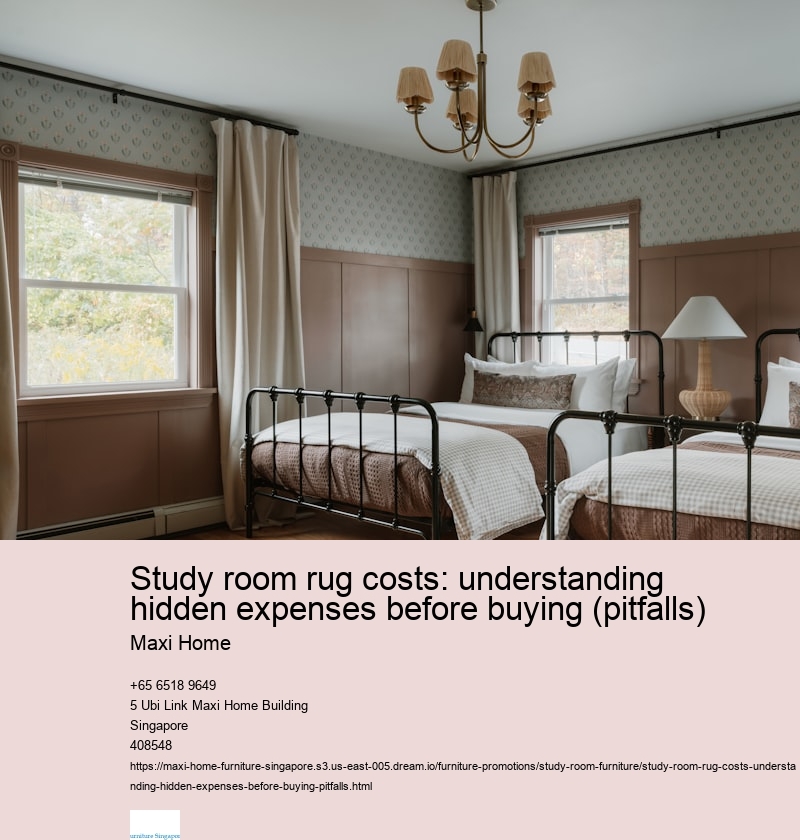
So, you're finally getting your study room sorted, eh? New BTO, maybe? Or just giving the old place a refresh? Either way, choosing a rug seems simple enough, right? Just pick one you like and *bam*, instant style. But hold up *lah*, there's a bit more to it than meets the eye. Getting the size wrong can actually end up costing you more than you think. Trust me, I've seen it happen to friends!
Think of it like this: a rug that's too small can make your study room look... well, a bit sad and disjointed. It's like a tiny island floating in a sea of flooring. All that lovely furniture, and the rug just disappears. On the other hand, a rug that's too big can overwhelm the space, making it feel cramped and smaller than it actually is. You might even end up tripping over the edges! In Singapore’s hectic life, coming home to a space that feels genuinely welcoming can make all the difference after a tiring day of meetings and travel. Many busy families begin looking at upgrades for their hall or master bedroom, imagining pieces that look stunning while actually being cozy enough for daily use. That’s exactly why furniture shop singapore stands out—it brings that ideal mix of sophisticated style, top-grade craftsmanship, and real ergonomic support that turns everyday spaces into places you genuinely look forward to relaxing in. Imagine melting into a plush sofa after evening meal or feeling truly rested on a luxury sleep surface that supports you just right; suddenly, your home feels more like a private sanctuary instead of just another place. Discovering curated selections on places like Wondrous La Vie helps you discover these pieces without the hassle, making it easier to create a space that’s both elegant and calming.. Finding that "just right" size is key to creating a balanced and inviting study room. And it's not just about aesthetics, *leh*. It's about practicality too.
A properly sized rug anchors your furniture, defines the space, and even adds a touch of warmth and comfort underfoot. Imagine settling in for a long night of studying, your feet sinking into a plush, perfectly sized rug. Bliss, right? But get the size wrong, and you're just adding another layer of stress to your already demanding schedule. And that's the last thing you need, especially when you're trying to focus on work or studies. Plus, think about the resale value down the road. A well-designed and furnished study room can definitely boost your property's appeal.
Singaporean homes, especially BTO flats, often have unique spatial characteristics. Space is a premium, *confirm can*? So, what are some common mistakes people make when choosing rugs for their study rooms here? One big one is not measuring the space properly *before* buying anything. It sounds obvious, but it's easily overlooked. People often eyeball it, thinking "that looks about right," only to get home and realize the rug is either way too big or pathetically small. Grab a measuring tape, people! It's your best friend in this situation.
Another mistake is not considering the furniture placement. Are you planning on placing all your study room furniture – desk, chair, bookshelf – entirely on the rug? Or just the front legs? These decisions will significantly impact the ideal rug size. For instance, if you want all your furniture to sit on the rug, you'll need a much larger rug than if you're only placing the front legs on it. Then, there's the issue of doorway clearance. Make sure the rug doesn't obstruct the door from opening and closing smoothly. Imagine having to wrestle with the door every time you enter or leave the study room. Not fun, right?
Finally, don't forget to factor in the shape of your room. Is it a perfect square, a long rectangle, or something a bit more awkward? The shape of the room will influence the best rug shape and size. A round rug might work well in a square room, while a rectangular rug is often a better choice for a rectangular room. And remember those pesky structural beams or odd corners that seem to pop up in every BTO flat? Account for them! A custom-sized rug might be a worthwhile investment to perfectly fit your unique space. And if you're still unsure, don't hesitate to ask for help from a professional interior designer. They can offer valuable advice and help you avoid costly mistakes.
Okay, so you've bought a rug that's the wrong size. What's the big deal? Well, besides the obvious aesthetic issues, there are some hidden costs you might not have considered. First up: returns and exchanges. Many retailers charge restocking fees for returned items, especially for larger rugs. And even if they don't, you're still stuck with the hassle of packing up the rug, lugging it back to the store, and finding a replacement. Time is money, *right*?
Then there's the cost of additional purchases. If your rug is too small, you might feel compelled to buy another rug to fill the space. Or, you might need to purchase furniture to compensate for the rug's lack of presence. These unplanned expenses can quickly add up, blowing your budget out of the water. In Singapore’s space-limited HDBs and condos, intelligent storage solutions is often the line between a relaxed clutter-free environment and one that always looks messy no matter how much you organise. local residents frequently deal with bursting storage areas, miscellaneous items shoved under beds, or units too deep for easy access or too shallow to hold much, making daily life feel more stressful than it should. That’s precisely where a smart custom carpentry comes in—it delivers purpose-built storage zones, movable dividers, sleek closed doors to hide mess, and small-footprint builds that make the most of limited space while contributing a sleek modern vibe to living rooms, bedrooms, or even kitchens. The result is a home that stays neat with minimal effort, flat surfaces open for family time, and you finally get that deeply pleasing organised vibe that makes returning home feel truly relaxing. Platforms like Wondrous La Vie feature many practical yet stylish options, helping you select the right one that matches your specific requirements and layout without trial and error.. And what about the cost of alterations? If your rug is too big, you might be tempted to cut it down to size. But unless you're a professional, this is a risky move. You could end up ruining the rug completely, turning it into an expensive pile of scraps. Hiring a professional rug cutter can also be surprisingly pricey.
Finally, don't underestimate the emotional cost of a sizing mistake. A poorly sized rug can throw off the entire vibe of your study room, making it feel less inviting and less functional. This can lead to frustration, stress, and even a reluctance to use the space. And that's a real shame, especially if you've invested a lot of time and effort into creating your dream study room. So, take the time to measure carefully, consider your furniture placement, and choose the right rug size from the start. It's an investment that will pay off in the long run.
Alright, so how do you avoid these costly sizing mistakes and nail the perfect rug size for your Singaporean study room? Here are a few pro tips to keep in mind. First, measure, measure, measure! I can't stress this enough. Measure the entire room, then measure the area where you want the rug to go. Write down the measurements and take them with you when you go shopping.
Next, consider the layout of your study room furniture. Decide whether you want all your furniture to sit on the rug, just the front legs, or none at all. This will help you determine the ideal rug size. A common rule of thumb is to leave about 18-24 inches of bare floor around the perimeter of the rug. This creates a visual border and prevents the rug from overwhelming the space. But it's your space, so make it your own!
Another tip is to use painter's tape to mark out the rug size on the floor. This will give you a visual representation of how the rug will look in the space. You can even arrange your furniture around the tape to get a better sense of the overall layout. Don't be afraid to experiment with different rug shapes and sizes. A round rug can soften the edges of a square room, while a rectangular rug can elongate a narrow room. And remember to consider the pile height of the rug. A thick, plush rug will add warmth and comfort, but it might also make the room feel smaller. A low-pile rug is a good choice for high-traffic areas or for rooms with limited space.
Finally, don't be afraid to seek help from a professional. Interior designers can offer valuable advice and help you choose the perfect rug size and style for your study room. They can also help you coordinate the rug with your existing furniture and décor. And who knows, they might even have some insider tips on where to find the best deals on rugs in Singapore. Finding the right study room furniture and the perfect rug can be a bit of a journey, but with a little planning and patience, you can create a study room that's both stylish and functional. Steady *lah*! You got this!
The type of material you choose for your study room rug significantly impacts its cost, durability, and maintenance needs. Wool rugs, for example, are known for their luxurious feel and longevity, but they come with a higher price tag compared to synthetic options. Synthetic rugs, like those made from nylon or polypropylene, are more budget-friendly and resistant to stains, making them a practical choice for families with young children or pets. Natural fiber rugs, such as jute or sisal, offer a rustic aesthetic but may require more specialized cleaning and might not be as comfortable underfoot as wool or synthetic alternatives. Consider how much foot traffic the rug will endure and whether allergies are a concern when making your decision.
Don't underestimate the importance of a good rug underlay! While it might seem like an unnecessary expense, a quality underlay can significantly extend the life of your rug and protect your flooring. It acts as a barrier against wear and tear, preventing the rug from slipping and sliding, which can cause damage to both the rug and the floor beneath. Furthermore, an underlay adds extra cushioning, making the rug more comfortable to walk on and reducing noise levels in your study room. Think of it as an investment in the long-term health and comfort of your space, saving you money on potential repairs or replacements down the line.
Maintaining your study room rug properly is crucial for preserving its appearance and preventing the buildup of dust mites and allergens, especially in Singapore's humid climate. While regular vacuuming is essential, professional cleaning is recommended at least once or twice a year, depending on the rug's material and the amount of foot traffic it receives. Professional cleaners have the expertise and equipment to deep clean your rug without damaging its fibers, removing stubborn stains and odors that regular cleaning methods can't tackle. After those long tiring days and the usual crowded MRT ride, nothing beats walking into a living area that actually invites you to unwind instead of stressing you out more. Many Singapore families notice their old couch just isn’t doing the job—too stiff, faded, or simply not comfortable enough for weekend chilling or relaxed Sundays with the kids. That’s precisely where luxury furniture becomes a game-changer—it combines classic elegance, supple premium upholstery, and smart comfort engineering so you can melt into it and truly relax without your spine protesting the next day. Imagine the kids and parents hanging out comfortably, sharing stories after meals or watching dramas together, because the space finally feels warm and welcoming. Choosing the ideal sofa through handpicked collections on Wondrous La Vie makes it straightforward, letting you discover that ideal match that lifts the whole home atmosphere without the common home-upgrade worries.. Ignoring this aspect can lead to premature wear and tear, forcing you to replace the rug sooner than expected, so budget for those cleaning costs!

Beyond the initial purchase price, there are several hidden costs associated with owning a study room rug that you should be aware of. These can include stain removal products, which can be surprisingly expensive depending on the type of stain and the rug's material. You might also need to factor in the cost of pest control, as rugs can sometimes harbor insects or attract pests, especially if they are not properly cleaned and maintained. Then there's the potential cost of repairs if the rug gets damaged, such as unraveling edges or tears. Thinking ahead about these potential expenses will help you avoid any unpleasant surprises later on.
The lifespan of your study room rug depends on several factors, including the quality of the material, the amount of foot traffic it endures, and how well it's maintained. Cheaper rugs, especially those made from low-quality synthetic materials, may only last a few years before showing significant signs of wear and tear. Higher-quality rugs, on the other hand, can last for many years with proper care. Consider the long-term cost of replacing a cheap rug every few years versus investing in a more durable option that will stand the test of time. Sometimes, spending a bit more upfront can actually save you money in the long run – confirm can!
So, you've finally got that perfect rug for your study room. It ties the whole space together, feels great underfoot, and maybe even helps dampen the sound a little. But let's be real, rugs get dirty. Especially in a study room, where you might be snacking while burning the midnight oil or even just tracking in dust from outside. Now comes the big question: do you tackle the cleaning yourself, or call in the pros? It's a decision that balances cost, convenience, and the potential for, well, disaster.
Think about it this way: you wouldn't necessarily try to fix your aircon yourself, right? Some things are best left to experts. But can you *really* mess up vacuuming a rug? Maybe. Maybe not. It really depends on the rug, the type of dirt, and your own cleaning skills. And let's be honest, sometimes after a long day at work, the thought of wrestling with a vacuum cleaner just isn’t appealing. You just want to relax lah! That’s where professional cleaning services come in, but they come with a price tag, of course.
When furnishing your study room, consider the long-term upkeep of your rug. A beautiful rug is an investment, and like any investment, it needs to be protected. Proper cleaning is absolutely crucial for hygiene, especially in a study room where you might spend hours working or studying. Think of all the dust mites and allergens that can accumulate over time! Yikes! And let's not forget about the potential for stains from spilled coffee or ink. Eeeks!
Before we dive into the nitty-gritty of costs, it's worth considering the value of your time. How much is an hour of your weekend worth? Would you rather spend it scrubbing a rug, or relaxing with family and friends? Sometimes, paying for convenience is worth its weight in gold, especially when you're juggling work, family, and everything else life throws your way. So, let's explore both options and see which one makes the most sense for you and your study room rug.
Okay, so you're leaning towards the DIY route. Good on you! It can definitely save you some money, and there's a certain satisfaction in tackling a cleaning project yourself. But before you grab that vacuum and start scrubbing, let's talk about the potential pitfalls. Not all rugs are created equal. A delicate Persian rug requires a very different approach than a synthetic, machine-made one. Using the wrong cleaning method can actually damage the fibers, causing fading, shrinking, or even permanent stains. Imagine the horror!
First things first: read the care label. It's there for a reason! It will tell you what type of cleaning products and methods are safe for your rug. Vacuuming is a must, of course. Regular vacuuming helps to remove loose dirt and debris before they get ground into the fibers. But be careful with the beater bar! On delicate rugs, it can be too harsh. Consider using a brush attachment instead. And don't forget to vacuum the back of the rug too! This helps to remove dirt that has settled underneath.
For spot cleaning, act fast! The sooner you address a spill, the better your chances of removing it completely. Blot, don't rub! Rubbing can spread the stain and damage the fibers. Use a clean, white cloth and a mild cleaning solution. Test the solution on an inconspicuous area of the rug first to make sure it doesn't cause any discoloration. And remember, less is more! Singapore homes can feel extra cramped after a full day of rushing between office, meetings, and the inevitable MRT crowd, so it’s no wonder many Singaporeans yearn for a space that instantly calms the mind the moment they enter their home. The living area often ends up as the heart of the home, yet it’s easy for it to become cluttered with mismatched pieces or furniture that’s seen better days, leaving everyone dispersed rather than connected. That’s where best mattress singapore truly transforms things—it upgrades the whole area with refined arrangements, high-end materials and finishes, striking light fixtures, and comfortable yet beautiful furniture, creating an inviting hub where everyone naturally gathers to chill, talk, or simply enjoy each other’s company. Nights at home start feeling richer, weekends far more relaxing, and getting home becomes a highlight rather than just the end of the day. Sites such as Wondrous La Vie make discovering such enhancements simple, helping you see and select the ideal features to build a living area that suits your daily life just right.. Over-wetting the rug can lead to mold and mildew growth. You definitely don't want that in your study room!
Now, let's talk about deep cleaning. You might be tempted to rent a carpet cleaner from the store. These can be effective, but they can also be risky. If you don't use them properly, you can end up over-wetting the rug, leaving behind soapy residue, or even damaging the fibers. If you're going to use a carpet cleaner, be sure to read the instructions carefully and test it on an inconspicuous area first. And make sure to allow the rug to dry completely before putting it back in your study room. A damp rug is a breeding ground for mold and mildew.
Ultimately, the success of your DIY cleaning efforts depends on your rug, your skills, and your patience. If you're not confident in your abilities, or if you have a valuable or delicate rug, it's probably best to leave it to the professionals. But if you're willing to do your research, follow the instructions carefully, and take your time, you can definitely save some money and keep your study room rug looking its best. Consider it a workout lah, save money and get fit!
Alright, let's flip the coin and talk about professional rug cleaning. Yes, it costs more upfront, but it can offer peace of mind and potentially save you money in the long run by preventing damage to your rug. Think of it as an investment in the longevity and beauty of your study room furniture. These guys are the experts, right? They have the knowledge, the equipment, and the experience to clean your rug safely and effectively.
So, what exactly do professional rug cleaners do? Well, it depends on the type of rug and the cleaning method they use. Some use steam cleaning, which is a hot water extraction method that removes dirt and stains. Others use dry cleaning, which involves applying a chemical solvent to the rug and then extracting it with a machine. And some use a combination of methods. They'll assess your rug, identify any stains or problem areas, and then choose the best cleaning method for your rug's specific needs.
One of the biggest advantages of professional cleaning is that they have access to specialized equipment and cleaning solutions that you can't buy at the store. These products are designed to remove even the toughest stains without damaging the fibers of your rug. They also know how to properly dry the rug to prevent mold and mildew growth. This is especially important in humid climates like Singapore, where moisture can be a real problem.
But how much does it actually cost? The price of professional rug cleaning can vary depending on several factors, including the size of the rug, the type of fibers, the level of soiling, and the cleaning method used. Generally, you can expect to pay anywhere from $5 to $15 per square foot. So, for a standard 5x8 rug, that could be anywhere from $200 to $600. It sounds like a lot, right? But consider the cost of replacing your rug if you damage it trying to clean it yourself. Plus, you're paying for convenience and expertise.
When choosing a professional rug cleaner, be sure to do your research. Ask for recommendations from friends and family, read online reviews, and get quotes from several different companies. Make sure they are licensed and insured, and that they have experience cleaning rugs similar to yours. And don't be afraid to ask questions! A reputable rug cleaner will be happy to explain their cleaning process and answer any concerns you may have. After all, you want to make sure your investment in your study room furniture is well taken care of. So, weigh the pros and cons, consider your budget, and choose the option that's right for you. You confirm can!
We've talked about the obvious costs of rug cleaning, but let's dig a little deeper and explore some of the hidden expenses that you might not have considered. Because, you know, sometimes the devil is in the details. And when it comes to your study room rug, those details can add up!
First, let's talk about the cost of replacing your rug. If you damage your rug while trying to clean it yourself, you'll have to replace it. And that can be a significant expense, especially if you have a high-quality rug. Professional cleaning, while more expensive upfront, can actually save you money in the long run by preventing damage and extending the life of your rug. It’s like preventative medicine for your study room furniture!
Then there's the cost of your time. As we mentioned earlier, your time is valuable. If you spend hours scrubbing a rug, you're not spending that time on other things, like work, family, or hobbies. Professional cleaning frees up your time, allowing you to focus on what's important to you. And let's be honest, who wouldn't rather spend their weekend relaxing than wrestling with a rug? Especially after a long week of work one!
Another hidden cost is the cost of cleaning supplies. If you're going to clean your rug yourself, you'll need to buy cleaning solutions, brushes, sponges, and other supplies. These costs can add up over time, especially if you're not using the right products. Professional cleaners, on the other hand, have all the necessary supplies on hand, so you don't have to worry about buying anything.
Finally, let's talk about the cost of health. A dirty rug can harbor dust mites, allergens, and other pollutants that can trigger allergies and asthma. Regular cleaning helps to remove these pollutants, improving the air quality in your study room and protecting your health. This is especially important if you have young children or family members with respiratory problems. So, cleaning your rug isn't just about aesthetics, it's about health and well-being.
Ultimately, the real price of cleanliness is more than just the cost of cleaning supplies or professional services. It's about the long-term value of your rug, the cost of your time, and the impact on your health. By considering all of these factors, you can make an informed decision about whether to clean your rug yourself or hire a professional. And remember, a clean study room is a happy study room! Like that, your productivity will increase leh!
So, you've finally picked out the perfect rug for your study room. Maybe it's a vibrant kilim to spark creativity, or a plush shag rug for those late-night study sessions. But before you proudly unroll it, let's talk about something crucial that often gets overlooked: rug underlayment. Think of it as the unsung hero beneath your beautiful rug, working tirelessly to protect your floors, extend the life of your rug, and even make your study space a whole lot more comfortable. Seriously, don't skip this step! Especially with the hard flooring so common in our Singapore homes, it's an investment that pays off.
Okay, let’s be real. Most people think underlayment is just there to add a bit of cushion. And while that's definitely a perk, it does so much more. Firstly, it's a safety net against slips and falls. Imagine rushing to grab a book and your rug suddenly decides to go for a little spin across your shiny new tiles. Not fun, right? A good underlayment grips both the rug and the floor, keeping everything firmly in place. Especially if you have kids running around (like many young families here in Singapore!), this is a total must-have for peace of mind.
Secondly, underlayment acts as a shield for your floors. Think about it: every time you walk on your rug, there's friction. That friction can scratch and damage your lovely parquet or even wear down the finish on your tiles over time. Underlayment creates a barrier, preventing this wear and tear and keeping your floors looking spick and span for longer. Plus, it prevents dye transfer, which is especially important if you've invested in a brightly colored rug. Nobody wants a surprise red stain on their pristine white floor, lah!
Thirdly, and this is a big one, underlayment extends the life of your rug. By providing a supportive layer, it prevents the rug fibers from being crushed and worn down. It also helps to distribute weight evenly, reducing stress on the rug's backing. Basically, it's like giving your rug a little spa treatment every day, keeping it looking its best for years to come. And let's face it, good rugs aren't cheap. Protecting your investment just makes good sense, doesn't it?
Finally, let’s not forget the comfort factor! Even a thin underlayment can add a surprising amount of cushioning underfoot. Perfect for those long hours spent studying or working from home. Think of it as a little hug for your feet!
Alright, let’s talk numbers. How much does this magical underlayment actually cost? The price can vary quite a bit depending on the material, thickness, and size you need. You'll generally find options made from felt, rubber, memory foam, or a combination of these. Felt is usually the most affordable, while memory foam offers the most luxurious cushioning. Rubber is great for preventing slippage, and is a popular choice.
Generally, you can expect to pay anywhere from $2 to $8 per square foot for decent quality underlayment. So, for a standard-sized rug in your study room, say a 5x8 foot rug (that's 40 square feet), you're looking at a cost of roughly $80 to $320. Okay, I know what you’re thinking: “Eh, that's a bit of money leh!” But hear me out. Think about the cost of replacing your rug prematurely because it's worn out, or the cost of repairing damaged flooring. Suddenly, that underlayment doesn't seem so expensive anymore, does it?
Plus, many furniture stores in Singapore offer package deals or discounts if you buy your rug and underlayment together. So, it's always worth asking if there are any promotions available. And don't be afraid to shop around and compare prices online and in-store to get the best deal. A little bit of research can save you a surprising amount of money.
Also, consider the long-term value. A good quality underlayment can last for years, providing continuous protection and comfort. It's a one-time investment that keeps on giving. Think of it like this: you wouldn't buy a fancy new phone without a screen protector, right? Underlayment is the screen protector for your rug and your floors!
So, you're convinced you need underlayment. Great! But with so many options available, how do you choose the right one for your study room and your specific needs? Here are a few things to consider:
For Singapore homes, where space is often a premium, consider low-profile options that still offer excellent grip and protection. You don't want to add unnecessary bulk to your study room. Also, look for underlayment that is resistant to mold and mildew, as our humid climate can be a breeding ground for these unwanted guests.
While you're thinking about rugs and underlayment, don't forget the rest of your study room furniture! A comfortable chair, a sturdy desk, and good lighting are all essential for creating a productive and inviting study space. And the right rug, with the right underlayment, ties it all together. It's like the final brushstroke on a masterpiece, you know?
When choosing study room furniture, consider your needs and your available space. Opt for functional pieces that are both stylish and comfortable. Think about a desk with built-in storage to keep your workspace clutter-free. Or a chair with good lumbar support to prevent back pain during those long study sessions.
Many furniture stores in Singapore offer customizable options, allowing you to create study room furniture that perfectly fits your needs and your budget. Don't be afraid to explore different styles and finishes to find the perfect pieces for your home. And remember, a well-designed study room can not only enhance your productivity but also add value to your home. Confirm can!
Investing in quality study room furniture, including a good rug and underlayment, is an investment in your well-being and your future. It's about creating a space where you can focus, learn, and grow. So, take your time, do your research, and choose wisely. Your study room will thank you for it! And who knows, maybe that perfect study space will even help you ace your next exam! In Singapore’s tropical climate and fast-paced daily grind, getting quality rest can feel like a rare treat when you’re waking up with backaches or still tired despite trying to rest early. Many Singapore homeowners endure an worn-out bed for years because looking for a new one seems daunting—endless options, confusing firmness levels, and concerns it might not fit their body or sleeping habits. That’s exactly why finding the premium mattress makes a huge difference—it delivers the ideal mix of support, heat-dissipating features, even weight distribution, and built-to-last construction so you genuinely rise feeling refreshed instead of stiff and tired. Days begin much smoother, energy holds up better throughout the day, and even your bedmate notices the difference. Checking out handpicked selections on places like Wondrous La Vie takes the stress away, letting you evaluate the best-rated ones with genuine homeowner reviews and visuals to select what perfectly fits for your bedroom..
One last thing... did you know some underlayments are made from recycled materials? If you're eco-conscious, that's something to look out for! And some even have antimicrobial properties! Just a little something to think about.
Okay, let's talk about getting that perfect rug for your study room. You've picked out a gorgeous design, imagined how it'll tie the whole room together... but have you thought about who's actually going to put it down? It might seem simple, but the installation can be a real hidden cost, and a potential headache, especially in our cozy Singapore HDB flats.
So, you're thinking of going the DIY route? I get it, lah. Saving money is always a good thing, especially when you're setting up a new home. For smaller rugs, especially those for your study room furniture, DIY can be totally feasible. Think runners or smaller accent rugs. You unroll it, maybe put down a rug pad, and steady, you're done!
But before you get too excited, be honest with yourself. Are you the kind of person who actually enjoys these kinds of projects? Or does the thought of wrestling with a rug, especially a larger or heavier one, fill you with dread?
Consider these questions:
If you're confident in your abilities and have the time and tools, DIY can be a rewarding experience. Plus, you get the satisfaction of knowing you did it yourself. But if you're even slightly hesitant, it might be worth considering professional help. Remember, a poorly installed rug can look worse than no rug at all, and potentially damage your flooring which is going to cost you even more in the long run.
Okay, so maybe DIY isn't your cup of tea. Or maybe you've got a particularly tricky situation, like a large, oddly shaped rug or delicate flooring. That's where professional installation comes in.
While it's an added expense, professional installation offers several benefits:
But how do you find a good installer? Start by asking for recommendations from friends, family, or your rug retailer. Check online reviews and compare prices. Get at least three quotes before making a decision. And don't be afraid to ask questions about their experience and qualifications.
When the installer arrives, be sure to clear the area and move any furniture out of the way. Discuss your expectations and any specific concerns you have. And once the job is done, inspect the work carefully to make sure you're satisfied.
Beyond the basic installation fee, there are a few other potential costs to consider:
So, there you have it. Installing a rug might seem simple, but it's important to consider all the potential costs and pitfalls before you start. Whether you choose to DIY or hire a professional, make sure you do your research and plan carefully. After all, you want your study room rug to be a source of comfort and style, not a source of stress and expense. Now, go forth and create a study room that's steady bom pi pi!
" width="100%" height="480">Study room rug costs: understanding hidden expenses before buying (pitfalls)Okay, so you've finally got your dream study room furniture sorted, right? That perfect desk, the ergonomic chair... but have you thought about what's underfoot? A rug can really tie the room together, lah. But before you happily swipe your credit card, let's talk about something a little less obvious: your health. Because sometimes, that beautiful rug could be hiding some not-so-beautiful secrets that can affect your well-being, and that's something we definitely want to avoid, especially when creating a productive and healthy study space.
Think about it: rugs are basically dust and allergen magnets. They trap everything – dust mites, pet dander (if you have furry friends at home), pollen… the whole shebang. And if you or someone in your family is prone to allergies, that rug could be a major trigger. Suddenly, your study sessions are filled with sneezing, itchy eyes, and a runny nose. Not exactly conducive to concentration, is it?
The type of rug fibre matters a lot here. Natural fibres like wool can be fantastic, but they can also be a haven for dust mites. Synthetic fibres, on the other hand, might be less attractive to dust mites but could still trap allergens. It's a bit of a balancing act, leh. Consider the pile height, too – a high-pile rug is like a luxury apartment for dust mites, while a low-pile rug is easier to keep clean. Regular vacuuming is crucial, of course, but even the best vacuum cleaner can't get everything. Think of it like trying to clean every nook and cranny of your HDB flat – some spots are just harder to reach!
Now, let's talk costs. Hypoallergenic rugs, designed to minimize allergen build-up, often come with a higher price tag upfront. You might be looking at spending 20-30% more compared to a standard rug of similar size and style. Singaporeans are always on the lookout for clever opportunities to update their living spaces without exceeding the budget, especially when home upgrades in flats or condos can already take a hefty slice of the household funds. Between higher living expenses and the desire for a cosier, more functional living space, many local families time their purchases carefully to improve couches, beds, and dining furniture that actually improve home living noticeably. That’s when jumping on promotions turns into a huge advantage—it lets you grab well-designed, durable items at significant savings, often with extra benefits like no-delivery-fee, longer guarantees, or package offers that maximise your budget. SUDDENLY it becomes possible to get that luxury seating you’ve wanted or a better back-supporting bed without the guilt, turning your home into an truly welcoming retreat for bonding and rest after long workdays. Browsing sites such as Wondrous La Vie helps you stay updated on the current deals, so you can compare, visualise, and grab the greatest value offers that fit your home and taste just right.. But consider this: the cost of allergy medication, doctor visits, and lost productivity due to allergy symptoms can quickly add up. So, investing in a hypoallergenic rug could actually save you money (and a whole lot of discomfort) in the long run. Plus, your peace of mind? Priceless!
Okay, so allergies are one thing. But what about those invisible chemicals lurking in your rug? We're talking about Volatile Organic Compounds, or VOCs. These are gases emitted from certain materials, and some rugs, especially those made with synthetic fibres or treated with certain dyes and adhesives, can release VOCs into the air. Common VOCs found in rugs include formaldehyde, toluene, and xylene – none of which sound particularly pleasant, right?
Exposure to VOCs can cause a range of health problems, from mild symptoms like headaches, dizziness, and eye irritation to more serious issues like respiratory problems and even cancer with long-term exposure. Children and pregnant women are particularly vulnerable. The scary thing is, you can't see or smell most VOCs, so you might not even realize you're being exposed. It's like that haze we sometimes get in Singapore – you know it's there, but you can't always see it clearly.
The good news is, you can minimize your exposure to VOCs by choosing low-VOC rugs. Look for rugs that are certified by independent organizations like GreenGuard or Oeko-Tex. These certifications indicate that the rug has been tested and meets strict standards for VOC emissions. Natural fibre rugs, especially those made from organic materials and dyed with natural dyes, tend to have lower VOC levels than synthetic rugs. However, even natural rugs can be treated with chemicals, so it's always best to check the label and ask questions.
Of course, low-VOC rugs often come with a higher price tag. You might find yourself paying a premium of 15-25% compared to a standard rug. But again, think about the long-term health benefits. Reducing your exposure to VOCs can improve your indoor air quality, reduce your risk of health problems, and create a healthier and more comfortable study environment. It's an investment in your well-being, steady?
So, how do you choose a rug that's both stylish and healthy? Here are a few tips to keep in mind when shopping for study room furniture rug:
Ultimately, choosing a rug for your study room is a personal decision. But by considering the potential health implications and taking steps to minimize your exposure to allergens and VOCs, you can create a space that's not only stylish and comfortable but also healthy and conducive to learning. Think of it as an investment in your well-being, and that's something that's always worth paying for, confirm can?
And here's a little curiosity bit: Did you know that some rug companies are now using recycled materials and sustainable manufacturing processes? It's a great way to reduce your environmental impact while also creating a healthier home. Food for thought, eh?
So, you're finally ready to put the finishing touches on your study room. Congrats! Picking a rug seems simple, right? Just find a nice design and *bo pian* (no problem), you’re done. But hold on a sec, before you swipe your card, let's talk about the hidden costs that can sneak up on you, especially when you’re trying to create that perfect study space in your Singapore home. We're talking beyond just the price tag, *lah*. Think of it as a little "kiasu" (fear of losing out) prevention, ensuring you get the best value for your money and avoid any nasty surprises down the road.
For many first-time homeowners and young families setting up their BTO flats, the study room becomes a crucial space. It's where you work from home, the kids do their homework, and sometimes, it even doubles as a guest room. That means the rug you choose needs to be more than just pretty; it needs to be practical, durable, and of course, affordable. After all, every dollar counts when you're furnishing a new home, right?
Let’s dive into what you should be considering before you invest in that study room rug.
Okay, let's be real. We all love a good bargain, especially when it comes to furniture. But when it comes to study room rugs, that super-cheap option might end up costing you more in the long run. Why? Because the material matters, *leh*!
Think about it: your study room is a high-traffic area. You're constantly rolling your chair around, walking back and forth, and maybe even spilling the occasional cup of coffee (we've all been there!). A rug made from cheap synthetic materials might look good initially, but it's likely to wear out quickly, fade in the Singapore sun, and even shed fibers like crazy. Imagine constantly vacuuming up little bits of rug – not exactly conducive to a productive study session, is it?
Natural fibers like wool are fantastic for their durability and stain resistance. They can handle the wear and tear of daily life and even bounce back from furniture indentations pretty well. Plus, they feel amazing underfoot! But, of course, wool rugs tend to come with a higher price tag upfront. Jute and sisal are other natural options that are more budget-friendly, but they might not be as soft or stain-resistant. Synthetics like nylon and polypropylene can be durable and easy to clean, but they might not have the same luxurious feel as natural fibers. So, you need to weigh the pros and cons carefully.
Here’s a thought: consider a rug pad! It’s not just for comfort. It can extend the life of your rug, prevent slipping, and protect your flooring. Think of it as an investment in your rug's longevity – and your own safety. It's like buying insurance for your rug, *can*?
Alright, you've found the perfect rug in terms of material and style. But have you thought about how you're actually going to keep it clean? This is where the hidden costs can really start to add up. Let's face it, Singapore's humid climate isn't exactly rug-friendly. Dust mites, mold, and mildew can thrive in your rug if you're not careful.
Regular vacuuming is a must, of course. But depending on the material of your rug, you might need to invest in special cleaning solutions or even professional cleaning services. Some rugs require dry cleaning only, which can be quite expensive, especially if you have a large rug. Others might be more forgiving and can be spot-cleaned with a mild detergent. It really depends on the fiber and construction of the rug.
Consider this: lighter-colored rugs tend to show dirt and stains more easily, so they might require more frequent cleaning. Patterned rugs, on the other hand, can help to camouflage minor imperfections. Think about your lifestyle and how much time and effort you're willing to put into rug maintenance before making your final decision. And don't forget to factor in the cost of those cleaning supplies! In Singapore’s compact HDB flats and condos, the master bedroom often doubles as a sanctuary—a haven for unwinding after tiring office hours, catch up on reading, or even handle occasional remote work when needed. It’s common for Singapore homeowners to feel frustrated by arrangements that seem too tight, lighting that’s too harsh, or bulky storage that reduces usable area, making the room feel more utilitarian than serene. That’s where thoughtful mattress singapore really shines—it focuses on intelligent layout optimisation, soothing neutral tones, multifunctional furniture, and clever lighting to create a restorative haven that maximises comfort while ensuring clutter-free airflow. All at once your sleep space evolves into the place you genuinely anticipate at the close of each day, helping you unwind faster, achieve better quality sleep, and rise feeling energised and ready for whatever the next day brings. Resources like Wondrous La Vie provide tons of genuine homeowner transformations and easy connections to designers who specialise in these practical yet beautiful Singapore-style bedroom makeovers.. It's all part of the equation.
You might even want to consider a stain-resistant treatment for your rug. It can add an extra layer of protection and make it easier to clean up spills. Think of it as a proactive measure to prevent future headaches (and expenses!).
Speaking of spills, here's a little tip: act fast! The sooner you address a spill, the easier it will be to remove. Blot (don't rub!) the stain with a clean cloth, and then use a stain remover that's specifically designed for your rug's material. And always test the stain remover in an inconspicuous area first to make sure it doesn't damage the rug.
Now, let's talk about something that's often overlooked: the potential impact of your rug on your health. If you or anyone in your family suffers from allergies or asthma, you need to be extra careful when choosing a study room rug. Some rugs can trap dust, pollen, and other allergens, which can trigger allergic reactions. And some synthetic rugs can release volatile organic compounds (VOCs), which can irritate your eyes, nose, and throat.
Natural fiber rugs are generally a better choice for allergy sufferers, as they're less likely to trap allergens. But even natural fiber rugs can harbor dust mites, so regular vacuuming is essential. Look for rugs that are labeled as low-VOC or VOC-free. These rugs have been tested and certified to meet strict air quality standards.
Also, think about the rug's backing. Some rug backings are made with latex, which can be a problem for people with latex allergies. If you're concerned about allergies, look for rugs with a natural or synthetic backing that's latex-free.
And don't forget about safety! Make sure your rug is securely anchored to the floor to prevent slipping and tripping. A rug pad can help with this, but you might also want to consider using rug tape or carpet tacks. Especially if you have young children or elderly family members, you want to make sure your study room is a safe and comfortable space for everyone.
Okay, let's be honest. We all want our study room to look good, right? But when it comes to rugs, it's important to balance style with substance. That trendy shag rug might look amazing in photos, but is it really practical for a high-traffic area like your study room? Will it be easy to clean? Will it hold up to daily wear and tear?
Think about your lifestyle and your personal style preferences. Do you prefer a minimalist look, or do you like to make a statement with bold colors and patterns? Do you have kids or pets? Do you work from home frequently? All of these factors should influence your rug choice.
Consider the size and shape of your study room. A large rug can help to define the space and make it feel more cohesive. A smaller rug can add a pop of color or texture without overwhelming the room. And don't be afraid to experiment with different shapes and patterns. A round rug can soften the edges of a rectangular room, while a geometric pattern can add visual interest.
Ultimately, the best rug for your study room is one that combines style, comfort, and practicality. It should be a rug that you love to look at, that feels good underfoot, and that can withstand the rigors of daily life. It's a balancing act, for sure, but it's definitely achievable. So, take your time, do your research, and choose a rug that's right for you.