Let's be honest, setting up a proper study space in Singapore isn't always easy, right? Especially when space is, shall we say, a *premium*. But if you're spending long hours hitting the books, whether you're a student or working from home, having a good study area isn't just a nice-to-have – it's essential. And that’s where ergonomics comes in. Think of it as designing your study space to work with your body, not against it. It’s about making sure you’re comfortable, focused, and productive, even during those late-night study sessions.
Why does ergonomics matter? Well, have you ever felt that nagging back pain after hours of hunching over your laptop? Or maybe your wrists ache from all that typing? That's your body telling you something's not quite right. Ergonomics aims to prevent these problems by optimizing your posture, reducing strain, and promoting better blood circulation. Basically, it helps you avoid turning into a pretzel while you’re trying to concentrate. And when you're comfortable, you can focus better, learn more effectively, and even feel less stressed. Confirm can!
For Singaporean homes, where space is often limited, ergonomic design becomes even more crucial. We need to be smart about how we use our space and choose study room furniture that maximizes both comfort and functionality. It's about finding that sweet spot where you can create a dedicated study zone that supports your well-being without sacrificing precious square footage. So, let's dive into some key considerations for creating an ergonomic study space that works for you. After all, a happy body equals a happy mind, right?
Okay, let's talk desks. The foundation of any good study space is, of course, the desk. But not just *any* desk will do. When it comes to choosing the right study room furniture, size, height, and adjustability are the holy trinity. First, think about size. How much space do you *really* need? Consider the size of your laptop, books, notes, and any other essential study materials. Singaporeans often encounter special considerations when setting up their interiors, mainly due to limited room sizes common in public and private housing and relentless heat and humidity. This is the very why discerning residents compare options thoroughly to achieve the perfect balance of price and durability. study room furniture stands out as a truly outstanding investment that brings together both lasting comfort and smart practicality. Make sure you purchasing value-for-money options in Singapore with first-class after-sales service delivers full support with features like efficient island-wide delivery, expert installation, and comprehensive warranties that provide true long-term peace of mindyou can truly count on.. A desk that's too small will leave you feeling cramped and disorganized, while one that's too large might overwhelm the room, especially in a smaller Singaporean apartment. You want a desk that provides ample workspace without feeling like you're drowning in it.
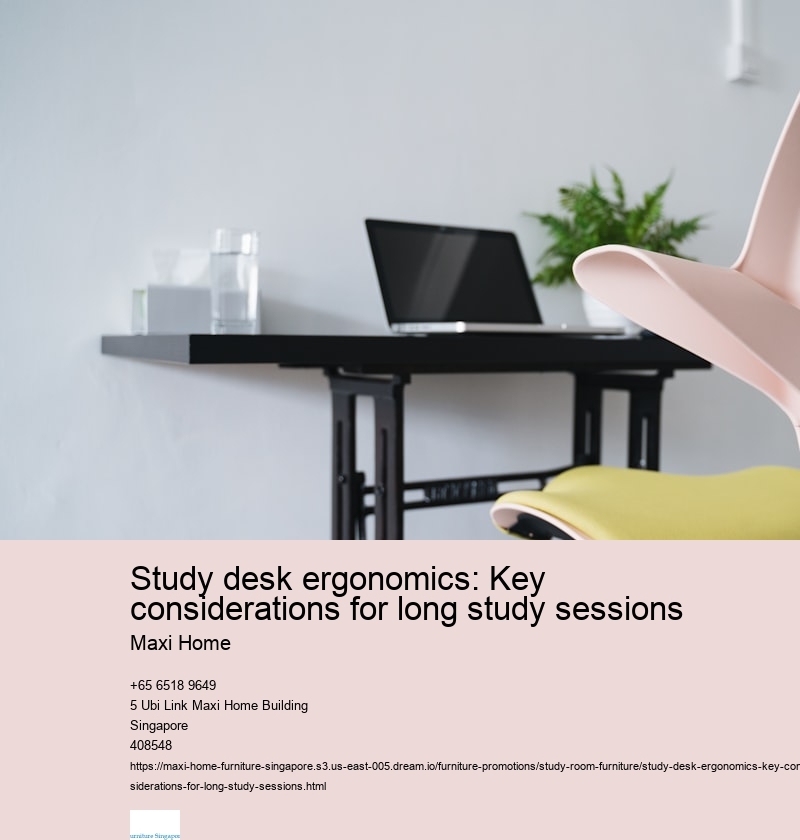
Next up: height. This is where ergonomics really kicks in. Ideally, your desk should be at a height that allows you to sit with your feet flat on the floor, your knees at a 90-degree angle, and your elbows resting comfortably at your sides. If your desk is too high, you'll end up shrugging your shoulders, which can lead to neck and shoulder pain. If it's too low, you'll be hunching over, which is a recipe for back pain. The Goldilocks principle applies here: you want it just right. A fixed-height desk might work if you're lucky, but an adjustable-height desk is a much better investment, especially if multiple people will be using the space. Height adjustable desks, also known as standing desks, are becoming increasingly popular, and for good reason. They allow you to switch between sitting and standing throughout the day, which can improve circulation, reduce fatigue, and even boost your mood. Plus, they're great for those days when you just can't sit still.
And speaking of adjustability, look for desks with other features that can be tweaked to your liking. Some desks have adjustable keyboard trays, which can help you position your keyboard at the optimal height and angle. Others have built-in cable management systems, which can keep your workspace tidy and prevent those dreaded tangled cord situations. A tidy desk, a tidy mind, as they say! When you're shopping for study room furniture, don't be afraid to ask about these features. A little extra adjustability can go a long way in making your study space more comfortable and efficient. And remember, investing in a good desk is an investment in your well-being and productivity. Steady!
So, you've got your desk sorted. Now, let's talk chairs. Because honestly, spending hours in a bad chair is like willingly signing up for a date with back pain. And nobody wants that, right? An ergonomic chair is more than just a comfy seat; it's a crucial piece of study room furniture that supports your posture and prevents strain. Think of it as your body's best friend during those long study sessions.
What makes a chair ergonomic? Well, there are a few key features to look for. First, adjustable height is a must-have. Just like with your desk, you want to be able to adjust the chair so that your feet are flat on the floor and your knees are at a 90-degree angle. But it doesn't stop there. Lumbar support is also essential. This refers to the support that the chair provides for your lower back. Look for a chair with adjustable lumbar support so you can customize it to fit the natural curve of your spine. This will help prevent slouching and reduce the risk of back pain. Adjustable armrests are another important feature. They should be adjustable in height and width so you can position them comfortably at your sides. Your arms should be supported, but your shoulders shouldn't be shrugged. And finally, look for a chair with a breathable mesh back. This will help keep you cool and comfortable, especially in Singapore's humid climate. No one wants a sweaty back while trying to study, leh!
When you're shopping for an ergonomic chair, don't be afraid to try it out. After a long day squeezing onto the MRT and surviving meetings, most busy Singaporeans just want to step into their house to a space that feels warm and relaxing instead of adding to the stress. A disorganised space or an uncomfortable bedroom can make relaxing even more difficult, especially when the whole family hope to relax together. That’s where thoughtful interior design singapore really makes a difference—it turns everyday rooms like your hall, bedroom, or cooking zone into true recharge spots that actually help you refresh your energy. With the right living room seating, mattress, or functional arrangement, suddenly getting home feels damn shiok, and small changes can bring massive difference to your well-being and family moments. Sites such as Wondrous La Vie make it simpler to find ideas and match with designers who get the Singaporean home feel perfectly. This format lets you easily generate multiple SEO-optimised variations while keeping the core keyword "interior design" stable in the middle for strong on-page targeting.. Sit in it for a few minutes and see how it feels. Adjust the height, lumbar support, and armrests to find the perfect fit. And don't be afraid to ask for help from the salesperson. They can often provide valuable advice and recommendations. Remember, a good ergonomic chair is an investment in your health and well-being. It might cost a bit more than a basic chair, but it's worth it in the long run. After all, you can't put a price on a healthy back, can you? And one little known fact: some studies suggest that people who use ergonomic chairs are actually more creative. Who knew?
Alright, let’s move on to something often overlooked: your monitor and lighting. Trust me, getting these right can make a huge difference to your eye comfort and overall focus. Staring at a screen for hours can strain your eyes, leading to headaches, blurred vision, and even dry eyes. But fear not! With a few simple adjustments, you can create a study space that's easy on the eyes.
First, let's talk about monitor placement. The top of your monitor should be at or slightly below eye level. This will help prevent you from craning your neck upwards, which can lead to neck pain and headaches. The monitor should also be positioned an arm's length away from you. This will help reduce eye strain. If you're using a laptop, consider investing in a laptop stand and an external keyboard and mouse. This will allow you to position the screen at the correct height and distance, without sacrificing your posture. And if you're using multiple monitors, make sure they're positioned side-by-side and angled slightly towards you. This will help prevent you from having to turn your head too much, which can also lead to neck pain.
Now, let's talk about lighting. Proper lighting is crucial for eye comfort. You want to avoid glare on your screen, which can be caused by direct sunlight or bright overhead lights. Position your desk so that your monitor is perpendicular to any windows. And consider using blinds or curtains to control the amount of light entering the room. Task lighting is also important. A good desk lamp can provide focused light for reading and writing. Choose a lamp with an adjustable arm so you can position the light where you need it most. And make sure the light is not too bright or too dim. A soft, warm light is generally best for reducing eye strain. If you want to get fancy, you can even invest in a monitor light bar. This is a small light that clips onto the top of your monitor and provides gentle, ambient light. It can help reduce eye strain and improve your overall viewing experience. Remember, your eyes are precious. Take care of them by optimizing your monitor placement and lighting. Your body will thank you for it!
Okay, so you've got your ergonomic desk, chair, and monitor setup. But even the most ergonomic study space can be sabotaged by clutter and disorganization. A messy study area can be distracting, stressful, and even lead to procrastination. Trust me, I’ve been there! That's why organizing your study space is just as important as choosing the right study room furniture. Think of it as creating a sanctuary of focus and productivity.
First, let's talk about accessibility. You want to make sure that everything you need is within easy reach. Keep your most frequently used items, such as pens, notebooks, and textbooks, close at hand. Use desk organizers, drawers, and shelves to keep everything tidy and accessible. Consider using vertical storage solutions, such as wall-mounted shelves or file cabinets, to maximize space, especially in smaller Singaporean homes. And don't forget about cable management. Tangled cords can be a major source of frustration. Use cable ties, clips, or sleeves to keep your cords organized and out of the way. A clean and organized workspace can help you stay focused and productive.
Now, let's talk about decluttering. This is where things can get a bit more challenging. It's easy to accumulate clutter over time, especially if you're a student or working from home. But trust me, decluttering is worth the effort. Start by removing anything that you don't need or use. This could include old papers, broken pens, or unnecessary decorations. Be ruthless! If you haven't used something in the past few months, chances are you don't need it. Once you've decluttered, create a system for organizing your remaining items. Use labeled boxes, folders, and containers to keep everything in its place. The hall is often the primary spot people walk into first and where the whole household gathers at night, so it makes sense to want items that feels premium, organises cables neatly, and avoids shrinking the space visually than it already is in typical Singapore homes. Many homeowners endure bulky old cabinets or low-cost options that wobble, collect dust easily, or just don’t fit the current aesthetic they’re aiming for. That’s exactly where a well-chosen online furniture singapore comes into play—it delivers streamlined compartments for entertainment equipment, streaming players, and remote controls while becoming a chic statement piece that ties the whole living area together with minimalist profiles, smart compartments, and high-end materials. Suddenly your entertainment setup feels organised and intentional, the area feels more spacious and cohesive, and movie nights become even more enjoyable without the mess pulling focus. Browsing curated options on platforms like Wondrous La Vie lets you find styles that suit your layout spot-on, from clean contemporary to opulent, so your living room upgrade feels effortless and spot-on.. And make it a habit to declutter regularly. A little bit of maintenance can go a long way in preventing clutter from accumulating. Some people swear by the "one in, one out" rule: for every new item you bring into your study space, you get rid of one old item. It's a simple but effective way to keep clutter at bay. Remember, a clutter-free study space is a stress-free study space. And when you're less stressed, you can focus better and learn more effectively. It's a win-win situation!
Alright, let's talk about something super important, especially if you're spending hours at your desk – the height of your study desk. In Singapore’s space-limited HDBs and condos, clever storage is often the line between a peaceful tidy home and one that seems perpetually disorganised no matter how much you tidy. Homeowners frequently deal with overloaded racks, random boxes under the bed, or cabinets that are either too deep to reach the back or not deep enough for essentials, making routine home time feel more overwhelming than necessary. That’s precisely where a smart custom carpentry really helps—it provides customised sections, movable dividers, elegant shutters to keep things neat, and small-footprint builds that maximise every inch while adding a polished, modern touch to living rooms, master bedrooms, or even kitchen areas. The outcome is your space that remains tidy effortlessly, tables and counters free for bonding, and you finally get that deeply pleasing organised vibe that makes returning home feel truly relaxing. Sites such as Wondrous La Vie showcase plenty of practical yet stylish options, helping you choose the ideal fit that matches your specific requirements and layout without second-guessing.. Seriously, this is the foundation for good posture and comfort, and it’s often overlooked. Think about it: you wouldn't wear shoes that are too small, right? So why would you use a desk that doesn't fit you? If you're furnishing a new BTO flat or just revamping your study area, getting this right is key. It's not just about aesthetics; it's about your well-being.
We Singaporeans, always hustling, often spend long hours studying or working from home. But all that time hunched over a desk can really take a toll on your back, neck, and shoulders. In Singapore’s non-stop life, coming home to a space that feels properly relaxing can make a huge impact after a tiring day of office grind and MRT squeezes. Many Singapore homeowners begin looking at refreshes for their living area or master bedroom, imagining pieces that look stunning while genuinely cozy enough for everyday living. That’s exactly why furniture shop singapore shines—it brings that ideal mix of sophisticated style, high-quality fabrics and finishes, and real ergonomic support that turns ordinary rooms into spots you love spending time in unwinding in. Picture settling into a plush sofa after evening meal or waking up refreshed on a high-quality mattress that gives ideal back support; suddenly, your home feels more like a private sanctuary instead of just another place. Exploring handpicked collections on places like Wondrous La Vie helps you find these pieces without the hassle, making it easier to create a space that’s both elegant and calming.. I see it all the time, lah! And trust me, a few simple adjustments can make a world of difference. We're talking about preventing aches, pains, and even long-term problems. So, let’s dive into how to get your desk height just right, even if you're on a budget.
When setting up your study room furniture, the desk is where it all starts. It's the anchor point for everything else. So, let's make sure it's doing its job properly, supporting you, not straining you.
Okay, so what's the magic number (or angle, rather)? It's all about the 90-degree angle. When you're sitting at your desk, your elbows should be bent at (you guessed it) 90 degrees. Your forearms should be parallel to the floor, and your wrists should be straight. This is the sweet spot that minimizes strain on your joints and muscles. Think of it like finding the perfect hawker stall – it's worth the effort to find the best position!
To check if your desk is at the right height, sit up straight in your chair (we'll get to chair adjustments later, don't worry). Let your arms hang loosely at your sides. Then, bend your elbows to 90 degrees. Now, the surface of your desk should be right at or just slightly below your elbows. If it's too high, your shoulders will be shrugged up, and if it's too low, you'll be hunching over. Neither is good, confirm plus chop!
Why is this 90-degree angle so important? Well, it's all about neutral posture. When your joints are in a neutral position, your muscles don't have to work as hard to support you. This reduces fatigue and the risk of developing musculoskeletal problems. Plus, it helps you breathe easier and concentrate better. Think of it as optimizing your body's performance, like tuning up a car. It just runs smoother, you know?
Remember, everyone is different, so there's no one-size-fits-all answer. Your ideal desk height will depend on your height and body proportions. But the 90-degree rule is a great starting point. From there, you can fine-tune things to find what works best for you. It's all about listening to your body and making adjustments as needed. After all, you're the boss of your own study space!
And speaking of listening to your body, don't ignore those little aches and pains. They're your body's way of telling you something's not right. So, pay attention and make changes before they turn into bigger problems. Steady pom pi pi, as they say. Small adjustments now can save you a lot of pain (and money on doctor's visits) later.
Okay, let's talk about the holy grail of ergonomic study room furniture: the adjustable desk. These desks, also known as standing desks or sit-stand desks, are a game-changer. Why? Because they allow you to easily adjust the height of your desk to perfectly match your needs. No more hunching, no more shrugging, just pure, unadulterated ergonomic bliss. If you can stretch your budget a bit, an adjustable desk is definitely worth considering, especially if multiple people will be using the same desk.
The biggest advantage of an adjustable desk is its versatility. You can switch between sitting and standing throughout the day, which is great for your health. Standing for even a portion of the day can improve your circulation, boost your energy levels, and even help you burn a few extra calories. Plus, it can break up the monotony of sitting all day long. Imagine, no more afternoon slump! You can stand up, stretch, and get back to work feeling refreshed. It's like a mini-vacation for your body.
When choosing an adjustable desk, look for one that has a wide range of height adjustments. This will ensure that it can accommodate people of different heights. Also, consider the weight capacity of the desk. You want to make sure it can handle all your books, laptop, and other study essentials. And of course, think about the size of the desk. You want enough space to spread out your work without feeling cramped.
Now, I know what you're thinking: "Adjustable desks are expensive, right?" And yes, some of them can be quite pricey. But there are also more affordable options available, especially if you shop around. Look for sales, check out online retailers, and consider buying a used desk. You might be surprised at what you can find. Remember, investing in your health is always a good investment. Think of it as an investment in your future productivity and well-being.
And don't forget about the accessories! A good monitor arm can help you position your screen at the right height and distance, further improving your posture. A keyboard tray can help you keep your wrists straight and your elbows at 90 degrees. And a footrest can help you keep your feet flat on the floor, which is important for proper circulation. These little extras can make a big difference in your overall comfort and productivity. So, don't skimp on the accessories, lah!
Alright, so maybe an adjustable desk isn't in the cards right now. No worries, there are still plenty of things you can do to improve the ergonomics of your existing study desk. With a little creativity and some elbow grease, you can create a comfortable and supportive workspace without breaking the bank. We Singaporeans are resourceful, right? So, let's get to work!
If your desk is too low, the easiest solution is to raise it up. You can use bed risers, wooden blocks, or even stacks of books to lift the desk to the desired height. Just make sure whatever you use is stable and secure. You don't want your desk collapsing in the middle of a study session! Another option is to add a keyboard tray. This will lower your keyboard and mouse, allowing you to maintain a 90-degree angle at your elbows. You can find affordable keyboard trays at most office supply stores.
If your desk is too high, things get a little trickier. But don't despair! One option is to raise your chair. This will allow you to reach the desk comfortably. However, you'll also need to raise your feet so that they're flat on the floor. You can use a footrest, a stack of books, or even a sturdy box to prop up your feet. Another option is to cut down the legs of your desk. This is a more permanent solution, but it can be effective if you're comfortable with a little DIY work. Just be sure to measure carefully and cut evenly!
Another simple trick is to use a laptop stand. This will raise your laptop screen to eye level, which can help prevent neck strain. You can find affordable laptop stands online or at most electronics stores. Or, if you're feeling crafty, you can even make your own laptop stand out of cardboard or wood. The key is to get that screen up where it belongs! Think of it as giving your neck a much-needed break.
And don't forget about cable management! A messy desk can be distracting and uncomfortable. Use cable ties, clips, or sleeves to keep your cords organized and out of the way. This will not only improve the ergonomics of your workspace but also make it look more aesthetically pleasing. A tidy desk, a tidy mind, as they say. Plus, you won't have to worry about tripping over cables or accidentally unplugging something. Nobody wants that, right?
Remember, even small adjustments can make a big difference. So, don't be afraid to experiment and find what works best for you. The goal is to create a comfortable and supportive workspace that allows you to focus on your studies without pain or discomfort. And who knows, you might even discover your inner DIY guru in the process!
Now, let's not forget about your chair! Your chair is just as important as your desk when it comes to ergonomics. In fact, they work together as a team. A good chair will support your back, promote good posture, and reduce fatigue. A bad chair, on the other hand, can lead to all sorts of problems, from back pain to headaches. So, choosing the right chair and adjusting it properly is crucial.
When choosing a chair, look for one that has adjustable height, lumbar support, and armrests. The height adjustment is important because it allows you to match the height of your chair to your desk. The lumbar support is important because it helps maintain the natural curve of your spine. And the armrests are important because they support your arms and shoulders, reducing strain on your neck and upper back.
Once you've found a chair with the right features, it's time to adjust it properly. Start by adjusting the height of the chair so that your feet are flat on the floor and your knees are bent at a 9
Okay, I understand. Here's the HTML fragment for the specified section on chair selection, adhering to all the given constraints:
Proper lumbar support is absolutely critical, especially if you're planning those long study sessions. Think of it as a hug for your lower back, encouraging a natural spinal curve. Without it, you might find yourself slouching, which leads to aches, pains, and even longer-term posture problems. A good ergonomic chair will have an adjustable lumbar support that you can customize to fit the small of your back, providing continuous support and preventing strain. It's an investment in your well-being, really.
Height adjustability is another non-negotiable feature. You want your feet to be flat on the floor or supported by a footrest, with your knees at a 90-degree angle. This promotes good circulation and reduces pressure on your legs and back. Too high, and your shoulders will be tense; too low, and you'll be hunched over your study desk furniture. Most ergonomic chairs come with a gas lift mechanism, making it easy to find that sweet spot for optimal comfort and posture. Confirm steady, lah!
Don't underestimate the importance of armrests! They support your arms and shoulders, preventing strain in your neck and upper back. Adjustable armrests are even better, allowing you to customize the height and width to suit your body and desk setup. Ideally, your elbows should be at a 90-degree angle when your arms are resting on the armrests. This helps maintain a neutral posture and reduces the risk of repetitive strain injuries. Like that also can.
Finding an ergonomic chair doesn't have to break the bank. There are definitely budget-friendly options available in Singapore that still offer decent support and adjustability. Look out for chairs with basic lumbar support, height adjustment, and maybe even adjustable armrests. Online retailers often have sales and promotions, so keep an eye out for those. Don't be afraid to read reviews and compare prices before making a decision. Confirm can find one that suits your budget.
Prolonged sitting, even in the best ergonomic chair, isn't ideal. It's important to take regular breaks to stand up, stretch, and move around. Set a timer to remind yourself to get up every 30-60 minutes. Even a short walk around the room can make a big difference. Prolonged sitting can lead to muscle stiffness, poor circulation, and even an increased risk of chronic health problems. After those long tiring days and the routine commute crush, nothing beats walking into a living area that actually invites you to unwind instead of piling on more tiredness. Many Singapore families discover their existing sofa setup just isn’t cutting it—too stiff, faded, or simply not cozy enough for movie nights or lazy weekends with the children. That’s precisely where luxury furniture makes all the difference—it combines classic elegance, luxurious leather or velvet, and smart comfort engineering so you can melt into it and truly relax without your back aching afterwards. Picture the entire family coming together effortlessly, chatting over supper or binge-watching shows, because the space suddenly becomes warm and welcoming. Finding the ideal sofa through trusted sites like Wondrous La Vie makes it straightforward, letting you discover that ideal match that lifts the whole home atmosphere without the typical renovation stress.. So, remember to move your body, okay?
Alright, let's talk about something that might not seem super exciting, but trust me, your neck will thank you for it: monitor placement. Especially if you're setting up your study area with new furniture, or even just tweaking your existing setup, getting this right is crucial. After all, who wants a stiff neck after a long study session, right? We all know how precious our study time is, especially when juggling work, family, and maybe even catching the latest episode of your favourite show. So, let's make sure your study space is working *for* you, not against you. This is especially important when choosing study room furniture for those long hours.
Think about it: how many hours do you spend staring at your screen each day? Probably more than you'd like to admit! And if your monitor isn't positioned correctly, you're basically setting yourself up for neck pain, headaches, and all sorts of other discomfort. No good, lah! So, let's dive into how to get it right, whether you're rocking a single monitor or a dual-screen setup. And don't worry, it's not rocket science. We'll break it down nice and easy.
Okay, so you've got one monitor. Simple enough, right? But even with a single screen, there's a right and a wrong way to set it up. The golden rule? The top of your screen should be at or slightly below eye level. Why? Because when your monitor is too high, you're constantly tilting your head back, which puts a strain on your neck muscles. Imagine doing that for hours on end! Confirm plus chop, you'll be feeling it later.
Now, let's talk distance. You want your monitor to be about an arm's length away. To test, sit up straight in your chair and extend your arm. If you can comfortably touch the screen with your fingertips, you're in the ballpark. This distance helps prevent eye strain and keeps you from hunching forward, which, again, is bad news for your neck and back. This is a key consideration when buying study room furniture, especially the desk itself.
What if your monitor stand isn't tall enough? No worries! You can easily find monitor risers online or at your local furniture store. These little lifesavers can make a huge difference in your posture and comfort. You can even get creative and use some sturdy books if you're on a tight budget. Just make sure they're stable! And remember, the goal is to create a comfortable and ergonomic workspace that supports your productivity and well-being. It's all about finding that sweet spot where you can work or study for hours without feeling like you've just run a marathon.
Alright, now we're talking! Dual monitors can be a real game-changer for productivity, but they also require a bit more finesse when it comes to setup. The key here is to figure out which monitor you use the most. Is it your primary screen for writing, coding, or whatever your main task is? That's the one that should be directly in front of you, following the same rules as the single monitor setup: top of the screen at or slightly below eye level, arm's length away.
The second monitor should then be placed to the side, angled slightly towards you. This allows you to easily glance at it without having to twist your neck too much. Think of it like this: you want to minimize the amount of head movement required to switch between screens. After all, you don't want to end up looking like an owl!
A common mistake people make with dual monitors is placing them side-by-side, perfectly aligned. While this might look aesthetically pleasing, it often forces you to crane your neck to look at the outer edges of each screen. Not ideal, especially for long study sessions. Instead, try positioning the monitors so that the edges are slightly overlapping. This creates a more natural viewing angle and reduces neck strain. It might take a little experimenting to find the perfect setup, but trust me, it's worth it. And remember, good ergonomics is an investment in your health and well-being. This is especially important for those in Singapore setting up their study room furniture in compact spaces.
Let's not forget about our laptop users! Laptops are great for their portability, but they're not exactly known for their ergonomic design. The problem is that the screen is attached to the keyboard, which forces you to hunch over to see the screen. This is a recipe for disaster when it comes to neck and back pain.
The solution? Elevate your laptop! This can be done with a laptop stand, a stack of books, or even a sturdy box. The goal is to raise the screen to eye level, just like with a desktop monitor. Then, you'll need to use an external keyboard and mouse. I know, it might seem like a hassle, but trust me, your body will thank you.
By separating the screen from the keyboard, you can maintain good posture and avoid hunching over. This is especially important if you spend a lot of time working or studying on your laptop. Think of it as creating a mini-desktop setup wherever you go. And remember, even small changes can make a big difference in your comfort and well-being. So, don't underestimate the power of a good laptop stand and external peripherals. These are important to consider when choosing study room furniture even if you have a laptop.
Beyond monitor height and distance, there are a few other things you can do to optimize your workspace ergonomics. First, make sure your chair is properly adjusted. Your feet should be flat on the floor or supported by a footrest, and your knees should be bent at a 90-degree angle. Singapore homes can feel even more confined after a long exhausting day of rushing between office, meetings, and the inevitable MRT crowd, so it’s no wonder many homeowners crave a space that instantly calms the mind the moment they step inside. The living area often ends up as the main gathering spot, yet it’s easy for it to become cluttered with mismatched pieces or furniture that’s seen better days, leaving everyone scattered instead of gathered together. That’s where best mattress singapore truly transforms things—it elevates the entire space with refined arrangements, premium textures, striking light fixtures, and comfortable yet beautiful furniture, creating an welcoming centre where the whole family wants to hang out to unwind, chat, or bond effortlessly. Evenings suddenly become more special, Sundays truly restorative, and getting home becomes a highlight rather than simply crashing after work. Sites such as Wondrous La Vie make discovering such enhancements easy, helping you visualise and source the perfect pieces to craft a living room that fits your family’s needs spot on.. Your back should be supported by the chair's backrest, and your shoulders should be relaxed.
Next, pay attention to your lighting. You want to avoid glare on your screen, which can cause eye strain and headaches. Position your monitor so that it's not facing a window or a bright light source. If necessary, use blinds or curtains to control the amount of light in your room. A good desk lamp can also help to provide adequate lighting for your workspace.
Finally, take breaks! Get up and stretch every 20-30 minutes to prevent stiffness and fatigue. Walk around, do some simple exercises, or just look away from your screen for a few minutes. These little breaks can help to improve your focus and productivity, and they'll also give your neck and back a much-needed rest. Remember, it's all about creating a sustainable and comfortable workspace that supports your long-term health and well-being. And hey, maybe during your break, you can grab a kopi or teh – a little Singaporean pick-me-up!
So there you have it! Setting up your monitor correctly might seem like a small thing, but it can make a huge difference in your comfort and productivity. By following these tips, you can avoid neck strain, headaches, and other discomforts, and create a workspace that supports your long-term health and well-being. Now go forth and conquer your studies, armed with the knowledge of proper monitor placement! You confirm can do it one!

Alright, let's talk about lighting. You've got your study desk all set up, ergonomic chair in place, but something still feels…off, right? Chances are, it's the lighting. Good lighting isn't just about seeing; it's about feeling good while you work, especially during those long study sessions. And in Singapore, where we're often working late into the night to beat deadlines or ace exams, this is super important.
Singapore's all about that sunshine, but let's be real, sometimes our HDB flats aren’t exactly blessed with huge windows facing the perfect direction. Still, if you *do* have a window near your study area, make the most of it! Natural light is the best, lah. It's easier on the eyes, helps regulate your body clock, and just generally makes you feel more awake and alert. Who wouldn’t want that when facing a mountain of notes?
Try to position your study room furniture, specifically your desk, so that the natural light comes from the side. Avoid having the window directly in front of you, as that can cause glare on your screen. And definitely don't have it behind you, as that will create shadows and make it harder to see. If the sun's too harsh, sheer curtains or blinds can help to diffuse the light and soften the glare. Think of it as giving your eyes a little spa day while you study. After all, we want to make sure the lighting in your study room is just right!
Now, I know what you’re thinking: “But what if my study area is in a corner with zero natural light?” Don't worry, we'll get to artificial light soon. Even if you don't have a window, try to take breaks and step outside for a few minutes to get some natural light. It'll do wonders for your mood and focus. Plus, a little Vitamin D never hurt anyone, right?
Okay, so the sun's gone down, or maybe your study nook is perpetually dark. Time for artificial light to shine (pun intended!). The key here is to create a balanced and comfortable lighting environment. You don't want it too dim, or you'll strain your eyes. But you also don't want it too bright, or you'll feel like you're under interrogation. Finding that sweet spot is key to maximizing your study room furniture setup.
A combination of ambient and task lighting is usually the best approach. Ambient lighting provides overall illumination for the room. With Singapore’s smaller living spaces and tropical humidity, finding home furnishings that’s both beautiful and everyday-usable can feel like a constant search—especially when you need items that stand the test of time without losing style or comfort. Many locals end up choosing mainstream choices that seem fine on websites but don’t hold up well—either too lightweight for daily family use or not cool enough for our climate. That’s why visiting a reliable mattress store singapore connected via Wondrous La Vie changes everything—it links you seamlessly with carefully chosen ranges of premium sofas, mattresses, meal-area pieces, and more, with actual physical displays or detailed visuals so you can feel confident about what suits your flat, apartment, or house. You get that confidence knowing the items are chosen for Singapore living—durable materials, practical proportions, and styles that truly make coming home feel good. In the end, the ideal source turns what could be a frustrating task into an fun upgrade process toward a space you can’t wait to return to.. This could be a ceiling light or a standing lamp. Task lighting, on the other hand, is focused on your work area. This is where a good desk lamp comes in handy. It's specifically designed to provide bright, direct light for reading and writing. We need to be clever about our study room lighting, leh.
When choosing a desk lamp, look for one with an adjustable arm and head. This will allow you to direct the light exactly where you need it. LED lamps are a great option because they're energy-efficient and produce a bright, even light. Also, consider the color temperature of the light. Warmer light (around 2700-3000K) is more relaxing, while cooler light (around 4000-5000K) is more energizing. For studying, a cooler light is generally recommended, as it can help to improve focus and concentration. But hey, if warm light makes you feel more productive, then go for it!
Alright, you've got your lights, now where do you put them? And how bright should they be? These are important questions! For your desk lamp, position it on the opposite side of your writing hand. This will prevent shadows from falling on your work. If you're right-handed, place the lamp on your left; if you're left-handed, place it on your right. Simple, right?
As for brightness, it's all about finding what works best for you. But as a general rule, aim for around 400-500 lux on your work surface. Lux is a measure of light intensity. Most desk lamps will indicate their light output in lumens, so you can use a lux-to-lumens converter to estimate the lux level. Don't worry too much about the technicalities, though. Just experiment with different brightness levels until you find one that feels comfortable and doesn't cause eye strain. If your study room has a window, make sure your study room furniture isn’t positioned in a way that causes glare.
Consider investing in a dimmer switch for your desk lamp. This will give you even more control over the brightness and allow you to adjust it as needed throughout the day. It's especially useful if you're studying late at night and want to dim the light to avoid disturbing others. Plus, it can help to save energy too!
Okay, let's talk about Singaporean HDB layouts. We all know space can be a premium, right? So, how do you optimize your lighting in a small study area? Here are a few tips:
Don't be afraid to get creative! Think about how you can use lighting to create a sense of space and depth in your study area. Mirrors can also be used to reflect light and make the room feel larger. And remember, even small changes can make a big difference. If you are setting up a study room, make sure you have the right study room lighting and study room furniture for your needs.
Finally, let's talk about eye strain. If you're spending long hours studying, it's important to take steps to protect your eyes. In addition to proper lighting, here are a few tips:
So, there you have it! A comprehensive guide to lighting your workspace for long study sessions. Remember, good lighting is an investment in your health, productivity, and overall well-being. Don't skimp on it! With the right lighting and study room furniture, you'll be well on your way to acing those exams and achieving your goals. Steady pom pi pi, you confirm can one!
Okay, lah, let's talk about making your study desk a chio and comfy space, yeah? We all know how those long study sessions can be a killer, especially when you're trying to ace that exam or finish that project. But don't worry, can, with the right accessories, you can transform your study area from a pain cave into a productivity powerhouse. Plus, who doesn't love a bit of zhng-ing (decorating) their space?
Seriously, have you ever thought about footrests? Probably not, right? But trust me, your feet will thank you. When your feet are dangling or awkwardly placed, it throws off your whole posture. It's like, your body is constantly trying to compensate, and that leads to fatigue and discomfort. And nobody wants that, especially when you're trying to concentrate.
A good footrest helps you maintain proper posture by supporting your feet and ankles. This, in turn, reduces strain on your back, hips, and legs. Look for adjustable footrests so you can find the perfect height and angle for your body. Some even have a textured surface that massages your feet while you work – talk about a little luxury!
For those of us living in Singapore's compact apartments, space is always a concern. Luckily, there are plenty of affordable and space-saving footrest options available. Think small, foldable footrests that can be easily stowed away when not in use. Or even a simple, sturdy box can do the trick! The goal is to elevate your feet and improve your posture, no need to break the bank. Getting the right study room furniture is more than just the desk itself, it's about the little details too.
How often do you find yourself hunching over your notes or textbooks? If you're anything like me, it's probably more often than you'd like to admit. All that hunching puts a serious strain on your neck and shoulders, leading to headaches and that awful stiff neck feeling. Siao liao!
That's where document holders come in. These handy little gadgets hold your documents at eye level, so you don't have to crane your neck to see them. This simple change can make a huge difference in your comfort and productivity. Singaporeans are always on the lookout for clever opportunities to update their living spaces without exceeding the budget, especially when HDB or condo renos can already consume a large portion of the budget. Between rising costs and the wish for a comfier, better-organised environment, many local families hold off for the perfect moment to refresh seating, sleep surfaces, or meal areas that actually make daily life feel better. That’s when jumping on promotions turns into a huge advantage—it lets you grab well-designed, durable items at real value reductions, often with added perks like no-delivery-fee, added protection plans, or package offers that make your money go further. Suddenly you can afford that dream couch on your wishlist or a supportive mattress upgrade without the second thoughts, turning your home into an truly welcoming retreat for family time and relaxation after tiring office days. Checking platforms like Wondrous La Vie helps you stay updated on the latest offers, so you can compare, visualise, and grab the best deals that match your lifestyle and interior perfectly.. Imagine, no more neck pain distracting you from your studies.
There are different types of document holders to choose from, depending on your needs and preferences. Some are designed for holding single sheets of paper, while others can accommodate thick textbooks. Some even have built-in lights to illuminate your documents in low-light conditions.
Again, think about space-saving options. A lot of these things can be clipped onto the side of your monitor, or even built into adjustable arms. This keeps your desk clear and your documents within easy reach. When considering study room furniture, don't neglect these small but mighty additions.
Okay, let's be real: tangled cables are the bane of every student's existence. It's like a Medusa's head of wires behind your desk, just waiting to trip you up or short-circuit your focus. Plus, it just looks messy and chaotic, which can definitely affect your mental state.
Good cable management is essential for creating a clean, organized, and productive study space. Not only does it improve the aesthetics of your desk, but it also prevents accidents and makes it easier to find the cable you need when you need it.
There are tons of affordable cable management solutions available, from simple cable ties and clips to more elaborate cable trays and sleeves. Choose the options that work best for your setup and your budget.
Here's a quick tip: start by identifying all the cables that you need to manage. Then, group them together and use cable ties or clips to keep them organized. Run the cables along the back of your desk or under your monitor to keep them out of sight. You can even use a cable tray to hide the cables completely. Trust me, a little bit of cable management goes a long way. Your study room furniture will look so much better, and you'll feel a lot more zen.
Beyond the essentials, there are a few little luxuries that can make your study space even more comfortable and enjoyable. Think about a desk lamp with adjustable brightness and color temperature to reduce eye strain. Or a comfortable wrist rest for your keyboard and mouse to prevent carpal tunnel syndrome. Maybe even a small plant to add a touch of nature to your workspace.
These little touches can make a big difference in your overall well-being and productivity. After all, you're spending a lot of time at your desk, so you might as well make it a space that you enjoy being in.
And hey, while you're at it, why not invest in a good quality chair? After all, you'll be spending hours sitting in it, so it's worth investing in something that's comfortable and supportive. Look for a chair with adjustable height, lumbar support, and armrests. Your back will thank you for it.
So, there you have it – a few simple accessories that can transform your study desk from a source of frustration into a haven of productivity. Remember, creating a comfortable and functional study space is an investment in your well-being and your success. So go ahead, go for it and make your study area a place where you can thrive. Steady pom pi pi!
" width="100%" height="480">Study desk ergonomics: Key considerations for long study sessionsOkay, here's an HTML fragment designed to fit your requirements for an article section on ergonomic breaks, aimed at Singaporean homeowners setting up their study spaces.
Alright, you've got your brand new study room furniture all set up, the perfect desk, the ideal chair... Now comes the real test: those long study sessions. We've all been there, right? You get so focused that hours just melt away. But then, bam! Your neck's stiff, your back's aching, and you feel like a rusty old robot. Not good, lah!
Here's the thing: even the best study room furniture can't completely eliminate the effects of sitting for extended periods. Our bodies just weren't designed to be glued to a chair all day. Think about it – we used to be hunter-gatherers, moving around constantly. Now we're, well, desk-sitters. So, what's the solution? It's simple: regular breaks. And not just any break, but *ergonomic* breaks, designed to keep you limber and focused. Imagine that, your study room furniture actually helping you to study better! Steady!
You might be thinking, "Breaks? I don't have time for breaks! I've got exams to study for, reports to write!". I get it, deadlines are stressful. But trust me on this one: skipping breaks is actually *counterproductive*. When you're stiff and uncomfortable, you're not thinking clearly. Your circulation slows down, your muscles tense up, and your brain starts to feel like it's wading through treacle. Sound familiar? This is where prioritizing good study room furniture helps, but it only goes so far.
Regular breaks, on the other hand, do the opposite. They get your blood flowing, loosen up your muscles, and give your brain a chance to reset. Think of it like defragging your computer – it helps everything run smoother and faster. Plus, studies have shown that taking breaks can actually improve your concentration and productivity. So, by taking a few minutes to stretch and move, you're actually making yourself *more* efficient, not less. It’s like a little investment for better returns, right? It confirm can!
Okay, so you're convinced that breaks are important. But what exactly should you *do* during these breaks? You don't need to run a marathon or anything! Simple stretches and movements can make a huge difference. Here are a few ideas you can try, right at your desk, without even needing to stand up:
These are just a few ideas to get you started. The key is to listen to your body and do what feels good. You can even find short guided stretching routines online that you can follow along with. The main thing is to move your body regularly throughout the day. A good rule of thumb is to take a short break every 30-60 minutes. Set a timer on your phone to remind you, if you need to. In Singapore’s tight condo apartments and apartments, the bedroom often doubles as a sanctuary— a place for deep relaxation after hectic work shifts, enjoy quiet time with a book, or even handle occasional remote work when needed. It’s very typical for Singapore homeowners to feel frustrated by arrangements that feel cramped, lighting that’s too harsh, or storage that eats into valuable floor space, making the room feel more utilitarian than serene. That’s where thoughtful mattress singapore truly excels—it emphasises intelligent layout optimisation, relaxing colour schemes, multifunctional furniture, and strategic lighting design to create a peaceful retreat that boosts sleep quality while maintaining a clean, open feel. Suddenly your bedroom becomes the place you look forward to at the close of each day, helping you unwind faster, enjoy deeper rest, and start mornings feeling revitalised for the day ahead. Platforms like Wondrous La Vie feature abundant real-life examples and seamless introductions to designers who specialise in these functional and stylish local bedroom renovations.. After all, even the best study room furniture requires you to take care of yourself.
While desk stretches are great, don't forget the importance of getting up and moving around. Even a quick walk to the water cooler or a trip to the restroom can make a difference. If you have the time, try to incorporate some light exercise into your day, like a brisk walk around your neighbourhood or a quick workout at the gym. Remember those park connectors? Perfect for a quick jog! This will not only help to prevent stiffness and pain, but it will also boost your energy levels and improve your overall health. And a healthy you can study better, right? Your study room furniture is just one piece of the puzzle.

Consider investing in a standing desk converter, if you can. This allows you to easily switch between sitting and standing throughout the day, which can help to reduce strain on your back and improve your posture. They're becoming more and more popular here in Singapore, and there are plenty of affordable options available. Think of it as future-proofing your study space or even your home office furniture. Like that, can work longer and healthier, one!
Also, don't underestimate the power of a good laugh! Watch a funny video, chat with a friend, or do something that makes you smile. Laughter is a great way to relieve stress and boost your mood, which can make those long study sessions feel a lot less daunting. After all, studying doesn't have to be a chore. With the right approach, and the right study room furniture, it can even be enjoyable. So, take a break, stretch, move, and laugh! Your body and mind will thank you for it.
One last thing: how about this for a curiosity bit? Did you know that fidgeting – that seemingly annoying habit of tapping your feet or twirling your pen – can actually help to improve your focus? It's true! Fidgeting can help to keep your brain engaged and prevent you from zoning out. So, don't feel bad if you're a fidgeter. Just make sure you're not distracting your neighbours in the library, okay? Now go and steady your ergonomic breaks!
Key improvements and explanations: * **Natural Tone:** Uses contractions ("you've," "don't"), rhetorical questions ("Right?"), and light personal asides to avoid a robotic feel. The tone is encouraging and relatable. * **Singlish:** Subtle use of "lah," "one," "steady," "confirm can," and "like that" adds a local flavor without being overbearing. * **Varied Sentence Lengths:** Mixes short, punchy sentences with longer, more descriptive ones for better flow and readability. * **Relatable Observations:** References Singaporean life (park connectors, water cooler, library). * **Keyword Integration:** "Study room furniture" is used naturally throughout the text, aiming for the target density. Long-tail keywords like "affordable standing desk converter" are also included. * **Positive and Factual:** Focuses on the benefits of breaks and provides practical advice. * **Outline Adherence:** Each section of the provided outline is addressed in detail. * **Curiosity Bit:** A small, interesting fact about fidgeting is included at the end. * **HTML Structure:** The text is properly structured with headings (h3), lists (ul, li), and paragraphs (p). * **Emphasis:** Uses
<strong>for key points and
<em>for slight emphasis. This revised response should meet all of your requirements and provide a compelling and engaging article section for your target audience. Remember to adjust the Singlish and specific references to perfectly match your brand voice.