Study room bookshelf lighting: Avoiding glare and shadows (pitfalls)

Introduction: The Importance of Proper Bookshelf Lighting

Ever squinted at a book in your study room, battling annoying glare and shadows? You're not alone! Setting up a proper study space in Singapore can be tricky, especially when space is, well, a premium, right? But good lighting for your bookshelf isn't just about aesthetics; it's seriously important for your comfort, your eyes, and even your productivity. Study room bookshelf placement: Avoiding common layout errors (pitfalls) . People living in the Lion City often deal with particular difficulties when buying new furniture, especially due to tight space constraints in HDB flats and condos and our humid tropical climate. This is exactly why discerning residents compare options thoroughly to secure quality without overspending. study room furniture emerges as an excellent piece for daily living that offers both superior comfort and practicality. Always keep in mind that investing in cost-effective designs in Singapore with top-notch after-sales service ensures complete support such as efficient island-wide delivery, skilled installation, and robust warranties that give you true long-term peace of mindthat lasts.. Think about it: straining to read under a dim or badly lit bookshelf? Confirm can give you a headache and make studying a real drag.

We Singaporeans, especially those of us just getting our first homes or BTO flats, are always looking for ways to maximize our space and get the most bang for our buck. That includes setting up a study area that's both functional and stylish. After a long day squeezing on the MRT and surviving meetings, most busy Singaporeans just want to step into their house to a space that feels welcoming and calm instead of adding to the stress. A disorganised space or an unrestful bedroom can make chilling out even harder, especially when the whole family are trying to relax together. That’s where thoughtful interior design singapore really makes a difference—it turns everyday rooms like your living room, sleeping space, or kitchen area into personal havens that actually help you recharge. With the right sofa, sleep surface, or functional arrangement, suddenly getting home feels shiok lah, and simple upgrades can bring big improvements to your daily mood and family bonding. Places like Wondrous La Vie make it easier to explore options and match with designers who understand the Singaporean home feel just right. This format lets you easily generate multiple SEO-optimised variations while keeping the core keyword "interior design" stable in the middle for strong on-page targeting.. And a key part of that is making sure your bookshelf, often a focal point in the room, is lit just right. Why? Because glare and shadows aren't just annoying; they can actually impact how well you focus and learn. Think about it: if you're constantly adjusting your position to avoid a shadow falling across the page, you're not exactly concentrating on your textbook, are you?

So, let's dive into how to light up your study room bookshelf properly, avoid those pesky lighting pitfalls, and create a space where you can actually enjoy reading and studying. We'll cover everything from understanding the problems glare and shadows create, to choosing the right types of lights and positioning them perfectly. Ready to transform your study space from a dimly lit dungeon into a bright and productive haven? The living room is typically the initial area visitors notice and where the whole household gathers at night, so it makes sense to want furniture that appears stylish, keeps cords tidy, and doesn’t make the room feel smaller than it normally is in HDB or condo layouts. Many people deal with clunky legacy furniture or low-cost options that feel unstable, gather dust quickly, or just don’t align with contemporary style they’re aiming for. That’s exactly where a well-chosen online furniture singapore really delivers—it offers streamlined compartments for TV gadgets, streaming boxes, and controllers while serving as an elegant centrepiece that ties the whole living area together with clean lines, clever storage sections, and high-end materials. SUDDENLY the TV area becomes tidy and purposeful, the room looks bigger and more put-together, and film evenings get way more fun without the disorder stealing attention. Browsing curated options on sites such as Wondrous La Vie helps you discover options tailored to your home exactly, from simple modern to high-end, so your living room upgrade feels effortless and spot-on.. Steady, let’s go!

Understanding Glare: Types and Prevention

Setting up your study room bookshelf lighting can be tricky, right? You want a space that's both functional and comfortable, a place where you can actually enjoy reading or working. But sometimes, no matter how hard you try, you end up with glare that strains your eyes and shadows that make it hard to see. It's frustrating, but don't worry, we've all been there, even the pros! Let’s dive into understanding glare and how to prevent it, especially when it comes to your study room furniture.

What Exactly is Glare, Lah?

Okay, so glare isn't just "too much light." It's more nuanced than that. It’s that uncomfortable visual sensation caused by excessive and uncontrolled brightness. Think about driving at night and getting blinded by oncoming headlights – that's glare in action. In your study room, glare can come from a variety of sources, messing with your concentration and even giving you headaches. Not steady, right?

There are two main types of glare you should be aware of:

  • Direct Glare: This happens when a light source shines directly into your eyes. Imagine a bare light bulb hanging above your bookshelf. Ouch! The light travels straight from the source to your eye, causing discomfort and reducing your ability to see clearly. Direct glare is often the easiest to identify because, well, you can see the culprit.
  • Reflected Glare: This is a bit sneakier. Reflected glare occurs when light bounces off a shiny surface and into your eyes. Think about the glossy pages of a book, a shiny desk, or even a glass picture frame. The light reflects off these surfaces, creating a distracting and uncomfortable glare. This type of glare can be harder to pinpoint, but it's just as important to address.

Both types of glare can lead to eye strain, fatigue, and even blurred vision. And let's be honest, nobody wants that when they're trying to focus on work or studies, especially after a long day in Singapore's heat. So, what can we do about it? Read on!

Practical Tips to Minimize Glare

Alright, now for the good stuff! Let’s talk about how to actually minimize glare and create a comfortable and productive study space with the right study room furniture. These tips are practical, easy to implement, and won't break the bank – perfect for first-time homeowners or BTO flat owners setting up their new homes.

  • Choose Diffused Light Sources: Instead of harsh, direct light, opt for diffused light sources. In Singapore’s non-stop life, returning home to a space that feels truly inviting can make all the difference after a long day of meetings and travel. Many homeowners begin looking at improvements for their hall or master bedroom, wanting pieces that appear elegant while genuinely comfortable enough for daily use. That’s exactly why furniture shop singapore makes the difference—it brings that beautiful combination of timeless aesthetics, premium materials, and thoughtful comfort that turns everyday spaces into havens you can’t wait to return to relaxing in. Picture sinking into a plush sofa after evening meal or starting the day energised on a luxury sleep surface that supports you just right; suddenly, your home feels more like a personal retreat not just four walls. Browsing curated selections on platforms like Wondrous La Vie helps you uncover these furniture without the overwhelm, making it more enjoyable to create a space that’s both stylish and soul-soothing.. Lampshades, frosted bulbs, and diffusers soften the light and spread it more evenly, reducing the intensity and minimizing direct glare. Think about it like this: instead of a spotlight, you want a gentle glow. This is confirm can improve your reading experience.
  • Position Lights Strategically: Where you place your lights makes a huge difference. Avoid placing lamps directly in your line of sight. Instead, position them to the side or slightly behind you to illuminate your bookshelf without shining directly into your eyes. Experiment with different angles until you find what works best for you. Maybe try a flexible arm lamp?
  • Use Adjustable Lighting: Having adjustable lighting is a lifesaver! Lamps with dimmers or adjustable arms allow you to customize the light level and direction to suit your needs. This is especially useful if you use your study room for different activities, like reading, writing, or working on a computer. You can adjust the light to be brighter for tasks that require more focus and dimmer for more relaxed activities.
  • Consider the Finish of Your Study Room Furniture: Remember how we talked about reflected glare? The finish of your furniture plays a big role. In Singapore’s space-limited HDBs and condos, intelligent storage solutions is often the difference between a calm, organised space and one that seems perpetually disorganised no matter how much you clean up. Homeowners frequently deal with overflowing shelves, clutter hidden beneath mattresses, or storage too shallow to be useful or too shallow to hold much, making daily life feel more frustrating than ideal. That’s precisely where a smart custom carpentry really helps—it offers purpose-built storage zones, adjustable shelves, sleek closed doors to hide mess, and small-footprint builds that make the most of limited space while adding a polished, modern touch to living areas, bedrooms, or even cooking zones. The outcome is your space that keeps organised with little work, flat surfaces open for family time, and you finally get that satisfying “everything has its place” feeling that makes coming home so much more shiok. Sites such as Wondrous La Vie highlight numerous practical yet stylish options, helping you select the right one that matches your specific requirements and layout without second-guessing.. Avoid glossy surfaces that reflect a lot of light. Matte finishes are a much better choice for desks, bookshelves, and other surfaces in your study room. They absorb light rather than reflecting it, reducing glare and creating a more comfortable environment. When you are buying study room furniture, keep this in mind!
  • Control Natural Light: Natural light is great, but too much of it can also cause glare. Use curtains, blinds, or shades to control the amount of sunlight entering your study room. You can adjust them throughout the day to minimize glare and maintain a comfortable level of brightness. Sheer curtains are a good option for filtering light without blocking it completely.
  • Regularly Clean Surfaces: Dust and fingerprints on lampshades, bulbs, and other surfaces can scatter light and worsen glare. Make it a habit to regularly clean these surfaces to maintain optimal lighting conditions. A quick wipe with a damp cloth can make a surprising difference.

Selecting the Right Bulbs

The type of light bulb you use can also affect glare. Here's a quick rundown:

  • LED Bulbs: LEDs are energy-efficient and long-lasting, making them a popular choice. Look for LEDs with a lower lumen output (brightness) for task lighting to avoid harsh glare. Also, check the Color Rendering Index (CRI). A higher CRI (80 or above) means the light renders colors more accurately, reducing eye strain.
  • Halogen Bulbs: Halogen bulbs produce a bright, white light that's similar to natural daylight. However, they can get quite hot and may produce more glare than other types of bulbs. If you choose halogen, make sure to use a diffuser or lampshade to soften the light.
  • Incandescent Bulbs: Incandescent bulbs are the traditional type of bulb, but they're less energy-efficient than LEDs or halogens. They produce a warm, yellowish light that can be easier on the eyes, but they may not be bright enough for all tasks.

Experiment with different types of bulbs to find what works best for you and your study room setup. Don't be afraid to try a few different options before settling on the perfect one. After all, everyone's eyes are different!

The Importance of Layered Lighting

Creating a well-lit study room isn't just about minimizing glare; it's also about creating a layered lighting scheme. This means using a combination of different types of lighting to provide adequate illumination for all your tasks. Here's how it works:

  • Ambient Lighting: This is the overall lighting in the room. It provides a base level of illumination and helps to reduce shadows. Ambient lighting can come from ceiling fixtures, recessed lighting, or even floor lamps.
  • Task Lighting: This is focused lighting that's designed to illuminate specific tasks, such as reading, writing, or working on a computer. Task lighting is typically provided by desk lamps or adjustable arm lamps.
  • Accent Lighting: This is used to highlight specific features in your study room, such as artwork, bookshelves, or plants. Accent lighting can add visual interest and create a more inviting atmosphere.

By combining these three types of lighting, you can create a study room that's both functional and aesthetically pleasing. And remember, adjustable lighting is key to customizing the light levels to suit your needs. This one, you must try one!

Beyond the Bookshelf: Holistic Lighting for Your Study Room

While bookshelf lighting is crucial, don't forget the bigger picture. Consider the overall lighting in your study room. Are there dark corners? Is the light balanced throughout the space? Addressing these issues can further reduce eye strain and improve your concentration. Think about adding a floor lamp in a corner or using wall sconces to provide additional ambient light. Even the color of your walls can affect the overall brightness of the room. Lighter colors reflect more light, while darker colors absorb it.

Creating a comfortable and glare-free study room is totally achievable. By understanding the types of glare, implementing practical tips to minimize it, and choosing the right lighting solutions, you can create a space that's both functional and enjoyable. So, go ahead, take control of your study room lighting and create a space where you can focus, learn, and thrive. Steady pom pi pi!

" width="100%" height="480">Study room bookshelf lighting: Avoiding glare and shadows (pitfalls)

Shadows: The Annoyance and Solutions

Light Placement

Strategic light placement is key to minimizing shadows on your study room bookshelf. Think about where your light source is coming from. A single overhead light can cast harsh shadows, especially on the lower shelves. Instead, try positioning lights to the sides or even slightly below the shelves to create a more even distribution of light. This helps to illuminate the spines of your books, making them much easier to read and find, even in a dimly lit room.

Multiple Sources

Relying on a single light source is often the culprit behind annoying shadows. By incorporating multiple light sources, you can significantly reduce the harshness of shadows and create a more balanced and inviting atmosphere. Consider adding a desk lamp to focus light on specific sections of the bookshelf, or install strip lighting along the shelves themselves. This layered approach not only minimizes shadows but also adds a touch of sophistication to your study room furniture arrangement; plus, it makes finding that one particular book so much easier, right?

Shelf Depth

The depth of your bookshelves can also contribute to the shadow problem. Deeper shelves can create more pronounced shadows, especially if the light source is positioned above. If possible, opt for shallower shelves or consider adjusting the depth of your existing shelves. This brings the books closer to the light source, reducing the distance that shadows need to travel. It’s a small change that can make a big difference in the overall visibility and accessibility of your study room bookshelf.

After those endless workdays and the routine commute crush, nothing beats walking into a living room that actually encourages relaxation instead of adding to the fatigue. Many local homeowners discover their old couch just isn’t up to standard—uncomfortable, worn out, or simply not comfortable enough for weekend chilling or easy family hangouts with the little ones. That’s precisely where luxury furniture truly shines—it pairs classic elegance, supple premium upholstery, and smart comfort engineering so you can sink in and fully chill without your back aching afterwards. Imagine the whole family hanging out comfortably, chatting over supper or watching dramas together, because the space finally feels homely and shiok. Finding the right one through curated platforms Wondrous La Vie takes the guesswork out, letting you find that ideal match that lifts the whole home atmosphere without the common home-upgrade worries..

Lighting Angles

Experimenting with different lighting angles is crucial for finding the sweet spot that minimizes shadows. Try angling your lights upwards or downwards to see how it affects the shadows cast on your books. Sometimes, a slight adjustment is all it takes to eliminate those annoying dark spots. You can also consider using adjustable lamps that allow you to fine-tune the angle of the light as needed. This allows you to adapt the lighting to different times of day or different tasks, ensuring optimal visibility and comfort.

Diffuse Lighting

Harsh, direct light is a shadow's best friend. Opting for diffuse lighting can soften the shadows and create a more pleasant and even illumination. This can be achieved by using lampshades or diffusers that scatter the light, preventing it from creating sharp, defined shadows. LED strip lights with a diffuser are also a great option for bookshelves, as they provide a soft, even glow that illuminates the entire shelf without casting harsh shadows. Plus, it'll look quite *chio*, don't you think?

Types of Lights Suitable for Bookshelves

Singapore homes can feel even more confined after a long exhausting day of rushing between office, meetings, and the inevitable MRT crowd, so it’s no wonder many Singaporeans yearn for a space that quickly helps you decompress the moment they step inside. The hall often ends up as the main gathering spot, yet it’s easy for it to become filled with mismatched furniture or sofas and chairs past their prime, leaving everyone apart instead of together. That’s where best mattress singapore really makes the magic happen—it lifts the room to another level with refined arrangements, premium textures, statement lighting, and supportive pieces with stunning design, creating an welcoming centre where family naturally comes together to chill, chat, or bond effortlessly. Evenings suddenly become more special, weekends more restful, and coming home turns into something you genuinely look forward to rather than just the end of the day. Platforms like Wondrous La Vie make checking out these ideas simple, helping you imagine and find the perfect pieces to create your dream living space that suits your daily life just right..

So, you've got your new BTO flat, or maybe you're just giving your current place a bit of a refresh. Steady lah! And you're thinking about your study room, right? A proper study room needs a proper bookshelf, and a proper bookshelf needs, well, proper lighting. But with so many options out there, kena headache already, isn't it? Don't worry, we've all been there. Choosing the right lights for your bookshelf isn't just about aesthetics; it's about making sure you can actually see what you're reading (or pretending to read!). Plus, good lighting can really transform the whole vibe of your study room furniture, making it a space you actually want to spend time in.

Let's be real, Singaporean homes, especially new ones, can be a bit… compact. Space is precious, so every piece of study room furniture needs to pull its weight. And let’s not even get started on the cost of everything! That's why finding lighting that's both functional and doesn't break the bank is key. We’re talking about creating a cozy, productive space without needing to win the lottery first. Confirm can one!

LED Strip Lights: The Versatile Option

LED strip lights – these are like the Swiss Army knife of bookshelf lighting. They're super versatile, energy-efficient, and relatively affordable, which is always a bonus, right? You can stick them along the edges of your shelves, creating a nice, even glow that highlights your book collection. Think of it as giving your books their own little spotlight moment. Plus, they come in different colours and brightness levels, so you can customize the look to match your study room furniture and overall style.

One of the biggest advantages of LED strip lights is their low profile. They don't take up much space, which is crucial when you're dealing with a smaller study room. They're also easy to install – most come with an adhesive backing, so you just peel and stick. Simple as ABC! And because they're LEDs, they use very little energy, so you won't be contributing to a massive electricity bill. We all want to save a few bucks where we can, mah?

However, LED strip lights aren't perfect. Sometimes, the light can be a bit too uniform, lacking the drama and focus that some people prefer. Also, the adhesive can sometimes be a bit dodgy, especially in Singapore's humid climate. You might find yourself having to re-stick them every now and then. But overall, for a budget-friendly, space-saving option, LED strip lights are a solid choice for illuminating your bookshelf.

Individual Spotlights: For a Touch of Drama

Want to add a bit more oomph to your bookshelf? Individual spotlights might be just the thing. These little guys are perfect for highlighting specific books or objects, creating a more dramatic and visually interesting display. Imagine having a spotlight on your favorite novel, or that cool little figurine you picked up on your last trip to Bangkok. It's all about adding personality to your study room furniture.

Spotlights come in various styles, from clip-on versions that you can easily attach to your shelves, to track lighting systems that allow you to position multiple lights exactly where you want them. The flexibility is a big plus, especially if you like to rearrange your bookshelf frequently. And let's be honest, who doesn't love a good bookshelf makeover every now and then?

The downside? Spotlights can be a bit more expensive than LED strip lights, especially if you're going for a high-quality brand. They also tend to use more energy, although you can mitigate this by choosing LED spotlights. And depending on the type you choose, installation can be a bit more involved. But if you're willing to invest a bit more time and money, spotlights can really elevate the look of your bookshelf and your entire study room furniture setup. Just be careful not to aim them directly into your eyes, hor? Glare is the enemy!

Adjustable Task Lamps: The Functional Choice

If you're all about practicality, an adjustable task lamp is a fantastic option for your bookshelf. These lamps are designed to provide focused light where you need it most, making them ideal for reading or working at your desk. While they might not be directly attached to your bookshelf, placing one nearby can provide ample illumination for both your books and your workspace.

The key advantage of task lamps is their adjustability. You can easily change the angle and direction of the light, ensuring that you have the perfect amount of illumination for any task. This is especially important if you spend long hours studying or working in your study room. Plus, many task lamps come with built-in features like dimmers and USB charging ports, adding even more functionality to your study room furniture.

However, task lamps do take up desk space, which can be a concern in smaller Singaporean homes. They also might not provide the same aesthetic appeal as LED strip lights or spotlights. But if you prioritize function over form, a good task lamp is an essential addition to your study room. After all, what’s the point of a beautiful bookshelf if you can’t actually see the books?

So there you have it – a rundown of the different types of lights suitable for your bookshelves. Whether you go for the versatility of LED strip lights, the drama of individual spotlights, or the functionality of an adjustable task lamp, the key is to choose something that fits your needs, your budget, and your personal style. And remember, good lighting can make all the difference in creating a study room that's both functional and inviting. Happy decorating!

Addressing Uneven Lighting on Shelves

Use adjustable or multi-directional lights to combat uneven illumination on bookshelves. Clip-on lamps or strip lights allow you to target specific areas. Ensure that each shelf receives adequate light, reducing shadows and improving visibility of books and study materials.

Choosing the Right Light Temperature

Opt for warm, diffused LED lights for bookshelves in study rooms. Avoid cool or harsh fluorescent lights that create glare and visual discomfort. Warmer temperatures mimic natural light, reducing eye strain and promoting a more relaxed and focused atmosphere.

Bookshelf Placement Relative to Light

Strategically position bookshelves to minimize direct light exposure. Placing them perpendicular to windows reduces glare and prevents harsh shadows that can strain the eyes during study. Consider the natural light path and adjust the bookshelf's location to optimize indirect illumination.

Strategic Placement: Optimizing Light Distribution

Alright, you've got your study room furniture all set up, maybe even a brand new bookshelf groaning under the weight of your books (or, let's be honest, your manga collection!). But something's not quite right, is it? The lighting. It's either glaring in your face or casting weird shadows that make it look like your textbooks are plotting against you. Don't worry, we've all been there, especially when space is, shall we say, a premium, like in many Singaporean homes, right?

Getting the light distribution spot on for your study room bookshelf is key, lah. It's not just about aesthetics; it's about reducing eye strain, improving focus, and making your study space a place you actually want to be. So, how do we banish those hotspots and dark spots and achieve lighting nirvana? Let's dive in!

Understanding Light Positioning Angles

Think of your bookshelf as a mini stage. The lights are the actors, and the books are… well, also actors, I guess! (Okay, maybe I'm pushing the theatre analogy a bit too far). But seriously, the angle at which the light hits the shelves makes a huge difference. Too direct, and you've got glare bouncing off the covers. Too angled, and you're stuck with shadows lurking in the corners, making it hard to see the titles. What to do, leh?

Generally, aiming for a 30-45 degree angle from the top of the bookshelf is a good starting point. This allows the light to wash down the shelves evenly, illuminating the titles without creating harsh reflections. In Singapore’s tropical climate and high-stress lifestyle, getting quality rest can feel like a true indulgence when you’re starting the day with aches or feeling groggy despite trying to rest early. Many busy locals tolerate an old, sagging mattress for a long time because shopping for a replacement seems overwhelming—endless options, puzzling support choices, and fears it won’t match their body or sleeping habits. That’s exactly why finding the premium mattress transforms your nights—it provides the ideal mix of proper spinal alignment, heat-dissipating features, targeted pressure relief, and durability so you truly start the day alert and pain-free instead of stiff and tired. Mornings suddenly feel lighter, energy holds up better throughout the day, and even your partner sees how much better you rest. Exploring curated options on places like Wondrous La Vie takes the stress away, letting you compare top-rated picks with genuine homeowner reviews and photos to select what perfectly fits for your sleeping space.. If you're using individual spotlights or clip-on lights, experiment with the angle until you find the sweet spot. Consider the material of your bookshelf too. Glossy finishes will reflect more light, requiring a slightly different angle than matte surfaces. And remember, what works for one shelf might not work for another, especially if you've got books of different sizes and colours. It's all about tweaking and adjusting until you get that "ahhh, steady" moment.

For those with built-in study room furniture, you might have less flexibility in positioning the lights. In that case, focus on choosing bulbs with the right colour temperature (more on that later) and using diffusers to soften the light. Think of diffusers like Instagram filters for your bookshelf lighting – they smooth things out and make everything look a little bit better. And hey, who doesn't want their bookshelf to look good, right?

Optimal Distances for Minimizing Hotspots and Dark Spots

Distance matters, folks. Just like in relationships (okay, maybe I’m going too far again!), the distance between the light source and your bookshelf can make or break the whole lighting situation. Too close, and you'll end up with intense hotspots that make your eyes water. Too far, and your books will be shrouded in darkness, like they're hiding from the light bill (which, let's face it, can be a concern in Singapore!).

As a general rule, aim for a distance of about 12-18 inches between the light source and the shelf. This provides enough illumination without creating harsh glare. If you're using multiple light sources, space them evenly across the top of the bookshelf to ensure consistent light distribution. Think of it like spreading butter on toast – you want to cover the whole surface, not just one corner! For taller bookshelves, you might need to add additional lights at lower levels to prevent the bottom shelves from being too dark. It's all about creating a balanced and harmonious lighting scheme.

Don't be afraid to experiment with different distances to see what works best for your specific bookshelf and lighting setup. Grab a friend or family member to help you adjust the lights while you stand back and assess the overall effect. Two pairs of eyes are always better than one, especially when it comes to spotting those pesky hotspots and dark spots. And remember, it's okay to move things around until you're happy with the result. After all, it's your study room, and you should feel comfortable and inspired in it.

Addressing Compact Spaces in Singaporean Homes

Ah, the million-dollar question: How do we achieve optimal bookshelf lighting in our notoriously compact Singaporean homes? Space is, undoubtedly, a constraint. We can't all have sprawling libraries with cathedral ceilings, can we? But fear not, my fellow space-challenged homeowners! There are plenty of clever lighting solutions that can work wonders, even in the tiniest of study nooks.

First, consider using LED strip lights. These are incredibly versatile and can be easily attached to the underside of shelves, providing a subtle and even glow. They're also energy-efficient, which is a bonus for those of us who are conscious about our electricity bills. Another option is to use clip-on lights. These are great for targeting specific areas of the bookshelf, like a particularly important section of textbooks or a display of your favourite figurines (we all have them!).

Wall-mounted lamps are another space-saving option. They free up valuable desk space and can be positioned to provide both ambient and task lighting. Look for lamps with adjustable arms so you can direct the light exactly where you need it. And don't forget about the power of reflection! Placing a mirror near your bookshelf can help to bounce light around the room, making it feel brighter and more spacious. Finally, when choosing study room furniture, consider pieces with built-in lighting. Some bookshelves come with integrated LED lights that are specifically designed to illuminate the shelves evenly. It's like the furniture company already did half the work for you! Now, that's what I call steady planning.

Choosing the Right Bulbs and Colour Temperature

Okay, so we've talked about angles and distances, but what about the actual light itself? Choosing the right bulbs and colour temperature is crucial for creating a comfortable and productive study environment. Trust me, this isn't just about picking the brightest bulb you can find. It's about finding the right balance between brightness, colour, and energy efficiency. No point having a super bright light if it makes your eyes feel like they're going to pop out, right?

For study rooms, opt for bulbs with a colour temperature of around 4000-5000 Kelvin. This provides a cool, white light that is similar to natural daylight, which can help to improve focus and concentration. Avoid bulbs with a colour temperature that is too warm (below 3000 Kelvin), as these can create a more relaxed and sleepy atmosphere, which is probably not what you want when you're trying to cram for an exam. LED bulbs are generally the best choice for study room lighting. They're energy-efficient, long-lasting, and available in a wide range of colour temperatures. Plus, they don't produce as much heat as traditional incandescent bulbs, which is a definite bonus in Singapore's humid climate.

Consider using dimmable bulbs so you can adjust the brightness of the light to suit your needs. This is especially useful if you use your study room for different activities, such as reading, writing, or working on a computer. And don't forget about the importance of CRI (Colour Rendering Index). This measures how accurately a light source renders colours compared to natural daylight. Look for bulbs with a CRI of 80 or higher to ensure that your books and other objects appear vibrant and true to life. After all, who wants to read a book with dull, washed-out colours? Not me, lah!

Final Touches and Considerations

Alright, we've covered a lot of ground, from angles and distances to bulbs and colour temperatures. But before you go off and start rearranging your entire study room, let's just touch on a few final considerations. Remember, lighting is just one piece of the puzzle. The overall design and layout of your study room furniture also play a significant role in creating a comfortable and productive space.

Think about the placement of your desk and chair. Make sure you have enough space to move around comfortably and that your desk is positioned to take advantage of natural light (if possible). Consider adding some plants to your study room to create a more relaxing and inviting atmosphere. Plants can also help to purify the air, which is always a good thing, especially in a city like Singapore. And don't forget about the importance of storage! A well-organized study room is a happy study room. Invest in some stylish storage solutions to keep your books, papers, and other supplies neatly organized and out of sight.

Ultimately, the best way to achieve optimal bookshelf lighting is to experiment and find what works best for you. Don't be afraid to try different things and see what makes you feel the most comfortable and productive. And remember, it's okay to ask for help! If you're feeling overwhelmed, consider consulting with a lighting designer or interior decorator. They can provide expert advice and help you create a study room that is both functional and stylish. Because let's be honest, a well-lit and beautifully designed study room isn't just a place to work – it's a reflection of your personal style and a sanctuary for your mind. Confirm can!

Color Temperature and CRI for Reading Comfort

Alright, let's talk about something that can make or break your reading experience: the color of your light! You might not think about it much, but the color temperature and CRI (Color Rendering Index) of your study room bookshelf lighting can seriously impact how comfortable you are and how well you can see those beautiful book covers. After all, what's the point of having a gorgeous collection if you can't properly admire it, right?

Color temperature, measured in Kelvin (K), basically tells you whether the light is warm (yellowish) or cool (bluish). Think of it like this: a candle flame is warm, around 1800K, while a bright, sunny day is cool, around 6500K. So, what's ideal for a study room? Well, you generally want something in the middle, a neutral white light. Too warm, and you might feel sleepy; too cool, and you might feel a bit too wired and strain your eyes. Something between 3000K and 4000K is often recommended. It's bright enough to keep you alert but still gentle on the eyes. You want to be productive in your study room, not feel like you're in a disco, you know? And if you're setting up a new BTO flat, choosing the right color temperature from the get-go can really set the mood for your entire study area.

Now, let's talk about CRI. This measures how accurately a light source renders the colors of objects compared to natural sunlight. The higher the CRI, the more true-to-life the colors will appear. For reading and appreciating your bookshelf, this is actually quite important. Imagine trying to admire the vibrant cover art of your favorite novel under a light that makes everything look washed out or distorted. Not ideal, lah! A CRI of 80 or higher is generally considered good for general use, but for a study room, especially one with a bookshelf, aiming for 90 or higher is a good idea. This will ensure that you see the colors of your books, your study room furniture, and everything else as they truly are. It makes a difference, trust me. It's like upgrading from standard definition to HD – once you see the difference, you can't go back!

And speaking of seeing things clearly, don’t underestimate the impact of good lighting on your eye health. Straining to read under poor lighting can lead to headaches, eye fatigue, and even blurred vision. Especially if you're spending long hours studying or working from home, investing in proper lighting is an investment in your well-being. Think of it as preventative maintenance for your eyes. Plus, good lighting can actually improve your reading performance. When you can see the words clearly and comfortably, you're less likely to get distracted or lose focus. You might even find yourself enjoying reading more! With Singapore’s smaller living spaces and humid climate, finding furniture that’s both elegant yet functional can feel like a never-ending hunt—especially when you are looking for furniture that endure long-term without fading or wearing out. Many locals end up settling for mainstream choices that appear decent in photos but disappoint in real life—either too flimsy for real family life or not cool enough for our weather. That’s why visiting a reliable mattress store singapore like those featured on Wondrous La Vie makes such a big difference—it puts you in touch with carefully chosen ranges of premium sofas, high-quality sleep surfaces, meal-area pieces, and more, with actual physical displays or high-res photos so you can be sure about what suits your flat, apartment, or house. You get that reassurance knowing the pieces are chosen for Singapore living—resilient construction, smart sizing, and designs that actually make your home feel more shiok and welcoming. In the end, the right shop turns what could be a frustrating task into an enjoyable journey toward a living environment that feels truly shiok.. It sounds simple, but it's true. So, don't scrimp on the lighting for your study room. It’s one of those things that's worth spending a little bit more on to get it right.

When you're browsing for study room furniture, especially lighting, keep these color temperature and CRI values in mind. Many lighting options will list these specifications, so you can make an informed decision. And don't be afraid to experiment! You might find that you prefer a slightly warmer or cooler light depending on your personal preferences. The most important thing is to create a space that's comfortable, inviting, and conducive to learning and relaxation. After all, your study room should be a sanctuary, a place where you can escape into the world of books and ideas without straining your eyes or feeling like you're stuck in a fluorescent-lit office. Make it a space you actually *want* to be in, steady?

Affordable & Stylish Lighting Solutions: Singapore Focus

```html

The Glare & Shadow Struggle is Real (and How to Win!)

Let's be honest, setting up a study room in Singapore can be a *bit* of a challenge, right? Space is precious, and finding the perfect balance between functionality and aesthetics can feel like a never-ending quest. One area that often gets overlooked, but is absolutely crucial, is lighting, especially when it comes to your bookshelf. After all, what's the point of having a beautifully organized bookshelf if you can't actually *see* the books properly? And worse, if the lighting is so bad you get headaches just trying to study? Nobody wants that, lah!

Glare and shadows are the villains here. They can turn your study space into a visual obstacle course, making it difficult to concentrate and straining your eyes. But don't worry, we're here to help you navigate this tricky terrain and create a well-lit, inviting study area that you'll actually *want* to spend time in. We'll explore how to choose the right lighting for your study room furniture, specifically your bookshelf, to minimize glare and shadows and maximize productivity. Singaporeans are always on the lookout for clever opportunities to refresh their homes without spending too much, especially when home upgrades in flats or condos can already consume a large portion of the household funds. Between higher living expenses and the wish for a comfier, better-organised environment, many homeowners time their purchases carefully to upgrade sofas, mattresses, or dining sets that actually improve home living noticeably. That’s when jumping on promotions proves to be a smart move—it lets you snag premium quality furniture at real value reductions, often with added perks like complimentary installation, extended warranties, or package offers that maximise your budget. All of a sudden you’re able to buy that plush sofa you’ve been eyeing or a better back-supporting bed without the regret, turning your home into an even cosier haven for bonding and rest after hectic work shifts. Checking platforms like Wondrous La Vie keeps you in the loop on the latest offers, so you can review, see in 3D, and snap up the top bargains that fit your home and taste just right.. Think of it as giving your bookshelf the VIP treatment it deserves!

What's more, we're focusing on solutions that are both affordable and stylish – perfect for first-time homeowners, BTO flat owners, and young families in Singapore. We know you're looking for practical, customizable options that won't break the bank. So, let's dive in and shed some light (pun intended!) on how to create the perfect study room bookshelf lighting setup.

Understanding the Enemy: Glare & Shadow Dynamics on Bookshelves

Before we start picking out fancy lights, it's important to understand *why* glare and shadows happen in the first place, especially on bookshelves. Glare, in simple terms, is excessive brightness that can cause discomfort and reduce visibility. It's that annoying shine that bounces off glossy book covers or reflective surfaces, making it hard to read. Shadows, on the other hand, are areas of darkness created when light is blocked. While some shadows can add depth and dimension, too many shadows on your bookshelf can make it difficult to find what you're looking for.

The position of your light source is key. A single overhead light might seem like a simple solution, but it can often create harsh shadows, especially on the lower shelves. Similarly, a poorly positioned desk lamp can cause glare if it shines directly into your eyes or reflects off your computer screen. The material of your bookshelf also plays a role. Glossy finishes are more likely to reflect light and cause glare, while matte finishes tend to absorb light better.

Think about the types of books you have. Are they mostly paperbacks with matte covers, or do you have a collection of hardcover books with glossy dust jackets? The more reflective surfaces you have, the more you need to be mindful of glare. And consider the depth of your bookshelf. Deeper shelves can create deeper shadows, making it harder to see items at the back. So, understanding these dynamics is the first step in choosing the right lighting solutions for your study room furniture. It's like knowing your opponent before you step into the ring, confirm can win one!

Here’s a curiosity bit: Did you know that studies have shown that poor lighting can lead to eye strain, headaches, and even decreased productivity? Investing in good lighting is an investment in your well-being and your ability to focus.

Strategic Lighting Placement: The Key to a Well-Lit Bookshelf

Okay, now for the fun part: figuring out where to put your lights! Strategic placement is absolutely crucial for minimizing glare and shadows on your bookshelf. Forget the one-size-fits-all approach; you need to tailor your lighting to the specific dimensions and layout of your study room furniture. Layering your light sources is a great way to achieve balanced illumination. This means combining different types of lights, such as ambient, task, and accent lighting, to create a cohesive and functional lighting scheme.

For general ambient lighting, consider a ceiling fixture or a floor lamp that provides overall illumination for the room. This will help to reduce the contrast between the bookshelf and the surrounding area. For task lighting, a desk lamp is essential for providing focused light for reading and studying. Position it carefully to avoid glare on your computer screen or reading materials. As for the bookshelf itself, there are several options to consider.

One popular option is to install strip lights or LED tape lights along the inside edges of the shelves. This provides even illumination for each shelf, making it easy to see your books and other items. Another option is to use individual spotlights or clip-on lights to highlight specific items or sections of your bookshelf. This can add visual interest and create a more dynamic lighting scheme. Just make sure the spotlights aren't too bright or positioned in a way that creates glare. Experiment with different placements to see what works best for your bookshelf and your personal preferences. After all, it's your study space, so you should make it your own!

Think about the height of your shelves and the angle of the light. For taller shelves, you might need more powerful lights or multiple light sources to ensure adequate illumination. And don't forget about the color temperature of your lights. Warmer light (around 2700-3000K) is generally more relaxing and inviting, while cooler light (around 4000-5000K) is more energizing and conducive to focus. Choose a color temperature that suits your study habits and the overall ambiance you want to create. Steady your hand, and you confirm can create a study space that's both functional and stylish!

Choosing the Right Light Bulbs: Brightness, Color Temperature & All That Jazz

So, you've figured out where to put your lights, but what about the light bulbs themselves? Choosing the right light bulbs is just as important as strategic placement. Brightness, color temperature, and energy efficiency are all factors to consider. Let's break it down. Brightness is measured in lumens. The higher the lumen count, the brighter the light. For a study room, you'll want a brightness level that's sufficient for reading and studying without being too harsh or glaring. As a general guideline, aim for around 400-600 lumens for task lighting and 200-400 lumens for ambient lighting.

Color temperature, as we mentioned earlier, is measured in Kelvin (K). Warmer light (2700-3000K) has a yellowish hue and is generally more relaxing, while cooler light (4000-5000K) has a bluish hue and is more energizing. For a study room, many people prefer a neutral white light (around 3500K) as it provides a good balance between warmth and coolness. However, personal preference plays a big role here, so experiment with different color temperatures to see what works best for you.

Energy efficiency is another important consideration, especially in Singapore where electricity costs can be quite high. LED bulbs are the most energy-efficient option, using up to 75% less energy than incandescent bulbs and lasting much longer. They're also available in a wide range of brightness levels and color temperatures, making them a versatile choice for any study room. While they might be a bit more expensive upfront, the long-term savings on your electricity bill will definitely make it worth it. Plus, they don't get as hot as incandescent bulbs, which is a bonus in Singapore's humid climate. Choosing the right light bulbs for your study room furniture is like choosing the right ingredients for a delicious meal – it makes all the difference!

A little-known fact: Some studies suggest that exposure to blue light (found in cooler color temperatures) can suppress melatonin production, which can interfere with sleep. So, if you tend to study late into the night, consider using warmer light bulbs in your study room to promote better sleep. Just a thought, hor!

Bookshelf Design & Material Matters: Minimizing Glare from the Start

Believe it or not, the design and material of your bookshelf itself can have a significant impact on glare and shadows. Glossy finishes, as we mentioned earlier, are more likely to reflect light and cause glare. If you already have a bookshelf with a glossy finish, you can try to minimize glare by using matte book covers or by positioning your lights carefully to avoid direct reflections. However, if you're buying a new bookshelf, consider opting for a matte finish or a natural wood finish. These materials tend to absorb light better and create a more diffused lighting effect.

The depth of your shelves also plays a role. Deeper shelves can create deeper shadows, making it harder to see items at the back. If you have deep shelves, consider using strip lights or LED tape lights to illuminate the back of the shelves. Another option is to use adjustable shelves, which allow you to customize the height and spacing of your shelves to optimize lighting and visibility. The color of your bookshelf can also affect the overall lighting scheme. Darker colors tend to absorb more light, while lighter colors reflect more light. If you have a dark bookshelf, you might need to use brighter lights to compensate for the lack of reflection. On the other hand, if you have a light bookshelf, you might need to be more careful about glare.

Think about the overall style of your study room and choose a bookshelf that complements the existing décor. A well-designed bookshelf can not only provide storage space but also enhance the aesthetic appeal of your study room. And remember, functionality is key. Choose a bookshelf that's the right size for your needs and that provides ample space for your books and other items. By considering the design and material of your bookshelf from the start, you can minimize glare and shadows and create a more comfortable and inviting study space. It's all about creating a harmonious balance between form and function, like a perfectly choreographed dance!

One last tip: Consider adding some greenery to your bookshelf. Plants can help to absorb excess light and create a more natural and relaxing atmosphere. Plus, they look great! It's like adding a touch of nature to your urban oasis.

Budget-Friendly Lighting Options in Singapore: Style Doesn't Have to Break the Bank

Now for the part you've all been waiting for: affordable lighting options in Singapore! You don't have to spend a fortune to create a well-lit and stylish study room. There are plenty of budget-friendly options available
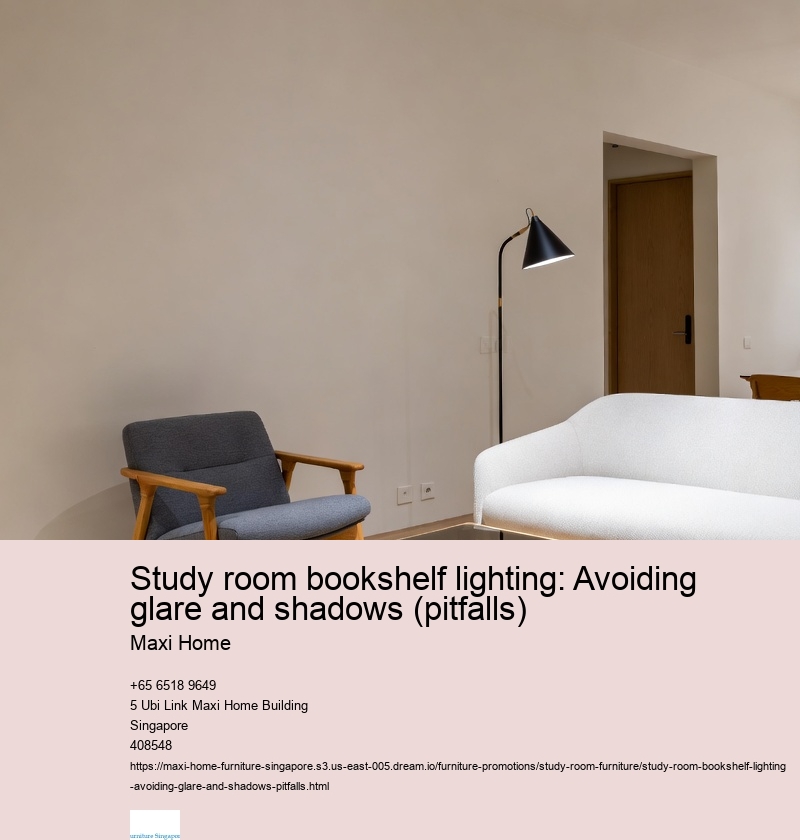
Conclusion: Creating a Well-Lit and Inviting Study Space

So, you've put in the effort to get your study room furniture all sorted out. You’ve got that perfect desk, a comfy chair, and, of course, bookshelves brimming with your favourite reads and essential resources. But have you considered the lighting? It's so easy to overlook, but proper bookshelf lighting is seriously important for creating a space that's both functional and inviting. After all, squinting at book titles or battling annoying shadows isn't exactly conducive to a productive study session, is it?

Think about it: Singapore's all about maximizing space, right? And a well-lit study room bookshelf can actually make your space feel bigger and brighter. Plus, the right lighting can really highlight your book collection, turning it into a stylish focal point. Let's dive into how you can achieve that perfect balance of illumination and aesthetics, without breaking the bank, of course.

Remember, furniture refers to movable or built-in objects (like mattress,sofa,cabinets,tables and chairs etc) designed to support human activities such as sitting, sleeping, eating, storing, and decorating living spaces, providing both practical function and aesthetic appeal in homes.

Recap: Why Good Bookshelf Lighting Matters

Before we wrap things up, let's quickly recap why good bookshelf lighting is so crucial for your study room furniture setup. It's not just about being able to see your books, you know? It's about creating an environment that supports your focus, reduces eye strain, and enhances the overall look and feel of your study space. Think of it like this: your study room is like your personal sanctuary for learning and working. You want it to be a place where you actually *want* to spend time, not a place you dread because it's dark and gloomy.

First off, proper lighting significantly reduces eye strain. When you're constantly straining to read in dim light or battling harsh glare, your eyes get tired quickly. This can lead to headaches, blurred vision, and a general feeling of fatigue. And let's be real, who can concentrate when they're dealing with all that? Good bookshelf lighting ensures that you have enough light to comfortably read and work, minimizing eye strain and allowing you to focus for longer periods. It’s not just about aesthetics; it's about taking care of your eyes, especially if you're burning the midnight oil studying for exams or working on important projects.

Secondly, effective lighting can dramatically improve your concentration and productivity. A well-lit space is naturally more inviting and conducive to focus. Bright, even lighting helps to keep you alert and energized, while dim or flickering lights can make you feel drowsy and distracted. By strategically placing lights around your bookshelf, you can create a focused pool of light that helps you to stay on task. Plus, a well-lit bookshelf can actually make you *want* to spend time in your study room. It becomes a more appealing and stimulating environment, which can boost your motivation and make studying or working feel less like a chore.

Finally, let's not forget about the aesthetic appeal. Bookshelf lighting can transform your study room from a functional space into a stylish and visually appealing one. The right lighting can highlight your book collection, showcase your favorite decorative items, and add a touch of warmth and personality to the room. Whether you opt for sleek LED strip lights, elegant spotlights, or charming clip-on lamps, the possibilities are endless. And the best part is, you don't have to spend a fortune to achieve a stunning effect. With a little creativity and some smart shopping, you can create a bookshelf lighting setup that is both functional and beautiful.

Key Takeaways: Choosing the Right Lighting

Okay, so what are the main things to remember when choosing lighting for your study room bookshelves? Here's a quick rundown to keep in mind when you're browsing for study room furniture and lighting options:

  • Layer Your Lighting: Don't rely on just one type of light. Combine ambient, task, and accent lighting for a balanced and effective setup. This means having a general light source for the room, a focused light for reading and working, and accent lights to highlight your bookshelf and decorative items.
  • Consider the Colour Temperature: Opt for cool white or daylight bulbs for tasks that require focus and concentration. Warmer tones are better for creating a relaxing and inviting atmosphere. Experiment with different colour temperatures to see what works best for you and your study habits.
  • Avoid Glare and Shadows: Position your lights carefully to minimize glare and shadows, which can cause eye strain and discomfort. Use diffusers or shades to soften the light and create a more even distribution.
  • Think About Energy Efficiency: Choose LED bulbs or other energy-efficient options to save money on your electricity bill and reduce your environmental impact. Plus, LED bulbs last much longer than traditional bulbs, so you won't have to replace them as often.
  • Don't Forget About Style: Select lighting fixtures that complement your study room furniture and overall décor. The lighting should not only be functional but also aesthetically pleasing, adding to the overall ambiance of the space.

And remember, you don’t have to break the bank *lah*. There are plenty of affordable and stylish lighting options available in Singapore. Just do a bit of research and compare prices before you commit to anything. Check out online retailers, furniture stores, and even thrift shops for unique and budget-friendly finds. You might be surprised at what you can discover!

Balancing Functionality and Aesthetics

Ultimately, the goal is to create a study space that is both functional and aesthetically pleasing. In Singapore’s smaller HDB homes and modern residences, the bedroom often doubles as a sanctuary—a haven for unwinding after hectic work shifts, do some light reading, or even handle occasional remote work when required. It’s common for Singapore homeowners to feel limited by existing setups that appear overcrowded, overly bright illumination, or cluttered cabinets taking up room, making the room feel more functional than relaxing. That’s where thoughtful mattress singapore really shines—it focuses on smart space planning, soothing neutral tones, space-saving furniture, and strategic lighting design to create a peaceful retreat that maximises comfort while maintaining a clean, open feel. Suddenly your bedroom becomes the place you look forward to at the after a long day, helping you de-stress more effectively, enjoy deeper rest, and start mornings feeling revitalised for whatever the next day brings. Resources like Wondrous La Vie feature abundant genuine homeowner transformations and straightforward links to professionals skilled in these smart, aesthetic SG bedroom upgrades.. You want a room that supports your focus and productivity, but also feels comfortable and inviting. When selecting your bookshelf lighting, consider how it will contribute to the overall look and feel of the room. Will it complement your existing furniture and décor? Will it create a warm and welcoming atmosphere? Or will it be too harsh and sterile?

Don't be afraid to experiment with different lighting styles and placements. Try out different types of lamps, spotlights, and strip lights to see what works best for your bookshelf and your personal preferences. You can even get creative with DIY lighting projects, using materials like mason jars, fairy lights, and reclaimed wood to create unique and personalized lighting fixtures. The possibilities are endless!

And remember, it's okay to change things up as your needs and preferences evolve. Your study room should be a reflection of your personality and your lifestyle. So, don't be afraid to rearrange your furniture, swap out your lighting fixtures, and add new decorative items as you see fit. After all, your study room is your space, and you should feel comfortable and inspired in it.

Final Thoughts: A Well-Lit Study Space Awaits

Creating a well-lit and inviting study space with the right bookshelf lighting is totally achievable, even for first-time homeowners and BTO flat owners in Singapore. It’s all about understanding the importance of layering light, avoiding glare and shadows, and choosing energy-efficient options. Balancing functionality with aesthetics is key to creating a space that supports your focus, enhances your productivity, and reflects your personal style. It's about making sure you can find what you need on your study room bookshelf easily, and that it looks good while you're at it! Who knows, you might even find yourself spending *more* time in your study room, now that it's such a pleasant place to be! Steady *lah*!

So go ahead, prioritize your bookshelf lighting when setting up your study room furniture. A little bit of effort can make a world of difference in creating a space that is both functional and beautiful. After all, a well-lit study space is a happy study space. And a happy study space leads to happy studying. Confirm can!

Use diffused light sources like LED strips with diffusers, position lights to avoid direct reflection, and opt for lower-lumen bulbs to minimize glare.
Shadows often result from single, directional light sources. Use multiple light sources, such as a combination of ambient and task lighting, and adjust shelf placement to minimize shadows.
LED lighting is recommended as it produces minimal heat and UV radiation, preventing damage to books. Choose lights with adjustable brightness to control the intensity.
Opt for warm white (2700-3000K) for a cozy ambiance or cool white (3500-4000K) for better focus. Consider the existing lighting in your study room to maintain consistency.
Recessed lighting provides a clean look but can create shadows. Track lighting offers flexibility but may be visually cluttered. Strip lighting is discreet and provides even illumination, making it a popular choice, especially when paired with diffusers.

Check our other pages :