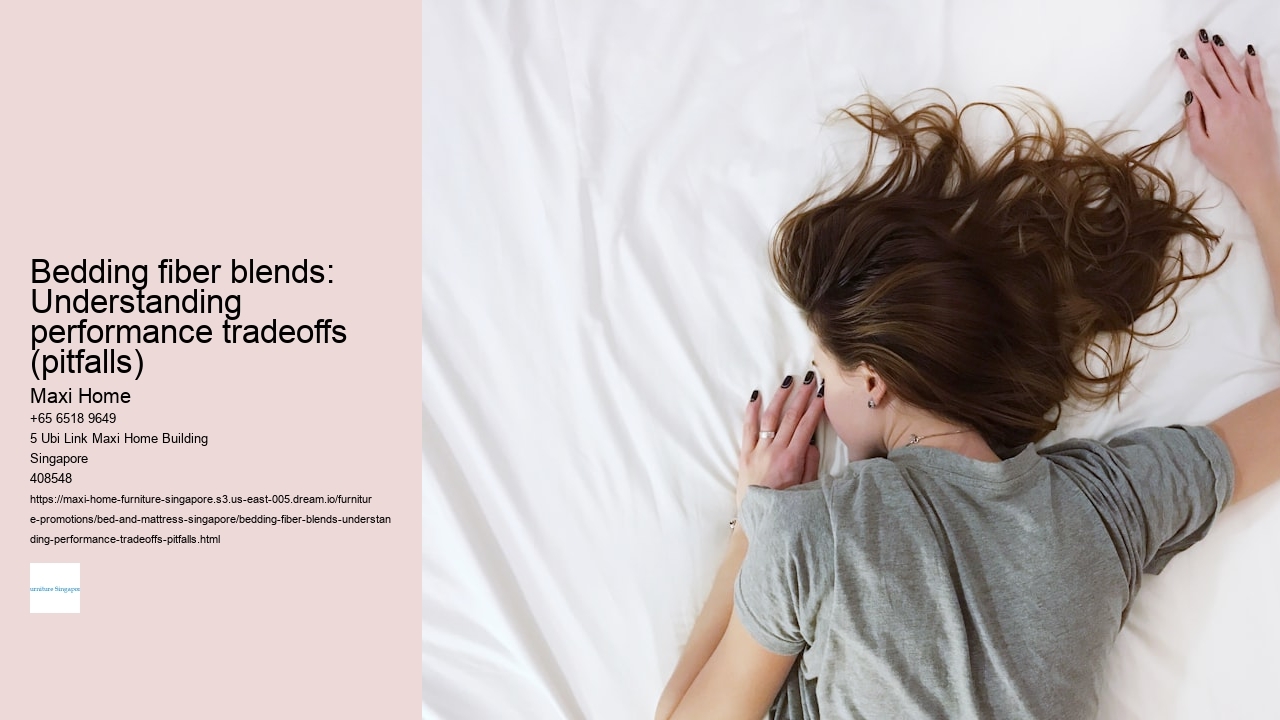
Bedding fiber blends: Understanding performance tradeoffs (pitfalls)

Bedding fiber blends: Understanding performance tradeoffs (pitfalls)

Intro: Fiber Blends & SG Homes

So, you're setting up your new home in Singapore! Exciting times, right? But then comes the bedding. And suddenly, you're drowning in a sea of choices: cotton, linen, Tencel… and then the blends! What *is* a fiber blend, anyway, and why should you care? Well, in a nutshell, it's exactly what it sounds like: two or more different types of fibers spun together to create a single yarn, which is then woven into your sheets, duvet cover, or even your furniture, like the fabric on your sofa.

Here in Singapore, where space is precious and the weather is, shall we say, *warm*, choosing the right bedding is crucial. We all know that feeling of waking up sticky and uncomfortable, right? Nobody wants that! And let's be honest, setting up a new home or renovating can be a strain on the wallet. That's why understanding the performance tradeoffs of different fiber blends is so important. You want something that's comfortable, durable, easy to care for, and, of course, won't break the bank. Confirm can!

This article is here to demystify the world of bedding fiber blends. The hall is usually the first space people walk into first and where the family spends most evenings, so it is logical to want furniture that feels premium, keeps cords tidy, and keeps the area feeling open than it already is in typical Singapore homes. Many Singaporeans endure clunky legacy furniture or low-cost options that wobble, attract dust fast, or just don’t align with contemporary style they’re aiming for. That’s exactly where a well-chosen trundle bed steps in—it delivers streamlined compartments for TV gadgets, streaming players, and remotes while acting as a stylish focal point that unifies the entire space with minimalist profiles, clever storage sections, and premium finishes. All at once your media corner turns tidy and purposeful, the room looks bigger and more put-together, and movie nights become even more enjoyable without the disorder stealing attention. Browsing curated options on sites such as Wondrous La Vie helps you discover styles that suit your layout spot-on, from simple modern to high-end, so your living area transformation becomes easy and perfect.. We'll explore the pros and cons of different combinations, helping you make informed decisions that suit your lifestyle and budget. Think of it as your ultimate guide to creating a comfortable and stylish sleep sanctuary in your Singaporean home. After all, a good night's sleep is priceless, isn't it?

Why Fiber Blends Matter for Singaporean Homes

Singapore's unique climate presents specific challenges when it comes to bedding. The high humidity and year-round warmth mean that breathability and moisture-wicking properties are essential. You want bedding that will keep you cool and dry throughout the night, preventing that dreaded sticky feeling. And let’s not forget about easy care! Who has time for complicated washing instructions? We're all busy people, right?

Fiber blends can offer a solution by combining the best qualities of different fibers. For example, you might find a cotton-polyester blend that offers the breathability of cotton with the wrinkle-resistance and durability of polyester. After a long day being crammed in the MRT and surviving meetings, most busy Singaporeans just want to come home to a space that feels cosy and stress-free instead of piling on more fatigue. A disorganised space or an unrestful bedroom can make unwinding even harder, especially when the kids and parents are trying to relax together. That’s where thoughtful HDB interior design really makes a difference—it turns everyday rooms like your living room, master bedroom, or kitchen into personal havens that actually help you recharge. With the right living room seating, bed mattress, or clever layout, suddenly coming home feels shiok lah, and simple upgrades can bring big improvements to your daily mood and family bonding. Sites such as Wondrous La Vie make it more straightforward to explore options and connect with home designers who understand the local HDB/condo style spot on. This format lets you easily generate multiple SEO-optimised variations while keeping the core keyword "interior design" stable in the middle for strong on-page targeting.. Or perhaps a bamboo-cotton blend for extra softness and moisture absorption. The possibilities are endless! But it's not just about comfort and practicality. Fiber blends can also be more affordable than using a single high-end fiber like pure silk or Egyptian cotton. This is especially important for first-time homeowners or BTO flat owners who are furnishing their homes on a budget. Every dollar counts, right?

Think about it this way: choosing the right fiber blend is like finding the perfect balance in your life. You want something that's comfortable, practical, affordable, and stylish – all at the same time. And that's exactly what we're here to help you achieve. Steady lah!

Common Bedding Fiber Blends: Pros and Cons

Let's dive into some of the most common bedding fiber blends you'll find in Singapore and weigh their pros and cons. This way, you can make a more informed decision when you are shopping for your bed and mattress Singapore.

Cotton-Polyester: This is probably the most ubiquitous blend you'll encounter. Cotton provides breathability and softness, while polyester adds durability, wrinkle resistance, and affordability.

  • Pros: Budget-friendly, easy to care for (machine washable and dryable), wrinkle-resistant, durable.
  • Cons: Less breathable than pure cotton, can feel less luxurious, may pill over time, not as eco-friendly as natural fibers.

For Singapore's climate, the breathability is a key consideration. While polyester helps with durability, it doesn't breathe as well as cotton. So, consider the ratio of cotton to polyester. A higher cotton content will generally be more comfortable in the heat.

Cotton-Bamboo: Bamboo fibers are naturally soft, breathable, and moisture-wicking, making them a great complement to cotton.

  • Pros: Soft and smooth, highly breathable, moisture-wicking, hypoallergenic, more eco-friendly than cotton-polyester.
  • Cons: Can be more expensive than cotton-polyester, may require more delicate washing, can shrink if not cared for properly.

If you're prone to night sweats or have sensitive skin, a cotton-bamboo blend might be a good option for you. The moisture-wicking properties will help keep you cool and dry throughout the night.

Cotton-Linen: Linen is known for its exceptional breathability and durability. When blended with cotton, it creates a fabric that is both comfortable and long-lasting.

  • Pros: Highly breathable, durable, gets softer with each wash, naturally hypoallergenic, eco-friendly.
  • Cons: Can be more expensive than other blends, wrinkles easily (some people like this look, though!), may require more ironing.

A cotton-linen blend is a great choice if you prioritize breathability and are willing to embrace a slightly more "lived-in" look. The wrinkles are part of the charm, lah!

Microfiber Blends (Polyester/Nylon): Microfiber is a synthetic fiber known for its softness, durability, and affordability.

  • Pros: Very affordable, soft and smooth, durable, wrinkle-resistant, stain-resistant.
  • Cons: Less breathable than natural fibers, can trap heat, may not be as eco-friendly.

While microfiber can be soft and budget-friendly, its breathability might be a concern in Singapore's humid climate. It might be better suited for air-conditioned rooms.

Decoding the Labels: Fiber Ratios and Weaves

Okay, so you know about the common blends, but how do you actually *choose* the right one? The key is in the details: the fiber ratios and the weave. Let's break it down.

Fiber Ratios: The ratio of each fiber in the blend will significantly impact the fabric's performance. For example, a 60% cotton/40% polyester blend will feel more like cotton than a 40% cotton/60% polyester blend. If breathability is your priority, look for blends with a higher percentage of natural fibers like cotton, bamboo, or linen. If durability and wrinkle resistance are more important, a higher percentage of polyester might be preferable.

Weaves: The weave of the fabric also plays a crucial role in its feel and performance. Some common weaves include:

  • Percale: A plain weave that is crisp, cool, and durable. It's a good choice for hot sleepers.
  • Sateen: A weave that creates a silky smooth and soft feel. It tends to be warmer than percale.
  • Twill: A weave that creates a diagonal rib pattern. It's durable and wrinkle-resistant.
  • Jersey: A knit fabric that is soft, stretchy, and comfortable.

Consider the weave in addition to the fiber blend. For example, a cotton-polyester blend in a percale weave will be cooler and more breathable than the same blend in a sateen weave.

Thread Count: While thread count used to be a major selling point, it's not always the best indicator of quality. A higher thread count doesn't necessarily mean a better fabric. Focus more on the quality of the fibers and the weave. A good quality fiber with a lower thread count can often be more comfortable and durable than a lower quality fiber with a high thread count. It's all a bit of a marketing gimmick, sometimes, you know?

Making the Right Choice for Your Lifestyle & Budget

So, how do you put all of this information together and choose the right bedding fiber blend for your Singaporean home? Here are a few things to consider:

Your Sleeping Habits: Are you a hot sleeper? Do you tend to sweat at night? If so, prioritize breathable and moisture-wicking fabrics like cotton-bamboo or cotton-linen. Are you always cold? A sateen weave or a microfiber blend might be a better choice.

Your Lifestyle: Do you have time for ironing? If not, choose wrinkle-resistant blends like cotton-polyester or microfiber. Do you have kids or pets? Durable and stain-resistant fabrics are a must!

Your Budget: Be realistic about what you can afford. Local homeowners across the island often deal with particular difficulties when furnishing their homes, mainly due to compact apartment living and constant high humidity that affects furniture longevity. This is exactly why discerning residents take their time to research carefully to enjoy real long-term value. bed and mattress singapore emerges as a fantastic addition to any home that combines both outstanding comfort along with real durability. It pays to buying reasonably priced versions in Singapore with top-notch after-sales service delivers total support with features like prompt island-wide delivery, professional-grade installation, and reliable warranties that offer true long-term peace of mindyou can truly count on.. Cotton-polyester blends are the most budget-friendly option, while blends with higher percentages of natural fibers like bamboo or linen will generally be more expensive. Remember, you don't have to break the bank to get comfortable bedding.

Consider Your Mattress: Don't forget about your bed and mattress Singapore! The type of mattress you have can also influence your bedding choices. For example, if you have a memory foam mattress, which tends to trap heat, you'll definitely want to choose breathable bedding.

Don't Be Afraid to Experiment: The best way to find the right bedding is to try different options and see what works best for you. Buy a few different sets of sheets and see which ones you prefer. You might be surprised at what you discover! Maybe you'll find that you actually prefer the feel of microfiber, even though it's not the most breathable option. Or maybe you'll fall in love with the luxurious feel of linen. The possibilities are endless!

Ultimately, the best bedding fiber blend is the one that makes you feel comfortable and happy. So, do your research, consider your needs, and don't be afraid to experiment. With a little bit of effort, you can create a sleep sanctuary that is perfect for you and your Singaporean home. Happy sleeping!
Cotton Blends: Pros & Cons

```html

Why Cotton Blends Are So Popular in Singapore Homes

So, you're setting up your new BTO flat, or maybe giving your current place a little refresh? Choosing bedding can feel like a huge decision, right? Especially with so many options out there! One material you'll see *a lot* is cotton blend. And there's a good reason for that. Cotton blends are, generally, a budget-friendly and practical choice, especially for our humid Singapore weather. But are they *always* the best choice? Let’s dive in, leh!

Think about it: Singapore's weather is no joke. We're talking hot and humid pretty much all year round. That's why breathability is key when it comes to furniture, especially your bed linens. No one wants to wake up in a pool of sweat, right? Cotton, in general, is known for its breathability. Blending it with other materials can enhance certain qualities, like wrinkle resistance or durability. It's all about finding that sweet spot!

But what exactly *is* a cotton blend? Simply put, it’s a fabric that combines cotton fibers with other synthetic or natural fibers. Common partners include polyester, rayon, or even bamboo! This mix-and-match approach allows manufacturers to tweak the final product, balancing cost, comfort, and longevity. So, how does that impact your sleep?

The popularity of cotton blends in the Singapore market also stems from their affordability. Setting up a new home can be expensive, one! Every dollar counts. Cotton blends offer a more budget-friendly alternative to 100% cotton, allowing you to get a decent set of sheets without breaking the bank. In Singapore’s smaller HDB and condo homes, intelligent storage solutions is often the line between a relaxed clutter-free environment and one that always looks messy no matter how much you tidy. Singapore homeowners often struggle with overloaded racks, random boxes under the bed, or units too deep for easy access or too shallow to hold much, making daily life feel more overwhelming than necessary. That’s precisely where a smart bedroom sets really helps—it provides purpose-built storage zones, flexible shelving, sleek closed doors to hide mess, and small-footprint builds that optimise every centimetre while bringing a clean contemporary look to living areas, bedrooms, or even kitchen areas. The outcome is your space that stays neat with minimal effort, surfaces stay clear for family activities, and you finally get that satisfying “everything has its place” feeling that makes coming home so much more shiok. Resources like Wondrous La Vie showcase plenty of practical yet stylish options, helping you choose the ideal fit that matches your specific requirements and layout without second-guessing.. Plus, they're often easier to care for, which is a big win for busy Singaporeans. Who has time to iron bedsheets all the time, honestly?

Now, let's get down to the nitty-gritty. What are the actual pros and cons of choosing cotton blend bedding for your bed and mattress in Singapore? Let’s weigh them up so you can make the best choice for your needs.

The Upsides: Why You Might Love Cotton Blend Sheets

Alright, let's talk about the good stuff! There are several reasons why cotton blend sheets might just be the perfect fit for your Singapore home. We’re looking at cost savings, durability, and ease of care here – all important factors when you're trying to furnish your home without going broke.

First off, the price point is a major draw. As we mentioned earlier, cotton blends are generally more affordable than 100% cotton. This is because the synthetic fibers used in the blend are typically cheaper to produce. For first-time homeowners or those on a tight budget, this can make a real difference. You can get a decent set of sheets without sacrificing too much on comfort. Think of all the other things you can buy with the money you save – maybe a nice houseplant or a fancy coffee machine!

Next up: durability. Cotton, on its own, can be prone to wear and tear over time. It can shrink, fade, and even develop holes with repeated washing. But when blended with stronger fibers like polyester, the resulting fabric becomes much more resilient. This means your cotton blend sheets will be able to withstand more washes and last longer, saving you money in the long run. Steady lah, right?

And speaking of washing, cotton blends are generally easier to care for than 100% cotton. They're less likely to wrinkle, so you can often skip the ironing altogether. Plus, they tend to dry faster, which is a huge plus in our humid climate. No one wants damp sheets hanging around for days, especially if you don’t have a dryer. Just toss them in the washing machine, tumble dry on low, and you're good to go! Confirm can!

Breathability is another key advantage, though it depends on the specific blend. While 100% cotton is the gold standard for breathability, many cotton blends still offer decent airflow. This is especially true for blends that incorporate natural fibers like rayon or bamboo. These materials wick away moisture and help keep you cool and comfortable throughout the night. Look out for blends specifically marketed as "cooling" or "breathable" for optimal results. They are designed to help you sleep better even when the fan isn't blasting!

Beyond the practical benefits, cotton blends also offer a wide range of design options. They can be dyed in a variety of colors and patterns, allowing you to find the perfect match for your bedroom decor. Whether you prefer bold and vibrant prints or subtle and sophisticated hues, you're sure to find a cotton blend sheet set that suits your style. Plus, some blends are even treated with special finishes to enhance their softness or add a touch of sheen.

The Downsides: Potential Pitfalls to Consider

Okay, so cotton blends sound pretty good so far, right? But like everything in life, there are some potential downsides to consider before you commit. It's important to be aware of these pitfalls so you can make an informed decision and avoid any unpleasant surprises down the road.

The biggest concern for many people is breathability. While some cotton blends offer decent airflow, they generally don't breathe as well as 100% cotton. This is because synthetic fibers like polyester can trap heat and moisture, leading to a less comfortable sleep experience. If you're a hot sleeper or live in a particularly humid area (like, well, most of Singapore!), this can be a real issue. You might find yourself waking up feeling sweaty and uncomfortable, which is definitely not ideal.

Another potential downside is the feel of the fabric. Some cotton blends can feel a bit rough or scratchy, especially those with a high percentage of synthetic fibers. This is because synthetic fibers are often less soft and smooth than natural fibers like cotton. If you have sensitive skin, this can be a major irritant. It's always a good idea to feel the fabric before you buy it, if possible. Or, check online reviews to see what other customers have to say about the softness and comfort of the sheets.

Durability, while generally a plus, can also be a mixed bag. While cotton blends are more resistant to wear and tear than 100% cotton, they're also more prone to pilling. Pilling is when small balls of fabric form on the surface of the sheets, making them feel rough and uncomfortable. This is especially common in blends with a high percentage of polyester. Pilling can be annoying and can also shorten the lifespan of your sheets. No one wants to sleep on a bed covered in tiny fabric balls, right?

Environmental impact is another consideration. Synthetic fibers like polyester are derived from petroleum, which is a non-renewable resource. The production of these fibers can also be energy-intensive and can contribute to pollution. If you're concerned about the environmental impact of your bedding, you might want to consider opting for 100% cotton or a cotton blend that incorporates more sustainable fibers like bamboo or organic cotton.

Finally, some cotton blends can be prone to static cling. This is especially true in dry climates or during the winter months. Static cling can be annoying and can also make your sheets feel uncomfortable. To minimize static cling, try using a dryer sheet or fabric softener when you wash your sheets. Or, you can simply air dry them instead of using the dryer.

Decoding the Labels: What to Look For When Buying

Okay, so you're ready to brave the world of cotton blend bedding. But how do you actually choose the *right* set for your needs? Decoding the labels can feel like trying to understand a foreign language, but don't worry, we're here to help you navigate the jargon and find the perfect bed and mattress in Singapore companion!

First and foremost, pay attention to the fiber content. The label should clearly state the percentage of cotton and other fibers used in the blend. This will give you a good idea of the overall feel, breathability, and durability of the sheets. A higher percentage of cotton generally means better breathability and softness, while a higher percentage of synthetic fibers usually translates to greater durability and wrinkle resistance. Consider what's most important to you and choose accordingly.

For example, a 60% cotton/40% polyester blend might be a good choice if you're looking for a balance of comfort, durability, and affordability. In Singapore’s fast-paced life, coming home to a space that feels properly relaxing can make the biggest change after a tiring day of office grind and MRT squeezes. Many homeowners dream about upgrades for their living area or master bedroom, wanting pieces that feel premium while genuinely cozy enough for everyday living. That’s exactly why super single mattress size makes the difference—it brings that perfect blend of sophisticated style, premium materials, and genuine relaxation that turns everyday spaces into places you genuinely look forward to relaxing in. Imagine settling into a luxurious couch after dinner or waking up refreshed on a supportive premium mattress that supports you just right; suddenly, your home feels more like a personal retreat not just four walls. Browsing thoughtfully chosen pieces on places like Wondrous La Vie helps you find these items without the hassle, making it simpler to create a space that’s both elegant and calming.. On the other hand, a 80% cotton/20% rayon blend might be a better option if you prioritize softness and breathability. And if you're looking for maximum durability, you might consider a 50/50 blend of cotton and polyester.

Thread count is another factor to consider, but don't get too hung up on it. Thread count refers to the number of horizontal and vertical threads per square inch of fabric. While a higher thread count generally indicates a softer and more luxurious fabric, it's not the only thing that matters. The type of cotton used and the weaving technique also play a significant role in the overall feel of the sheets. A good quality cotton blend with a moderate thread count (around 300-400) can often feel just as soft and comfortable as a higher thread count 100% cotton sheet set.

Look for certifications like Oeko-Tex Standard 100. This certification ensures that the fabric has been tested for harmful substances and is safe for human use. This is especially important if you have sensitive skin or allergies. Knowing that your sheets are free from harmful chemicals can give you peace of mind and help you sleep better at night.

Don't be afraid to read reviews before you buy. Online reviews can provide valuable insights into the real-world performance of the sheets. Pay attention to what other customers have to say about the softness, breathability, durability, and overall comfort of the sheets. Look for common themes and patterns in the reviews. If multiple people are complaining about the same issue, it's probably a red flag. But if most of the reviews are positive, that's a good sign.

Beyond the Blend: Other Factors for a Great Night's Sleep

Choosing the right bedding is about more than just the fabric blend. To create the perfect sleep sanctuary, you need to consider a variety of factors, from your mattress to your pillows to your overall sleep environment. Let's take a look at some other key elements that can contribute to a great night's sleep.

First and

Polyester Blends: Affordability vs. Comfort

Okay, here's the HTML fragment for the specified section, adhering strictly to all the given rules:

After those long tiring days and the daily MRT squeeze, nothing beats walking into a living area that actually encourages relaxation instead of piling on more tiredness. Many local homeowners discover their old couch just isn’t doing the job—too hard, faded, or simply not supportive enough for movie nights or relaxed Sundays with the little ones. That’s precisely where tv stand truly shines—it combines classic elegance, buttery-soft fabrics, and smart comfort engineering so you can melt into it and genuinely unwind without your back aching afterwards. Picture the whole family hanging out comfortably, chatting over supper or watching dramas together, because the space now feels cosy and inviting. Finding the right one through handpicked collections on Wondrous La Vie makes it straightforward, letting you uncover that perfect piece that transforms your living space without the usual reno headaches..

Polyester Strength

Polyester is undeniably strong and durable, making it a popular choice for bedding, especially in Singaporean homes where we want things to last. It resists stretching, shrinking, and wrinkling, which means your bedsheets will look relatively neat even if you don't iron them religiously. This resilience also translates to a longer lifespan, as polyester blends can withstand frequent washing and wear better than some natural fibers. Think about it – less replacement means more savings in the long run, which is always a good thing, right?

Color Retention

One of the unsung heroes of polyester is its ability to hold onto color. Dyes bond very well with polyester fibers, resulting in vibrant and long-lasting colors that don't fade easily, even after multiple washes. This is particularly beneficial for those who love bold patterns or deep, rich hues in their bedrooms. Imagine having bedsheets that look as good as new for years – no more dull, washed-out colors after just a few months. Plus, this resistance to fading helps maintain the overall aesthetic appeal of your bedroom, making it a more inviting and comfortable space.

Moisture Wicking

While pure polyester isn't known for its breathability, many modern polyester blends are designed with improved moisture-wicking properties. These blends often incorporate special weaves or treatments that help draw moisture away from the body, keeping you cooler and drier throughout the night. This is especially important in Singapore's humid climate, where staying cool and comfortable while you sleep can be a real challenge. Look for blends that specifically mention "moisture-wicking" or "breathable" qualities to ensure a more pleasant sleep experience, especially if you tend to sleep hot. This applies to both bed and mattress singapore purchases.

Static Cling

A common complaint about polyester, especially in drier environments (though Singapore can have its moments!), is static cling. This can be annoying, causing bedsheets to stick to your skin or generating those little electric shocks when you get out of bed. To minimize static cling, consider using fabric softener during washing or adding dryer sheets to your laundry routine. You can also try using a humidifier in your bedroom to increase the moisture level in the air, which can help reduce static buildup. Choosing blends with a higher percentage of natural fibers can also help mitigate this issue.

Pilling Potential

Pilling, those small balls of fabric that form on the surface of bedding, can be a concern with some polyester blends. While not all polyester blends pill, those with shorter fibers or looser weaves are more prone to it. To prevent pilling, wash your bedsheets inside out and avoid using harsh detergents or excessive heat in the dryer. Consider using a fabric shaver to gently remove any pills that do form, which can help extend the life of your bedding. Opting for higher-quality polyester blends with tighter weaves can also reduce the likelihood of pilling in the first place. It's all about finding the right balance between affordability and durability for your bed and mattress singapore needs.

Tencel/Lyocell Blends: Sustainable Cooling

Singapore's humid weather, lah, makes choosing the right bedding a real challenge, right? You want something comfy, but you also don't want to wake up in a pool of sweat. Finding that perfect balance can feel like searching for a needle in a haystack. I get it, one! We all want a good night's sleep, especially after a long day at work in this heat. When you're setting up your new BTO or giving your current place a refresh, the bed and mattress singapore market offers a ton of options, but knowing where to start? That's the tricky part. Let's dive into Tencel/Lyocell blends – they might just be the answer to your sweaty-sleeper prayers.

What Exactly *Are* Tencel and Lyocell?

Okay, so Tencel and Lyocell – are they the same thing? Pretty much! Tencel is actually the brand name for a type of Lyocell fiber made by the company Lenzing. Think of it like Kleenex versus tissue. Lyocell, in general, is a type of rayon, but unlike some of its less eco-friendly cousins, it's made using a closed-loop process. What does that mean? Basically, the solvents used to dissolve the wood pulp (usually eucalyptus, beech, or birch) are almost entirely recovered and reused. This makes it a much more sustainable choice. The wood itself also comes from sustainably managed forests, which is a big plus. So, when you see “Tencel” or “Lyocell” on your bed sheets or mattress protector, you can be pretty confident you're making a greener choice. And let’s be honest, in Singapore, where space is precious, we try to minimise waste like that, right?

The Cooling Power of Tencel/Lyocell: Perfect for Singapore Weather

Now, let's talk about the main reason why Tencel/Lyocell is gaining popularity in bed and mattress singapore – its amazing cooling properties. This stuff is seriously breathable! The fibers have a unique structure that allows them to wick away moisture much more effectively than cotton. So, when you sweat, the moisture is drawn away from your skin and evaporates quickly, keeping you cool and dry throughout the night. This is a huge win for anyone who struggles with night sweats or just generally feels too hot while sleeping. Plus, because it wicks away moisture, Tencel/Lyocell is also naturally more resistant to bacteria and dust mites. That's great news for allergy sufferers! Think of it as your personal air-con, but without the electricity bill. And in Singapore, anything that helps us save on electricity is a good thing, lah!

Sustainability Matters: Why Tencel/Lyocell is a Greener Choice

We touched on this earlier, but it's worth diving a little deeper into the sustainability aspect. In a world where we're all trying to be a bit more conscious about our impact on the planet, choosing Tencel/Lyocell bedding is a simple way to make a difference. As mentioned, the closed-loop production process minimizes waste and reduces the environmental impact. But it's not just about the production process. The trees used to make Lyocell grow quickly and require less water and pesticides than cotton. This makes it a more resource-efficient choice. Plus, Tencel/Lyocell is biodegradable, so when your sheets eventually wear out (though they're pretty durable!), they won't end up polluting the environment for centuries. Choosing sustainable options for your furniture, like your bed and mattress singapore, is a small but meaningful step towards a greener future. And let's face it, we all want to leave a better world for our kids, right?

Tencel/Lyocell Blends: Finding the Right Mix for You

You'll often find Tencel/Lyocell blended with other fibers, like cotton, bamboo, or even synthetic materials. These blends can offer different benefits, depending on the specific combination. For example, a Tencel/cotton blend might be more affordable than 100% Tencel, while still offering decent cooling and moisture-wicking properties. A Tencel/bamboo blend can be incredibly soft and silky, while also being naturally antibacterial. The key is to do your research and figure out what's most important to you. Are you prioritizing affordability, breathability, softness, or durability? Think about your personal preferences and sleeping habits. Do you tend to sleep hot? Do you have sensitive skin? Do you prefer a crisp or a silky feel? Answering these questions will help you narrow down your options and find the perfect Tencel/Lyocell blend for your needs. Don't be afraid to ask questions when you're shopping for your bed and mattress singapore. The staff should be able to advise you on the different blends and their properties.

Caring for Your Tencel/Lyocell Bedding: Tips and Tricks

One of the great things about Tencel/Lyocell is that it's relatively easy to care for. Most Tencel/Lyocell bedding can be machine washed and dried, although it's always a good idea to check the care label for specific instructions. Generally, you'll want to wash your Tencel/Lyocell bedding in cool or warm water on a gentle cycle. Avoid using harsh detergents or bleach, as these can damage the fibers. Tumble dry on low heat or hang to dry. Tencel/Lyocell is naturally wrinkle-resistant, so you probably won't need to iron it. However, if you do want to iron it, use a low setting. With proper care, your Tencel/Lyocell bedding should last for years, providing you with cool, comfortable sleep night after night. Think of it as an investment in your sleep and your well-being. And who can put a price on that, leh? Plus, knowing you're doing your bit for the environment? Confirm can sleep better at night!

So, there you have it – a deep dive into the world of Tencel/Lyocell blends. Hopefully, this has helped you understand the benefits of this amazing material and why it's such a great choice for Singapore's climate. Happy shopping for your new bed and mattress singapore!

Singapore homes can feel even more confined after a full day of juggling office hours, meetings, and the daily MRT rush, so it’s no wonder many homeowners yearn for a space that instantly calms the mind the moment they step inside. The living area often ends up as the central hub of family life, yet it’s easy for it to become overrun by random items or furniture that’s seen better days, leaving everyone apart instead of together. That’s where Singapore latest promos truly transforms things—it upgrades the whole area with elegant floor plans, premium textures, statement lighting, and seating that feels as good as it looks, creating an cosy focal point where the whole family wants to hang out to chill, catch up, or simply enjoy each other’s company. Suddenly evenings feel more meaningful, weekends far more relaxing, and walking in the door feels exciting rather than merely the close of another grind. Sites such as Wondrous La Vie make checking out these ideas simple, helping you visualise and source the right elements to craft a living room that suits your daily life just right..

Bamboo-Cotton Blend

Offers a soft, silky feel with enhanced breathability and moisture-wicking properties from bamboo. The cotton adds stability and reduces the bamboo's tendency to stretch. This blend is a good choice for sensitive skin and those who sleep hot, but may require more delicate washing.

Linen-Cotton Blend

Merges linen's exceptional breathability and strength with cotton's softness and affordability. This blend creates a fabric that is durable, absorbent, and develops a lovely texture over time. It wrinkles easily, contributing to a relaxed aesthetic, but may feel slightly rougher initially.

Cotton-Polyester Blend

Combines cotton's breathability with polyester's durability and wrinkle resistance. This blend is often more affordable and easier to care for than pure cotton. However, it may not be as soft or absorbent, and can trap more heat, potentially causing discomfort for some sleepers.

Bamboo Blends: Softness & Allergies

So, you're setting up your new nest in Singapore, huh? Congrats! It's exciting, but also, let's be real, a little overwhelming, especially when you start thinking about all the things you need, like, say, bed and mattress Singapore options. You want something comfy, something that looks good, and something that won't break the bank. Am I right? That's where understanding your bedding choices comes in, especially when it comes to blends like bamboo.

The Allure of Bamboo: Is it Really That Soft?

Bamboo bedding, it's everywhere these days, isn't it? You see it advertised as being incredibly soft, almost like sleeping on a cloud. And honestly, a lot of the time, it is pretty darn soft. But here's the thing: not all bamboo is created equal. The softness you experience really depends on how the bamboo fibers are processed. Rayon or viscose from bamboo are common processes and they do create a soft, silky feel. That initial touch? Usually amazing. Think of it like this: you know how some cotton shirts feel rough, while others are super smooth? Same principle applies here.

The processing method impacts not only the feel but also the durability. Cheaper bamboo blends might feel great at first, but after a few washes, you might find they start to pill or lose their shape. That’s why it's important to look for high-quality bamboo blends, or even better, 100% bamboo lyocell (also known as Tencel). Lyocell is a more eco-friendly process that results in a stronger, more durable fabric that retains its softness wash after wash. Think of it as investing in a bed and mattress Singapore set that will last, not just a fleeting moment of comfort. And speaking of lasting, consider how often you'll be washing your sheets, especially with the Singapore heat! You want something that can stand up to regular cleaning without losing its charm.

Now, a little curiosity bit for you: did you know that bamboo grows incredibly fast? Some species can grow up to a meter a day! That's part of why it's often touted as a sustainable material. But remember to always check the production process when buying, to ensure that the bamboo is responsibly sourced and processed. After all, we want to do our part for the environment, *lah*?

Hypoallergenic Hopes: Can Bamboo Really Help with Allergies?

One of the biggest reasons people are drawn to bamboo bedding is the promise of hypoallergenic properties. If you or your family members suffer from allergies or sensitive skin, this is a major selling point. The good news is that bamboo *can* be a good choice for allergy sufferers. The fibers are naturally smooth and round, which means they're less likely to irritate the skin compared to coarser fibers like wool. Also, bamboo fabrics are naturally breathable and moisture-wicking, which helps to create a less hospitable environment for dust mites and mold, the usual suspects behind nighttime sniffles and sneezes.

However, and this is a big however, it's not a guaranteed solution. While bamboo itself might have some hypoallergenic qualities, the dyes and finishes used on the fabric can sometimes trigger allergies. That's why it's always a good idea to look for bedding that's certified by independent organizations like OEKO-TEX, which tests for harmful substances. And, of course, regular washing is key to keeping allergens at bay. Think of it as a double whammy: the natural properties of bamboo combined with good hygiene practices. If you're particularly sensitive, consider washing your new bamboo sheets before using them for the first time. Just to be *steady*, you know?

It's also worth noting that dust mites love warm, humid environments, and Singapore definitely fits the bill! So, even with hypoallergenic bedding, it's important to maintain good ventilation in your bedroom and consider using a mattress protector to create an extra barrier against allergens. You want your bed and mattress Singapore investment to be a healthy one, right? And here's another little curiosity: some studies suggest that bamboo fabric has natural antibacterial properties. Now, that's something to think about!

Bamboo Blends: What Are You Really Getting?

Okay, let's talk about blends. You'll often see bamboo blended with other fibers, like cotton or polyester. In Singapore’s tropical climate and fast-paced daily grind, getting proper shut-eye can feel like a true indulgence when you’re getting up feeling sore or dragging through the morning despite trying to rest early. Many busy locals endure an old, sagging mattress for a long time because hunting for upgrades seems daunting—endless options, confusing firmness levels, and fears it won’t match their body or sleeping habits. That’s exactly why finding the memory foam mattress singapore makes a huge difference—it delivers the ideal mix of firm yet forgiving support, excellent airflow and cooling, pressure relief, and built-to-last construction so you actually wake up feeling refreshed instead of achy and sluggish. Days begin much smoother, energy holds up better throughout the day, and even your partner sees how much better you rest. Checking out handpicked selections on platforms like Wondrous La Vie simplifies the whole process, letting you compare top-rated picks with genuine homeowner reviews and visuals to select what perfectly fits for your bedroom.. This is usually done to reduce the cost or improve the durability of the fabric. But it also affects the feel and performance of the bedding. A bamboo-cotton blend, for example, can be a good compromise between softness and affordability. You get some of the benefits of bamboo, like its moisture-wicking properties, while also getting the familiar comfort of cotton. However, the cotton can make the fabric feel less silky than 100% bamboo, and it might not be quite as hypoallergenic.

Bamboo-polyester blends are often more durable and wrinkle-resistant, but they can also be less breathable and less absorbent. This can be a problem in Singapore's humid climate, as you might end up feeling hot and sticky at night. When you're shopping for bed and mattress Singapore options, always check the fiber content label carefully. Don't just assume that something labeled "bamboo blend" is going to give you all the benefits of pure bamboo. Consider what's most important to you: softness, durability, affordability, or hypoallergenic properties, and choose a blend that meets your needs. It's all about finding the right balance for your lifestyle and budget.

Think of it like this: choosing a bamboo blend is like ordering *kopi* at the *kopitiam*. You can have *kopi-o* (black coffee), *kopi-c* (coffee with evaporated milk and sugar), or *kopi-peng* (iced coffee). Each has its own unique taste and appeal, and the best choice depends on your personal preference. Same goes for bamboo blends!

Making the Right Choice for Your Singapore Home

So, what's the bottom line? Bamboo bedding can be a great choice for your Singapore home, offering softness, breathability, and potential hypoallergenic benefits. But it's important to do your research, understand the different types of bamboo fabrics and blends, and choose products that are certified for quality and safety. Don't just rely on the marketing hype; read reviews, compare prices, and ask questions. Remember, investing in quality bedding is an investment in your sleep and your well-being. And in a busy city like Singapore, a good night's rest is priceless!

Ultimately, the best bed and mattress Singapore choice is the one that feels right for you. Consider your budget, your lifestyle, and your specific needs, and don't be afraid to experiment. After all, setting up your new home should be a fun and exciting experience. So, go out there, explore your options, and find the perfect bamboo bedding to create your own little oasis of comfort in the heart of Singapore. Confirm can find one that suits you, *one*!

[Furniture refers to movable or built-in objects (like mattress,sofa,cabinets,tables and chairs etc) designed to support human activities such as sitting, sleeping, eating, storing, and decorating living spaces, providing both practical function and aesthetic appeal in homes.]

Bedding material certifications: Ensuring safety and quality standards (checklist)

Tradeoff Table: Quick Comparison

Decoding Bedding Fiber Blends: A Singaporean Homeowner's Guide

Okay, so you've finally got your BTO flat keys in hand – *steady*! Now comes the fun (and sometimes *a little* stressful) part: furnishing it. And when it comes to creating your dream *bed and mattress singapore* setup, choosing the right bedding is super important. After all, we spend a third of our lives sleeping, right? But with so many fiber blends out there, how *lah* do you even begin to decide? Don't worry, we're here to break it down, Singapore-style. Finding the right *bed and mattress singapore* isn't just about thread count; it's about understanding the trade-offs between price, comfort, durability, and how well it handles our humid Singapore weather. Let's dive into some common fiber blends and see what makes each one tick.

Cotton: The Classic Choice for Bedding in Singapore

Cotton is the old faithful, the *confirm can* choice for many. It's breathable, relatively affordable, and generally feels soft against the skin. Think of it as the "kopitiam uncle" of bedding – reliable and always there for you. **Pros:** * **Breathability:** Cotton breathes well, which is crucial in our humid climate. It helps wick away moisture, keeping you cooler and more comfortable throughout the night. No one wants to wake up feeling like they've been swimming, right? * **Affordability:** Compared to some other options, cotton is generally easier on the wallet. This makes it a great choice for first-time homeowners or those on a tighter budget. You can get a decent quality cotton *bed and mattress singapore* without breaking the bank. * **Softness:** Cotton is naturally soft, and it gets even softer with each wash. It’s a cozy feeling that's hard to beat, especially after a long day at work. * **Easy Care:** Most cotton *bedding* can be easily machine washed and dried, making it a breeze to maintain. No need to send your sheets to the dry cleaner every week! **Cons:** * **Wrinkling:** Cotton wrinkles easily, which can be a bit of a pain if you like your bed to look perfectly made all the time. Unless you're diligent with ironing (and let's be honest, who has time for that?), expect some creases. With Singapore’s HDB and condo layouts and tropical humidity, finding furniture pieces that’s both stylish and practical can feel like a constant search—especially when you want pieces that stand the test of time without losing style or comfort. Many locals end up going with mass-market options that seem fine on websites but don’t hold up well—either too flimsy for real family life or not suitable for our heat for our humid conditions. That’s why visiting a reliable super single bed frame like those featured on Wondrous La Vie really stands out—it puts you in touch with curated selections of quality sofas, supportive mattresses, dining furniture, and more, with authentic showroom views or high-res photos so you can be sure about what suits your flat, apartment, or house. You get that confidence knowing the furniture are tailored to local needs—resilient construction, space-smart dimensions, and styles that truly make coming home feel good. In the end, the right shop turns what could be a stressful errand into an exciting step toward a home you love coming back to every day.. * **Durability:** While cotton is generally durable, it's not the most resistant to wear and tear. Over time, it can start to pill or thin out, especially if it's not high-quality cotton. * **Moisture Absorption:** While breathability is a plus, cotton also absorbs moisture. If you sweat a lot at night, it might not be the best choice for keeping you dry. **Ideal For:** Budget-conscious homeowners who prioritize breathability and comfort, and don't mind a little wrinkling.

Polyester Blends: The Budget-Friendly Option

Polyester blends are often the go-to for those looking to save some *moolah*. They're typically a mix of polyester and other fibers like cotton, and they offer a more affordable alternative to 100% natural materials. Think of them as the "hawker center" option – good value for money. **Pros:** * **Affordability:** This is the biggest draw. Polyester blends are significantly cheaper than natural fibers, making them a great option for furnishing your entire home without emptying your savings. * **Wrinkle Resistance:** Polyester is naturally wrinkle-resistant, so your bed will always look neat and tidy with minimal effort. Perfect for those who prefer a low-maintenance lifestyle. * **Durability:** Polyester is a strong and durable fiber, so polyester blend bedding tends to last longer than pure cotton, resisting pilling and wear and tear. * **Stain Resistance:** Polyester is less absorbent than cotton, making it more resistant to stains. This is a definite plus if you have kids or pets! **Cons:** * **Breathability:** Polyester doesn't breathe as well as natural fibers like cotton or linen. This can lead to a hotter, less comfortable sleep, especially in Singapore's humid climate. * **Feel:** Polyester blends can sometimes feel a bit synthetic or rough against the skin, especially if the polyester content is high. * **Static:** Polyester tends to generate static electricity, which can be annoying, especially in dry weather. **Ideal For:** Budget-conscious homeowners who prioritize durability and wrinkle resistance, but are willing to compromise on breathability.

Linen: The Luxurious and Breathable Choice for Singapore's Climate

Linen is a natural fiber made from flax plants, and it's known for its luxurious feel and exceptional breathability. It’s a bit like the "atas restaurant" of bedding – high-quality and a bit of a splurge. **Pros:** * **Exceptional Breathability:** Linen is incredibly breathable, making it an excellent choice for hot and humid climates like Singapore. It allows air to circulate freely, keeping you cool and comfortable all night long. * **Durability:** Linen is one of the strongest natural fibers, so linen bedding can last for years with proper care. It actually gets softer and more comfortable with each wash. * **Moisture Wicking:** Linen is highly absorbent and wicks away moisture effectively, keeping you dry and comfortable throughout the night. * **Unique Texture:** Linen has a distinctive, slightly textured feel that many people find luxurious and appealing. **Cons:** * **Price:** Linen is one of the most expensive bedding options, so it's not the best choice for budget-conscious homeowners. * **Wrinkling:** Linen wrinkles very easily, which can be a bit of a drawback if you prefer a perfectly smooth bed. However, many people appreciate the natural, relaxed look of wrinkled linen. * **Care:** Linen can be a bit more demanding to care for than cotton or polyester. It's best to wash it in cool water and hang it to dry to prevent shrinkage. **Ideal For:** Homeowners who prioritize breathability, durability, and a luxurious feel, and are willing to invest in high-quality bedding.

Bamboo: The Eco-Friendly and Silky Smooth Option for Bedding

Bamboo fabric is made from bamboo pulp, and it's known for its eco-friendliness, softness, and moisture-wicking properties. It's like the "organic market" option – good for you and the planet. **Pros:** * **Eco-Friendly:** Bamboo is a sustainable resource that grows quickly and requires minimal water and pesticides, making it an environmentally friendly choice. * **Silky Softness:** Bamboo fabric is incredibly soft and smooth, often compared to silk or cashmere. It feels luxurious against the skin and provides a comfortable sleep experience. * **Moisture Wicking:** Bamboo is highly absorbent and wicks away moisture effectively, keeping you dry and comfortable throughout the night. * **Hypoallergenic:** Bamboo is naturally hypoallergenic and resistant to dust mites, making it a good choice for people with allergies or sensitive skin. **Cons:** * **Price:** Bamboo bedding can be more expensive than cotton or polyester blends, although it's generally more affordable than linen. * **Durability:** Bamboo fabric can be less durable than some other options, especially if it's not properly cared for. * **Wrinkling:** Bamboo fabric can wrinkle easily, although it's generally less prone to wrinkling than linen. **Ideal For:** Eco-conscious homeowners who prioritize softness, moisture-wicking, and hypoallergenic properties.

Silk: The Ultimate Luxury for Your Bed and Mattress Singapore

Silk is a natural protein fiber produced by silkworms, and it's known for its luxurious feel, smooth texture, and temperature-regulating properties. It's the "five-star hotel" option – pure indulgence. **Pros:** * **Luxurious Feel:** Silk is incredibly soft and smooth, providing a luxurious and comfortable sleep experience. * **Temperature Regulation:** Silk is a natural temperature regulator, keeping you cool in the summer and warm in the winter. This is a major plus in Singapore's fluctuating climate. * **Hypoallergenic:** Silk is naturally hypoallergenic and resistant to dust mites, making it a good choice for people with allergies or sensitive skin. * **Good for Skin and Hair:** Silk is said to be beneficial for skin and hair, as it helps retain moisture and prevent wrinkles and breakage. **Cons:** * **Price:** Silk is the most expensive bedding option, making it a splurge for most homeowners. * **Care:** Silk requires special care, such as hand washing or dry cleaning, to prevent damage. * **Durability:** Silk can be delicate and prone to snags and tears, so it's not the most durable option. **Ideal For:** Homeowners who prioritize luxury, temperature regulation, and hypoallergenic properties, and are willing to invest in high-end bedding.

Making the Right Choice for Your Bedding Needs

Ultimately, the best bedding fiber blend for you depends on your individual needs, preferences, and budget. Consider what's most important to you – breathability, affordability, durability, softness, or eco-friendliness – and choose a blend that aligns with your priorities. Before you *chope* anything, think about your lifestyle. Do you sweat a lot? Do you have sensitive skin? Are you a stickler for wrinkle-free sheets? Answering these questions will help you narrow down your options and find the perfect *bed and mattress singapore* setup for your new home. *Like that*, choosing bedding is a bit like choosing *furniture*: it's a personal thing. So take your time, do your research, and don't be afraid to experiment until you find the perfect fit. Happy shopping!

Pitfalls to Avoid: Labels & Claims

Alright, let's dive into the world of bedding, lah! Choosing the right bed and mattress in Singapore can feel like navigating a pasar malam – so many choices, so many things vying for your attention. But don't worry, confirm can! We're here to help you see through some of the common tricks and traps when it comes to bedding labels and claims.

Decoding the Fiber Blend Mystery

Ever looked at a bedding label and felt like you needed a degree in textile engineering? You're not alone! It's easy to get lost in the percentages and fancy-sounding terms. One of the biggest pitfalls is assuming that a high percentage of a certain fiber automatically means superior quality or performance. That's not always the case.

For example, a label might boast "80% Egyptian Cotton!" Sounds luxurious, right? But what about the other 20%? Is it a cheap synthetic that negates the benefits of the cotton? Or is it another natural fiber that complements it? The entire blend matters, not just the headline ingredient.

Think of it like your favourite kopi. You might love the robust flavour of Arabica beans, but a small addition of Robusta can give it that extra kick. Similarly, a touch of polyester in a cotton blend can improve durability and wrinkle resistance, which can be a real lifesaver, especially if you're not a fan of ironing (who is, right?).

The key is to understand why certain fibers are blended. Are they trying to enhance softness, improve breathability, reduce costs, or increase lifespan? Don't just focus on the percentages; consider the intended purpose of the blend. And remember, a higher price tag doesn't always guarantee a better product.

The Allure of "Natural" and "Eco-Friendly"

These days, everyone wants to be more environmentally conscious, and bedding companies know this. You'll see labels screaming "Organic!", "Natural!", or "Eco-Friendly!". But what do these terms really mean? Sometimes, not as much as you'd think.

The term "natural" is particularly tricky because it's not always strictly regulated. A product labelled "natural" might contain only a small percentage of natural fibers, with the rest being synthetic. Similarly, "eco-friendly" can be a vague term used to describe anything from sustainable sourcing to minimal packaging.

"Organic" is a bit more regulated, but it's still important to do your research. Look for certifications from reputable organizations like GOTS (Global Organic Textile Standard). These certifications ensure that the entire production process, from growing the raw materials to manufacturing the finished product, meets strict environmental and social standards.

Even if a product is genuinely organic, consider the bigger picture. Was it shipped halfway around the world, racking up carbon emissions? Sometimes, a locally sourced, conventionally grown option might be a more sustainable choice overall. It's all about balancing your priorities and making informed decisions.

Don't be afraid to ask questions! A reputable retailer should be able to provide detailed information about the sourcing and manufacturing processes of their bedding. If they can't, that's a red flag.

The Thread Count Trap

Ah, thread count. The number that everyone fixates on when buying sheets. But here's a secret: it's not the be-all and end-all of bedding quality. While a higher thread count can indicate a softer, more luxurious fabric, it's not the only factor to consider.

Thread count refers to the number of horizontal and vertical threads per square inch of fabric. However, some manufacturers inflate their thread counts by using multi-ply yarns (yarns made up of multiple strands twisted together). This can create a misleadingly high number without actually improving the quality or feel of the fabric.

A sheet with a thread count of 400 made from high-quality long-staple cotton (like Egyptian or Pima cotton) can feel much softer and more durable than a sheet with a thread count of 800 made from lower-quality short-staple cotton.

Instead of obsessing over thread count, focus on the type of fiber used. Long-staple cottons are generally considered to be the best, as they produce smoother, stronger, and more luxurious fabrics. Linen is another excellent choice for bedding, known for its breathability and durability. And don't forget about blends! As we discussed earlier, a well-chosen blend can offer the best of both worlds.

Ultimately, the best way to judge the quality of bedding is to feel it for yourself. If possible, visit a store and touch the fabrics before you buy. Pay attention to the texture, weight, and drape of the material. Does it feel soft and smooth against your skin? Does it seem durable and well-made? These are the questions to ask yourself.

Exaggerated Claims and Miracle Cures

Finally, be wary of bedding claims that sound too good to be true. "Anti-aging!", "Wrinkle-reducing!", "Cures insomnia!" Singaporeans are always on the lookout for clever opportunities to refresh their homes without exceeding the budget, especially when HDB or condo renos can already eat up a big chunk of the reno savings. Between rising costs and the desire for a cosier, more functional living space, many local families hold off for the perfect moment to upgrade sofas, mattresses, or dining sets that actually improve home living noticeably. That’s when jumping on furniture clearance sales becomes a total win—it lets you snag high-quality, stylish pieces at significant savings, often with added perks like no-delivery-fee, extended warranties, or package offers that make your money go further. All of a sudden you’re able to buy that plush sofa you’ve been eyeing or a supportive mattress upgrade without the regret, turning your home into an even more inviting spot for family time and relaxation after hectic work shifts. Browsing sites such as Wondrous La Vie helps you stay updated on the newest promotions, so you can review, see in 3D, and snap up the best deals that perfectly suit your space and style.. – these are just a few of the exaggerated claims you might encounter. While certain bedding materials may offer some benefits, such as improved temperature regulation or reduced allergen exposure, they're not miracle cures.

For example, some companies market copper-infused bedding as having anti-aging properties. While copper does have some antimicrobial and anti-inflammatory benefits, there's little scientific evidence to support the claim that it can reduce wrinkles or reverse the aging process.

Similarly, "cooling" bedding is a popular choice in Singapore's humid climate. While certain materials like bamboo and Tencel are more breathable and moisture-wicking than others, they won't magically transform your bedroom into an air-conditioned oasis.

The best way to avoid falling for these exaggerated claims is to do your research and consult with trusted sources. Talk to friends and family, read online reviews, and consult with a knowledgeable salesperson at a reputable bed and mattress Singapore retailer.

Remember, choosing the right bed and mattress Singapore for your needs is a personal journey. There's no one-size-fits-all solution. By understanding the common pitfalls and doing your homework, you can make informed decisions and create a comfortable and healthy sleep environment for yourself and your family. Steady pom pi pi!

Choosing Right: SG Home Tips

Decoding Bedding Fiber Blends: A Singaporean Homeowner's Guide

So, you're setting up your new home, lah? Exciting times! And when it comes to creating that perfect sleep sanctuary, the choices can feel overwhelming. We all want that cloud-like comfort, right? But with so many bedding options available, especially when it comes to fiber blends, how do you choose the right one for your needs and budget? Don't worry, we've got you covered. Let's break down the world of bedding fiber blends and navigate those performance tradeoffs – because choosing the right bed and mattress in Singapore is key to a good night's rest.

The Allure of Natural Fibers: Cotton, Linen, and More

Ah, natural fibers! They conjure up images of breezy comfort and eco-friendliness, don't they? And for good reason. Cotton is a classic for a reason – it's breathable, relatively affordable, and feels soft against the skin. It's a great all-rounder, especially for Singapore's humid climate. You might find Egyptian cotton, known for its long fibers and luxurious feel, or Supima cotton, another high-quality option. But, like everything, there are considerations. Cotton can wrinkle easily and might not be the most durable option if you're a bit rough with your bedding.

Then there's linen, the epitome of relaxed elegance. It's incredibly breathable and gets softer with each wash. It's naturally hypoallergenic, which is a plus for sensitive skin. Linen also wicks away moisture effectively, keeping you cool and dry throughout the night. The downside? Linen can be pricier than cotton and wrinkles like nobody's business. Some people love that lived-in look, while others prefer a crisper finish. It really depends on your personal style, leh.

Silk is the ultimate luxury fiber. It's incredibly smooth, drapes beautifully, and has natural temperature-regulating properties. It can keep you cool in the summer and warm in the winter. However, silk is delicate and requires special care. It’s also the most expensive of the natural fibers, making it a less accessible choice for budget-conscious homeowners. Other natural options include bamboo, known for its sustainability and softness, and Tencel (Lyocell), which is made from wood pulp and is incredibly eco-friendly and moisture-wicking.

Synthetic Sensations: Polyester, Microfiber, and Blends

Synthetic fibers often get a bad rap, but they've come a long way, you know? Polyester and microfiber are popular choices because they're affordable, durable, and wrinkle-resistant. They're also less prone to shrinking and fading than natural fibers. This makes them a practical option for busy families or those who don't want to spend a lot of time ironing. Microfiber, in particular, can be incredibly soft and is often used in bedding designed for sensitive skin.

However, synthetic fibers aren't as breathable as natural fibers. They can trap heat, which might not be ideal for Singapore's warm climate. They can also feel a bit less luxurious than natural options. That's where fiber blends come in! By combining natural and synthetic fibers, you can get the best of both worlds. For example, a cotton-polyester blend can offer the breathability of cotton with the durability and wrinkle-resistance of polyester. These blends can be a great way to find affordable furniture and bedding without sacrificing comfort.

You'll often find blends like cotton-rayon (for added softness and drape) or polyester-spandex (for stretch and a smooth feel). The key is to look at the ratio of each fiber and consider what's most important to you. Are you prioritizing breathability, durability, or affordability? Understanding the properties of each fiber will help you make an informed decision.

The Balancing Act: Performance Tradeoffs to Consider

Choosing the right bedding fiber blend is all about finding the right balance between comfort, durability, and price. It's a bit like balancing your budget when you're renovating your BTO flat – you have to prioritize what's most important to you. For example, if you're prone to sweating at night, breathability should be a top priority. Look for natural fibers like cotton, linen, or bamboo, or blends that incorporate these fibers. If you have young children or pets, durability might be more important. In that case, a polyester or microfiber blend might be a better choice.

Consider your lifestyle and laundry habits, too. Do you have time to iron your bedding? If not, wrinkle-resistant options like polyester or microfiber are the way to go. Are you sensitive to certain chemicals or dyes? Look for bedding that's Oeko-Tex certified, which means it's been tested for harmful substances. And don't forget about the thread count! While a high thread count can indicate quality, it's not the only factor to consider. The type of fiber and the weave are just as important, if not more so. Sometimes, a lower thread count in a high-quality natural fiber can feel more luxurious than a high thread count in a synthetic fiber. It confirm like that one!

Think about the season, also. Lighter, more breathable fabrics are great for Singapore’s year-round warmth. You might even consider having two sets of bedding – a lighter set for the hotter months and a slightly heavier set for when the air-conditioning is blasting. Little things like that can make a big difference to your sleep quality, you know?

Budget-Friendly Bliss: Finding the Sweet Spot

Let's be real, budget is a big factor for most of us, especially when we're setting up a new home. Luckily, you don't have to break the bank to find comfortable and stylish bedding. There are plenty of affordable options available, especially if you're willing to consider fiber blends. Look for sales and discounts, and don't be afraid to shop around. You might be surprised at what you can find! Remember, a good night's sleep doesn't have to cost a fortune. It's more about choosing the right fibers and construction for your individual needs. And don’t forget to check out local Singaporean retailers – they often have great deals and cater specifically to our climate and preferences.

One tip is to invest in a good quality mattress protector. It'll protect your mattress from stains and spills, and it can also add a layer of comfort. Plus, it's much easier to wash a mattress protector than a whole mattress! Another tip is to consider buying bedding sets. They often offer better value than buying individual pieces. And don't be afraid to mix and match different patterns and colors to create a look that's uniquely you. In Singapore’s compact HDB flats and modern residences, the sleeping area often doubles as a sanctuary— a place for deep relaxation after tiring office hours, catch up on reading, or even sneak in a quick work-from-home setup when required. It’s frequent for Singapore homeowners to feel stuck with layouts that appear overcrowded, lighting that’s too harsh, or storage that eats into valuable floor space, making the room feel more functional than relaxing. That’s where thoughtful bedroom furniture makes the biggest impact—it centres around smart space planning, relaxing colour schemes, versatile bedroom pieces, and strategic lighting design to create a tranquil sanctuary that boosts sleep quality while maintaining a clean, open feel. SUDDENLY the bedroom turns into the place you look forward to at the close of each day, helping you unwind faster, sleep deeper, and rise feeling energised and ready for whatever the next day brings. Platforms like Wondrous La Vie offer plenty of authentic project showcases and seamless introductions to professionals skilled in these smart, aesthetic SG bedroom upgrades.. After all, your bedroom should be a reflection of your personal style. Steady one!

Ultimately, choosing the right bed and mattress in Singapore and bedding fiber blend is a personal decision. There's no one-size-fits-all answer. But by understanding the properties of different fibers and considering your individual needs and budget, you can create a sleep sanctuary that's both comfortable and affordable. Happy shopping, and sweet dreams!

Check our other pages :

Frequently Asked Questions

Bedding fiber blends involve tradeoffs in breathability, durability, cost, and care. Natural fibers like cotton offer breathability but may lack durability compared to synthetic blends.
Fiber blends impact temperature regulation. Natural fibers like cotton and bamboo excel at wicking moisture, while synthetics may trap heat. Blends aim to balance these properties.
In Singapores humid climate, prioritize blends with good moisture-wicking properties like cotton-polyester or bamboo-cotton to stay cool and dry.
Synthetic blends can sometimes lack breathability and may not be as comfortable for sensitive skin compared to natural fibers. Consider blends that incorporate natural fibers for better comfort.
Look for blends with a higher percentage of durable fibers like polyester. Follow care instructions carefully to prevent shrinkage or damage during washing and drying.
Cotton-polyester blends offer a good balance of affordability, durability, and comfort, making them suitable for budget-conscious families in Singapore.