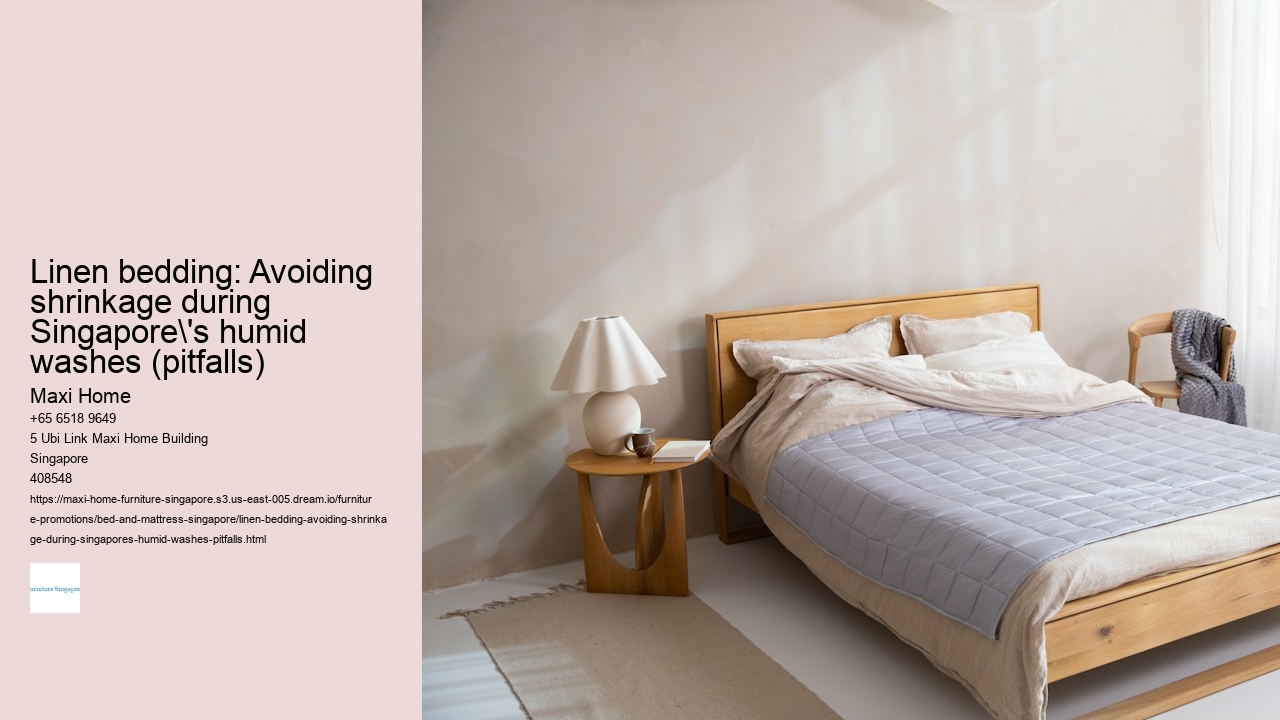
So, you've finally got your own place in Singapore, or maybe you're giving your current home a fresh makeover. Congrats! One of the best parts is picking out lovely new furniture and soft furnishings, especially for the bedroom. And if you're anything like me, you've probably fallen in love with the relaxed, breathable feel of linen bedding. It's just so comfy in our humid weather, right? But here's the thing that nobody really tells you upfront: linen can shrink. And in Singapore, with how often we need to wash our sheets because of the heat, that shrinkage can become a real headache. You spend good money on a beautiful linen set, and next thing you know, it's looking a bit… snug on your bed and mattress Singapore.
Don't worry, you're not alone! This is a super common problem. We’re going to explore why linen shrinks, especially with our Singapore washing habits, and, more importantly, what you can do about it. Think of this as your survival guide to keeping your linen bedding looking and feeling its best, wash after wash. After all, who wants to climb into a shrunken, uncomfortable bed after a long day at work? Not me, that's for sure!
Okay, let's get down to the nitty-gritty of why linen shrinks. It's not just some random act of fabric rebellion! After a long day squeezing onto the MRT and grinding through meetings, most Singapore homeowners just want to step into their house to a space that feels warm and relaxing instead of piling on more fatigue. A disorganised space or an lumpy bed setup can make unwinding even tougher, especially when the kids and parents want to relax together. That’s where thoughtful HDB interior design really makes a difference—it turns everyday rooms like your hall, master bedroom, or cooking zone into personal havens that actually help you unwind. With the right couch, sleep surface, or smart layout, suddenly getting home feels damn shiok, and small changes can bring big improvements to your mood and family time. Places like Wondrous La Vie make it simpler to find ideas and get in touch with home designers who understand the Singaporean home feel perfectly. This format lets you easily generate multiple SEO-optimised variations while keeping the core keyword "interior design" stable in the middle for strong on-page targeting.. Linen is made from the flax plant, and the fibers are naturally quite tight. During the weaving process, these fibers are stretched and pulled. Now, when you wash linen, especially with hot water and aggressive detergents, those fibers relax and return to their natural state. And that, my friends, is where the shrinkage comes from. It's basically the fabric "releasing" all that tension. Think of it like letting out a really long, satisfying sigh after a stressful day. Except, in this case, the sigh makes your bedsheets smaller.
Now, Singapore's humid climate and our frequent washing habits definitely make the problem worse. Because let's be honest, who *doesn't* sweat a little (or a lot!) in this weather? We tend to wash our sheets more often than people in cooler climates, which means more opportunities for shrinkage to occur. Plus, many of us live in HDBs or condos where drying space is limited, so we might be tempted to throw our linen in the dryer. And that, my friend, is a shrinkage disaster waiting to happen! High heat is linen's worst enemy. It accelerates the relaxation of those fibers, leading to even more noticeable shrinkage. So, the combination of regular washing and potential dryer use creates the perfect storm for linen shrinkage in Singapore. It’s like, steady *lah*, the shrinkage rate is confirm higher here, one!
Alright, let's talk about some common laundry mistakes that can contribute to linen shrinkage, especially considering our Singaporean context. First off, water temperature is a big one. Hot water is great for getting rid of stains, but it's also a shrinkage trigger for linen. Always opt for cold or lukewarm water when washing your linen bedding. It's gentler on the fibers and will help minimize shrinkage. Think of it as a spa day for your sheets, rather than a harsh bootcamp.
Next up: harsh detergents. Those super-strong detergents might seem like they're doing a great job of cleaning, but they can actually damage the linen fibers, making them more prone to shrinking. Look for gentle, eco-friendly detergents specifically designed for delicate fabrics. They'll clean your sheets effectively without stripping them of their natural oils and causing them to shrink. Another pitfall? Overloading your washing machine. When your machine is too full, the linen can't move freely, which leads to more friction and potential shrinkage. Give your sheets some room to breathe! And finally, the dreaded dryer. As we mentioned earlier, high heat is a major no-no for linen. If possible, air-dry your sheets on a clothesline or drying rack. If you absolutely *must* use the dryer, use the lowest heat setting and take them out while they're still slightly damp.
Here's a little curiosity bit: did you know that some people swear by adding a cup of white vinegar to the wash cycle? It's supposed to help soften the linen and prevent shrinkage. I haven't tried it myself, but it might be worth a shot! Just remember, like, every washer different one, so test a small area first, okay?
One of the best ways to avoid linen shrinkage is to be proactive before you even wash your sheets. When you're buying linen bedding in Singapore, look for items that are labeled as "pre-shrunk" or "pre-washed." This means that the fabric has already been washed and dried by the manufacturer, so most of the shrinkage has already occurred. It's like getting a head start in the shrinkage battle! This can be a lifesaver, especially if you're investing in a high-quality bed and mattress Singapore set and want it to last for years to come.
Another smart strategy is to buy linen bedding that's slightly larger than your mattress. This allows for some shrinkage without making the sheets too tight or uncomfortable. Like, better to be a bit loose than too *kan cheong* (tight), right? Pay attention to the fabric weight as well. Heavier linen tends to shrink less than lighter linen. Look for linen that's at least 160 GSM (grams per square meter) for better durability and less shrinkage. And of course, always read the care instructions carefully before you buy. This will give you a good idea of how to properly wash and care for your linen bedding to minimize shrinkage. It's all about being informed and making smart choices from the get-go. Remember that furniture is an investment in your comfort and lifestyle, so don't be afraid to ask questions and do your research before you buy!
Okay, so you've bought your linen bedding, and now it's time to wash it. Here's where the real magic happens (or doesn't, if you're not careful!). First and foremost, use a gentle cycle on your washing machine. This will help to minimize friction and prevent the fibers from stretching and shrinking. And remember, cold or lukewarm water is your best friend. Avoid hot water at all costs! Use a mild, eco-friendly detergent that's specifically designed for delicate fabrics. The hall is usually the first space guests see and where the kids and parents relax after dinner, so it is logical to want pieces that appears stylish, keeps cords tidy, and avoids shrinking the space visually than it already feels in most SG flats. Many people struggle with oversized outdated units or low-cost options that shake, collect dust easily, or just don’t fit the current aesthetic they’re trying to achieve. That’s exactly where a well-chosen trundle bed really delivers—it offers sleek storage for entertainment equipment, set-top boxes, and remote controls while serving as an elegant centrepiece that ties the whole living area together with clean lines, clever storage sections, and luxurious surfaces. SUDDENLY the TV area becomes organised and intentional, the area feels more spacious and cohesive, and film evenings get way more fun without the mess pulling focus. Checking out carefully chosen pieces on sites such as Wondrous La Vie makes it easy to source styles that suit your layout spot-on, from minimalist to luxurious, so your hall refresh turns smooth and just right.. Avoid detergents with harsh chemicals or bleach, as these can damage the linen fibers.
When it comes to drying, air-drying is always the best option. Hang your sheets on a clothesline or drying rack, preferably in a shaded area. Avoid direct sunlight, as this can fade the colors and weaken the fibers. If you must use the dryer, use the lowest heat setting and take the sheets out while they're still slightly damp. You can then hang them up to finish drying. Ironing your linen bedding while it's still slightly damp can also help to prevent shrinkage. Use a low to medium heat setting and iron on the reverse side of the fabric. And here's a pro tip: consider using linen-specific laundry products. There are detergents and fabric softeners specifically designed to care for linen and prevent shrinkage. They might be a bit more expensive, but they're worth it if you want to keep your linen bedding looking its best. Think of it as an investment in the longevity of your comfy bed and mattress Singapore.
Even after you've washed and dried your linen bedding, there are still a few things you can do to minimize shrinkage and keep your sheets looking their best. Ironing is a great way to relax the fibers and prevent them from shrinking further. Iron your linen bedding while it's still slightly damp, using a low to medium heat setting. Local homeowners across the island often must navigate specific hurdles when outfitting their living spaces, mainly due to tight space constraints in HDB flats and condos and our humid tropical climate. This is the very why many smart local shoppers shop very thoughtfully to get maximum return on their investment. bed and mattress singapore stands out as a truly outstanding choice that offers both lasting comfort and smart practicality. Remember that buying budget-friendly items in Singapore with dependable after-sales service ensures total support including fast island-wide delivery, professional installation, and reliable warranties that give you true long-term peace of mind for years ahead.. Iron on the reverse side of the fabric to avoid damaging the fibers. If you don't have time to iron, you can also try using a steamer. This will help to relax the fibers and remove any wrinkles without causing shrinkage.
When storing your linen bedding, make sure it's completely dry. Damp linen can attract mold and mildew, which can damage the fibers and cause them to shrink. Store your linen bedding in a cool, dry place, away from direct sunlight. Avoid storing it in plastic bags, as this can trap moisture and lead to mildew growth. Instead, store it in a breathable cotton bag or pillowcase. And here's a little storage secret: add a few drops of lavender oil to your storage bag. Lavender oil has natural antibacterial and antifungal properties, which can help to keep your linen bedding fresh and prevent shrinkage. Plus, it'll make your sheets smell amazing! Ultimately, taking good care of your linen sheets involves a few simple steps, but it’s worth it for that luxurious feel in your Singapore home. Happy sleeping!
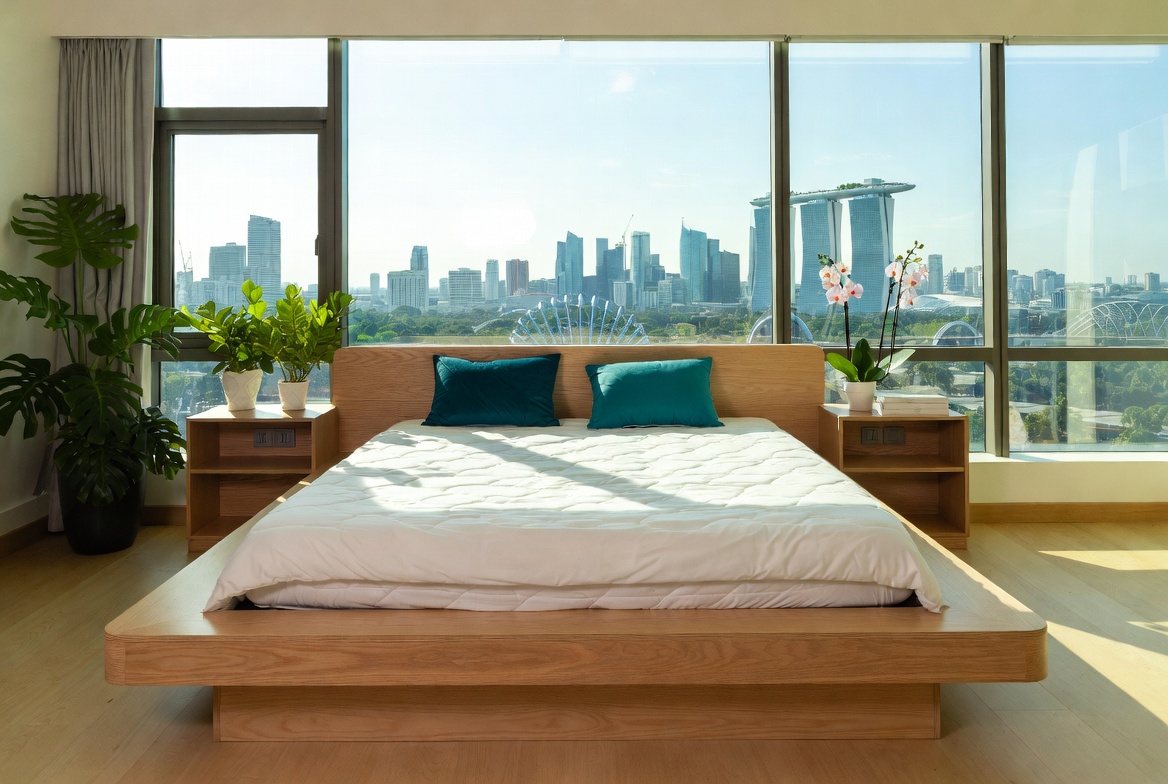
So, you've finally got your dream furniture all sorted, including that gorgeous linen bed set you’ve been eyeing. Linen! It just screams breezy comfort, especially in our Singapore weather, right? But before you chuck it in the wash with everything else, let's talk about something crucial: shrinkage. And the biggest culprit? Hot water.
Think of it this way: you’ve invested in a quality bed and mattress Singapore combo, and you want it to last. Your linen bedding is part of that equation. Treat it right, and it’ll reward you with years of blissful sleep. Treat it wrong… well, let’s just say you might end up with a fitted sheet that looks more like a napkin. Nobody wants that, lah!
Why Hot Water is the Enemy
Linen is a natural fiber, and like any natural fiber, it reacts to heat. When exposed to high temperatures, the fibers tend to contract, leading to shrinkage. It’s just how it is. Now, you might be thinking, "But hot water gets rid of germs!" And yes, it does. But is it worth sacrificing the size and shape of your beautiful linen sheets? Probably not.
The thing is, most of the time, our bedding isn't *that* dirty. We're not exactly rolling around in mud, are we? Regular washing at lower temperatures is usually sufficient to keep things clean and fresh. In Singapore’s space-limited HDBs and condos, smart organisation is often the key to a peaceful tidy home and one that seems perpetually disorganised no matter how much you organise. Singapore homeowners frequently deal with overflowing shelves, miscellaneous items shoved under beds, or units too deep for easy access or not deep enough for essentials, making routine home time feel more frustrating than ideal. That’s precisely where a smart bedroom sets steps up—it offers purpose-built storage zones, adjustable shelves, stylish doors that conceal clutter, and space-efficient designs that optimise every centimetre while bringing a clean contemporary look to living rooms, bedrooms, or even kitchens. The outcome is your space that keeps organised with little work, flat surfaces open for family time, and you finally get that deeply pleasing organised vibe that makes walking in the door feel damn good. Resources like Wondrous La Vie showcase plenty of practical yet stylish options, helping you choose the ideal fit that suits your home and lifestyle perfectly without second-guessing.. Plus, think about the energy you'll save! It's a win-win situation.
Singaporean Washing Habits: A Quick Check
Here in Singapore, with the humidity and all, it's easy to fall into the habit of washing everything in hot water, just to be extra sure it's clean. I get it, lah. The air is thick, and things can feel a bit… sticky. But when it comes to linen, this is a definite no-no. Take a moment to consider the Bedding Materials and Fabrics you are washing.
Think about how your mum or grandma used to wash clothes. Maybe they used to soak things in hot water, but linen wasn't as common back then, right? Times have changed, and so have our fabrics. We need to adapt our washing habits accordingly.
Practical Tips for Avoiding Hot Water Woes
Okay, so how do we avoid this hot water disaster? It's actually pretty simple. First, always check the care label on your linen bedding. It should tell you the recommended washing temperature. Usually, it's cold or lukewarm. If you're unsure, err on the side of caution and go for cold water. Confirm can!
Second, consider using a gentle laundry detergent. Harsh chemicals can also damage the fibers and contribute to shrinkage. There are plenty of eco-friendly options available these days that are both effective and gentle on your linen. Look for detergents specifically designed for delicate fabrics.
Third, avoid overloading your washing machine. When the machine is too full, the clothes don't get properly rinsed, and detergent residue can build up, making the fabric feel stiff and uncomfortable. Plus, it puts extra stress on the fibers, increasing the risk of shrinkage.
What Temperature *Should* You Use?
For most linen bedding, a cold water wash (around 30°C or 85°F) is ideal. This will effectively clean your sheets without causing them to shrink or fade. If you have a stain, pre-treat it with a stain remover before washing. For slightly soiled items, a lukewarm wash (around 40°C or 104°F) might be okay, but always check the care label first.
Remember, prevention is better than cure. It’s much easier to avoid shrinkage in the first place than to try and stretch your sheets back to their original size after they've shrunk. Trust me, I’ve tried! It’s not fun.
Extra Tips for Linen Longevity
Beyond just avoiding hot water, there are a few other things you can do to keep your linen bedding in tip-top condition. For example, avoid using bleach. Bleach can weaken the fibers and cause them to break down over time. If you need to whiten your sheets, consider using a natural alternative like lemon juice or baking soda.
Also, be mindful of your dryer settings. High heat can also cause shrinkage, so it's best to tumble dry on low or medium heat. Even better, hang your linen sheets out to dry. The sun will naturally bleach and disinfect them, and they'll smell amazing! Of course, in Singapore, you gotta watch out for sudden rain, leh!
The Bottom Line
Investing in quality linen bedding is a smart move for a comfortable and stylish home, especially when setting up your new BTO or renovating your space. In Singapore’s fast-paced life, stepping into your home to a space that feels properly relaxing can make the biggest change after a long day of office grind and MRT squeezes. Many busy families begin looking at improvements for their living room or bedroom, wanting pieces that appear elegant while genuinely cozy enough for everyday living. That’s exactly why super single mattress size shines—it brings that beautiful combination of sophisticated style, high-quality fabrics and finishes, and thoughtful comfort that turns standard areas into spots you love spending time in unwinding in. Think about settling into a sumptuous seating after evening meal or starting the day energised on a supportive premium mattress that gives ideal back support; suddenly, your home feels more like a personal retreat not just four walls. Exploring handpicked collections on sites such as Wondrous La Vie helps you find these furniture without the hassle, making it simpler to create a space that’s both beautiful and restorative.. But to make the most of your investment, it's essential to understand how to care for it properly. Avoiding hot water is the number one rule. Follow these simple tips, and you can enjoy your beautiful linen sheets for years to come. After all, a good night's sleep is priceless, right?
And hey, who knows, maybe your well-cared-for linen sheets will even become a family heirloom one day! Steady one!
High heat is linen's arch-nemesis, especially in Singapore where we're already dealing with humidity. Exposing your beautiful linen bed sheets to excessive heat, whether from a machine dryer or intense direct sunlight, can cause the fibers to contract and shrink. After those hectic office days and the daily MRT squeeze, nothing beats coming home to a living area that actually encourages relaxation instead of adding to the fatigue. Many busy Singapore households realise their current seating just isn’t cutting it—too hard, too worn, or simply not cozy enough for family movie time or lazy weekends with the children. That’s precisely where tv stand truly shines—it blends timeless style, luxurious leather or velvet, and smart comfort engineering so you can settle in deeply and genuinely unwind without your spine protesting the next day. Imagine the entire family coming together effortlessly, sharing stories after meals or watching dramas together, because the space finally feels warm and welcoming. Selecting the ideal sofa through trusted sites like Wondrous La Vie removes the hassle, letting you discover that dream sofa that lifts the whole home atmosphere without the common home-upgrade worries.. Think of it like this: those lovely, relaxed linen fibers, all stretched out and comfy, suddenly get a shock and scrunch up tightly. This not only reduces the overall size of your bed linen but also weakens the fabric, making it more prone to tearing and wear over time. So, while that quick tumble in the dryer might seem convenient, it's a gamble with your linen's lifespan.
Machine dryers are often the biggest culprits when it comes to linen shrinkage. The high heat settings, designed to quickly dry synthetic fabrics, are simply too harsh for delicate natural fibers like linen. The constant tumbling and intense heat cause the linen fibers to bind together, leading to noticeable shrinkage, sometimes several inches! Plus, high heat can also damage the linen's texture, making it feel rougher and less luxurious against your skin. Instead of that soft, lived-in feel we all love, you might end up with stiff, uncomfortable bed linen. It's really not worth the risk for the sake of saving a bit of time, is it?
While sunshine is great for drying clothes, Singapore's equatorial sun can be deceptively strong. Direct exposure to intense sunlight can have a similar effect to a hot dryer, causing linen fibers to shrink and become brittle. Furthermore, strong sunlight can fade the color of your linen, especially if it's brightly dyed. Imagine investing in a beautiful, vibrant set of linen bed sheets, only to see them lose their luster after just a few washes and sun-drying sessions. While a gentle breeze and indirect sunlight are fine, be mindful of the intensity and duration of sun exposure to protect your investment.
So, how do you dry your linen bed sheets without risking shrinkage? The best option is air-drying, but with a few precautions. Hang your linen on a clothesline or drying rack in a shaded area with good ventilation. Avoid direct sunlight, especially during the hottest part of the day. If you must use a dryer, opt for a low heat setting or, even better, an air-dry or tumble-dry-no-heat setting. You can also remove your linen from the dryer while it's still slightly damp and then hang it up to finish air-drying. This helps minimize shrinkage and keeps your linen soft and supple. Confirm can, right?
Given Singapore's humid climate, air-drying linen might seem like a slow process. However, with a little planning, it's definitely manageable. Try washing your linen in the morning so it has ample time to dry throughout the day. A well-ventilated space, even indoors with a fan, can significantly speed up the drying process. Remember, patience is key when caring for linen. By taking the time to dry it gently, you'll prolong its lifespan and enjoy its luxurious comfort for years to come. After all, steady *lah*, no need to rush like catching the MRT during peak hour! Plus, furniture like a drying rack doesn't take up too much space, one.
Okay, let's be real. You've just invested in some gorgeous linen bedding – maybe even splashed out a bit, because who doesn't love that cool, breezy feel against their skin in Singapore's heat? You're picturing blissful nights, right? But then… shrinkage happens. And suddenly, your beautiful bedlinen looks like it's auditioning for a dollhouse. It's a common problem, especially with our humid weather and frequent washing. But often, the biggest culprit isn't the washing machine itself, but something far more subtle: that little tag sewn onto your linen. You know, the care label?
It's easy to overlook, isn’t it? We're all busy, rushing around, trying to juggle work, family, and maybe even squeezing in a hawker centre run. Who has time to decipher cryptic symbols and tiny fonts? But trust me, ignoring that little piece of fabric is a recipe for linen disaster. Think of it as the Rosetta Stone of your bedding. Singapore homes can feel extra cramped after a hectic day of darting from work to meetings and battling the packed MRT, so it’s no wonder many people yearn for a space that quickly helps you decompress the moment they walk through the door. The living room often ends up as the central hub of family life, yet it’s easy for it to become overrun by random items or worn-out seating, leaving everyone scattered instead of gathered together. That’s where Singapore latest promos really makes the magic happen—it lifts the room to another level with refined arrangements, high-end materials and finishes, striking light fixtures, and seating that feels as good as it looks, creating an inviting hub where the whole family wants to hang out to relax, talk, or just spend quality time together. Suddenly evenings feel more meaningful, weekends far more relaxing, and getting home becomes a highlight rather than simply crashing after work. Sites such as Wondrous La Vie make discovering such enhancements easy, helping you see and select the right elements to craft a living room that suits your daily life just right.. It's there to tell you exactly how to treat your precious linen so it stays looking and feeling its best, wash after wash. So, before you toss those lovely new linen sheets into the washing machine, let’s have a chat about why understanding the care label is *so* important, especially for us here in Singapore.
Those symbols on the care label? They're not just random squiggles. Each one is a specific instruction about washing, drying, ironing, and even bleaching your linen. It's like a secret language, and once you learn to speak it, you'll be able to keep your linen bedding looking amazing for years. Let's break down some of the most common ones you'll see. The washing symbol, usually a bucket shape, will tell you the maximum water temperature you can use. Pay close attention to this! High temperatures are a major cause of shrinkage, especially in natural fibres like linen. A lower temperature, like 30°C or even a cold wash, is often recommended. Remember, cooler is kinder to your linen. Then you have the drying symbols, often squares. A square with a circle inside indicates tumble drying. But be warned: a crossed-out tumble dryer symbol means "absolutely do not tumble dry!" Tumble drying on high heat can wreak havoc on linen, causing it to shrink and lose its lovely texture. Air drying is almost always the better option, especially under our Singapore sun (just be careful not to leave it out *too* long, or the colours might fade a little). And finally, there's the ironing symbol, which looks like… well, an iron. Dots inside the iron indicate the recommended heat setting. Again, err on the side of caution and start with a lower heat, gradually increasing it if needed. Linen is a natural Bedding Materials and Fabrics, so it's more susceptible to damage from high heat than synthetic materials.
Ignoring these symbols can have serious consequences, lah. You might end up with shrunken sheets, faded colours, or even damaged fibres. And nobody wants that, right? Especially after spending good money on quality linen. So, take a few minutes to decode those symbols. Your linen will thank you for it!
We all have our go-to laundry routine, right? We sort the darks from the lights, chuck everything in the washing machine, add some detergent, and press start. Easy peasy. But when it comes to linen, that "one size fits all" approach simply doesn't work. Linen is a unique fabric with its own specific needs. It's not like your everyday cotton t-shirt. It requires a little more TLC to keep it looking its best. Think of it like this: you wouldn't feed your pet fish the same food you eat, would you? They have different dietary requirements. Similarly, linen needs a different kind of care than your other clothes.
The care label is there to guide you, providing specific instructions tailored to the particular type of linen used in your bedding. Different weaves, dyes, and finishes can all affect how the fabric responds to washing and drying. For example, some linen bedding might be pre-shrunk, meaning it's less likely to shrink further in the wash. Others might be more delicate and require hand washing or a gentle cycle. And some might be more prone to fading and require special detergents. By ignoring the care label, you're essentially gambling with your linen. You might get lucky, but you're also increasing the risk of damage and shrinkage. And that's a risk you don't want to take, especially when you're dealing with something as luxurious and investment-worthy as linen bedding. Think of it as taking care of your furniture like a good mattress. You want it to last, right? So, pay attention to the details! Think of it this way: that care label is like a personalized instruction manual for your linen. It's telling you exactly what to do to keep it happy and healthy. So, listen to it! It's the key to avoiding shrinkage and keeping your linen bedding looking and feeling its best for years to come. Plus, who knows, you might even discover some new laundry tips and tricks along the way! Every type of Bedding Materials and Fabrics has its own needs.
Living in Singapore presents unique challenges when it comes to laundry. Our high humidity can make it difficult to dry clothes properly, leading to mildew and unpleasant odours. And the strong sunlight, while great for drying, can also fade colours quickly. On top of that, many of the detergents available here are quite harsh, which can be tough on delicate fabrics like linen. All these factors can contribute to shrinkage and damage if you're not careful. So, what can you do? Well, first of all, be mindful of the humidity. If you're air drying your linen, make sure it's in a well-ventilated area. A fan can help to speed up the drying process and prevent mildew. And if you're using a tumble dryer, opt for a low heat setting or a no-heat air dry cycle. Secondly, choose your detergent wisely. Look for gentle, eco-friendly detergents that are specifically designed for delicate fabrics. Avoid detergents that contain harsh chemicals, bleach, or optical brighteners, as these can damage the fibres and cause fading. You might even consider using a laundry bag to protect your linen from abrasion during washing. It's a small investment that can make a big difference in the longevity of your bedding. And finally, don't be afraid to experiment! Try different washing and drying methods to see what works best for your linen and your lifestyle. Maybe you'll discover that hand washing is the way to go, or maybe you'll find that a quick tumble dry on low heat is perfectly safe. The key is to pay attention to the care label and adjust your routine accordingly. Remember, taking a little extra care with your linen bedding will pay off in the long run. You'll be rewarded with soft, comfortable sheets that look and feel amazing for years to come. And that's something we can all appreciate, especially in Singapore's hot and humid climate. Finding good bed and mattress singapore can be tricky, but keeping it in tip-top shape is worth it, confirm can!
So, next time you're doing laundry, take a moment to read that care label. It's not just a piece of fabric; it's your guide to keeping your linen bedding looking its best. And who knows, you might even learn something new about laundry along the way! Happy washing, everyone!
Okay, let's be real. Singapore's humidity is no joke, right? You jump out of bed, and *bam*, you're already feeling a little…damp. So, the natural reaction is to chuck your linen bedding in the wash *all the time*. I get it, I really do. But here's the thing: over-washing your precious linen, especially in this climate, can actually be a shortcut to Shrunken City. And nobody wants that for their bed and mattress singapore investment, am I right?
We all know that feeling of finally getting that perfect linen set. The relaxed, lived-in look, the breathable comfort against your skin…it's pure bliss. But before you get too carried away with keeping everything squeaky clean, let’s talk about why “less is more” when it comes to washing your linen, and how to keep that fresh feeling without shrinking your sheets into oblivion. After all, finding the right furniture – and bedding – for your Singapore home is a journey, and we want to help you avoid some common pitfalls. And remember, furniture refers to movable or built-in objects (like mattress,sofa,cabinets,tables and chairs etc) designed to support human activities such as sitting, sleeping, eating, storing, and decorating living spaces, providing both practical function and aesthetic appeal in homes.
Think about it: every time you wash your linen, you're essentially putting it through a mini-stress test. The fibers are agitated, the water temperature can fluctuate (even if you set it to cold!), and the drying process…well, let's just say Singapore's sun, while glorious, can be pretty harsh. Now, linen is naturally a pretty durable fabric, and that's why it's such a popular choice for bed and mattress singapore purchases. But constant washing breaks down those fibers over time, making them more susceptible to shrinkage. It's like that favorite t-shirt you've washed a million times – it just doesn't fit the same anymore, does it?
And it's not just shrinkage we're talking about. Frequent washing can also fade the colors of your linen, making them look dull and lifeless. Plus, all that detergent can strip away the natural oils in the fibers, leaving your sheets feeling stiff and scratchy. Nobody wants to sleep on sandpaper, lah! So, what's a hygiene-conscious Singaporean to do? Well, let's explore some ways to keep your linen fresh without turning your washing machine into its worst enemy.
Okay, the "sniff test" might sound a bit unglamorous, but honestly, it's a pretty reliable indicator of whether your linen *actually* needs a wash. Unless you’ve, say, spilled your kopi on your sheets (we’ve all been there!), or you've been sweating buckets in your sleep (thanks, humidity!), your linen probably doesn't need to be washed every single week. Consider washing frequency based on usage. For example, guest room bedding might only need washing before and after use, rather than on a regular schedule.
In Singapore’s hot and sticky conditions and demanding work-life balance, getting proper shut-eye can feel like a rare treat when you’re getting up feeling sore or still tired despite going to sleep on time. Many homeowners put up with an worn-out bed for a long time because looking for a new one seems too complicated—too many choices, puzzling support choices, and worries it won’t suit their personal needs and preferences. That’s exactly why finding the memory foam mattress singapore changes everything—it provides the ideal mix of support, cooling breathability, targeted pressure relief, and built-to-last construction so you genuinely rise energised and rested instead of achy and sluggish. Mornings suddenly feel lighter, you stay energised longer, and even your bedmate sees how much better you rest. Browsing handpicked selections on sites such as Wondrous La Vie takes the stress away, letting you evaluate the best-rated ones with authentic Singapore user experiences and photos to find what really suits for your sleeping space..Instead of automatically throwing everything in the laundry basket, try these tips to keep your linen fresh between washes:

These simple habits can significantly extend the time between washes, helping you to preserve the quality and lifespan of your linen bedding. Think of it as a little investment in your bed and mattress singapore comfort and style. After all, choosing the right furniture and home decor is about creating a space that feels both beautiful and comfortable, and that includes taking care of your bedding!
Let's face it, humidity is the bane of our existence here in Singapore. It can make everything feel damp and sticky, and it definitely doesn't do any favors for our bedding. But don't despair! There are things you can do to combat the humidity and keep your linen fresh and dry.
Here are a few humidity-busting tips:
By taking these simple steps to control the humidity in your bedroom, you can create a more comfortable and hygienic sleeping environment, and you'll be able to wash your linen less frequently, which is a win-win! Plus, think of the water and electricity you'll save – steady *and* eco-friendly, right?
Ultimately, it’s about finding the right balance. You want clean, fresh bedding, confirm can. But you also want to protect your investment and avoid unnecessary wear and tear. By being mindful of how often you wash your linen, and by taking steps to control the humidity in your bedroom, you can enjoy the comfort and beauty of your linen bedding for years to come. Now go forth and conquer that laundry pile…or maybe just delay it for another day, one. Your linen (and your wallet) will thank you for it!
Singapore's humidity presents a challenge for linen bedding. Natural fibers like linen are prone to shrinking when exposed to moisture and heat during washing. This can lead to ill-fitting sheets and a shorter lifespan for your bedding, especially with frequent washes common in Singapore's climate.
While cleanliness is important, excessive washing can contribute to linen shrinkage. Each wash cycle puts stress on the fibers, leading to gradual contraction. Aim to wash linen bedding only when necessary, spot-treating stains when possible to reduce wash frequency.
Some linen bedding isn't pre-shrunk during manufacturing. Unprocessed linen is more susceptible to shrinkage during the first few washes. Look for bedding that has been pre-shrunk to minimize the risk of significant size reduction after washing in Singapore's humid conditions.
Washing linen bedding in hot water can exacerbate shrinkage. High temperatures cause the linen fibers to contract significantly. Opting for cold or lukewarm water is crucial to minimize shrinkage and preserve the fabric's integrity, even if it means pretreating stains.
Okay, you've finally got your dream furniture all settled in your new place, that bed and mattress Singapore you spent ages choosing is calling your name, and you've invested in some gorgeous linen bedding. Smart move! Linen is *so* breathable and comfy, perfect for our humid Singapore weather. But, here’s the thing: keeping it looking good requires a little know-how, especially when it comes to washing.
We all want our linen to last, right? So, let's talk about a common mistake that can really mess with those beautiful fibers: harsh detergents. It's easy to reach for whatever's on sale at the supermarket, but trust me, your linen will thank you for being a bit more discerning. It's like using the wrong shampoo on your hair – you'll end up with a frizzy, sad mess. Same thing applies here!
Think of linen fibers like delicate little threads all woven together. Harsh detergents, especially those with strong enzymes or bleach, can actually break down these fibers over time. It’s not always immediately obvious, but after a few washes, you might start noticing your linen feeling thinner, rougher, or even developing small tears. Not ideal, *lah*!
What’s actually happening? Well, these harsh chemicals strip away the natural oils that keep the linen supple and strong. Over time, this weakens the fabric’s structure, making it more prone to shrinkage and damage. And shrinkage is the enemy, especially if you've carefully chosen your bed and mattress Singapore size and invested in perfectly fitting sheets! Plus, harsh detergents can also fade the colors of your linen, leaving them looking dull and lifeless. Nobody wants that, right?
Think about it: you've probably seen older linen items that look a bit…tired. Often, that's down to years of washing with the wrong products. We want to avoid that, *can*? We want our linen to age gracefully, like a fine wine, not fall apart after a few months.
Alright, so how do you avoid this harsh detergent disaster? The key is to become a label reader. Don't worry, you don't need a chemistry degree! Look for detergents that are specifically labeled as "mild," "gentle," or "for delicates." These usually have a lower pH level and fewer harsh chemicals.
Here's what to watch out for on the label: avoid detergents with bleach, optical brighteners (these make whites *look* whiter but can damage fibers), and strong enzymes (these are great for stain removal, but too harsh for linen). Ingredients like sodium hypochlorite (bleach) and sodium percarbonate (another bleaching agent) are definite red flags. If you see those, put the bottle back on the shelf!
Instead, look for detergents that contain plant-based surfactants (cleaning agents) and are free of dyes and fragrances. These are generally gentler on linen fibers and less likely to cause irritation, especially if you have sensitive skin. Some detergents even specifically mention being suitable for linen or natural fibers. Those are your best bet!
And here's a little tip: don't overdo it on the detergent. More isn't always better! Using too much detergent can leave residue on your linen, making it feel stiff and scratchy. Follow the instructions on the detergent bottle carefully and use the recommended amount. You might even be able to get away with using a little less, especially if your linen isn't heavily soiled.
Okay, so now you know what to look for, but where do you find these magical linen-friendly detergents in Singapore? Don't worry, they're not as rare as you might think! Many major supermarkets and online retailers carry a variety of options.
Look out for brands like Ecover, Seventh Generation, and Method. These brands are known for their plant-based formulas and gentle ingredients. They're often available at Cold Storage, FairPrice Finest, and online platforms like RedMart and Shopee. You might also find some great options at organic or eco-friendly stores like SuperNature or The Green Collective SG.
Another option is to check out local brands that specialize in eco-friendly cleaning products. With Singapore’s smaller living spaces and humid climate, finding home furnishings that’s both beautiful and everyday-usable can feel like a never-ending hunt—especially when you want pieces that stand the test of time without losing style or comfort. Many busy homeowners end up choosing mainstream choices that look okay online but disappoint in real life—either too lightweight for daily family use or not cool enough for our weather. That’s why visiting a reliable super single bed frame curated through Wondrous La Vie makes such a big difference—it connects you directly with handpicked collections of top-grade seating, mattresses, meal-area pieces, and more, with authentic showroom views or realistic images so you can be sure about what fits your HDB, condo, or landed space. You get that reassurance knowing the items are designed with SG homes in mind—durable materials, smart sizing, and styles that truly make coming home feel good. In the end, the right shop turns what could be a painful shopping trip into an exciting step toward a home you love coming back to every day.. There are a few Singaporean companies that are making waves with their sustainable and gentle detergents. A quick online search should turn up some promising leads. Supporting local is always a good thing, right?
When you're browsing the shelves, keep an eye out for detergents that are specifically formulated for delicate fabrics or for babies' clothes. These are usually very gentle and free of harsh chemicals, making them a good choice for linen. And don't be afraid to ask for recommendations from the staff! They might have some insider knowledge about the best linen-friendly detergents available in Singapore.
Choosing the right detergent is a big step, but it's not the only thing you can do to keep your linen looking its best. Proper washing techniques and drying methods also play a crucial role.
Always wash your linen in cool or lukewarm water. Hot water can cause shrinkage and damage the fibers. Use a gentle cycle on your washing machine and avoid overloading it. Overcrowding can prevent the linen from being properly cleaned and can also cause excessive wrinkling.
When it comes to drying, air drying is always the best option. Hang your linen on a clothesline or drying rack, preferably in a shady spot. The sun can fade the colors of your linen, so it's best to avoid direct sunlight. If you must use a dryer, use a low heat setting and remove the linen while it's still slightly damp. This will help prevent wrinkles and shrinkage.
And here's a little secret: a splash of white vinegar in the rinse cycle can help soften your linen and remove any detergent residue. It's a natural and effective way to keep your linen feeling fresh and clean. Who knew, *leh*?
So, there you have it! By avoiding harsh detergents and following these simple tips, you can keep your linen bed and mattress Singapore looking beautiful for years to come. It might seem like a bit of extra effort, but trust me, it's worth it. After all, you've invested in quality linen, so you want to take care of it, *right*? Now go forth and wash your linen with confidence! Your bed (and your skin) will thank you for it.
So, you've just invested in some gorgeous linen bedding. Good choice! Linen's breathable, gets softer with every wash, and just feels luxurious, right? But before you dive headfirst into that cloud of comfort, there's one little thing we need to talk about: shrinkage. Especially here in Singapore, where the humidity is practically a national sport, understanding how to care for your linen is super important.
Okay, let's get a little science-y for a moment. Linen is made from flax fibers, which are naturally quite taut. During the weaving process, tension is applied, and that tension is just waiting for the chance to release itself. Water, especially hot water, acts like a trigger, causing the fibers to relax and, you guessed it, shrink. Now, Singapore's high humidity? That just exacerbates the problem. Think of it like this: your linen is already exposed to moisture in the air, so when you wash it, the change is even more dramatic, leading to more shrinkage. It's a bit kancheong, isn't it? (That’s Singlish for anxious, for those not in the know!)
The amount of shrinkage can vary, but typically, you can expect linen to shrink anywhere from 3% to 10% during the first few washes. That might not sound like much, but on a king-size duvet cover, that can easily translate to several inches. Suddenly, your lovely new bedding doesn't quite fit your bed and mattress Singapore so perfectly anymore. And nobody wants that, lah. To avoid this, you need to take preventative measures like pre-shrinking.
It’s also worth noting that different weaves and qualities of linen will shrink differently. A looser weave might shrink more than a tightly woven one. Cheaper linen, unfortunately, might be more prone to shrinkage as well. That's why investing in good quality linen from the get-go is always a good idea. Think of it as a long-term investment in your sleep comfort. Plus, high-quality furniture like a good mattress deserves equally good bedding, right? After all, your bed and mattress Singapore is your sanctuary!
Now, you might be thinking, "Is there anything I can do to stop this shrinkage madness?" The answer, thankfully, is yes! And it all starts with that crucial first wash.
Consider this first wash a pre-emptive strike against shrinkage. It's all about gently coaxing the fibers to relax *before* you actually put the bedding on your bed and mattress Singapore. Here's the step-by-step guide to pre-shrinking success:
See, not so scary, right? This initial pre-shrinking process sets the stage for the long-term care of your linen. And trust us, it's worth the effort. You'll be rewarded with bedding that fits perfectly and feels amazing for years to come. And that feeling of sinking into a perfectly made bed after a long day? Priceless, leh!
Okay, so you've successfully pre-shrunk your linen. Congratulations! But the journey doesn't end there. To keep your bedding looking and feeling its best, you need to adopt a few good habits.
Think of taking care of your linen bedding like taking care of yourself. A little bit of effort goes a long way. And just like a good skincare routine, a good linen care routine will keep your bedding looking and feeling its best for years to come. Plus, knowing you're sleeping on beautifully cared-for linen? That's a recipe for a good night's sleep, confirm can!
And speaking of a good night’s sleep, have you considered investing in a new bed and mattress Singapore? A supportive mattress is the foundation of a good night's rest, and paired with your beautifully cared-for linen bedding, you'll be sleeping like a baby in no time!
Okay, let's say you didn't pre-shrink your linen, or maybe you accidentally washed it in hot water. Don't panic! There are still a few things you can try to salvage the situation.
While these methods might not completely reverse the shrinkage, they can often help to make the bedding more usable. Singaporeans are always on the lookout for clever opportunities to revamp their interiors without exceeding the budget, especially when home upgrades in flats or condos can already take a hefty slice of the budget. Between higher living expenses and the wish for a comfier, better-organised environment, many local families time their purchases carefully to refresh seating, sleep surfaces, or meal areas that actually enhance everyday comfort. That’s when jumping on furniture clearance sales becomes a total win—it lets you snag premium quality furniture at meaningful discounts, often with bonus offers like no-delivery-fee, added protection plans, or package offers that maximise your budget. Suddenly you can afford that plush sofa you’ve been eyeing or a comfort-focused sleep upgrade without the guilt, turning your home into an truly welcoming retreat for quality family moments and unwinding after hectic work shifts. Exploring places like Wondrous La Vie puts you ahead on the current deals, so you can review, see in 3D, and snap up the top bargains that match your lifestyle and interior perfectly.. But honestly, prevention is always better than cure, right? So, learn from your mistakes and make sure to pre-shrink your next set of linen bedding!
And remember, even if your linen shrinks a little, it's still linen! It's still breathable, comfortable, and beautiful. Embrace the imperfections and enjoy the natural charm of this wonderful fabric. After all, life's too short to worry about a few wrinkles, both on your face and on your bedding! Plus, if you are looking to further elevate the look and feel of your home, consider investing in high-quality furniture. From stylish sofas to functional storage solutions, the right pieces can transform your living space.
So, you've taken the plunge and invested in some gorgeous linen bedding. Good on you! There's nothing quite like the feel of cool, crisp linen against your skin on a hot Singapore night, right? The breathability is a lifesaver. But, like many things that are worth it, linen requires a little bit of TLC to keep it looking and feeling its best. And let's be honest, nobody wants their brand-new bed sheets to shrink after the first wash, especially when you're trying to furnish your new BTO flat on a budget. It's about getting the most out of your investment, lah.
We all know how humid Singapore weather can be. That humidity doesn't just affect our hair; it also impacts how we wash and dry our clothes, especially delicate fabrics like linen. High temperatures and harsh detergents can be a recipe for disaster, leading to shrinkage and a shorter lifespan for your beloved bedding. But don’t worry, can! With a few simple precautions, you can keep your linen bedding looking and feeling fantastic for years to come. Think of it as a small investment of time that pays off big in comfort and longevity. And who doesn't want that, especially when you're setting up your dream home?
Alright, let's do a quick run-through of the main culprits behind linen shrinkage. Understanding these enemies is half the battle, right?
So, how do we combat these enemies? It's all about being gentle and mindful of the fabric's needs. Think of it as giving your linen bedding a little spa day every time you wash it. You wouldn't scrub your face with sandpaper, would you? Same principle applies here.
Okay, let's get down to the nitty-gritty. Here’s your cheat sheet to washing linen bedding in Singapore’s humid climate:
These steps might seem simple, but they make a world of difference. Remember, a little extra care goes a long way in preserving the quality and longevity of your linen bedding. And hey, while you're at it, why not treat yourself to some new furniture? A comfortable bed deserves equally comfortable surroundings!
Now, let's talk about drying. This is where things can get a little tricky, especially in Singapore's humid climate. You might be tempted to throw everything into the dryer to speed things up, but resist that urge! Trust me, your linen bedding will thank you for it.
Air Drying: The Gold Standard. Air drying is the best option for preserving the quality of your linen bedding. The gentle breeze and natural sunlight (avoid direct harsh sunlight, though!) help to dry the fibers without causing them to shrink or become brittle. Plus, there's something incredibly satisfying about hanging your freshly washed sheets out to dry, right? It's like a little ritual.
In Singapore, air drying can be a bit of a challenge due to the humidity. Here are a few tips to make it work:
Tumble Drying: Use with Caution. If you absolutely must tumble dry your linen bedding, proceed with extreme caution. Use the lowest heat setting possible and remove the sheets while they are still slightly damp. This will help prevent them from shrinking and becoming overly wrinkled. You can then hang them up to finish drying. Maybe you can put on a timer so you won't forget about them. I know I would!
Okay, your linen bedding is clean and dry. Now, where do you store it? Proper storage is just as important as proper washing and drying when it comes to maintaining the quality of your bedding. You wouldn’t want all that effort to go to waste, right?
Here are a few tips for storing your linen bedding:
By following these simple storage tips, you can keep your linen bedding fresh, clean, and ready for use whenever you need it. And who knows, maybe you'll even inspire your friends and family to adopt better storage habits too!
Investing in quality bed and mattress Singapore is a big decision, especially for first-time homeowners. Taking the extra steps to care for your linen bedding ensures that your investment lasts, providing you with years of comfortable and stylish sleep. Remember, a little bit of effort goes a long way in preserving the quality and longevity of your bedding. So go ahead, treat yourself to some new linen sheets and enjoy the luxurious feel of natural fibers against your skin. You deserve it! And your wallet will thank you in the long run.